A landmark semiquincentennial collaboration unites two Philadelphia museums and a storied private collection to explore American art, identity, tradition, and change. ⬬

Below you'll see everything we could locate for your search of “Kathleen A. Foster”
A landmark semiquincentennial collaboration unites two Philadelphia museums and a storied private collection to explore American art, identity, tradition, and change. ⬬
Subscribe to The Magazine ANTIQUES today! And sign-up for our newsletter! MARCH/APRIL 2026GUEST EDITOR’S LETTER Lisa Minardi THE OBSCURE CONNOISSEUR Part IV: In which the author copes with his collection of chipped Meissen figurines. Ralph Gardner Jr. Illustrated by Colleen Bayley Harrington AUCTIONSRecent and upcoming sales of blue-and-white porcelain. OBJECTSChewed Paper: How papier-mâché bridged affordability and elegance, carrying centuries of innovation …

We asked five curators at major institutions: How are you installing and considering folk and outsider art in the coming years? Kathleen Foster. ⬬
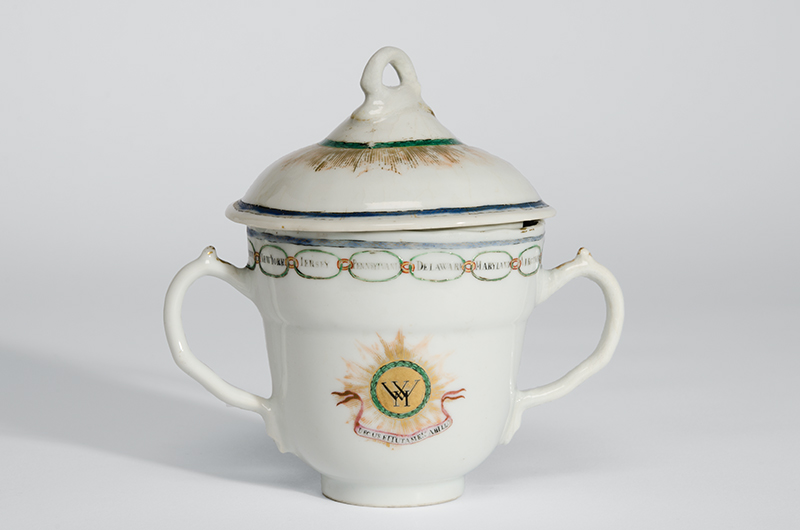
A curator guides us through the revamped early American galleries at the Philadelphia Museum of Art
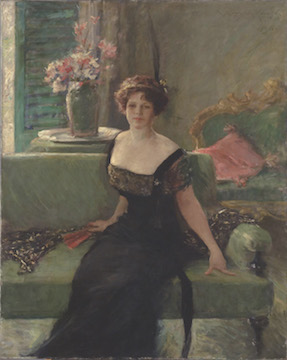
In late October 1916 the American impressionist artist William Merritt Chase lay dying at his town house on East Fifteenth Street in Manhattan
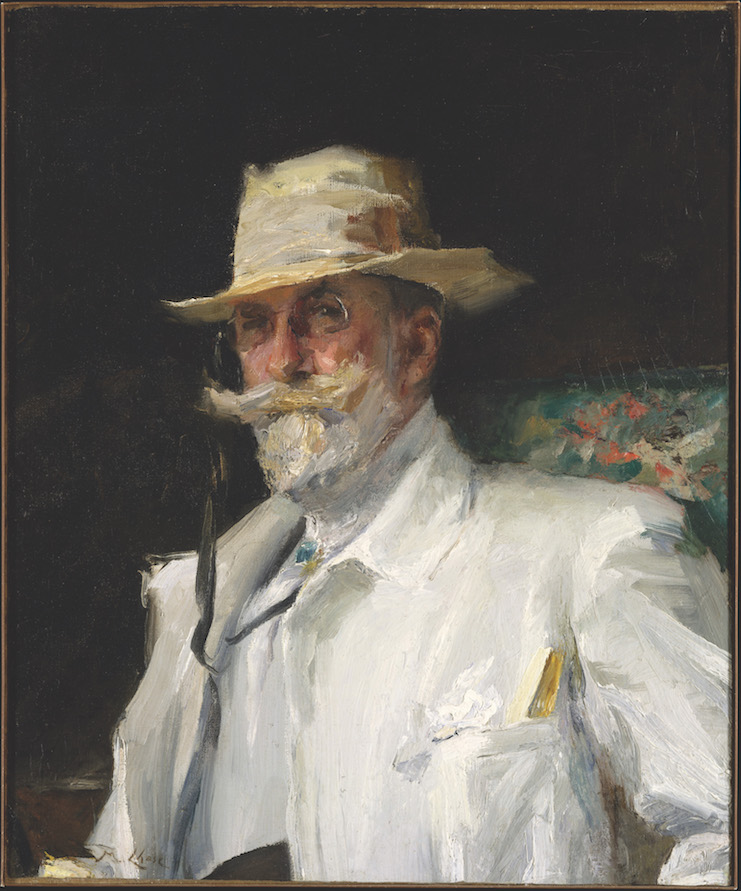
The artist Annie Traquair Lang begins to emerge from the shadow of her mentor and paramour, William Merritt Chase.
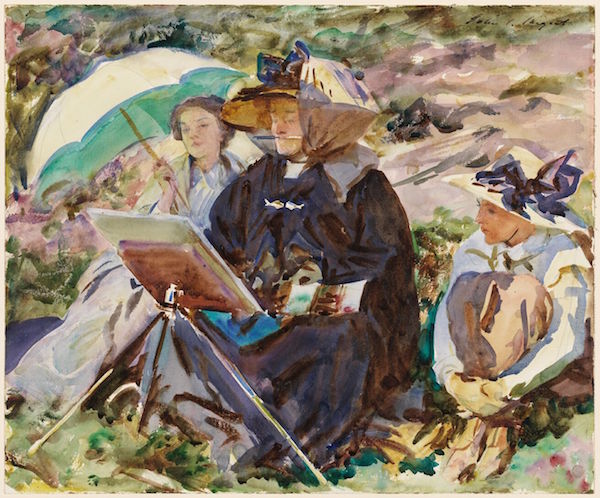
How a medium changed the fortunes of female artists in America.
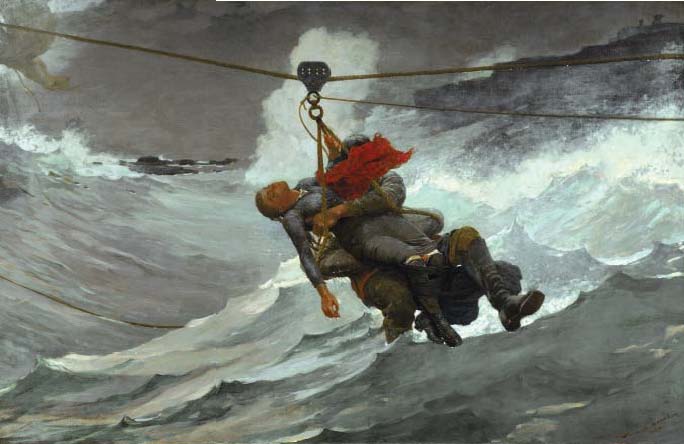
from The Magazine ANTIQUES, September/October 2012 | Bringing a suspenseful story of danger and heroic rescue to an audience that never seems to tire of courageous knights and fainting maidens, Winslow Homer’s The Life Line (Fig.1) has been popular since the day it was completed in 1884. Homer’s themes of human frailty, bravery, and romance in the context of the overwhelming power …
Our country’s regional wars may be over, but in the 1960s when the Museum of Early Southern Decorative Arts (MESDA) began, they were very much alive. Southern writers for instance were still working through the story of loss while northerners remained dubious about the value of southern culture. MESDA took a different path. The idea that the South did not …