Breaking ground: British folk art at the Tate

Editorial StaffArt, Exhibitions

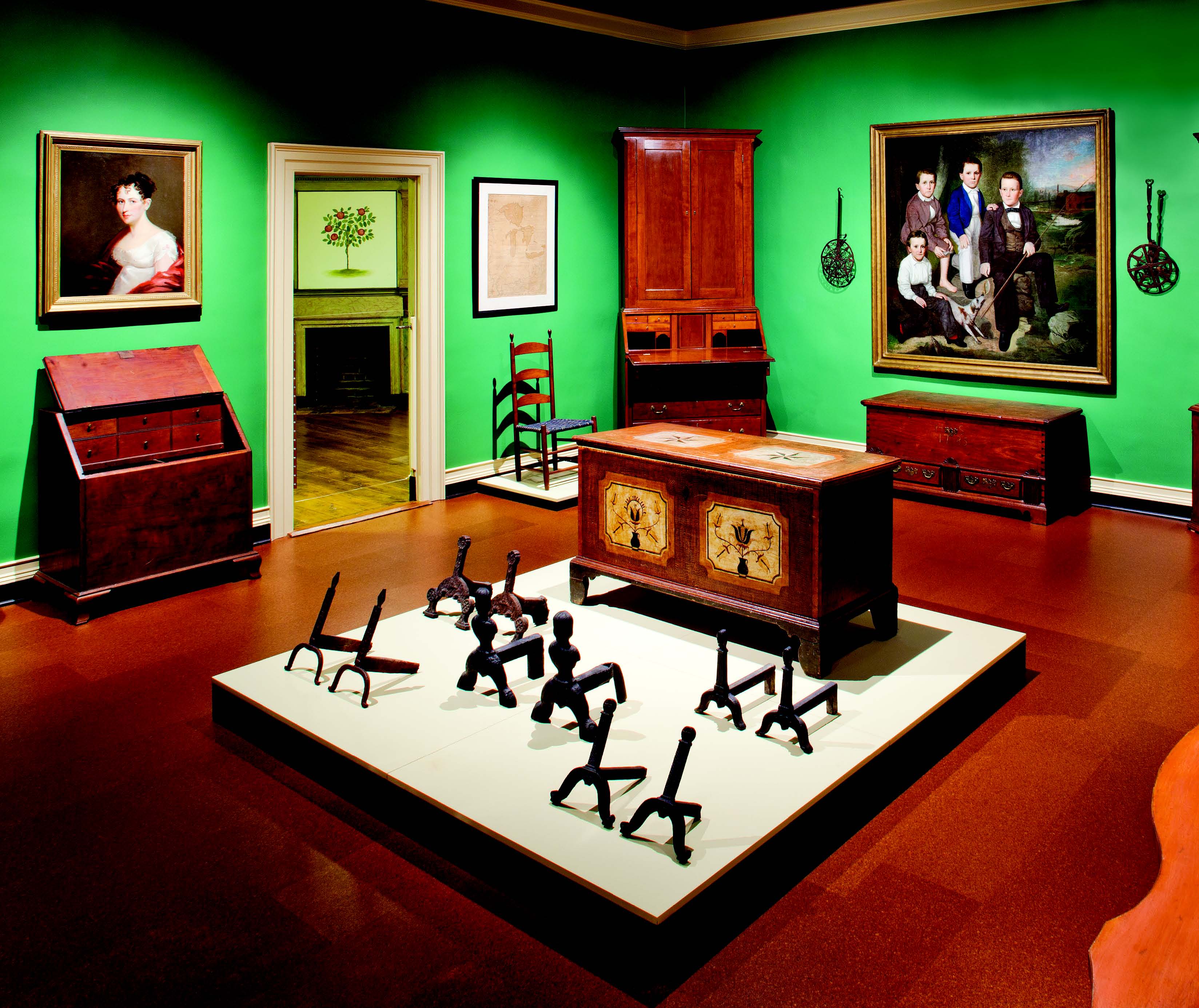
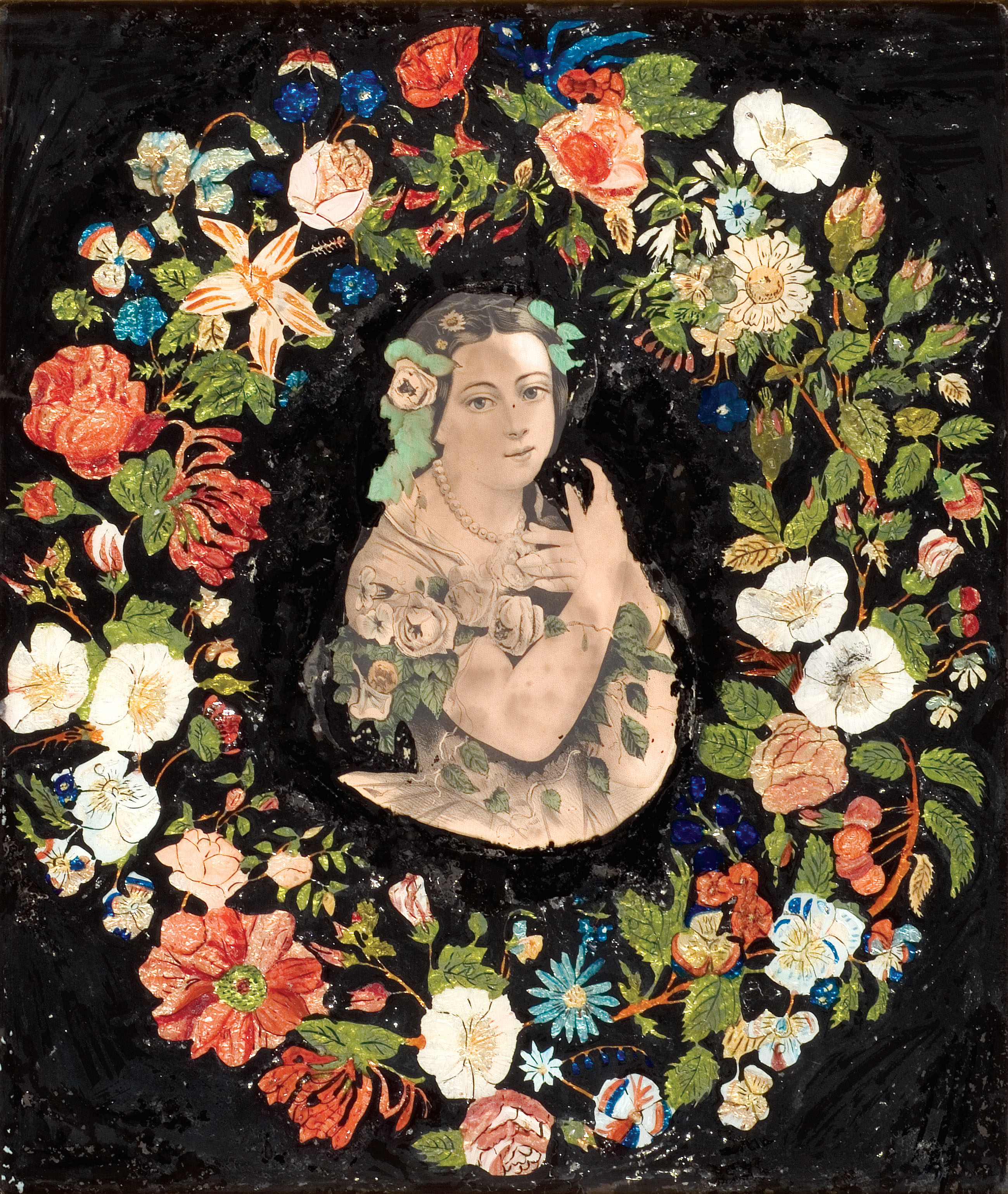
In 1768, when the British Royal Academy of Arts was established, it emphatically distinguished the fine arts from crafts by exiling the latter, declaring that “no needlework, artificial flowers, cut-paper, shell-work or any such performances should be admitted.” By 1948 artworks from outside the main­stream still had not overcome this prejudice, prompting the designer, writer, and folk art enthusiast Enid …
American vernacular rococo

Editorial StaffFurniture & Decorative Arts

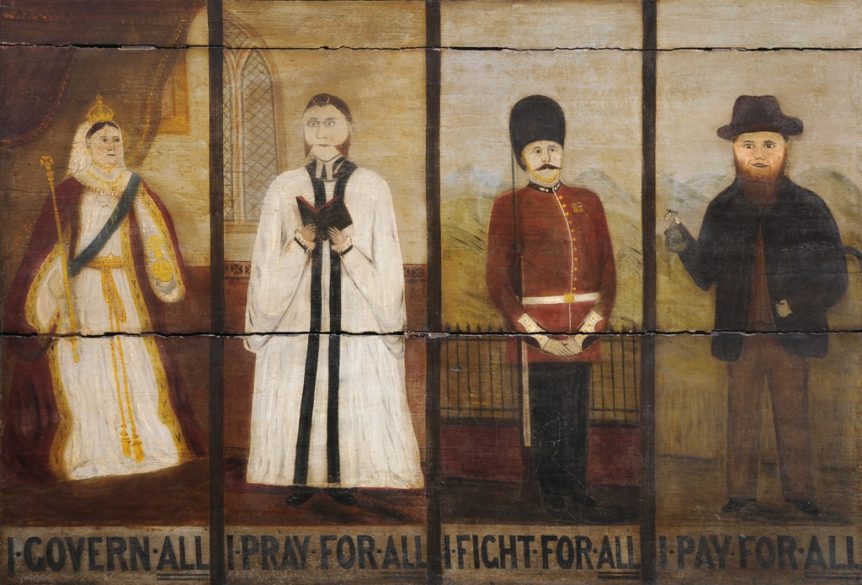
from The Magazine ANTIQUES, May/June 2013 | About 1736 John Lewis (1678-1762) of Ulster, County Donegal, Ireland, killed his impetuous young landlord, “cleaving in twain his skull,” and then fled to Philadelphia in the American colonies. The following year his wife Margaret Lynn Lewis (1693-1773) and their four sons joined him. Informed that he was still a wanted man, Lewis …

Bringing an Old house back to life

Editorial StaffFurniture & Decorative Arts

By MARGARET NOWELL; from The Magazine ANTIQUES, February 1945. There are few more worth-while experiences than bringing back to life an old house. This is what Mr. and Mrs. John Howard Joynt have done with the handsome brick house at 601 Duke Street in Alexandria, Virginia. Fig. 1-The house, with its gray brick wall, encloses two sides of the property, and overlooks …

A desk associated with George Washington

Editorial StaffFurniture & Decorative Arts

By JOAN SAYERS BROW; from The Magazine ANTIQUES May 1978. The  handsome slant-front desk illustrated here was originally owned by Colonel George William Fairfax (1724-1787), whose estate, Bevoir, was near Mount Vernon on the Potomac River in Virginia. In April 1773 Fairfax took his wife, sally Cary, to England, after asking his neighbor George Washington to watch over Belvoir while they were …

Spirit Feel: A New Orleans Collection

Chris WaddingtonArt

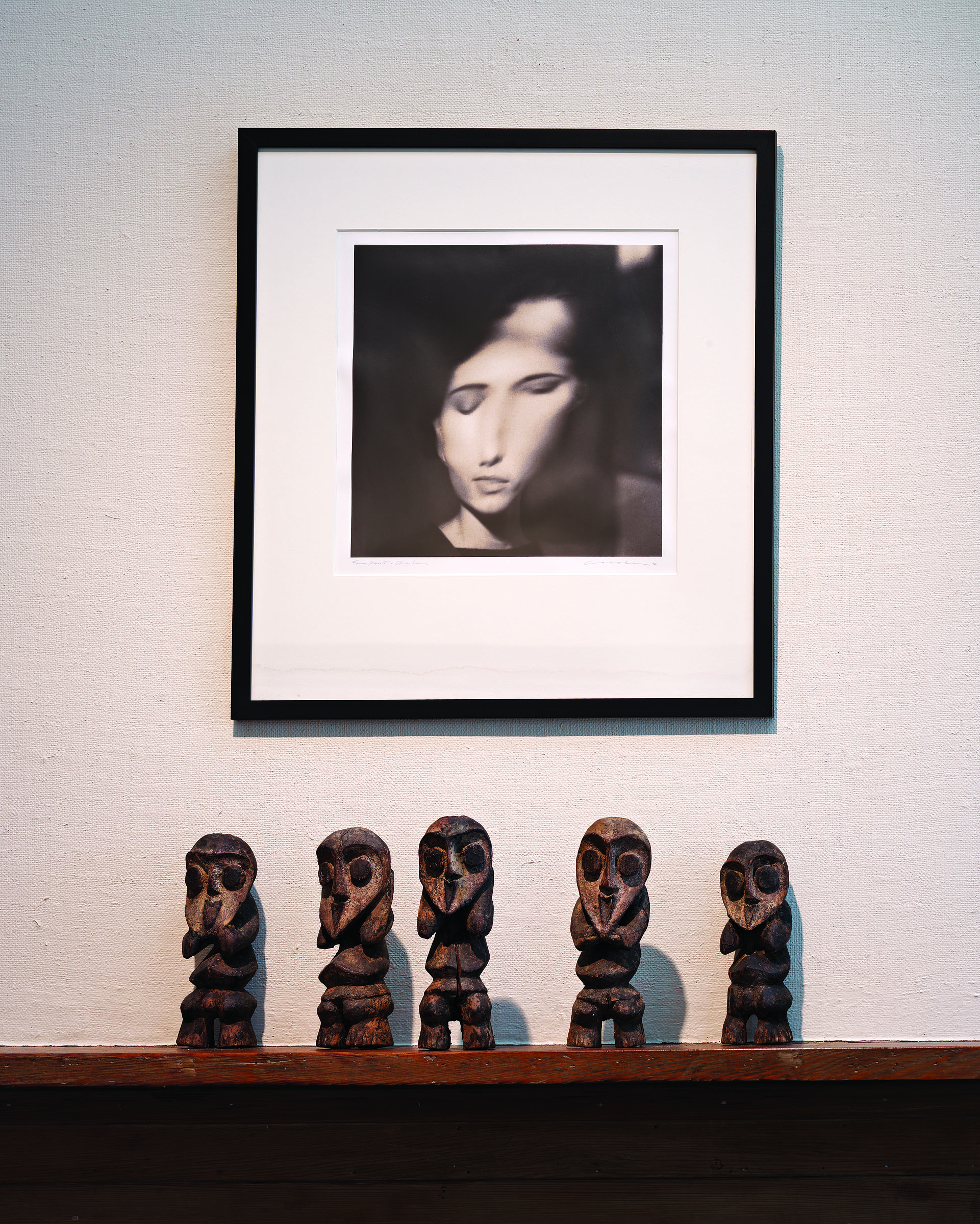
Photography by Richard Sexton | from The Magazine ANTIQUES, January/February 2013 | Africa feels close in New Orleans. You hear it in the blue notes and polyrhythmic drumming of jazz. You taste it in the okra-laden gumbos and rice dishes of the local cuisine. You see it in a host of tra­ditional arts, from the richly beaded parading costumes of …

How America found its face: Portrait miniatures in the New Republic

Editorial StaffArt

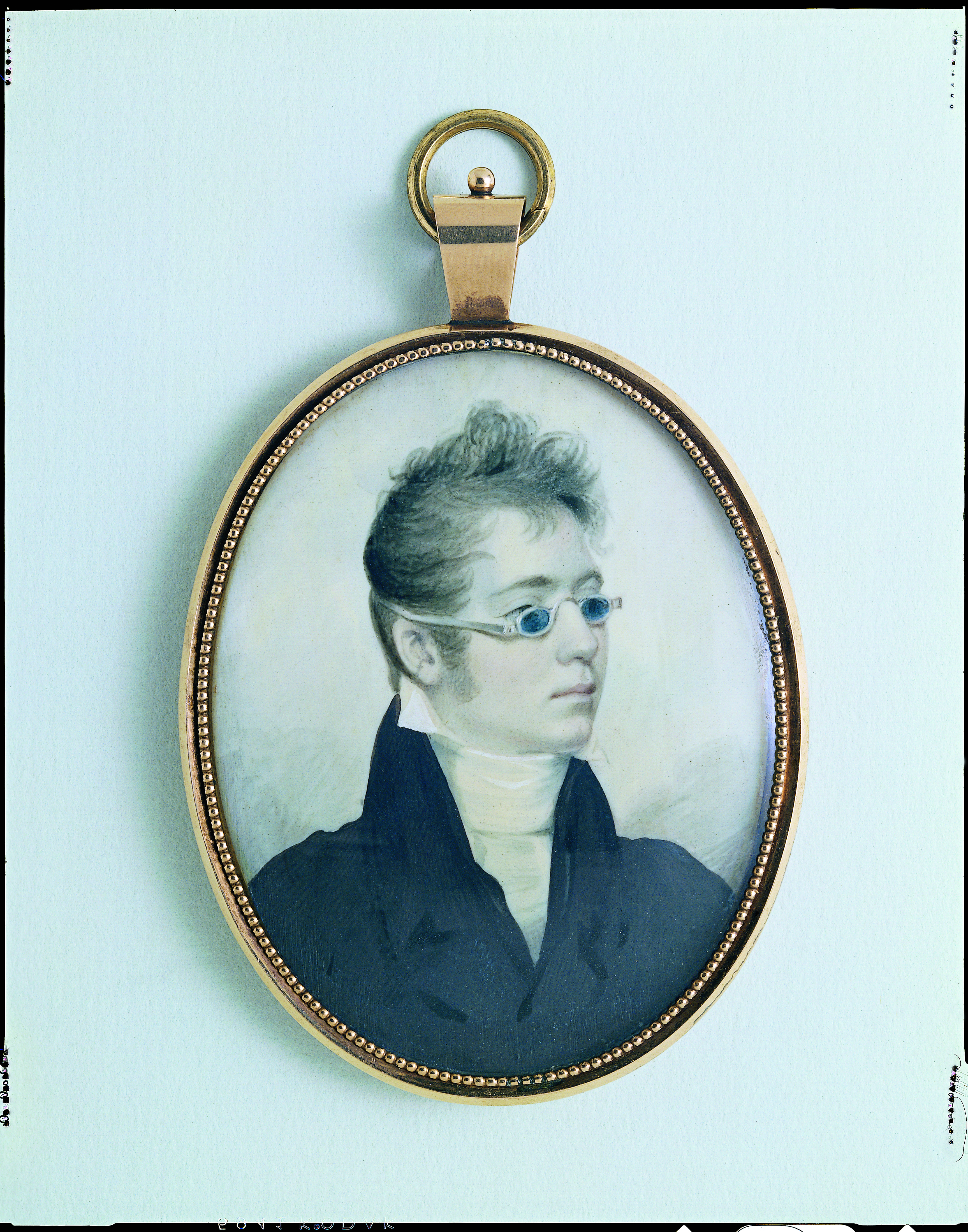
  By Elle Shushan; from The Magazine ANTIQUES, April 2009. The stunning events of July 1804 were almost unfathomable for the citizens of the new American republic. One Founding Father had fatally wounded another. Alexander Hamilton was dead and Aaron Burr  would be indicted for murder. The duel and its aftermath marked a turning point in American culture. Fig. 17. Thomas Cole …

Beyond moonlight and magnolias

Editorial StaffArt

from The Magazine ANTIQUES, September/October 2012 | “When I met Frank Horton and saw the Museum of Early Southern Decorative Arts in 1976, I put down the Confederate flag and picked up a chair leg. How much better to see the South through its art, to understand its identity through its achievements rather than through the sacrifice of war. Here …

Sparkle Plenty

Editorial StaffArt

from The Magazine ANTIQUES, July/August 2012 | Tinsel paintings are reverse paintings on glass with crinkled, embossed, or smooth metallic foil applied behind translucent and unpainted areas. The effect is one of shimmering highlights when caught in the reflection of candle- or gaslight. The use of other reflective materials such as mother-of-pearl led to tinsel paint­ings sometimes being called Oriental, crystal, or …