
Debbie Mathews LeRoy of Debbie Mathews Antiques & Designs in Nashville offers insightful, practical guidance on weaving antiques into modern interiors.
It is no secret that I have a weakness for antiques. In fact, the majority of my clients
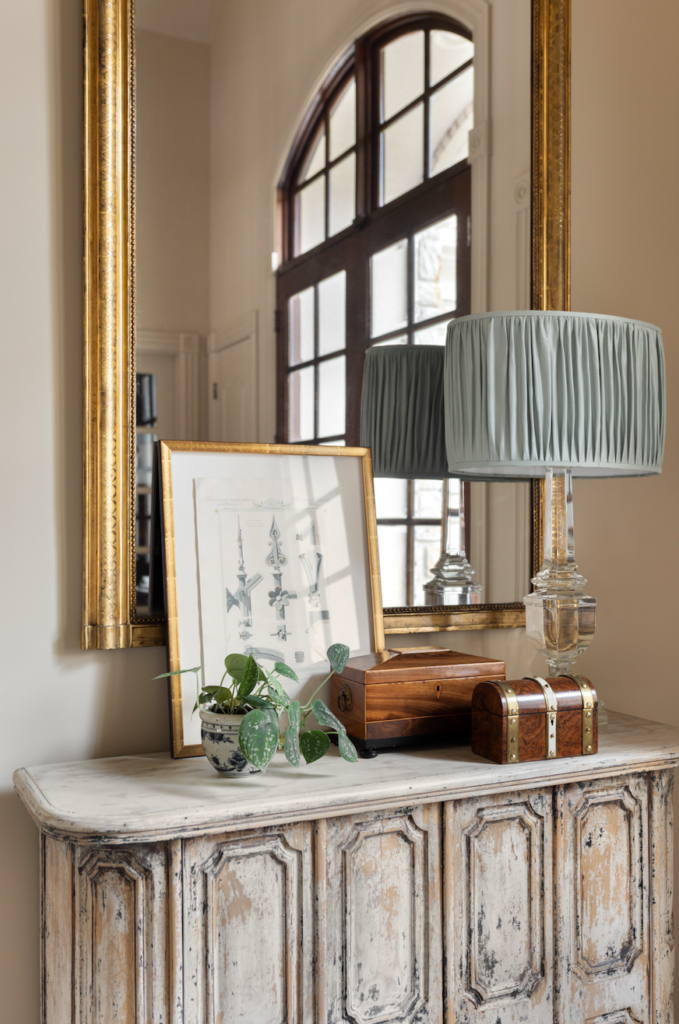
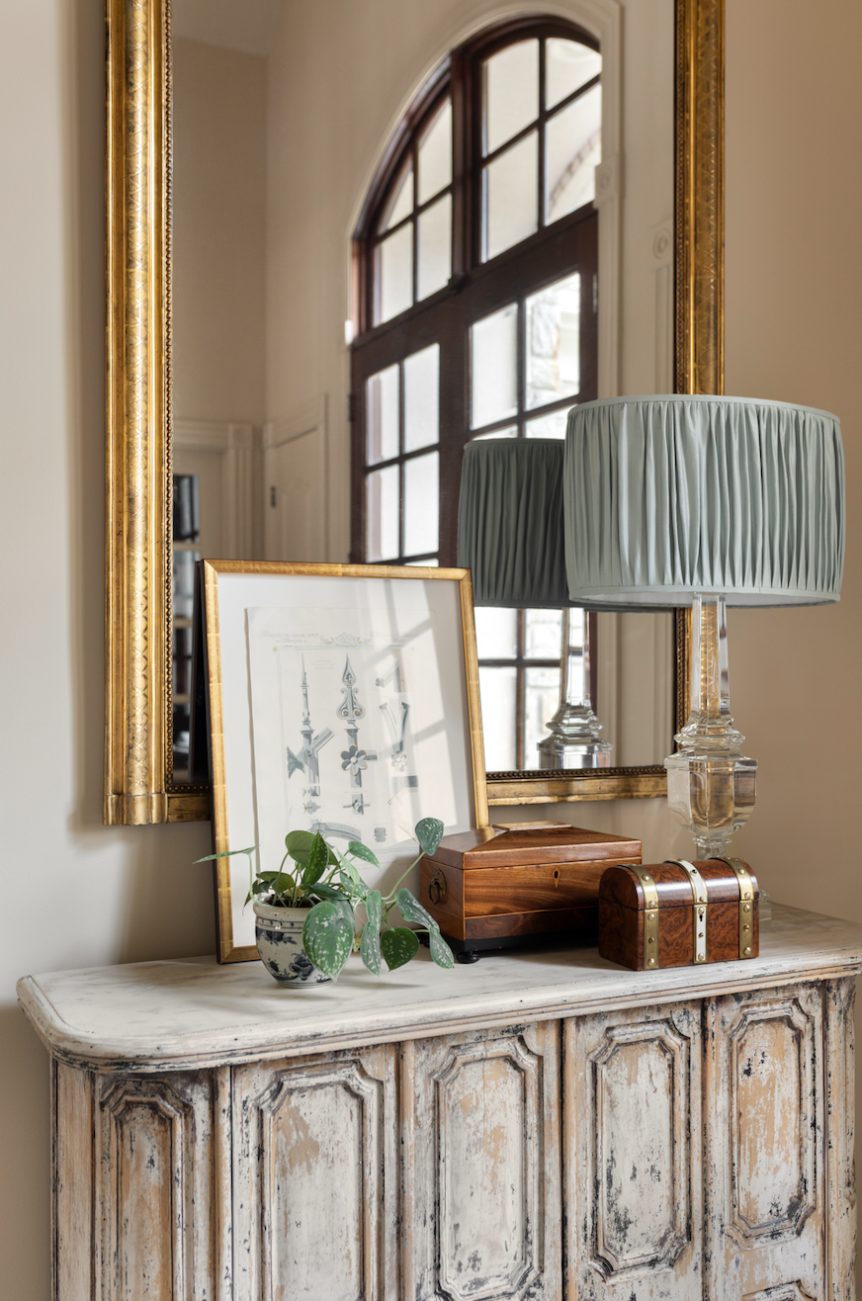
All interiors pictured were designed by Debbie Mathews Antiques & Designs. Photograph by Caroline Sharpnack.
seek me out because of my ability to mix old and new in homes — it’s a hallmark in all my designs. While a curated look might be the goal, the actual execution can be tricky and does take some mastery. But it’s not impossible. You can use antiques in your home without it feeling like a museum: no need to stick to one time period or style.
In my opinion, the best spaces are all about contrast. Infusing antiques into a room largely decorated with modern pieces creates layering. Patinas and chips do not detract, either—they add to the charm. This communicates that the furnishings and details have been collected over time, not just purchased all at once. Just like the saying “old needs new to feel alive, and new needs old to feel human,” both are important and counterbalance each other. Display your treasured vintage collection near your favorite contemporary art piece or showcase a contemporary lamp on an antique chest. Keeping these contrasting items in a few concentrated areas of your home will ensure the look is sophisticated, not cluttered. Pieces will play off each other, telling a story: your story. Plus, they are conversation starters!
If your goal is a curated look, and you want to strike the perfect balance, consider juxtaposition, tension, and interest. This is where I begin with every home I design. Keep in mind the 80/20 rule, which suggests that 80 percent of your space be one primary style, and the remaining 20 percent represent accents from the contrasting style. Embracing opposites is where the magic happens, but that’s not the only thing to keep in mind.
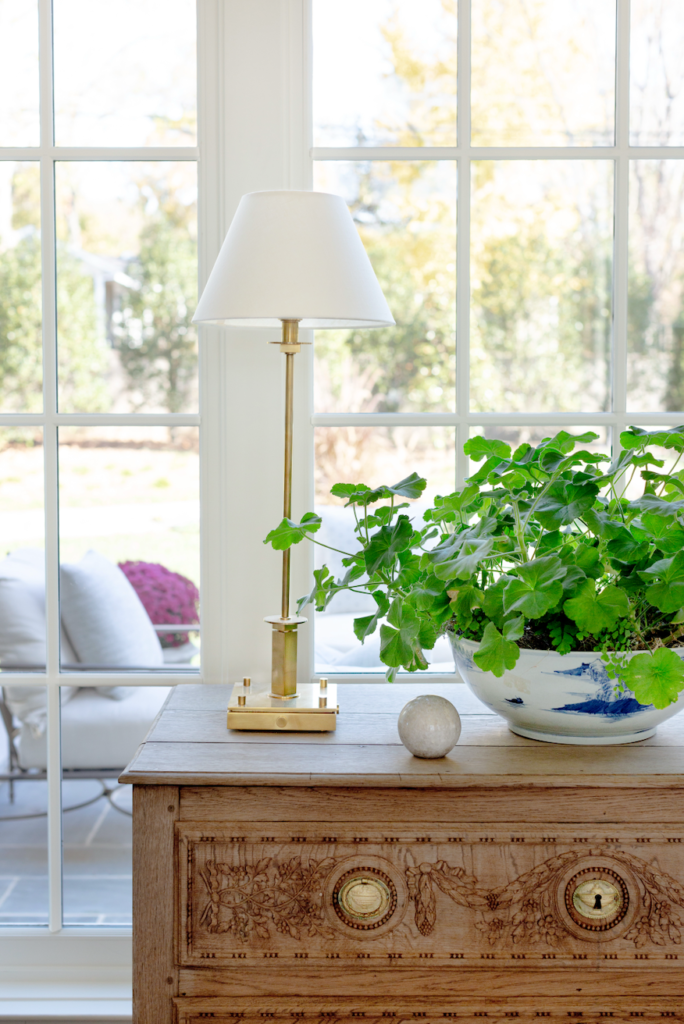
When refinishing or refurbishing antique pieces, consider thoughtful updates. When mixing old and new, the goal is considered, not chaotic. Reupholstering an antique furniture piece in a contemporary fabric is a great option. You might also add a vintage light fixture or mirror to a contemporary vignette. It’s incredible how adding just one antique can instantly change the energy in a room.
Achieve cohesion through unity. Group decorative objects, old and new, with shared qualities. For instance, accessories displayed together in a vignette that are all part of one color palette offers unity while adding visual interest. When mixing antiques with new pieces, a touch of the unexpected is always a good idea, but restraint is important.
When it comes to choosing antiques, we are lucky to have the whole of history from which to choose the pieces that speak to us. I have always had an appreciation for different time periods and styles, which translates to pieces that are unique, regardless of their provenance. To me, antique shopping is akin to a treasure hunt. You never know what you will find.
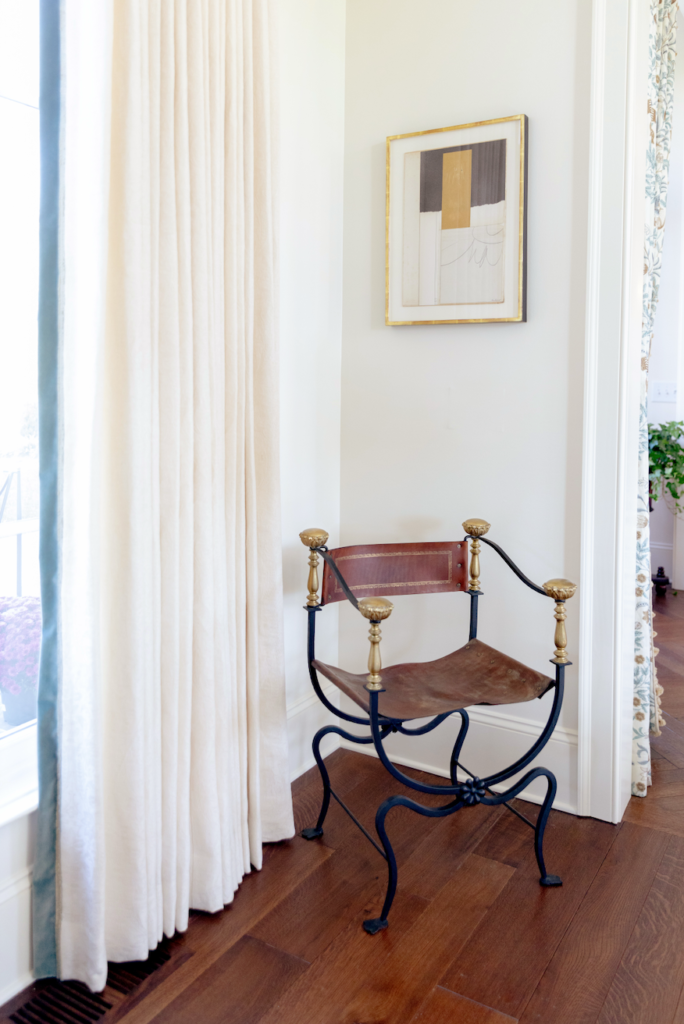
c. 2010–2020. Mitchell photograph.
At the end of the day, I believe the most important factor is to surround yourself with things you love. After all, our homes are where we find comfort and connect with others. The most enduring interiors are those shaped by genuine affection and discernment. When antiques are introduced with intention—considered for their scale, patina, provenance, and dialogue with contemporary pieces—they lend depth and narrative to a space. A carefully calibrated balance of old and new creates a dynamic tension: one that feels collected rather than decorated, layered rather than styled. In that thoughtful interplay, a home gains not only beauty, but soul.


