I’ve always had a soft spot for picture books. Not the kind from the children’s section of the library (although a select few will be forever favorites), but photography books. A good photography book lets you spend time inside someone else’s way of seeing. Page after page, you begin to recognize a photographer’s instincts—the moments they pause for, the things they notice, the people they chase after, and the compositions they can’t resist. It feels less like looking at photographs than borrowing someone else’s eyes.
That thought stayed with me after interviewing Robert Swope for my July/August Flea Bite column on found photography. Robert and his late husband, Michel Hurst, were the antiquarians who rescued a cache of anonymous snapshots from a Manhattan flea market that ultimately became Casa Susanna—a landmark photography book, exhibition, documentary, and Broadway play inspiration. Dealers by trade and lifelong collectors by temperament, Michel and Robert understood that forgotten things often have the richest stories to tell because there is room to add something new and bring something back to life.
Michel Hurst and Robert Swope were pioneers who fundamentally altered the landscape of 20th-century design collecting. As partners in business and life, they helped transform mid-century modern (MCM) furniture and antiques from overlooked, secondhand goods into highly coveted works of art, sought out by New York’s elite, including the photographer Robert Mapplethorpe. Photography had always been a great love in Michel’s life. Swope has described their decades in the antiques business as little more than a “thirty-year detour” from Michel’s photography career, suggesting that photography was never simply a side pursuit or passion project for Michel, but an essential part of his artistic identity.
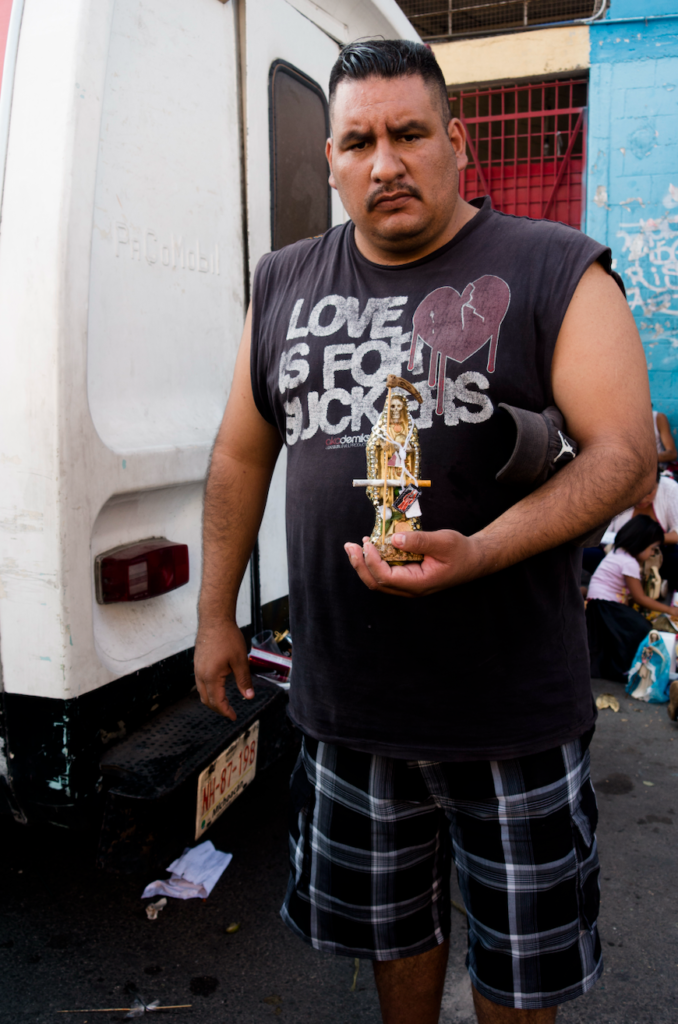
All images courtesy of Hunters Point Press.
When Swope and Hurst retired from dealing and settled in Mexico City, they pivoted their creative focus toward art and publishing. Michel returned to photography with the same dedication, curiosity, and discerning eye that had led him to extraordinary finds at flea markets and elsewhere.
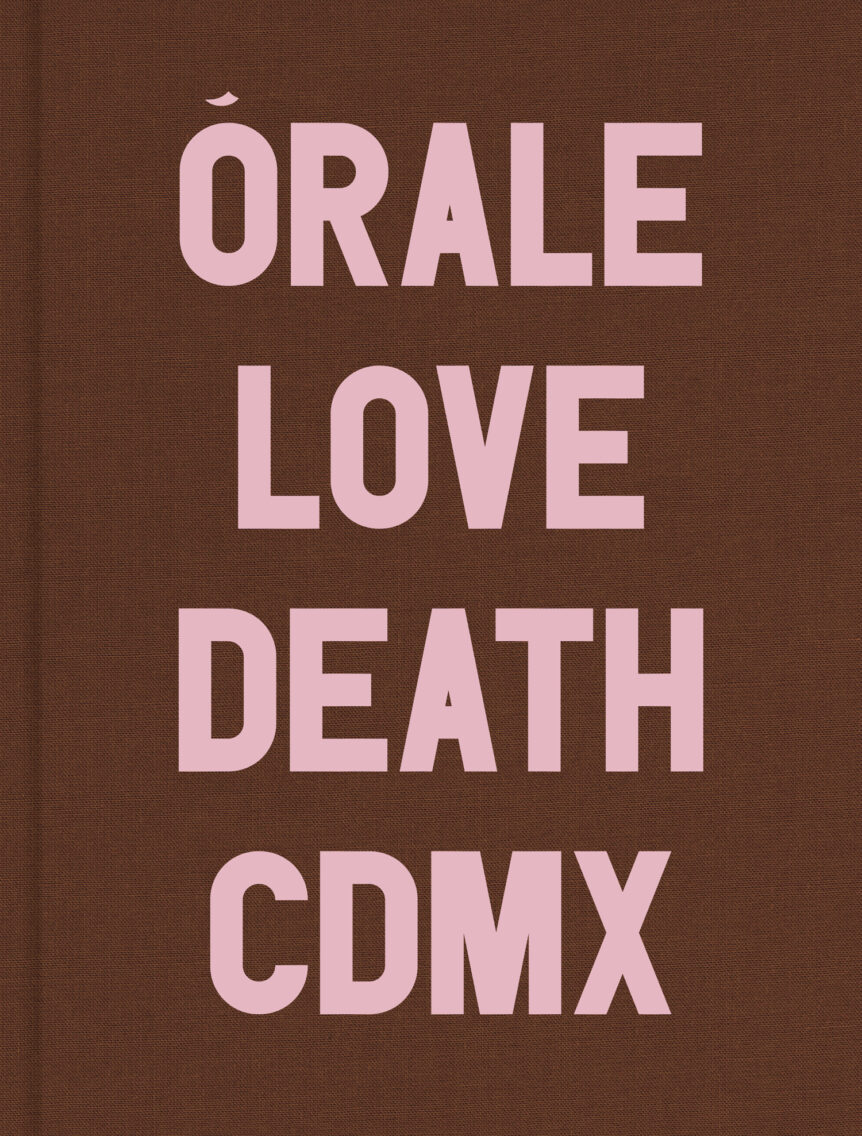
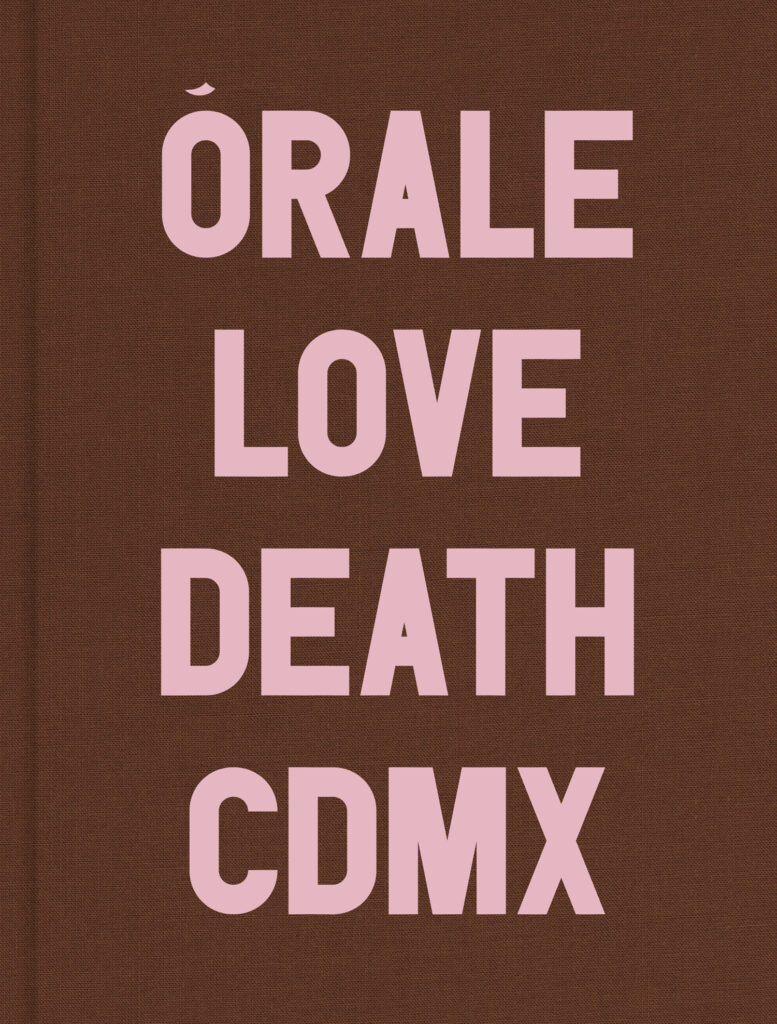
During our conversation, Robert mentioned a project close to his heart: the publication of Órale: Love and Death in Mexico City, a posthumous collection of Michel’s photographs. I had a feeling it would be special. It is.
The title itself feels fitting. Órale is a common Spanish expression without one fixed definition. Depending on the tone and circumstance, it can mean “okay,” “alright,” “wow,” “hurry up,” or “come on.” Like the word itself, Michel’s photographs invite interpretation.
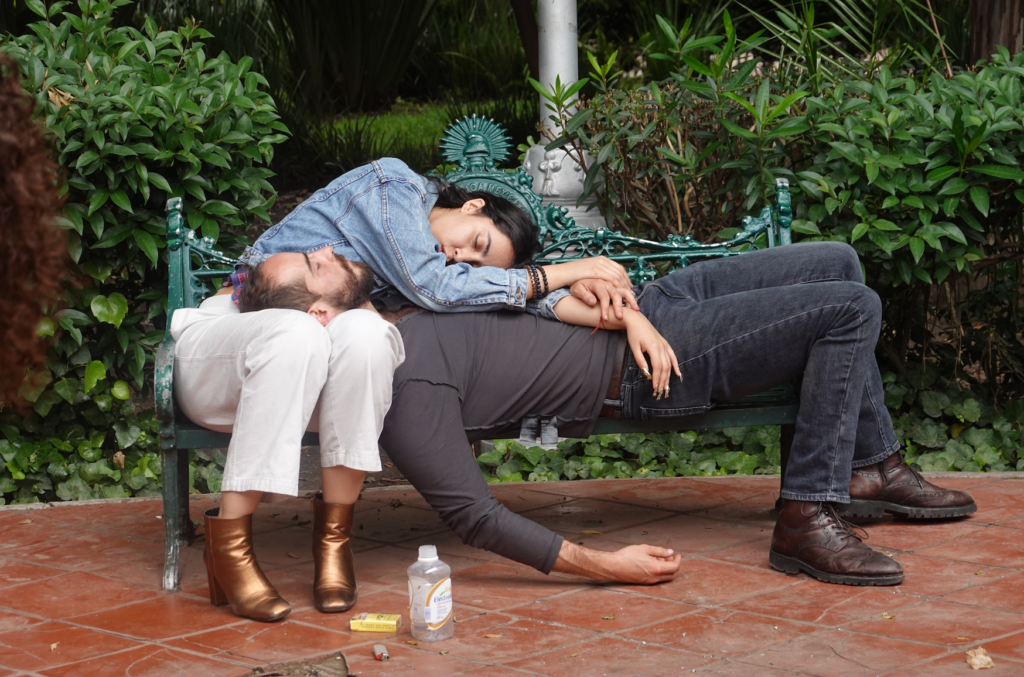
Published by Hunters Point Press and co-edited by Nan Goldin and Barney Kulok, photographers themselves, with an essay by New Yorker photography critic Chris Wiley and an afterword by Swope, the monograph gathers photographs Michel made during roughly eight years in and around his adopted home of Mexico City. The intimate street scenes move between celebration and solitude, devotion and desire, hardship and joy. Religious iconography sits beside moments of quiet homoeroticism. Festival crowds dissolve into solitary smoke breaks. A presumed unhoused man sleeps on a mat beneath a shower of fallen purple blossoms. A couple slumps into one another on a bench during an afternoon siesta, a pack of American Spirits, a lighter, and an empty electrolyte bottle resting nearby. Did they have too much fun the night before, were they exhausted by the heat, or were they simply enjoying shared stillness? We’ll never know. It’s up to the viewer to create their own narrative.
That, perhaps, is why photography feels so deeply connected to the world of antiques. Collectors spend their lives rescuing objects that have outlived their original moment. A chair falls out of fashion. A painting changes hands. A family album ends up in a tired cardboard box. We pick these things up not simply because they are beautiful or rare, but because they still have something left to say. We become caretakers of stories that might otherwise be forgotten.
Photographs ask something similar of us. They preserve not what someone owned, but how they saw. Every frame is a decision. Every image is a moment someone believed was worth keeping. If life is a motion picture, a photograph is a still pulled from the reel—the instant a person chose to hold onto before letting the world continue spinning.
It’s hard to top the feeling of closeness a photograph provides between photographer and viewer. We get to know photographers in a way words perhaps cannot describe. Their curiosities, instincts, sense of humor, empathy, and the details they deemed worthy of attention are all there.
By keeping Michel’s final promise—to “get my photographs out into the world”—Robert has done more than preserve his husband’s art. He has allowed Michel’s perspective to continue traveling. The photographs have left one person’s hands and entered another person’s memory, becoming part of someone else’s visual reel.
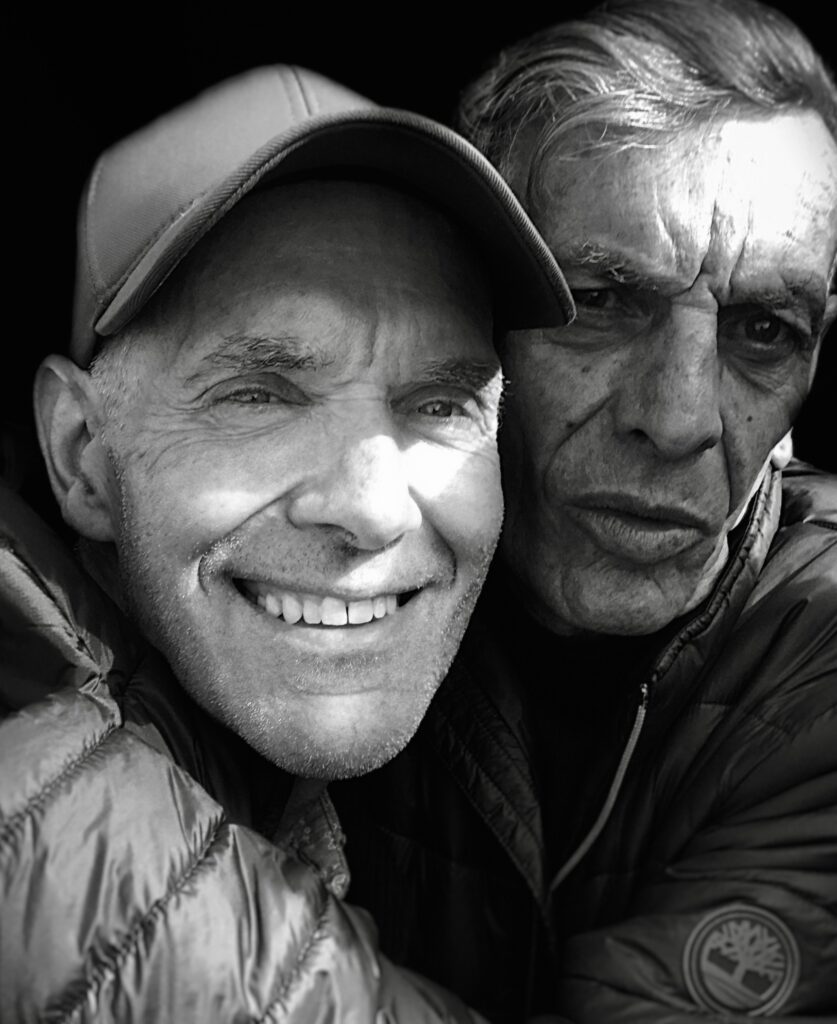
In that sense, Órale feels especially fitting for this issue’s theme of “ghost chasing.” Not because it dwells in loss, but because it demonstrates one of the gentlest ways we keep people with us: through the things they made, the objects they loved, and the perspectives they leave behind.
Bound in rich brown linen with playful pink type and heavy weighted pages holding blown-up snapshots you come face-to-face with, the book possesses the quiet confidence of an object meant to endure. It’s beautiful to hold, but even more rewarding to revisit.
Órale is more than a remarkable monograph. It is a love letter, a promise kept, and a reminder that one of the greatest inheritances another person can leave us is the chance to see the world through their eyes, even if it’s only a peek.


