A landmark semiquincentennial collaboration unites two Philadelphia museums and a storied private collection to explore American art, identity, tradition, and change.
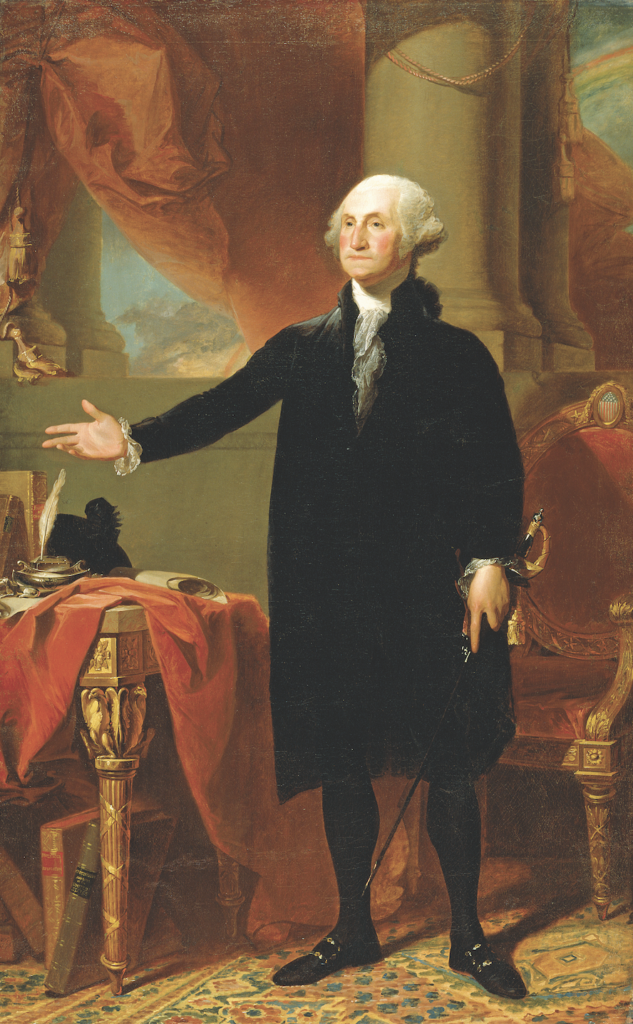
Pennsylvania Academy of the Fine Arts, Philadelphia, bequest of William Bingham.
The 250th anniversary of the Declaration of Independence will see an extravaganza of American art in Philadelphia. A fresh survey of more than three centuries of the nation’s creativity will be hosted by the Philadelphia Museum of Art (PMA) and the Pennsylvania Academy of the Fine Arts (PAFA) in partnership with the Middleton family, holders of one of the country’s finest private collections. This unprecedented three-way collaboration promises a broad new look at American traditions in the visual arts.
The year 2026 will be a special celebration for both museums, as the PMA marks the centennial of its birth in 1876 and PAFA celebrates the refurbishment of its historic landmark building, designed by Frank Furness and George W. Hewitt, which opened in the spring of 1876 along with Philadelphia’s Centennial Exposition. The fair’s art gallery, Memorial Hall, one of the few buildings on the grounds built to outlast the exposition, became the first home of the Philadelphia Museum of Art, which focused at first on decorative arts and design. An affiliated school, modeled after London’s South Kensington Museum and School (now the Victoria and Albert Museum) to improve the quality of American design, was a key part of what was then known as the Pennsylvania Museum and School of Industrial Art. These origin stories explain the current strength of the decorative arts at the museum, just as PAFA’s splendid Furness building, built as a state-of-the-art facility for training painters and sculptors, defines the special character of its holdings and the different approach of each institution in this anniversary year.
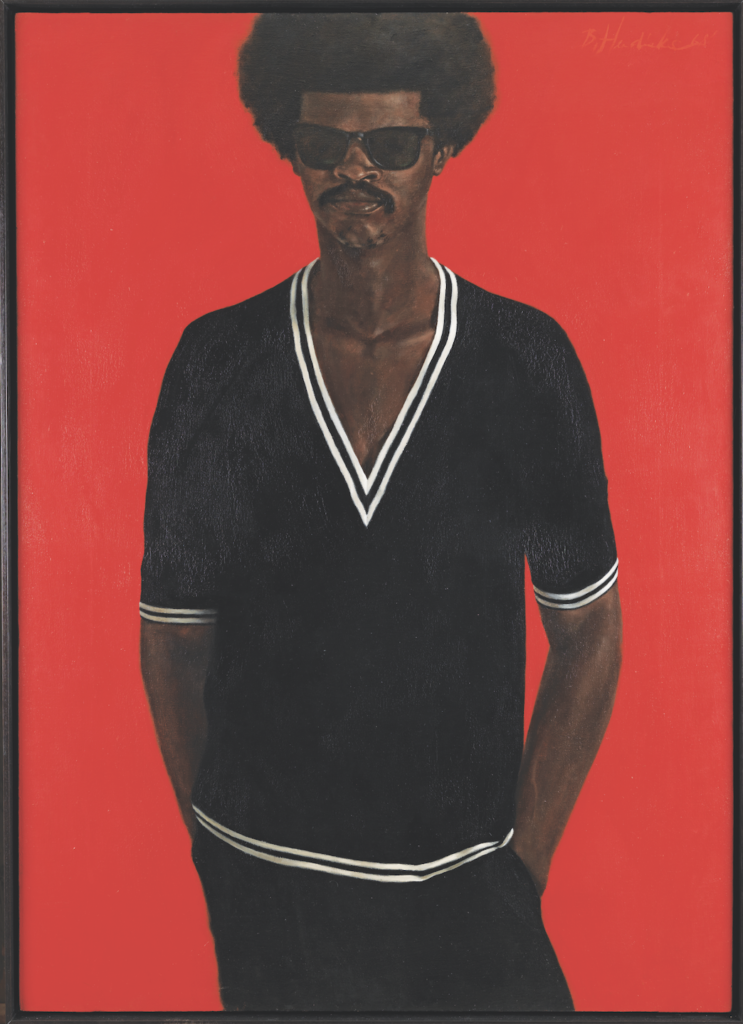
The two curatorial teams began conspiring in the fall of 2024, mapping out installations that would be visually different at each institution and yet conceptually united by shared themes. At PAFA, the renovation of the Furness building inspired the thrust of its story, which will focus on its role in the collecting of contemporary art (beginning with its foundation in 1805) and the impact of that collection and the teaching practice of the school on generations of American artists. The installation will link past and present, pairing iconic paintings like Winslow Homer’s Fox Hunt with contemporary landscape and nature subjects, or setting grand manner portraiture by Gilbert Stuart against modern figure painting by Barkley Hendricks. Such unexpected juxtapositions will call to mind the tradition of such subjects and the changes over time, driven by the swelling ranks of previously underrepresented artists. PAFA’s strengths in the work of women artists, reaching back to the era of Mary Cassatt and now enlarged by the Linda Lee Alter Collection, and its strong survey of the work of Black artists has more recently been expanded by the acquisition of work by contemporary Native American artists.
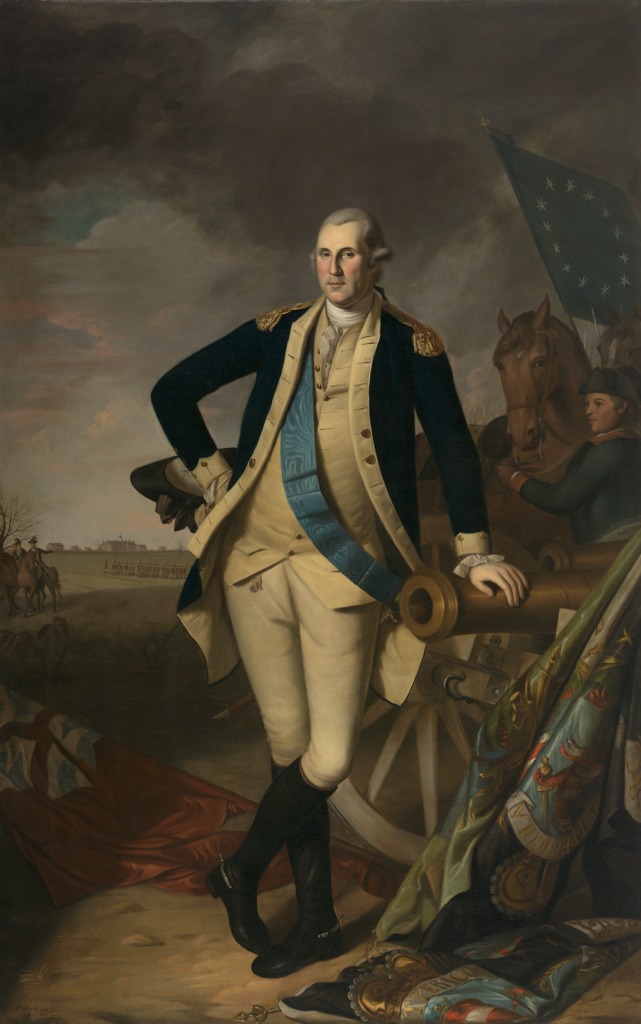
The strategy at PMA differs from PAFA’s and aligns with the campaign of reinstallation that has been ongoing for years. The first suite of new galleries opened in 2021 as part of a major renovation spearheaded by architect Frank Gehry. Eight beautiful “Early American Galleries” were created on the first floor, surveying art from about 1650 to 1850. Rolling in a chronological narrative, these galleries highlight the museum’s strength across mediums, including painting and printmaking, furniture, silver and other metalwork, porcelain and other ceramics, textiles, and glass. A few “vignettes” re-create period ensembles that give a sense of historical context. For the first time, a gallery was dedicated to the museum’s comprehensive collection of the Peale family. In addition, the curators and educators gave new strength to the stories of African American artists, of women as artists and patrons, and of Native American and Latin American artists. The opening gallery begins with Lenape portraits and the legendary Penn Treaty wampum belt, acknowledging the first people of the Delaware Valley. Nearby, Latin American paintings and silver open up the story of our neighbors, trading partners, and rivals to the south. For 2026, these galleries will be refreshed with important loans from the Middleton Family Collection, including decorative arts and Charles Willson Peale’s iconic George Washington.
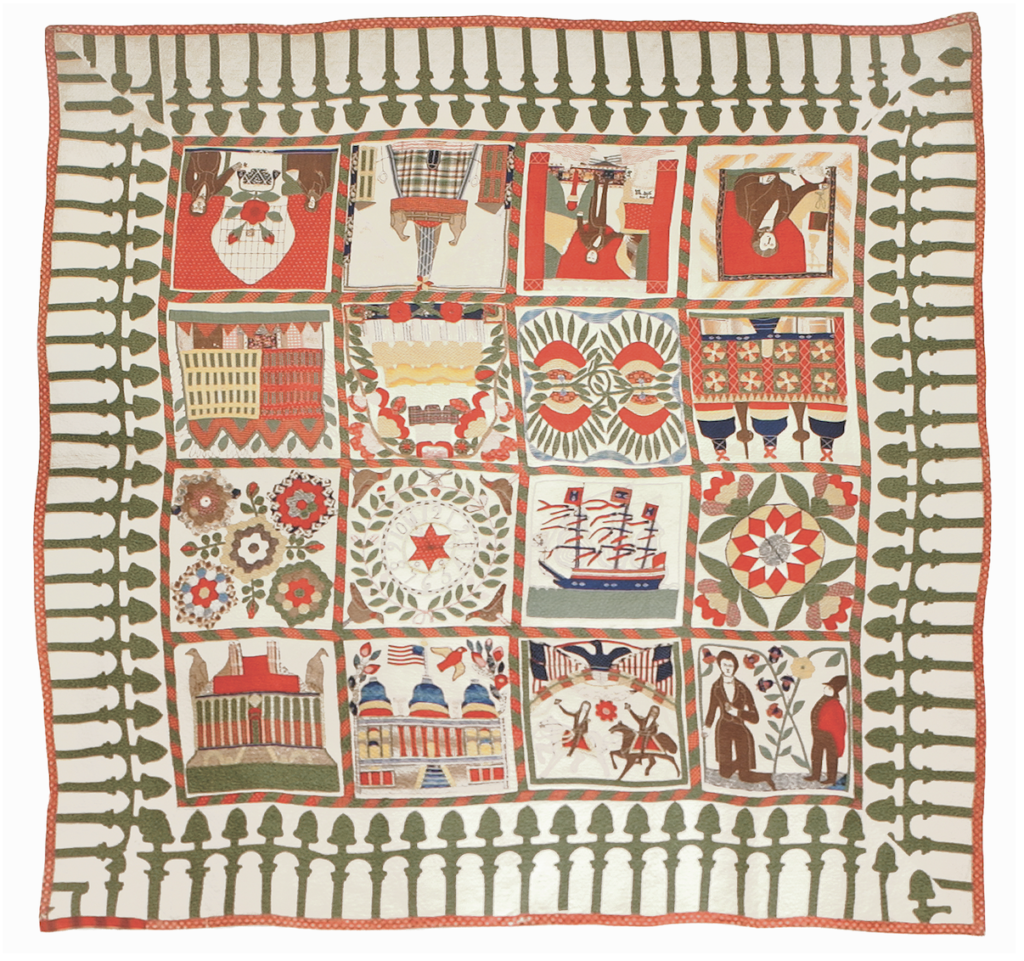
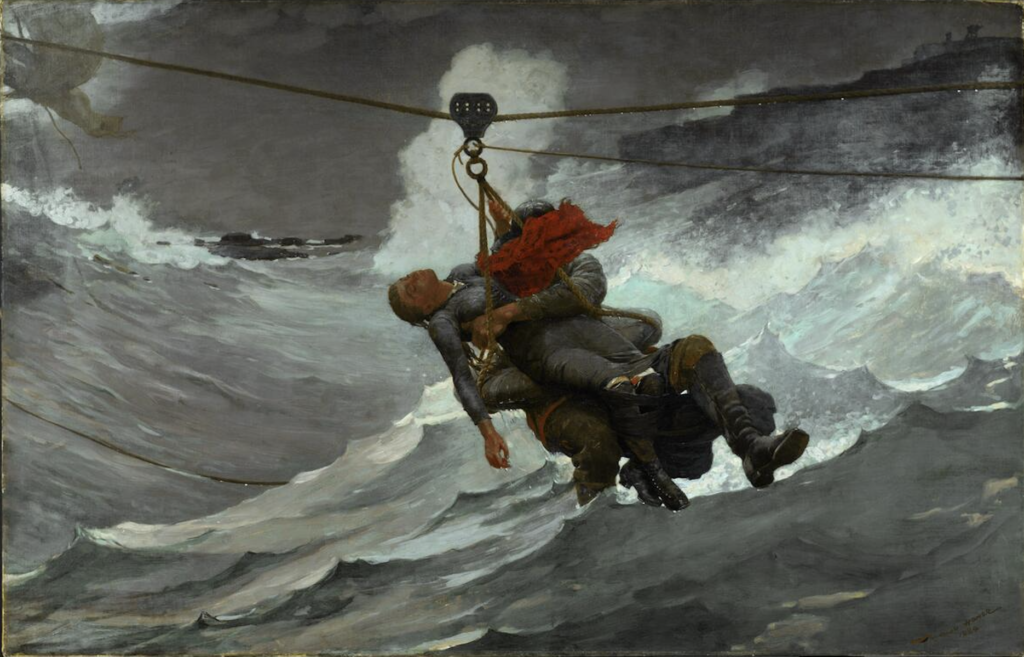
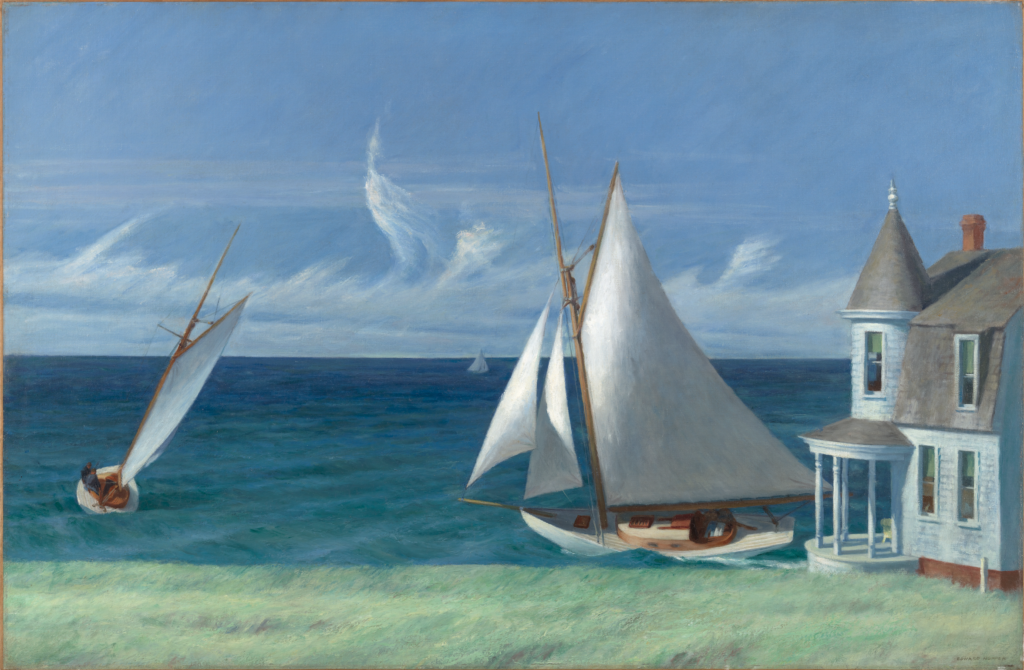
Efforts to present a broader and more inclusive story of American art, focusing on themes of craftsmanship, technical innovation, immigration, and global exchange are continued in new galleries on the second floor that survey art from about 1840 to 1960. The narrative will continue to be chronological, integrating objects in many mediums to give a sense of changing period tastes, and with overarching themes that connect the objects in each gallery to one another and to thematic installations at PAFA. Once again, Native American work will lead off, introducing the idea of “A Nation of Artists.” The theme of the education of the artist, told at PAFA from the perspective of the tradition of European fine art academies, will enlarge here to consider the many ways Americans learn to become artists. Pueblo potters typically learn at home, from women in their family, as shown by a mother-daughter pair of Acoma artists Frances Torivio and Wanda Aragon. Others learn on the job, like Winslow Homer, who was apprenticed to a commercial lithographer and got an education as an illustrator working for Harper’s Weekly. Homer’s The Life Line, one of the museum’s best-known American paintings, will be seen alongside one of his Harper’s illustrations. Also in this gallery will be sailors’ scrimshaw, women’s quilting, Pennsylvania German ceramics and sculpture, and the work of as-yet-unidentified artists who created for their communities or their own delight, as in the face vessels made by formerly enslaved potters in South Carolina. At the center of the gallery is a carousel horse by Daniel Müller, who applied his academic training at PAFA to revolutionize the popular art of carousel carving. Such crossover talent represents the diversity and fluidity of both learning and making art, suggesting that American artists are everywhere, and there is not just one kind of artistry or a single narrative of “American art.” At a deeper level, this display engages the history of what (and why) museums collect. Strategically, it is also an attempt to dismantle categories like “folk,” “fine” and “self-taught” to find value and kindred themes in diverse works.
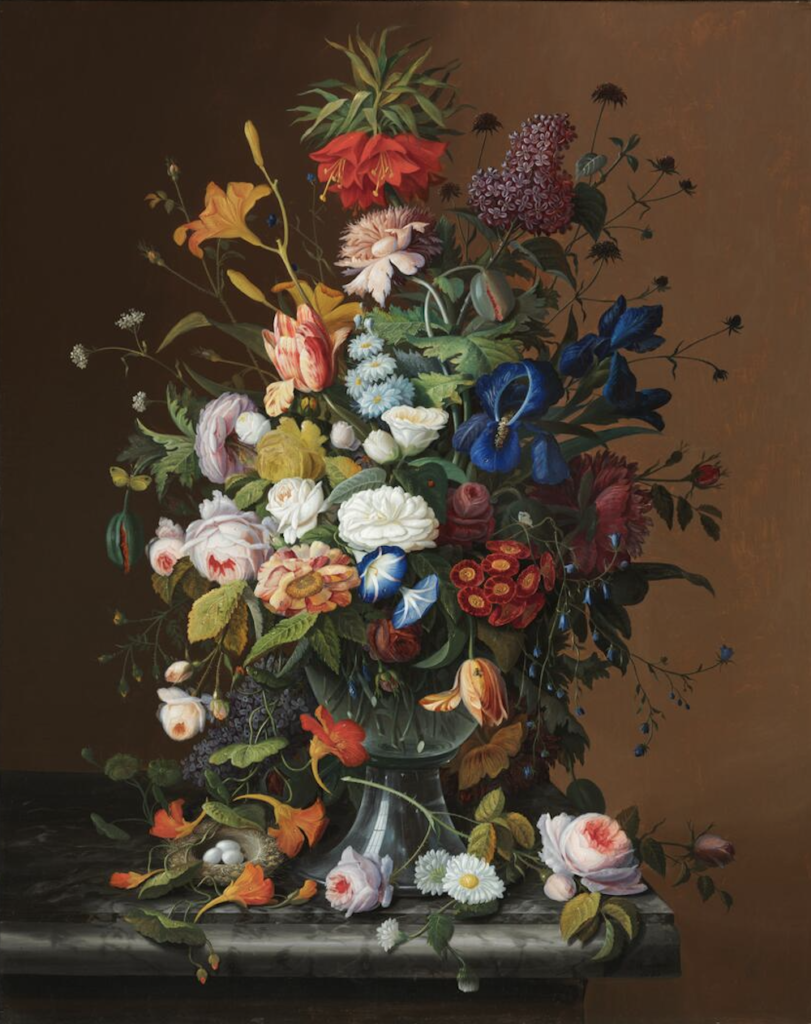
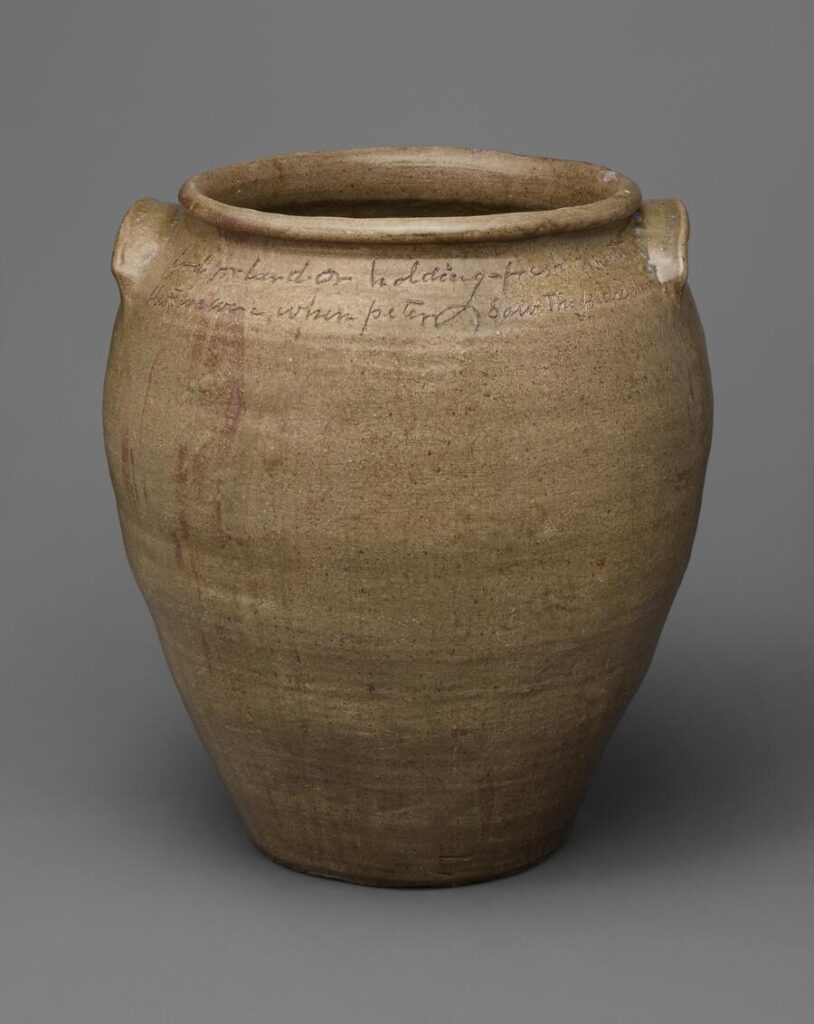
Although both PMA and PAFA foreground artists as core to the mission of an art museum, deep social and economic issues will be touched on by installations that include provocative pairings. The first gallery in PMA’s progress through the nineteenth century will be titled “Prosperity, Abundance and Inequity,” a space dominated by an installation suggesting a mid-century parlor. Severin Roesen’s explosive Still Life with its supernatural vase of flowers from three seasons, will embody the effusive aesthetic embraced in a period of prosperity for the American middle and upper classes. Visitors can revel in the historical revival styles seen here that flamboyantly reimagine the rococo and Gothic in furniture, ceramics, silver, and glass. The foundation of this prosperity, however, was the slave economy represented by the museum’s monumental storage jar by David Drake, which will hold the center of the gallery. Ornamented with a Biblical verse, Drake’s austere and muscular jar demonstrates his strength, literacy, and spirituality; it may well have been in the kitchen or cellar of a home with the ornate parlor arts and sentimental genre paintings that encircle it.
A similar dialectic will be experienced in “Nature and Nation,” a celebration of the American landscape and a consideration of how nineteenth-century attitudes have shaped American art and history. Installed in the mode of a picture salon in the home of a wealthy collector, the gallery will evoke the ambiance of the early Gilded Age. Important loans from the Middletons will contribute to the story of American identity inspired by the beauty and richness of the new nation. Sensing that the divine was encountered in nature, American artists studied and depicted landscape in reverent detail. Spiritual renewal and a sense of national pride flowed from this experience, captured in the paintings of the Hudson River school, the country’s first native movement in the visual arts. The romantic thrill of wilderness as well as the satisfaction in its conquest had political ramifications: compared to the corrupt countries of Europe, the United States was seen as having a tabula rasa upon which it could inscribe the forms of its revolutionary new democracy. The vastness of the continent and seemingly endless natural resources gave the first settlers a sense of promise and God-given opportunity, leading in the 1800s to the concept of Manifest Destiny—the right of the new government and its citizens to rule from sea to sea. Dislocated in this plan were the Indigenous inhabitants of North America, who appear in the paintings and sculpture of this period as “vanishing,” if they are seen at all.
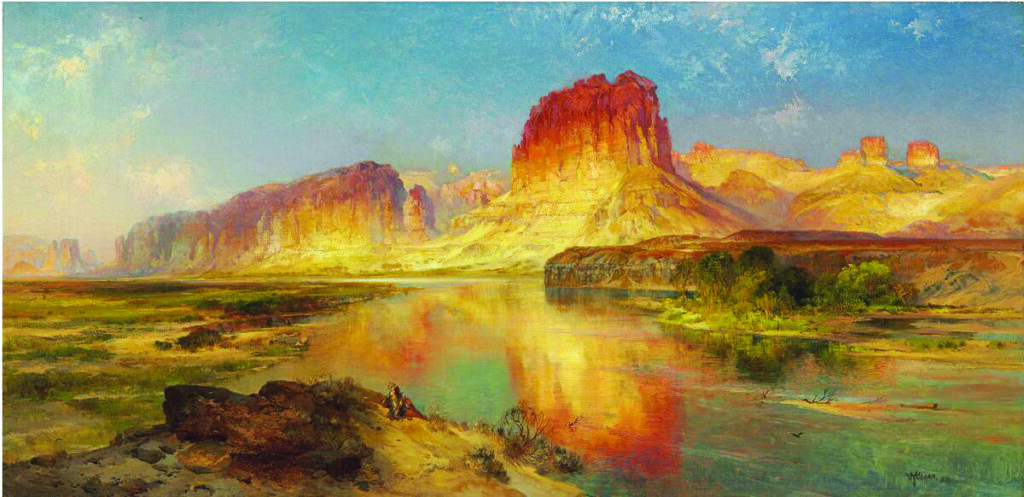
Middleton Family Collection.
A Native American counterpoint appears in the adjacent “Crosscurrents” gallery, which explores the response of Indigenous cultures to colonial settlement and the evolution of Indigenous modernisms based on traditional culture. PMA has never deliberately collected Native American art, having conceded the field to the University of Pennsylvania’s Museum of Archaeology and Anthropology. Nonetheless, collections arrived over the decades, particularly southwestern weaving and ceramics and Northwest Coast works in wood and metal. Many of these objects will be on view for the first time, interpreted with the guidance of tribal advisors who helped select, catalogue, and write labels in collaboration with the American department’s Barra Fellow in American Art, Julia Hamer-Light. This gallery will introduce stories of dislocation, resilience, and creativity as new mediums and new markets opened to the Indigenous nations within the United States.
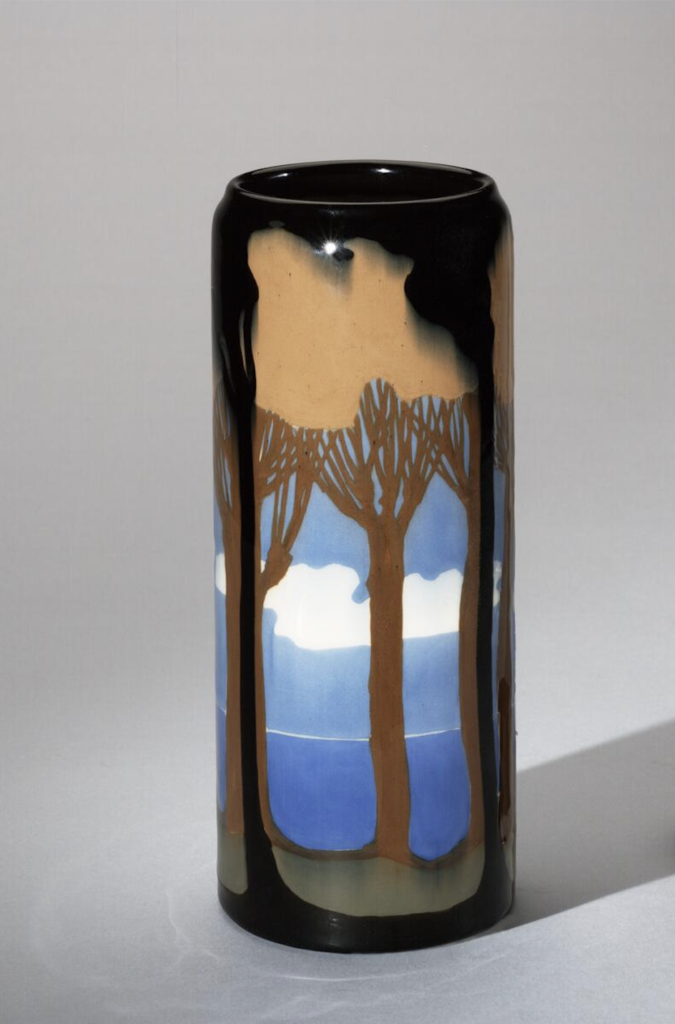
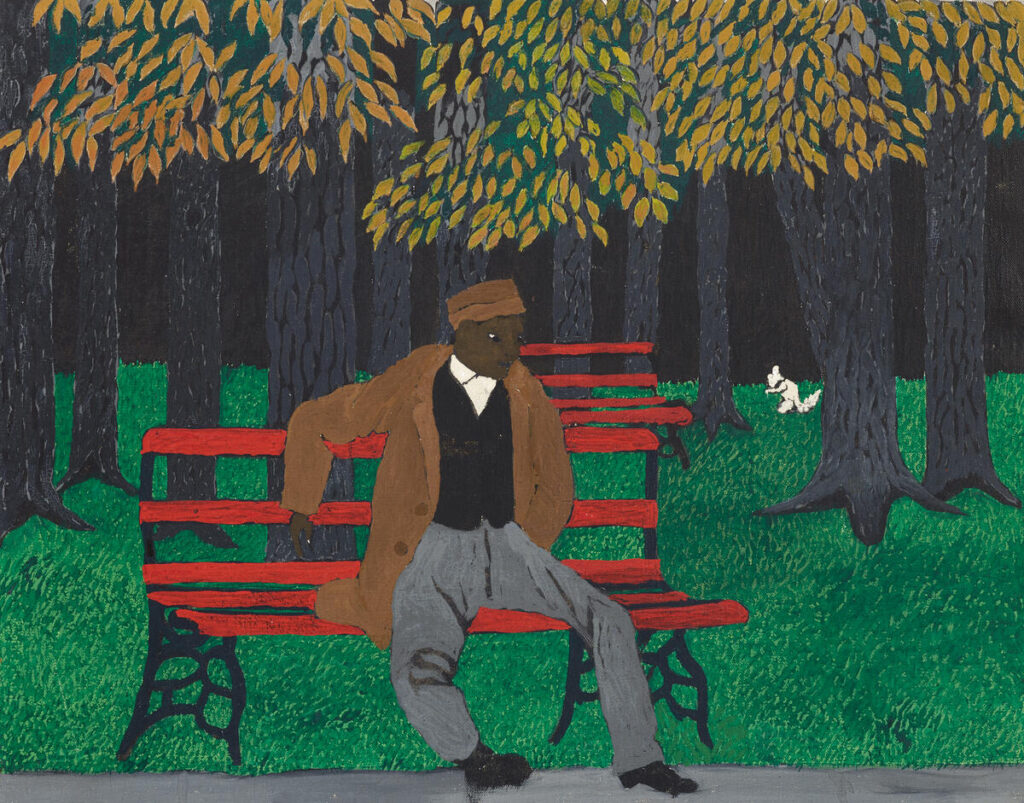
It will serve as a link between the earlier landscape salon and a space that explores the response of modern artists to the themes of nature that remained powerful to American artists in the twentieth century. No unanimity of style appears here, as ideas learned from European modernism and American folk art inspired subjective approaches, often showing expressive color and texture. Realists such as Edward Hopper and Andrew Wyeth will be seen alongside more abstract painters such as Marsden Hartley, Georgia O’Keeffe, and Horace Pippin, while the artists of the Rookwood Pottery brought modernized natural motifs into the decorative arts.
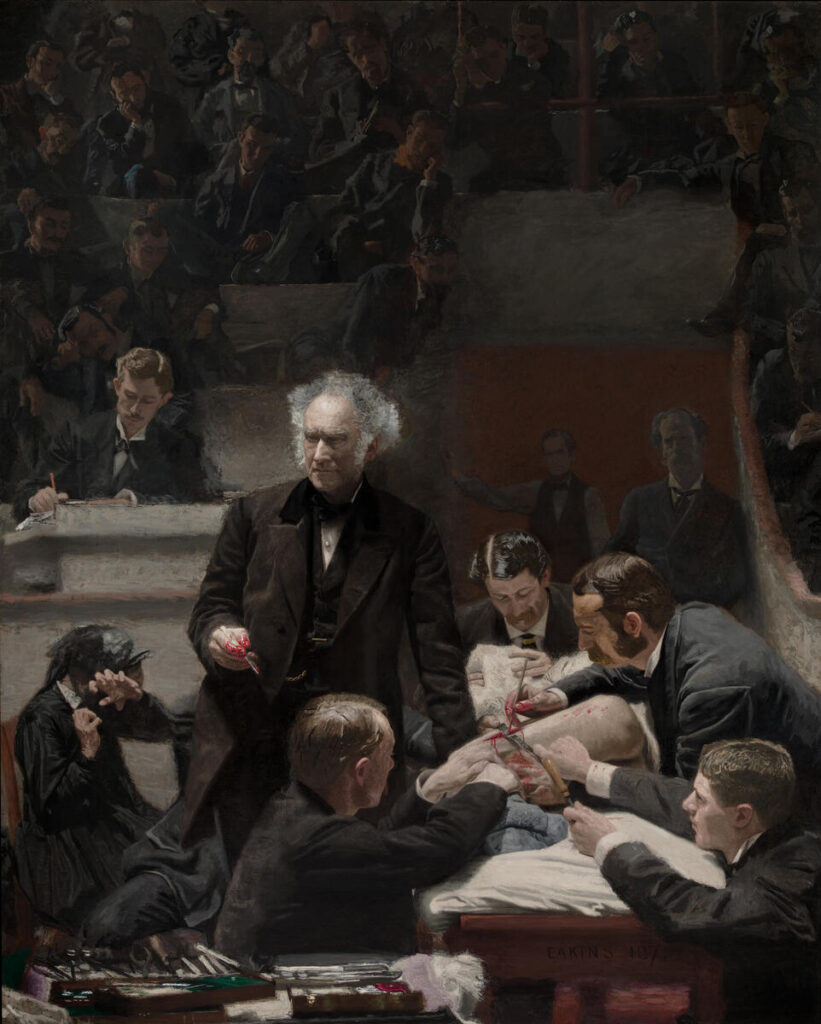
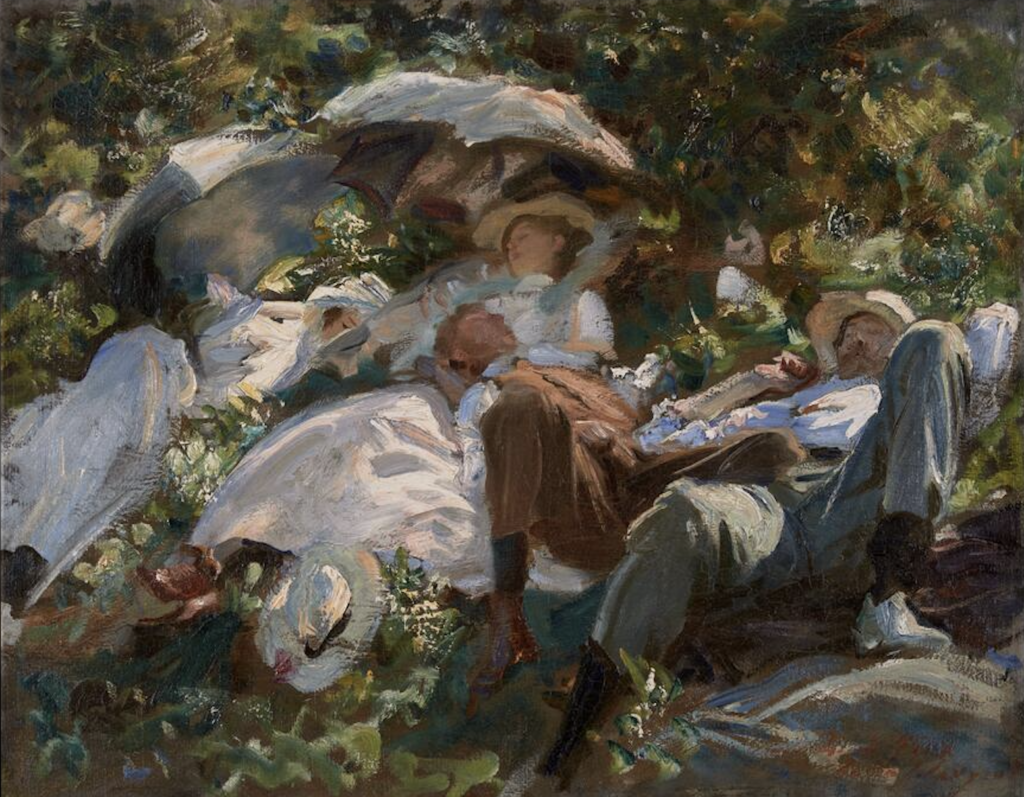
This range of experience follows the path broken by American artists who strode onto the world stage in the late 1800s, when training in Europe became the norm. The spacious gallery at the end of the “American Wing” was refurbished several years ago to be a showcase for Thomas Eakins’s monumental The Gross Clinic and work by his cosmopolitan contemporaries—Mary Cassatt, John Singer Sargent, Henry O. Tanner, James McNeill Whistler—who studied and exhibited in Europe.
The jointly-owned Gross Clinic will shift to PAFA now, but the theme of the great international exhibitions—the Paris Salons, the World’s Fairs—as marketplaces of ideas, styles, and patronage will continue to inspire the installation. A new presentation of the museum’s famed Eakins collection will appear in the adjacent gallery, paired with the work of his students and admirers at PAFA, such as the circle of Robert Henri, John Sloan, and William Glackens, who pioneered urban subjects that perpetuated Eakins’s commitment to the observation of modern life. Their work joins modern rural landscapes by Edward Redfield and the painters who gathered in Bucks County as the New Hope school. The transition from realism to impressionism, as brighter color and dashing brushwork replaced Eakins’s sober style, will be dramatically shown in spectacular loans from the Middleton Family Collection by Sargent, Childe Hassam, George Bellows, and others.
This modern narrative will continue in six new galleries that showcase PMA’s extraordinary strength in twentieth-century American art. The installation gathers figure subjects in a surrealist or visionary mode, personal stories, and the impact of abstraction, industry, and the machine aesthetic, seen across mediums. A final gallery of postwar painting and sculpture revisits the theme of the world stage, as American artists in the 1940s and ‘50s emerge as international leaders.
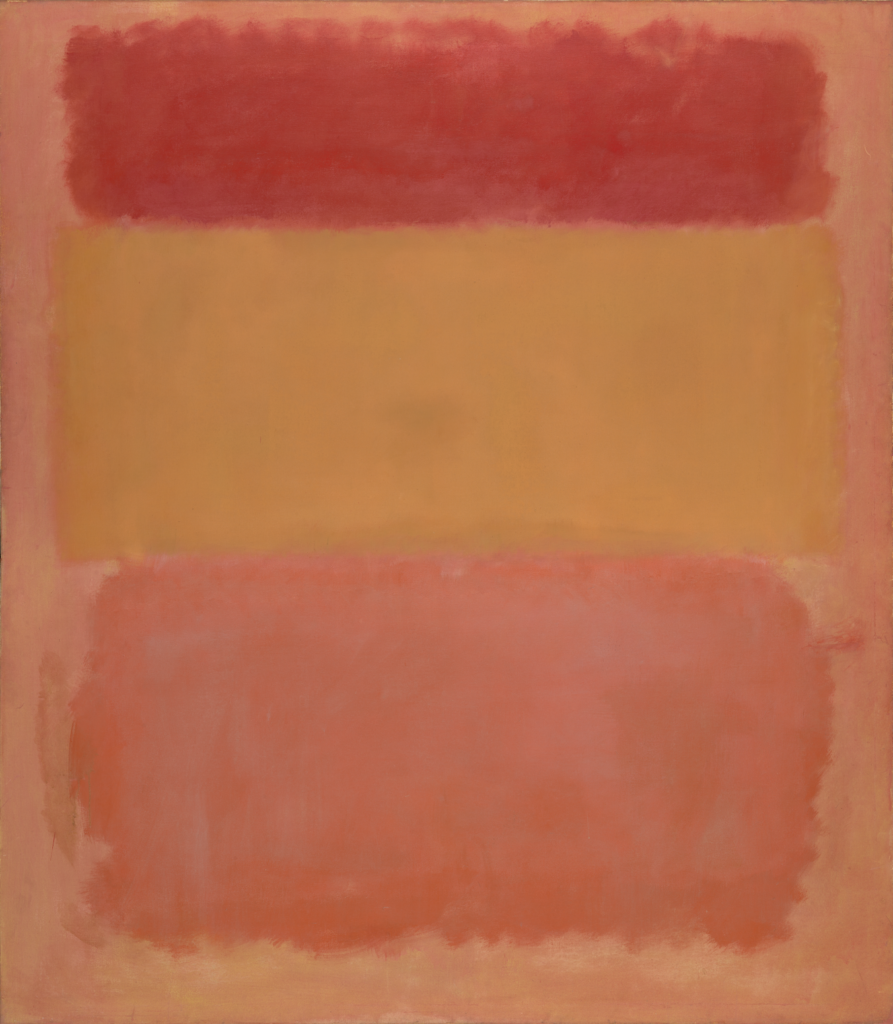
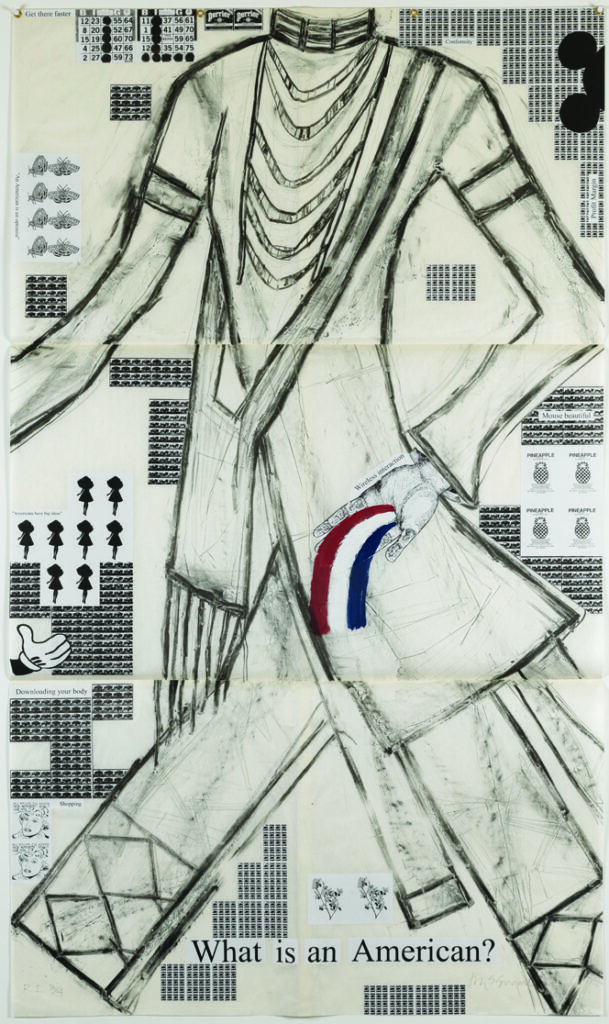
Revisiting the theme of immigrant contributions seen throughout the galleries, work by de Kooning, Hoffman, Krasner, Motherwell, and Pollock will be joined by a radiant painting by Mark Rothko from the Middleton Family Collection. The story will continue across the building in the Modern and Contemporary galleries, where Jasper Johns’s epic According to What, also from the Middletons, hangs among more recent work. Down the parkway at PAFA, the contemporary story will unfold, highlighting mid-century loans from the Middletons alongside recent acquisitions of new work by women, African American, and Native American artists. Together, the two installations will present a sweeping and stimulating new look at American creativity across three centuries. They will be accompanied by a guide that includes a brief history of all three collections along with a timeline of major moments in Philadelphia’s art history.
Ed note: The collaboration with the Middleton Family Collection will be on view at PMA until July 5, 2027, and at PAFA until September 5, 2027.
KATHLEEN A. FOSTER is the Robert L. McNeil Jr. Senior Curator and Head of American Art, and director of the Center for American Art at the Philadelphia Museum of Art.


