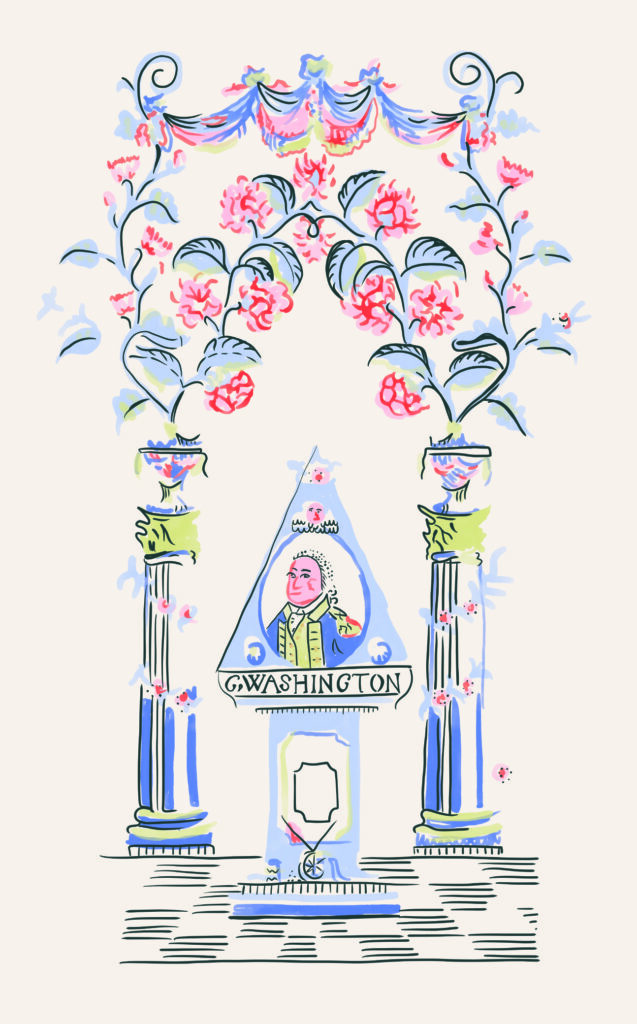
On the occasion of the United States Semiquincentennial, the Crystal Bridges Museum of American Art’s curatorial team took a unique approach by mounting an exhibition that is both non-partisan and politically literate. Works made between 1776 and 2026 are organized into thematic sections, each anchored by a lead object that we consider a witness to—and therefore a document of—history. In the entry room, bright strawberry-red wainscotting borders extravagant wallpaper, welcoming visitors to America 250: Common Threads. The wallpaper is our 2026 version of a nineteenth-century scrap made for the colonial revival but reused often during the twentieth century. The repeating design includes an obelisk framed with fringed drapery held up by flourishing botanicals and European columns, dramatizing the designer’s imaginary monument to the first president of the United States. It forms the backdrop to the “Washington Mania” section of the exhibition, which features rare books, reverse paintings on glass, carvings, and collectibles, all reflecting artists’ imagined connections to George Washington. This inaugural room asks: What led to such enthusiasm for Washington? And how does his image function in our lives today?
American Folk Art Museum, New York, gift of Nancy Green Karlins and Mark Thoman in honor of Robert Evans Green.
Even in 2026, Washington’s likeness remains a symbol inseparable from the nation. The exhibition features some of the innumerable ways Americans mourned Washington following his death in 1799 by commemorating his life: building monuments, naming land in his honor, crocheting his portrait to display in their homes, and circulating his image in collectible prints. His loss brought Americans together across political parties, at a time when they were searching for shared histories. However, the embrace of Washington consumerism through mass-printed images generated power for some, while disenfranchising others. Visual culture expert Mia L. Bagneris reminds us: “A brief survey of eighteenth- and nineteenth-century images that place Washington in proximity to Blackness exposes how the image of the founding father—and thereby the nation—was and is inextricably bound up in white supremacy.” For instance, in some works, Washington is depicted alongside marginalized images of William Lee and Christopher Sheels, two of the more than two hundred Black people Washington enslaved, reinforcing the racial hierarchy of widely circulated portraits by artists like Edward Savage and Thomas Sully.
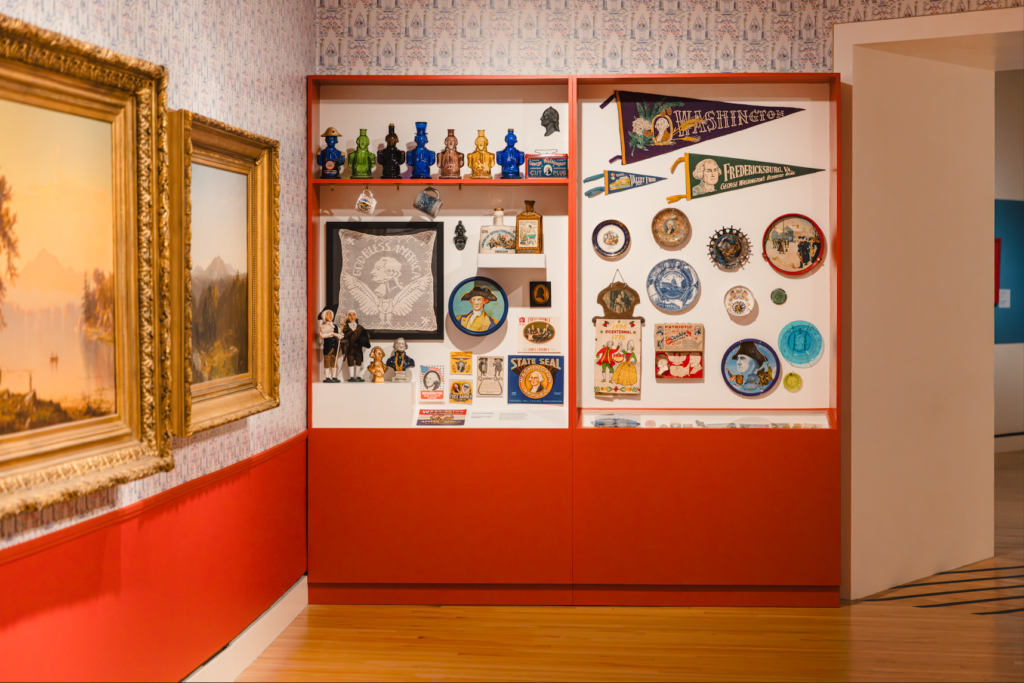
Thompson Bricher (1837–1908) and John Frederick Kensett (1816–1872) from the Crystal Bridges Museum of American Art collection. Sorrells photograph.
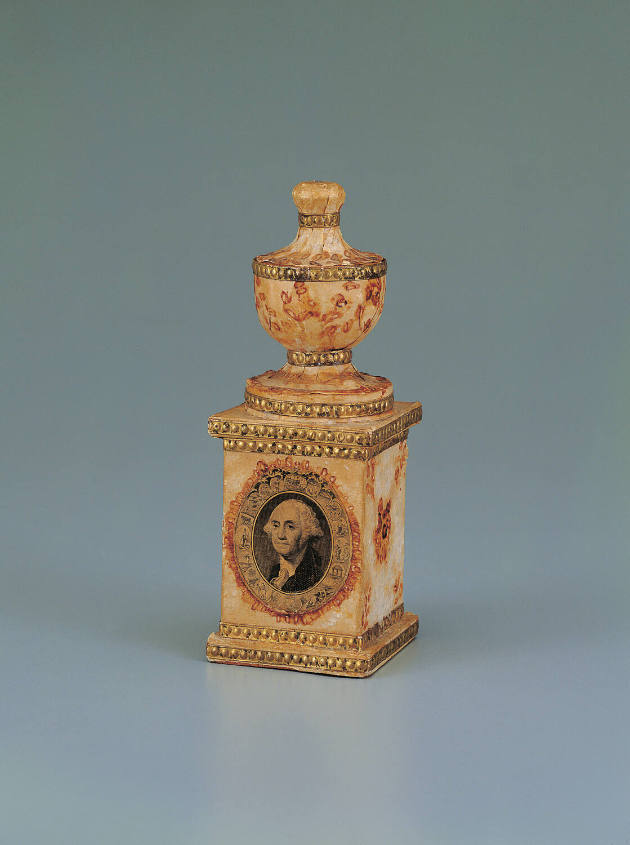
By examining the mass commercial circulation of Washington’s image alongside the contradictions of his life, “Washington Mania” presents domestic commemorative practices as history-making acts—a central theme throughout the exhibition. Consider how Washington’s image operates in the early nineteenth-century decoupage Memorial to Washington and Jefferson. The unknown artist cut-and-pasted engraved portraits of Washington and Thomas Jefferson, decorated them with sepia ink ringlets, and adhered them to this miniature, unusable urn. Perhaps memorializing Washington’s death in 1799 and Jefferson’s 1801 inauguration in the same object, or connecting these former presidents in death specifically, it renders Washington and Jefferson’s histories inseparable, even if not entirely legible today. Like the artist, our curatorial team embraced the ambiguity and multiplicity of histories when organizing this exhibition.
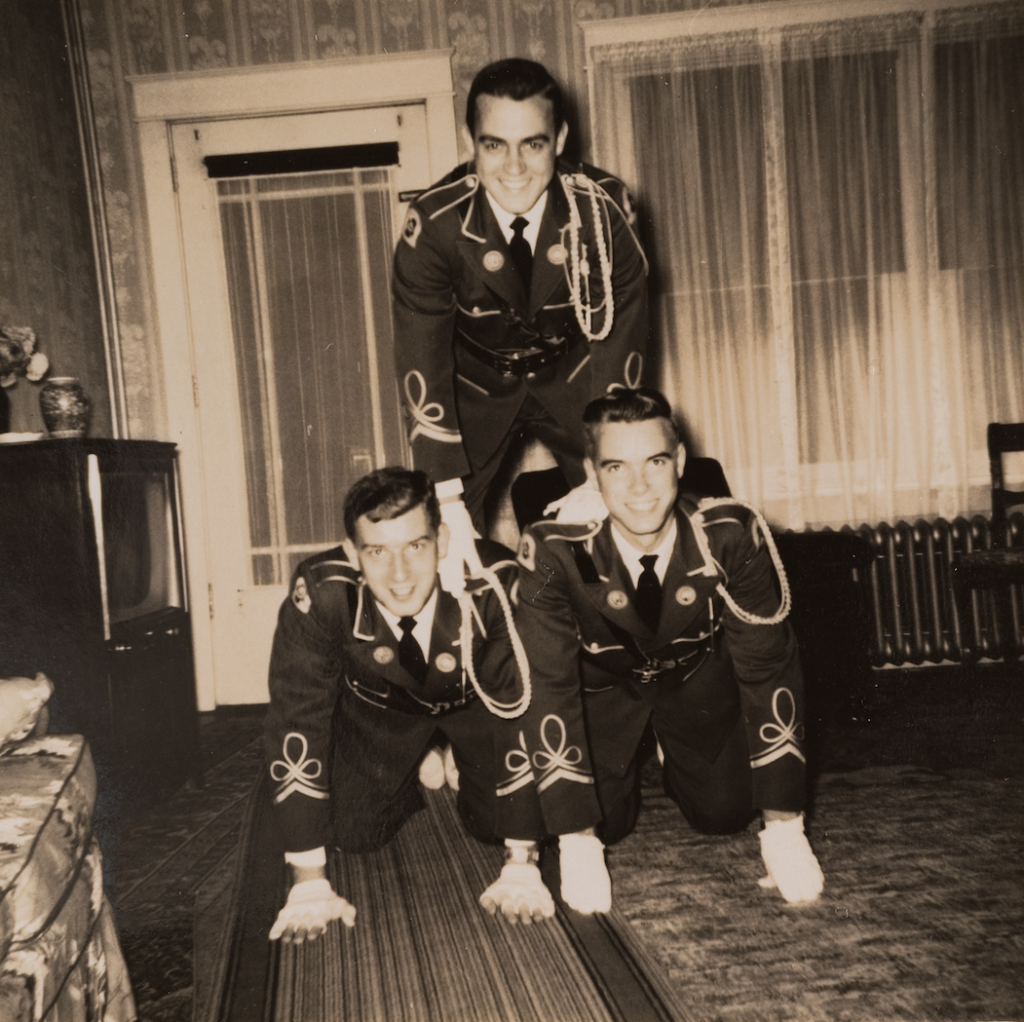
The analog clicking sound of an imitation 1950s slideshow projector orients visitors to the “Moments of History” section, which features over two hundred vernacular photographs from the collection of Peter J. Cohen. Roadside attractions punctuate national icons like Niagara Falls and Yosemite, while children dressed as historic reenactors perform dramatic scenes. Throughout this gallery, family vacation photos taken in front of national monuments are paired with photographs of makeshift monuments like playful human pyramids, suggesting the ephemeral nature of monuments so prevalent in American culture. The text panel reads, “American histories are complex, often monumental yet personal too. Time and place shape how a moment is remembered, just as the individual points of view of photographers help form an image or memory.” This encouragement of multiplicity and subjectivity within the framework of history invites visitors to relate their personal histories to national narratives, rather than dictating how the nation infiltrates our everyday lives.
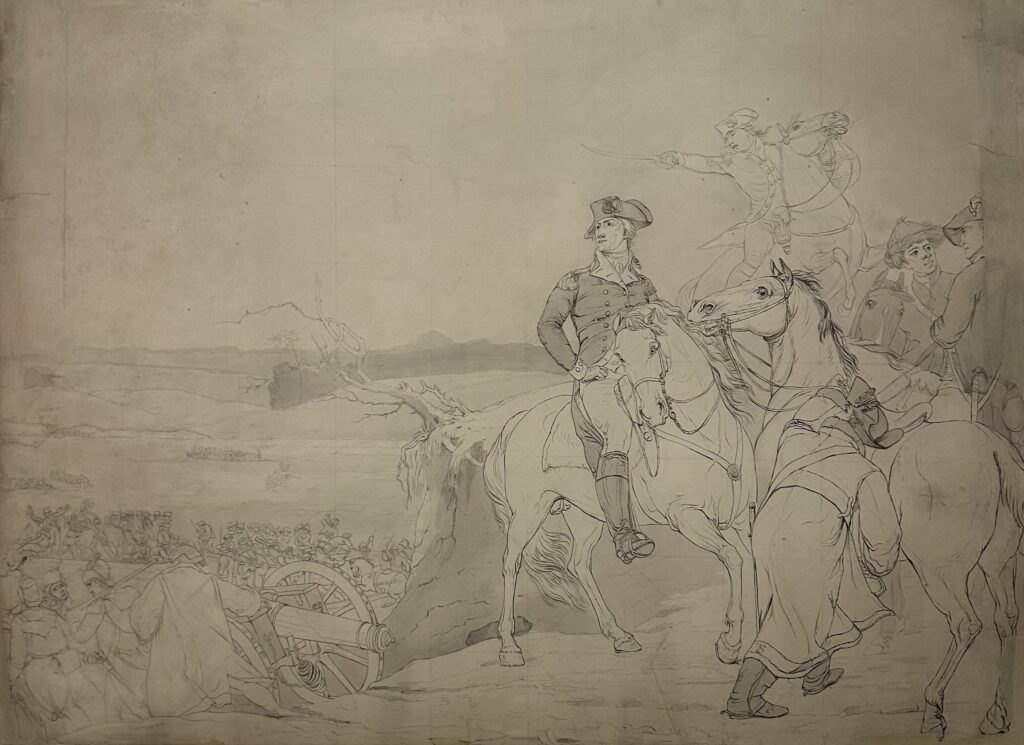
and graphite on paper, 21 3⁄4 by 29 1⁄2 inches. Crystal Bridges Museum of American Art, Bentonville, Arkansas.
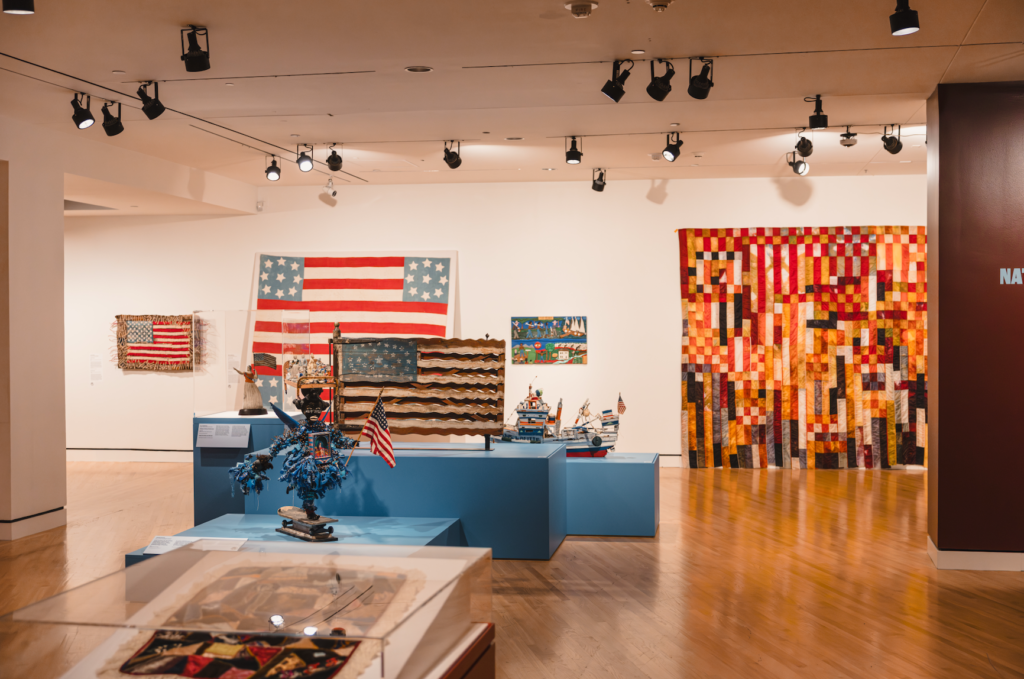
To empower visitors to negotiate their own relationship to the nation, subsequent sections are iconographically organized to examine shared “National Symbols.” In the early stages of exhibition planning, Crystal Bridges hosted K–12 educators (of all subjects) from across Arkansas to learn how our America 250 project could fill gaps and complement the existing civics curriculum. With the shared goal of encouraging civic engagement, we considered how students could learn political literacy through visual literacy in the galleries. The waving stripes painted on a farm gate imitate a fabric flag blowing in the wind. In front of the thirty-seven-star side of the flag gate (Nebraska was admitted as the thirty-seventh state in 1867) stands a 2014 sculpture by vanessa german depicting a Black figure balancing on a skateboard, a bed filled with ceramic figurines on her head, a small US flag in one hand, and her next generation in the form of a doll held in the other. Near the opposite side of the gate, painted with a thirty-eight-star flag to commemorate Colorado’s admission to the Union in 1876, is a flag-bearing boat modeled by Louisiana artist J. P. Scott (1922–). Visitors are invited to move around this grouping and consider national symbols in subsections like “Liberty Figures” and “Eagles.”
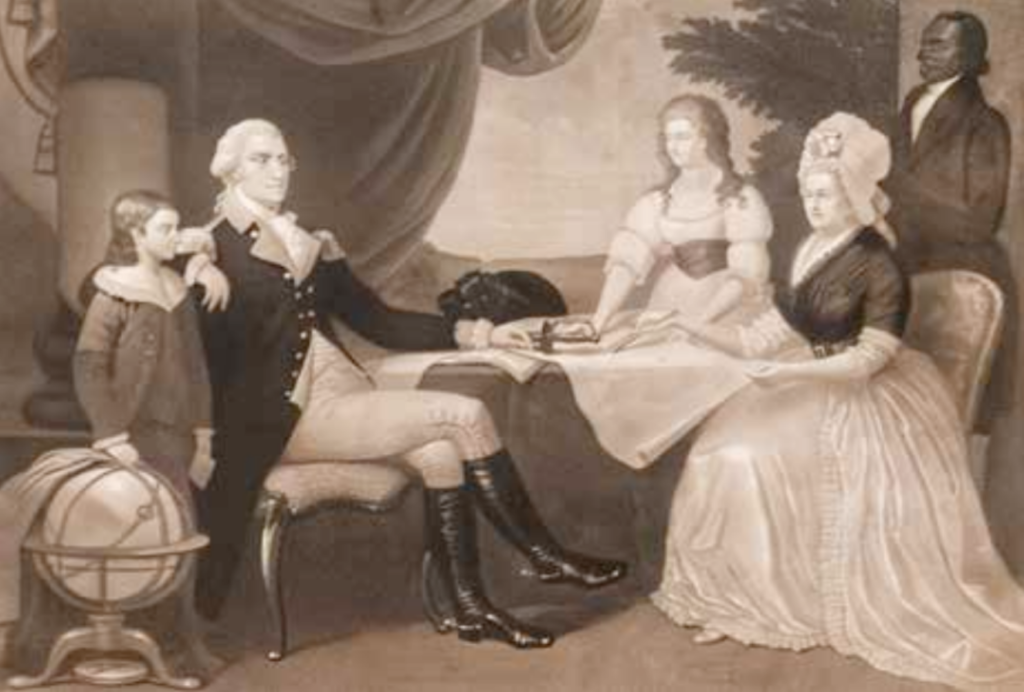
Engraving, 28 by 35 inches. Harlan Crow Library, Dallas, Texas.
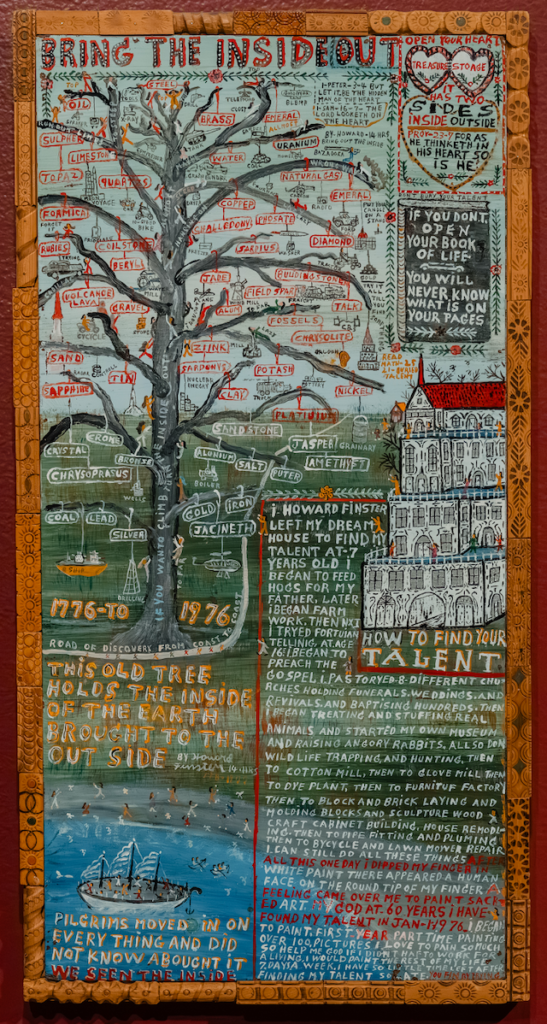
Visitors are then invited to consider what constitutes a historically significant document. Quilts, for example, are presented as social and material documents of political unity and dissent, just as text-based paintings such as Howard Finster’s Bring the Inside Out challenge the authority and limitations of written records themselves. In this painting, a tree grows tall, covered not with leaves but with little hand-painted annotations of the Earth’s basic elements—like “uranium,” “clay,” and “crystal.” Finster inscribed “1776-to 1976” where the tree roots to the ground, marking the year he took up painting as an event on a continuum reaching back two hundred years to the founding of the country. It is especially moving in this Semiquincentennial year when curators are asked to look backward as well as forward through documents of the past. Bring the Inside Out is Finster’s treatise on painting, love, Earth, and the future. His belief that, “if you don’t / open / your book / of life / you will / never know / what is on / your pages” is a literal affirmation of lived experience as history.
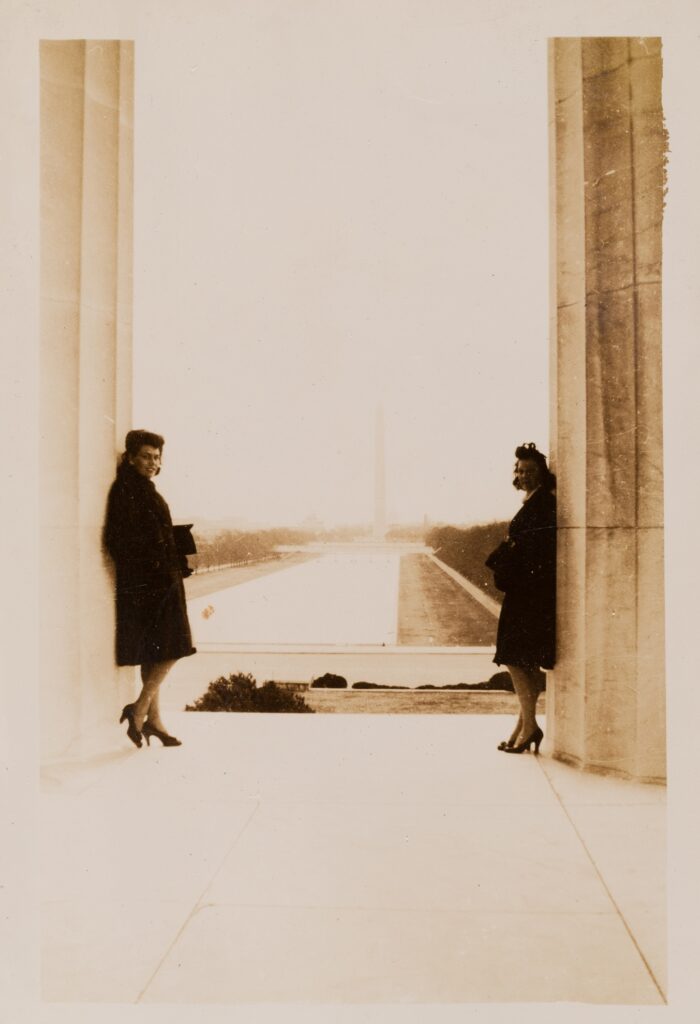
Approximately 7 by 5 inches. Collection of Peter J. Cohen; photograph by Edward C. Robison III.
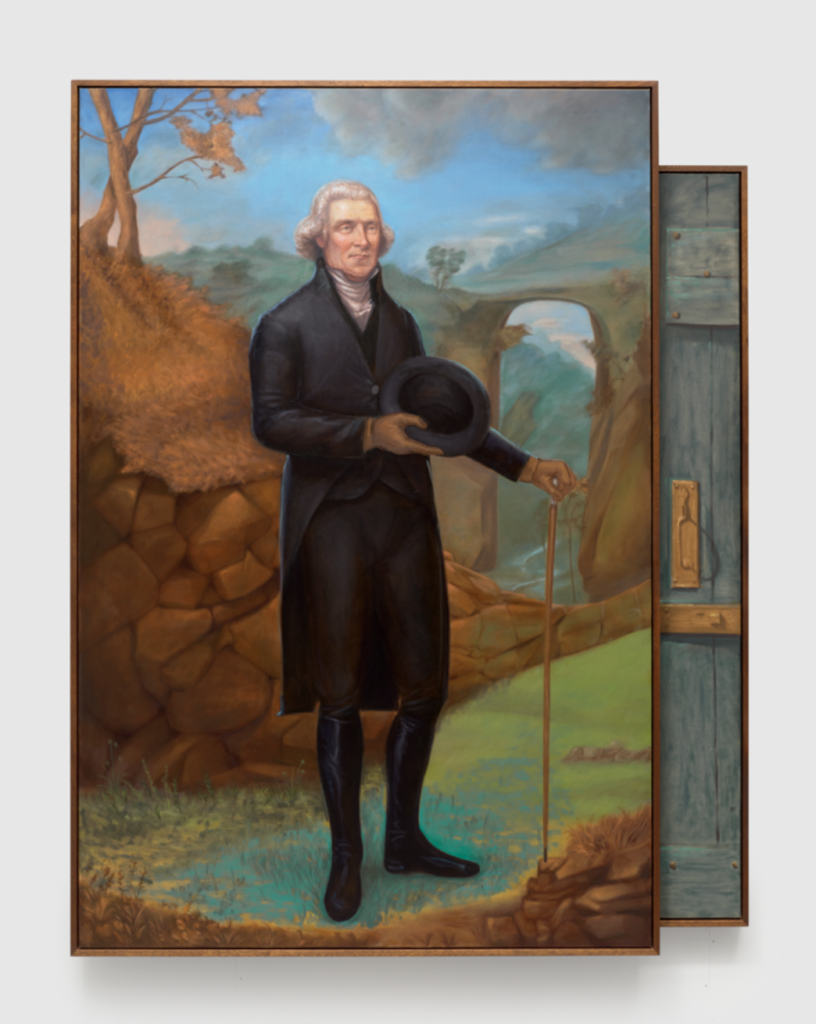
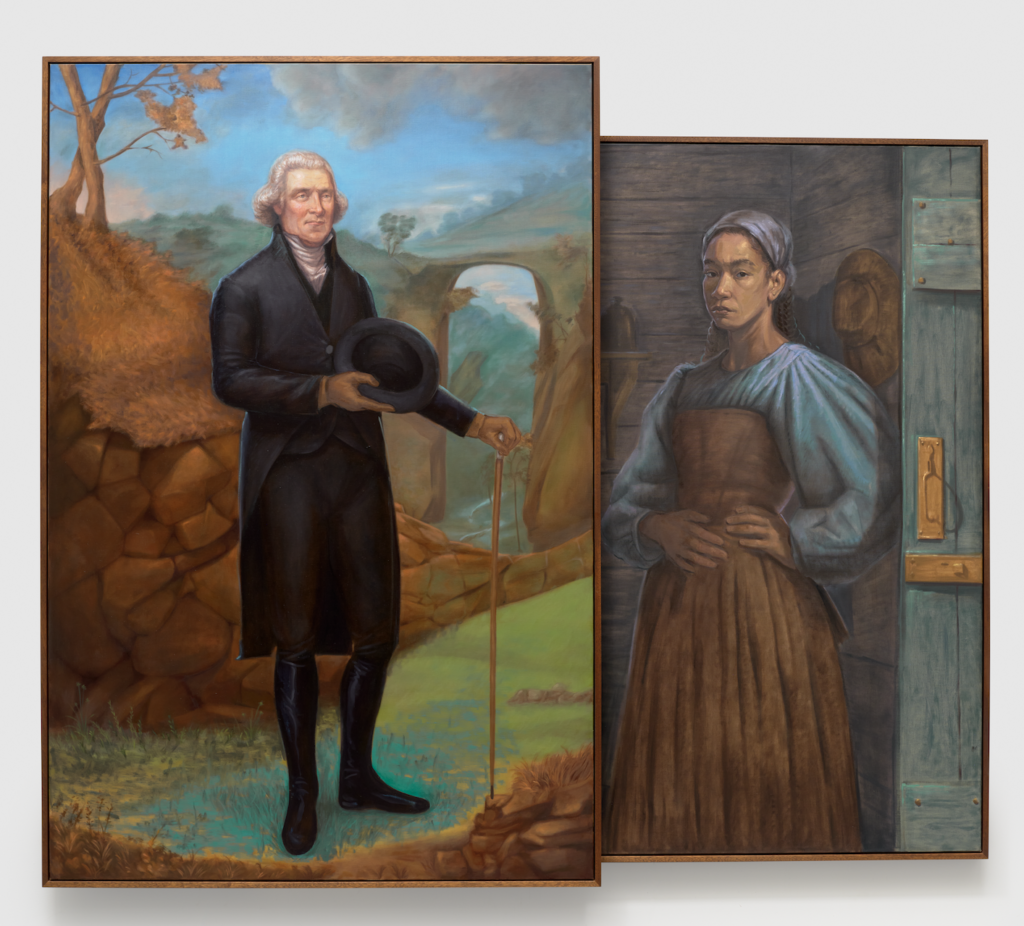
In another section of the exhibition visitors are invited to remember Sally Hemmings and Thomas Jefferson through a new painting by Titus Kaphar. One of a series Kaphar calls “drawer paintings,” it depicts a trompe-l’oeil handle that pulls out from the likeness of Jefferson to reveal a three-quarter portrait of Hemmings, whom Jefferson enslaved and whose children she bore. By prioritizing the viewer’s agency, Kaphar requires one to choose to engage with Hemmings’s presence or not, a choice that asks our 2026 audiences to witness a more truthful history of Jefferson or to be bystanders to the attempted erasure of Hemmings. Kaphar’s painting structurally demonstrates the inseparable legacies of Hemmings and Jefferson, layering portraiture to reflect the power dynamics that conceal and stratify histories.
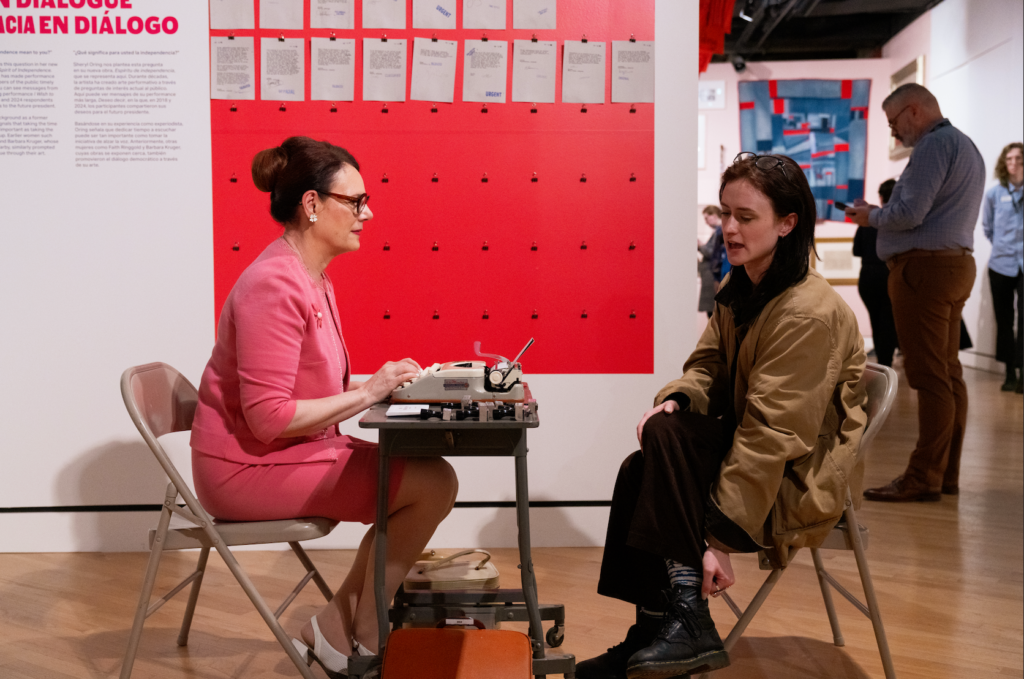
With audience interaction in mind, the “Democracy in Dialogue” section brings together work by Sheryl Oring, Faith Ringgold, and Barbara Kruger to consider the role of individual discernment and responsibility in American democracy. In her new performance, Spirit of Independence, Oring asks “What does independence mean to you?” Drawing from her journalist background, she knows that taking time to listen can be just as important as taking the initiative to speak. Oring fashions herself in glamorous vintage skirt suits with brooches and a signature up-do, constructing a persona using 1960s secretarial aesthetics that feels nostalgic to some and kitschy to others. Oring’s character embodies hyper-femme professionalism, calling attention to the gendered labor of notetaking. Her slow yet mighty typewriter facilitates a “space of trust,” working in tandem with her persona to disarm and welcome participants, archiving visitor responses to her timely question. Dozens of participant responses stamped with official-sounding words like “validated” and “approved” populate the gallery with personal reflections on independence and interdependence today.
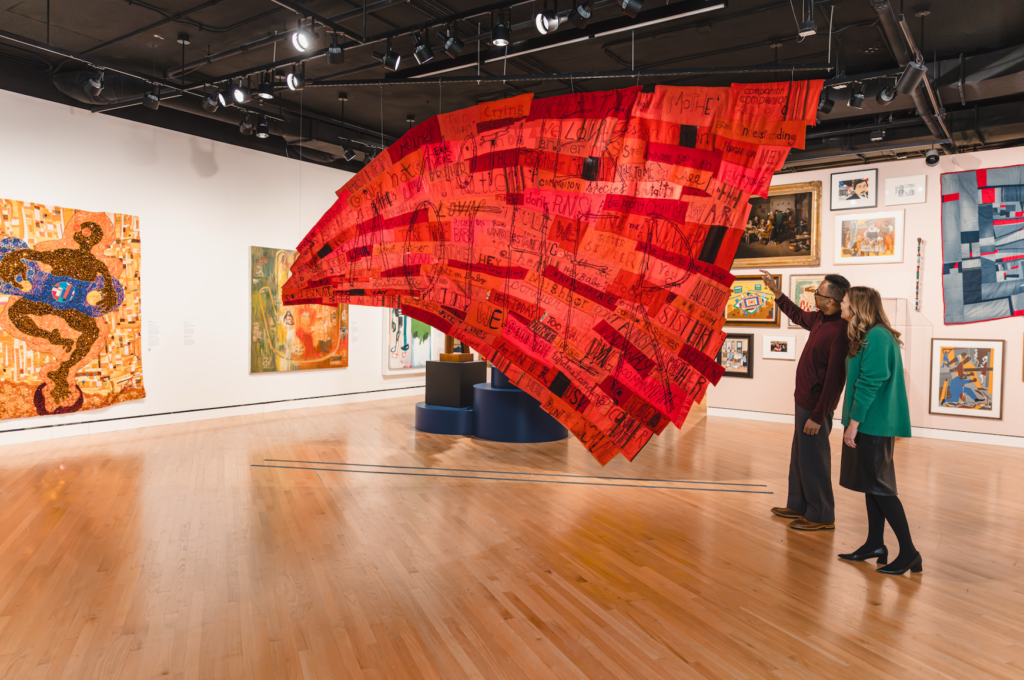
The final section “Common Threads” argues that civic engagement happens everywhere, from the neighborhood bar—as nineteenth-century genre painter John L. Krimmel (1786–1821) suggests—to the classroom, kitchen, or sewing circle. Praised for painting the everyday, Krimmel’s ordinary figures are all political players, perhaps gathered to discuss US expansion, slavery, or the financial Panic of 1819. Nearby, a dense salon hang of artworks dating from 1819 to 2024 serves as the backdrop to the monumental textile Companion Species (Speech Bubble) made by Marie Watt in 2019. Watt joins hundreds of contributions from sewing circles into her massive speech bubble, with individual embroideries expressing sentiments like “don’t punish,” “species brutality,” and “take time,” suggesting the many concerns of her civically minded participants.
100 (open); depth 5 1⁄2 inches. Frances Fine Art Collection; photograph by Owen Conway.
Taking cues from both Watt and Oring, whose practices unite and archive individual reflections regarding collective concerns, the work of this exhibition continues in the daily sewing of our quilters-in-residence. An arsenal of more than 150 skilled sewers from quilting guilds in Northwest Arkansas volunteer every hour the exhibition is open, to both quilt in-gallery and to answer visitor questions. They stitch together symbols designed by K–12 students across the state, binding students’ hopes for or memories of the United States.
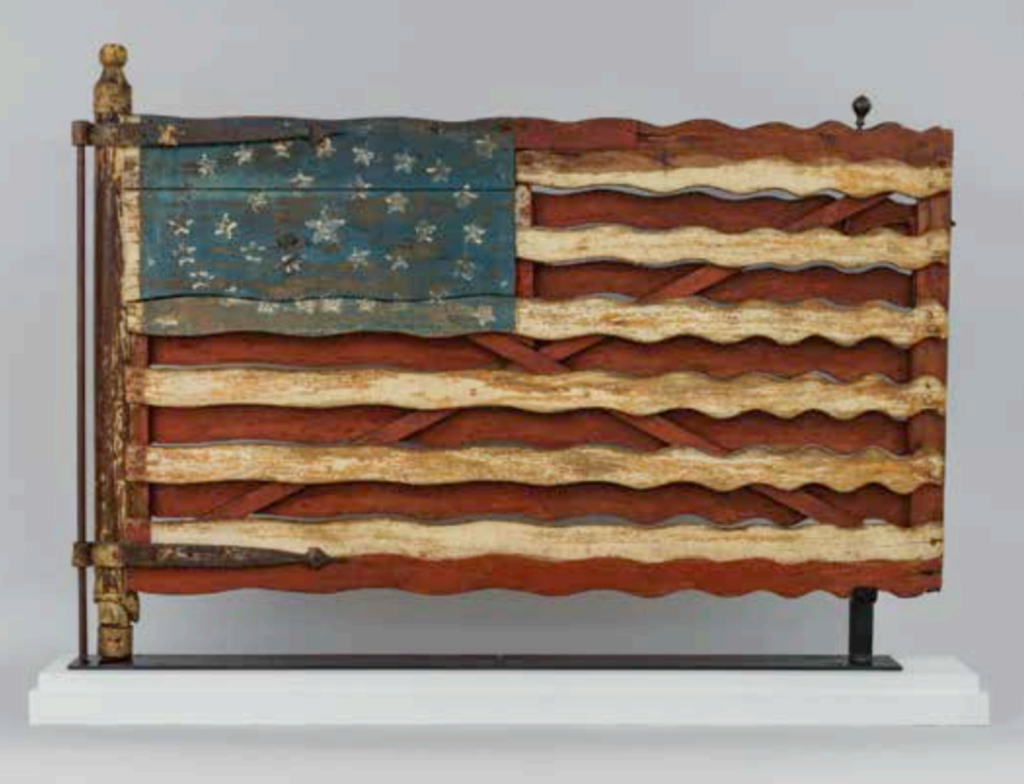
American Folk Art Museum, gift of Herbert Waide Hemphill Jr. in honor of Neal A. Prince; photograph by Adam Reich.
Common Threads presents the Semiquincentennial as an ellipsis on an unfolding national timeline. The United States will continue to have anniversaries, just as American communities continue to evolve and change. Many of the artists featured in this exhibition made art to move through change, consequently participating civically within their own communities. By centering artworks made for domestic spaces alongside objects designed for public display, Crystal Bridges’ exhibition illustrates how American histories are deeply personal.
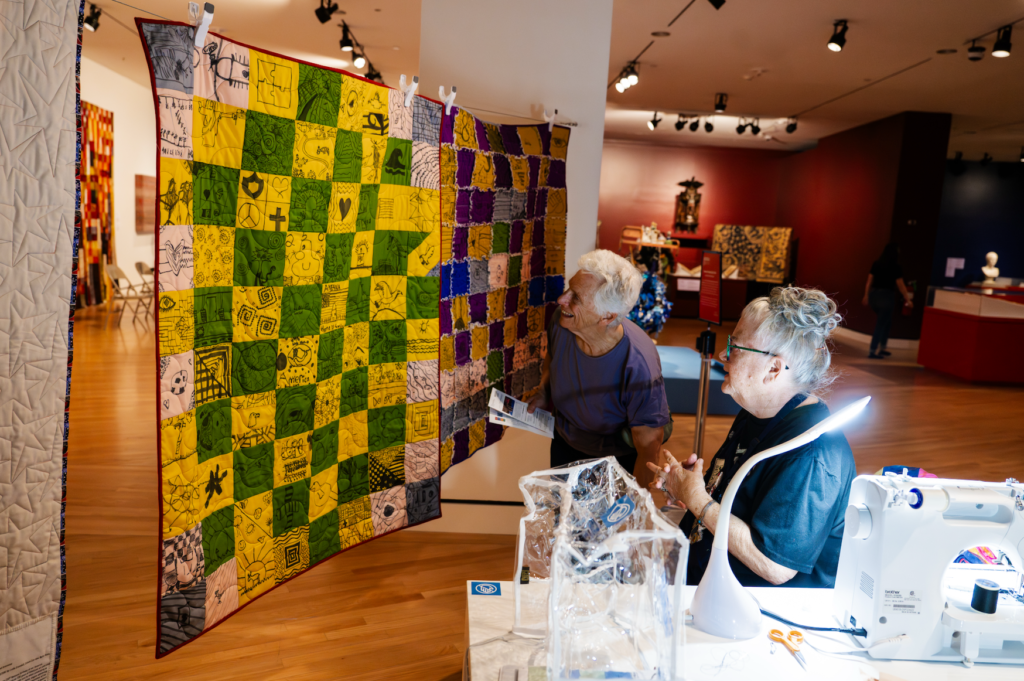
was developed in partnership with artist Basil Kincaid and made possible through the Windgate Fund for Craft. Pictured seated here is Linda Crandell, quilter-in-residence representing the Bella Vista Calico Cut-ups Quilt Guild. Photograph courtesy of Meredith Mashburn.


