
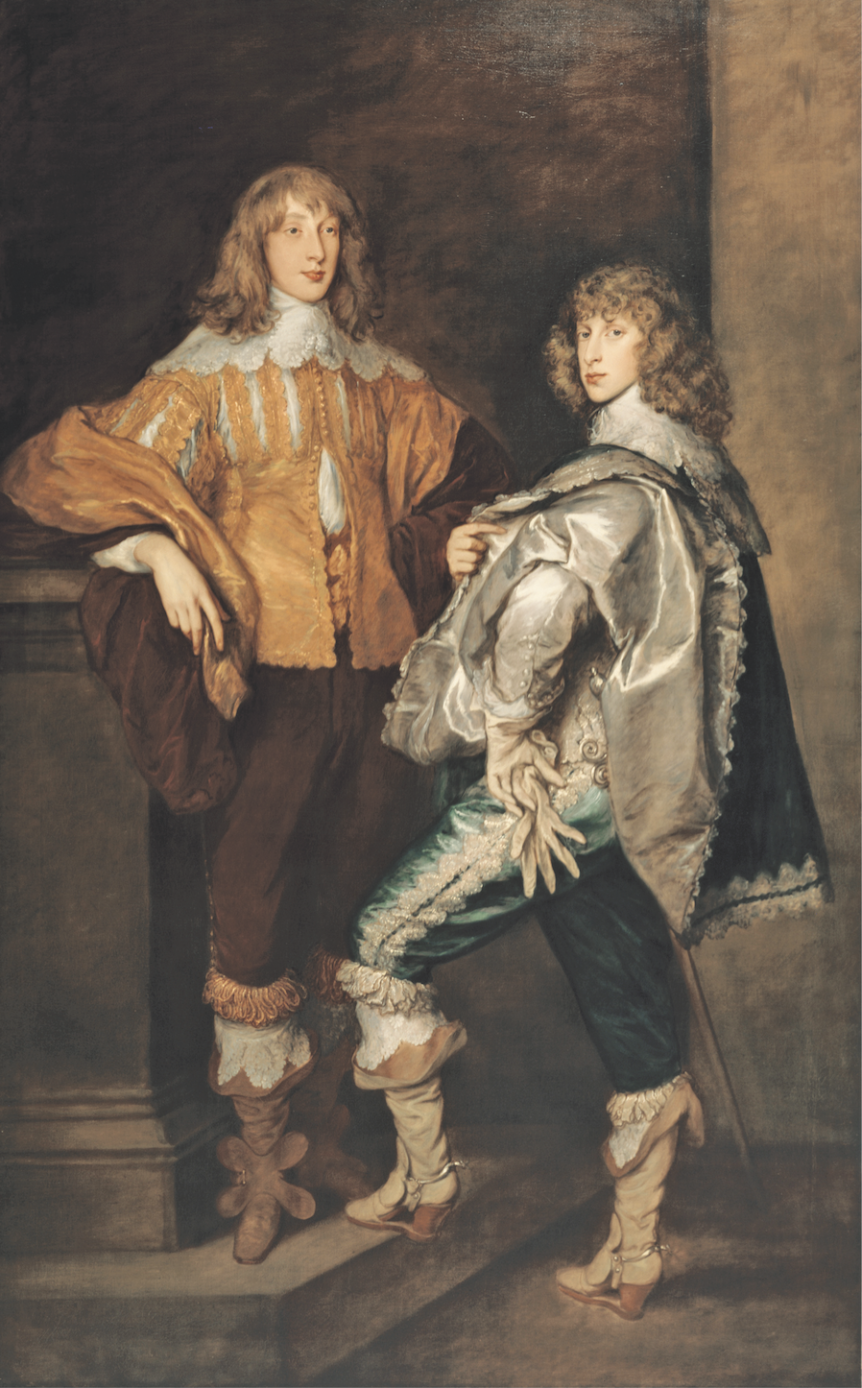
Fashionistas with a taste for the couture of the past often appreciate the work of John Singer Sargent, whose renowned Gilded Age portraits recorded the luxurious garments of New York and Paris’s elite. If he were alive today, he would perhaps have been a fashion photographer, celebrated for his unique vision and style. But Sargent wasn’t the first to paint clothing with such evocative attention to detail. A hundred years prior, there was a portraitist who rose to fame depicting the silks and jewels of Georgian England’s movers and shakers. His name was Thomas Gainsborough.
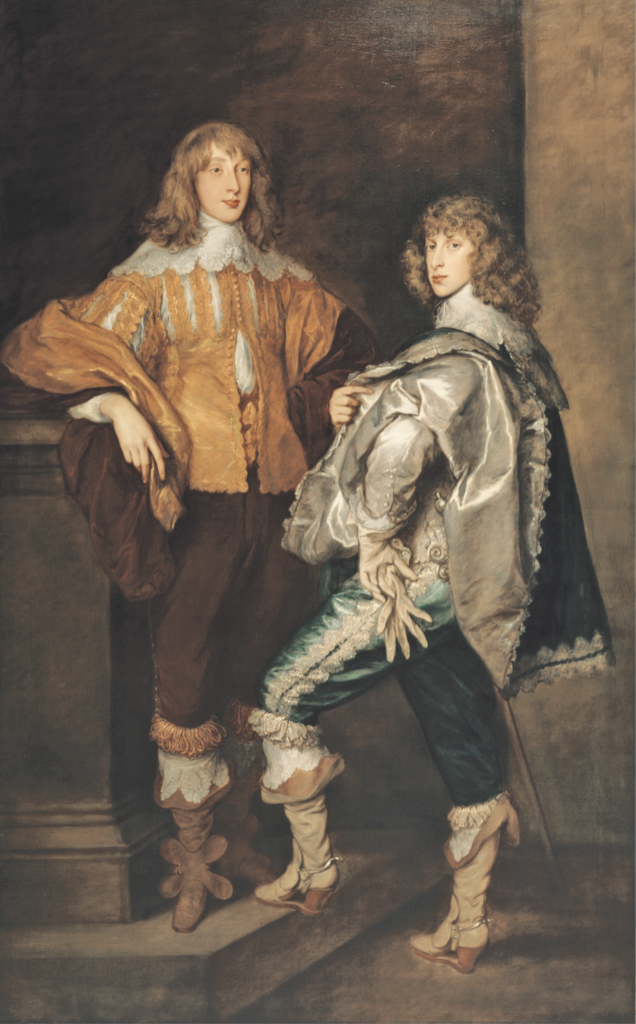
In February, you can see the works of this exceptional portraitist at the Frick Collection in New York. Organized by Aimee Ng, the museum’s Peter Jay Sharp Chief Curator, Gainsborough: The Fashion of Portraiture contains twenty-five meticulously selected Gainsborough portraits drawn from the more than seven hundred works he made in his lifetime. This is the first exhibition of Gainsborough’s portraits ever held in New York; three are from the Frick’s own collection.
Ng joined the Frick in 2015 with a background in Italian Renaissance art. The exhibition will thus study Gainsborough’s portraiture through the lens of Renaissance portraiture in Italy. Ng notes the curious similarities in the portrayal of feminine beauty during both time periods, most notably the way adornments are used as the status symbols of their era. Elite women in Georgian England were expected to simultaneously exude humility, elegance, and modesty. Gainsborough blended richly elaborate attire with a poised, feminine dignity, making his work especially appealing to his upper-class patrons.
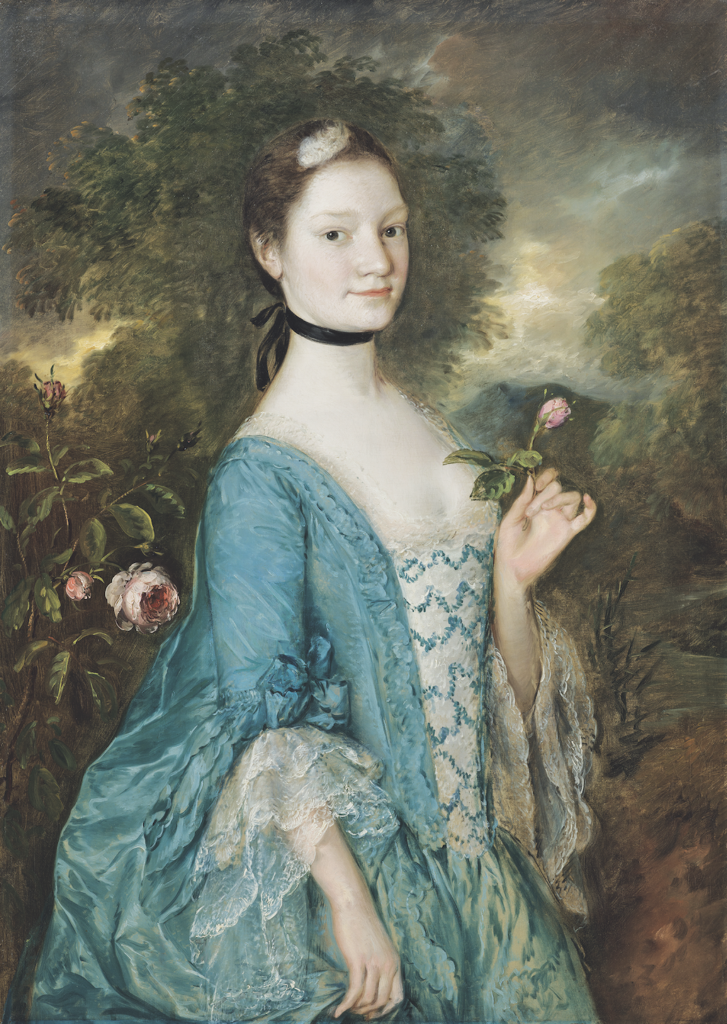
Gainsborough’s work shared traits with the grand style of the yet-to-be-established Royal Academy, combining refined brushwork with strikingly realistic likenesses. Among contemporaries like Joshua Reynolds, George Romney, and John Hoppner, he stood out for his lyrical, elegant style, coveted by the glamorous members of English high society. In a fortunate turn of events, Gainsborough chose to move to the spa town of Bath, instead of the buzzing art capital of London. There he rubbed shoulders with members of London’s high society in the off-season, as they soaked in the therapeutic baths and seaside air and sat for their portraits.
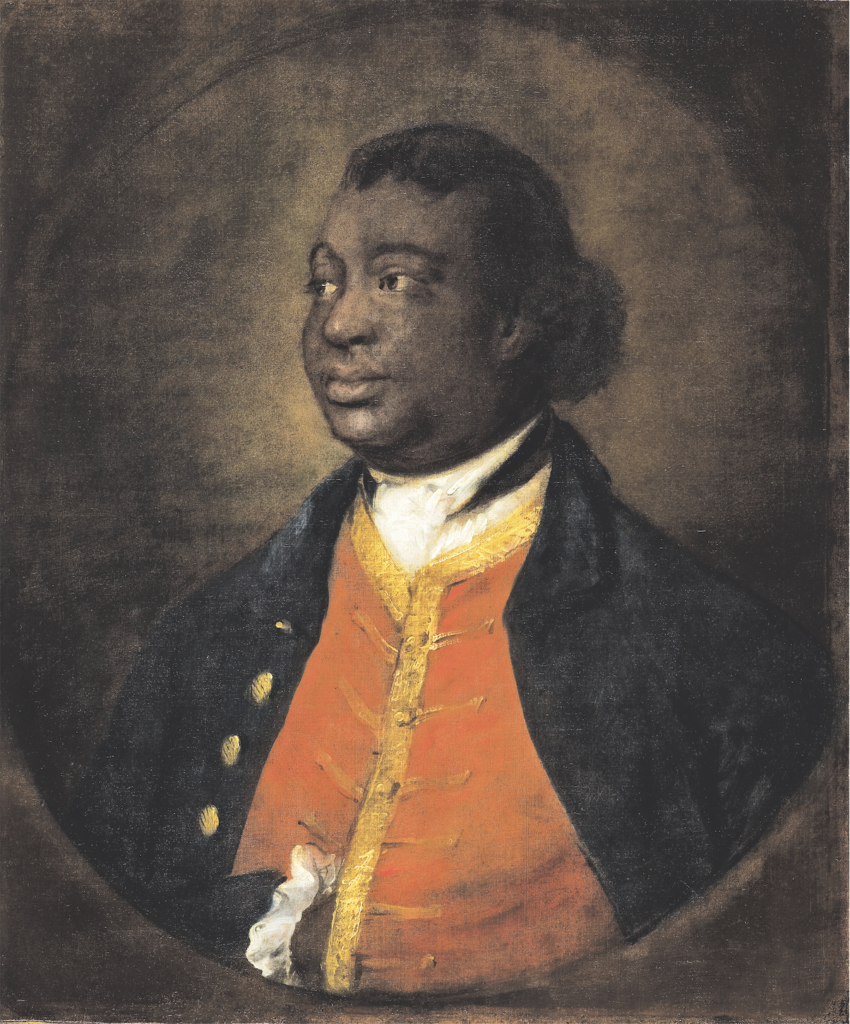
Gainsborough painted fascinating subjects beyond these prominent lords and ladies. One likeness in the show depicts the formerly enslaved writer and composer Ignatius Sancho, who was in service to the duke and duchess of Montagu. The only Black in the artist’s portfolio, his likeness is notable for showing him as a man of status—dressed not in the traditional uniform of those in service but the ensemble of a gentleman of the eighteenth century.
Each of the twenty-five works by Gainsborough was selected to weave an in-depth and vivid story of how clothes speak for their wearer. The exhibition catalogue, written by Ng and published by Rizzoli Electa in association with the Frick Collection, boasts four richly illustrated essays with an additional text by associate conservator of paintings at the J. Paul Getty Museum, Kari Rayner.
Fashion history is being talked about now more than ever, with bigger and better showcases coming each year, from the Met’s Costume Institute to smaller museums like the Phoenix Art Museum and the Cleveland Museum of Art hosting ultra-popular fashion shows. The arrival of this exhibition is thus particularly timely. The extravagantly dressed subjects beckon, providing insight into the sumptuous fashions of the Georgian period. Come see the selection and appreciate an evocative curation of the period’s fashion and society. Who knows? You might find a kindred spirit in one of the individuals portrayed. —Urvashi Lele
Gainsborough: The Fashion of Portraiture • February 12 to May 11 • Frick Collection, New York • frick.org


