There’s a new exhibition on that will ruffle your feathers in the best way possible. A collaboration between the Cleveland Museum of Natural History, the Kent State University Museum, and the Kent State School of Fashion brings together a fluttering display of some of nature’s most mesmerizing creations – feathers.
As an unofficial continuation of the exhibition titled For the Birds which opened in 2018, Fashion and Feather taps into the Kent State University’s extensive costume and textiles collection with a curated selection of fashion-related objects all featuring feathers. Curator Sara Hume, who has been with the museum for the past seventeen years, selected each piece with a unique story to discuss the significance of bird plumage in costume history. Unlike the previous exhibition, which mostly featured bird motifs in the decorative arts, this selection is a display of real feathers used in wearable items before the late twentieth century.
It is unclear when the obsession with feathers as human adornment began, but there is evidence to suggest that hominids as far back as the Neanderthals used feathers for ornamentation, with archaeological sites in Peru indicating the intentional removal of feathers from birds for use in garments before European colonization in the fifteenth century. This fascination certainly took flight in the early nineteenth century with the rise in popularity of plumes in millinery. Large populations of exotic birds dwindled under the increasing demand for headwear embellishments, causing a scarcity crisis to a point where bird specimens could not be found for scientific study. The estimated number of birds hunted for the millinery trade is believed to be at about three hundred million. This practice faded with the rise of automobile use as open-top cars became the norm, and elaborately feathered headwear was not a practical fashion statement in the driver or passenger seat. It was brought to a halt permanently with the establishment of the Migratory Bird Act in 1918.
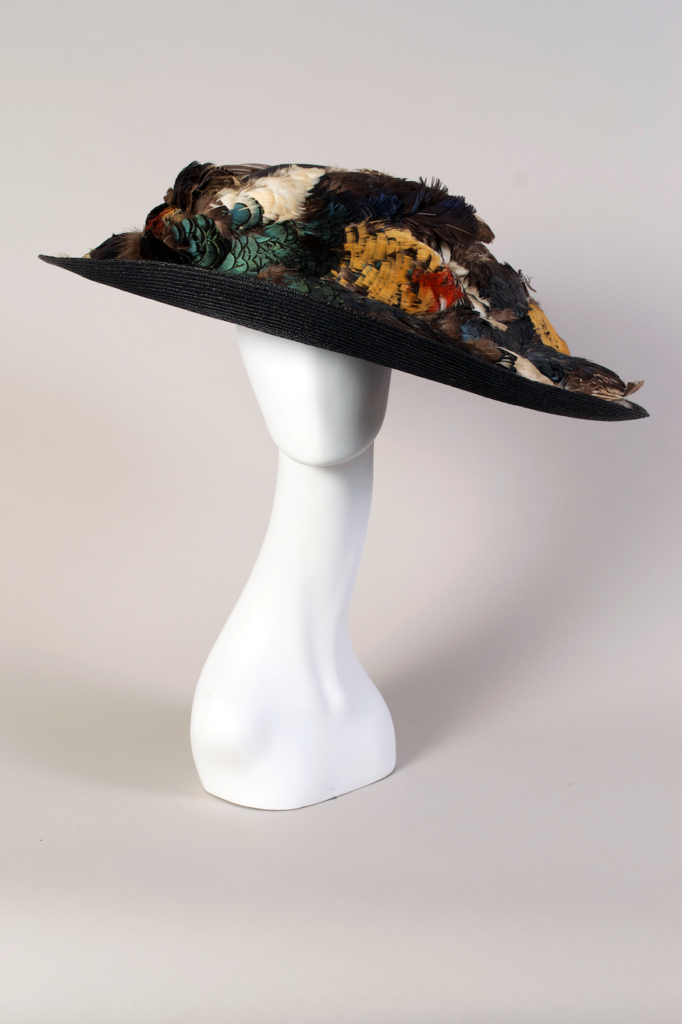
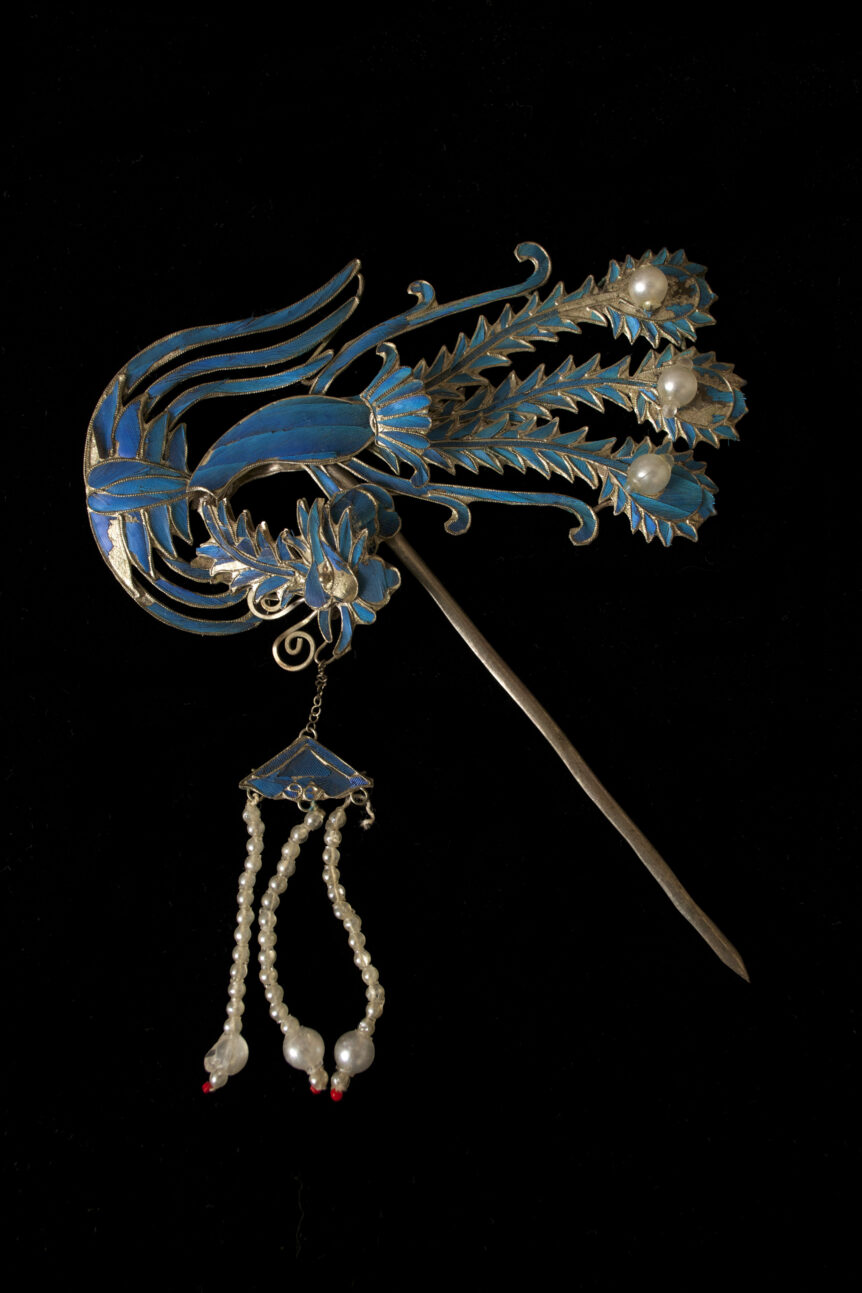
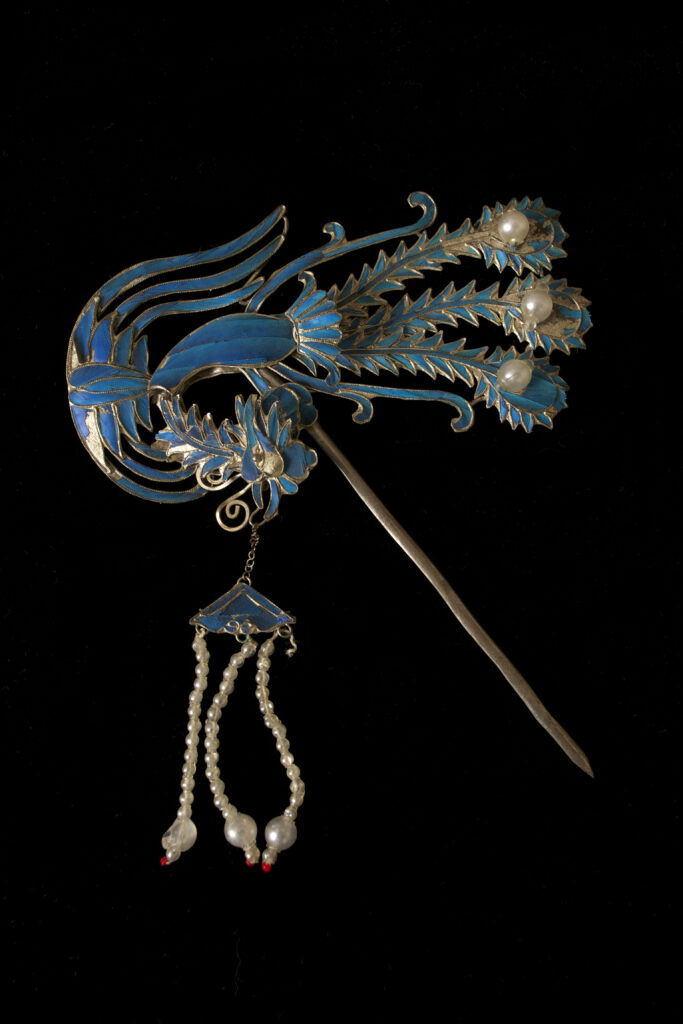
Fashion and Feather guides the audience through exhibits categorized by bird species.Lovers of science and art history alike will be satiated via the collaborative didactic texts by the two museums. A notable highlight includes a late nineteenth-century Chinese hair ornament inlaid with blue kingfisher feathers evoking the look of enamel. However, a contender for the star attraction seems to be a broad-rimmed hat with feathers from about five individual kinds of pheasant, a true signifier of excess and high status of the time. The wearable items on display include accessories such as hand fans, purses, and hair clips in addition to the clothing exhibits.
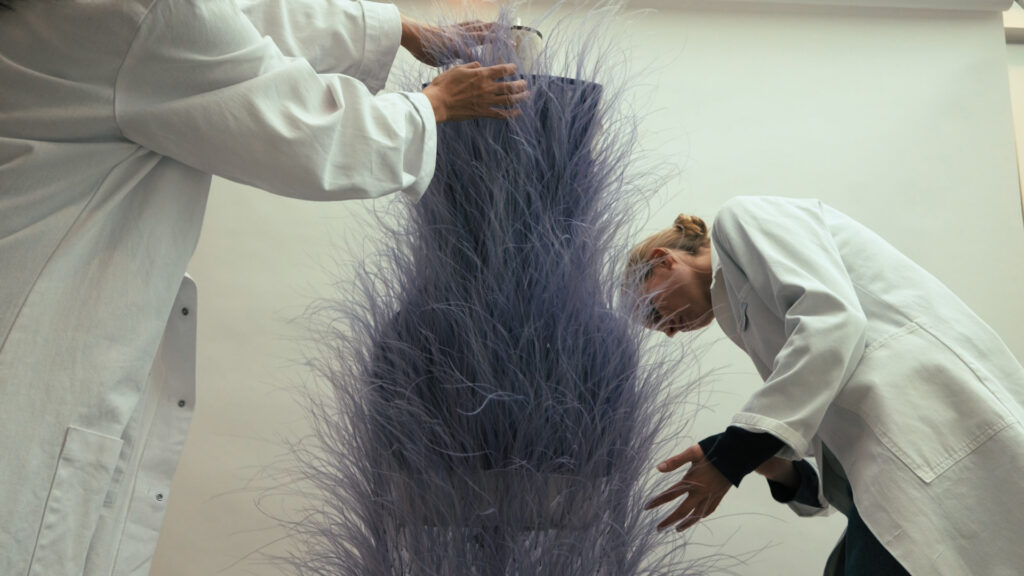
A special additional treat awaits, brought to you by the students of the Kent State School of Fashion, a selection of whom have designed clothing inspired by the avian form, creating evocative pairings to the historical fashions displayed, with a perspective towards ethicality and sustainability in the future of the fashion industry. This endeavor is reflective of the fashion industry on a larger scale as well, with brands such as Stella McCartney working with a company called Fevvers to provide cruelty-free, plant based alternatives to natural feathers since 2025. Fevvers co-founders James West and embroidery artist Nicola Woollon aim to provide substitutes for the ostrich feather at a quality as high as its natural counterpart. Today, the ostrich feather remains the most exploited plume in the fashion industry, prized for its ornamentation and extravagant flair (we’re definitely thinking of Beyoncé in that Balmain cape at this year’s Met Gala). It is seconded only by the down feather, sought after for its functional property of heat insulation in technical clothing.
Our feathered friends seem to have taught us a lot over the years of our shared habitation on Earth. You will only learn more and be blown away by the wonders that these delicate yet hardy structures have to offer. Come for the biology or the fashion, but your inspiration will certainly soar to new heights.
Fashion and Feather • Cleveland Museum of Natural History •to October 11 • cmnh.org


