The curator emeritus of the Academy of Natural Sciences at Drexel University explores the curious history of the bezoar, from magical lore to prized antidote in early medicine.
In Harry Potter’s first potions class at Hogwarts School of Witchcraft and Wizardry, Professor Severus Snape asked his young student to identify a bezoar in the classroom’s cabinet, then ridiculed him for his lack of attention when he couldn’t remember what it was. Potter’s lapse of memory is understandable, for bezoars were not things he or any other boys his age would have encountered in daily life. Snape described the mysterious object as “a stone taken from the stomach of a goat” that “will save you from most poisons.” His description is not quite correct—bezoars are not true stones, but rare concretions formed around wool, hair, or indigestible plant fibers in the guts of animals. Nor do they only come from goats. But he was correct in referencing their role as antidotes to poison, for that was believed to be their greatest attribute for hundreds of years.
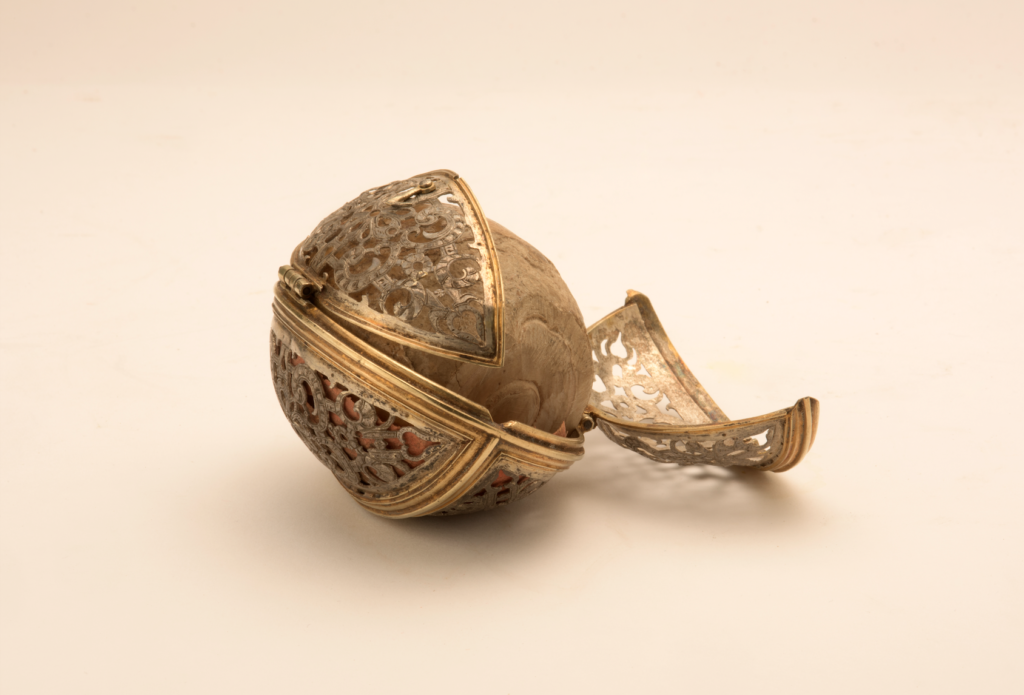
Bezoars are formed in an animal’s digestive track when layers of calcium and magnesium phosphate build up around a small bit of plant fiber or a pebble, much the way a pearl is formed around a grain of sand. They are given their smooth, round shapes by stomach contractions, which squeeze and smooth them. To enhance their otherwise drab appearance, they were often embellished with gold, silver, and an array of eye-catching gems. Although unfamiliar to most of Rowling’s readers until they were mentioned in her books, bezoars were once highly valued objects with unquestioned life-saving medicinal powers. They reached their peak of popularity in Europe in the sixteenth and seventeenth centuries.
The word “bezoar” derives from the Persian term for antidote: pād-zahr. Used by doctors in the Middle East beginning in the eighth century, they were introduced to Western medicine in the twelfth century as an antidote to arsenic and were soon accepted as effective cures for a wide range of illnesses, including rabies, cholera, leprosy, measles, smallpox, and even the plague.
In the sixteenth century, bezoars were so sought after they became worth many times their weight in gold. On occasion, the stones were carried in public as symbols of wealth and power and to protect their owners from would-be assassins. Elizabeth I of England is said to have worn a small bezoar in a gold ring. Some were embedded in bowls to be used for testing poisons.
In The Poison Trials: Wonder Drugs, Experiment, and the Battle for Authority in Renaissance Science (2021), Alisha Rankin explains how the authenticity of bezoars was confirmed, and their miraculous powers tested during the peak of their popularity. The process was not a happy one for the animals—and in some cases, the humans—who were chosen for the tests. The Italian physician Pietro Andrea Mattioli (1501–1577) made several experiments with the bezoars in the possession of the Holy Roman Emperor Ferdinand I. His tests involved giving ground bezoar dust to convicted criminals who volunteered for poisoning in lieu of hanging. In one such experiment, a twenty-seven-year-old prisoner was given aconite, and then, after the effects of that poison began to take effect, given “seven grains of powdered bezoar mixed in wine.” The patient experienced excruciating pain and partial paralysis but ultimately survived and was freed in compensation for the agony he had endured. Other physicians in the 1560s conducted similarly painful experiments with equally positive results. The information was recorded and published in several books that praised the bezoar as the ultimate poison antidote and a cure-all for almost every other ailment.
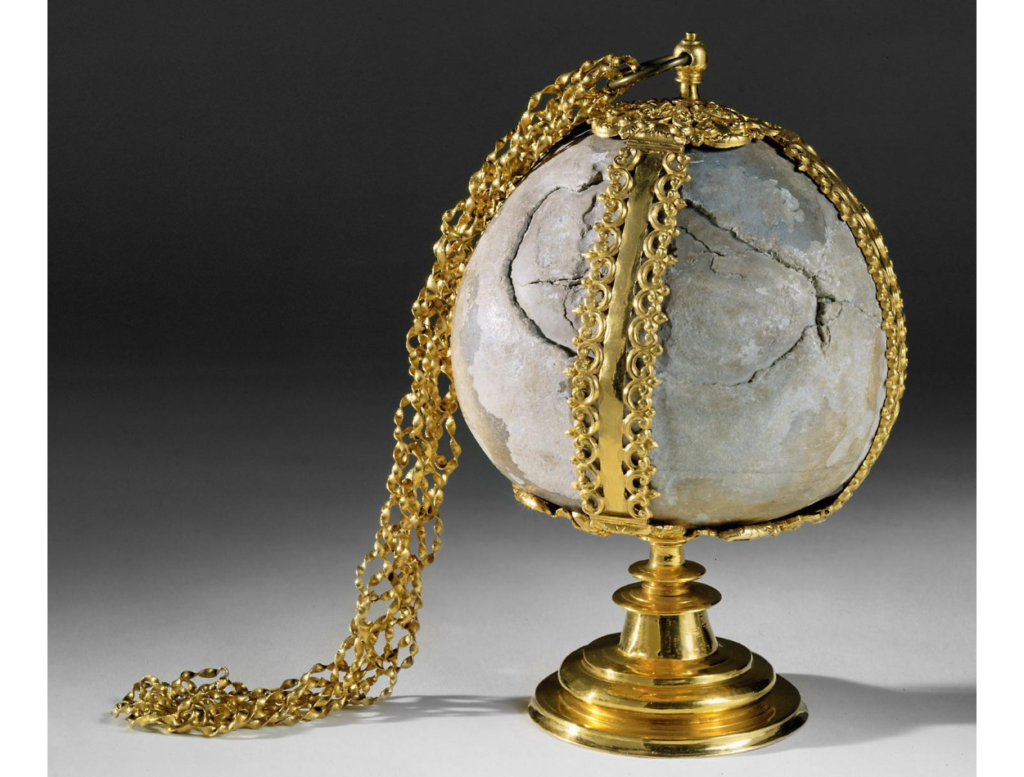
A few authors warned that, because of their scarcity and great value, counterfeit bezoars were often created to trick the unwary. Some of these contained poisonous ingredients and could be very dangerous. One such writer, the French pharmacist Pierre Pomet (1658–1699), explained where real bezoars came from, how they were formed, and how they could be tested for authenticity.
As the demand for bezoars grew in the sixteenth and seventeenth centuries, they were collected from animals around the world. Spanish merchants were excited to find the coveted items in wild animals living in South America. Wild populations of vicuñas, guanacos, llamas, and other Andean animals were slaughtered by Europeans as they searched for bezoar stones. One seventeenth-century priest noted that only one or two bezoars were found for every hundred wild animals killed.
This massive culling of these animals was not only devastating for the animal populations, but also for the Indigenous people, because in addition to undermining their age-old cultural beliefs, it deprived them of the animals on which they depended for food and clothing.
On the few occasions that bezoars come on the market today, they command high prices for their scarcity and their beauty, not for any medicinal value they were once believed to possess. J. K. Rowling may have given bezoars some attention in her books, even if most of her readers assumed they were products of her imagination. Only a visit to the European museums that display them—or a look at the illustrations here—will convince them that they actually exist.


