We spoke to experts in object conservation and curation to explore why craft skills are disappearing, and what we can do.
When the word “antique” hits your ears, you’re probably visualizing something very specific that holds a significant place in your heart. It could be a grandmother’s porcelain tea service or a quilt made by a distant great-aunt. It doesn’t matter too much what the object looks like but rather the stories it carries. It is a representation of your history, of where you came from. The thought of losing or damaging it evokes feelings of dread and sadness. You want to make sure it remains in “good health” so that you can pass it along one day to those who come after you. This, in micro, is what antiques professionals are talking about when they use the word “preservation”—the effort to safeguard a shared heritage, to connect generations of the past, present, and future with objects of significance that sing many songs. Preservation maintains these objects in stable condition. Conservation, though, requires action: keeping an object alive once it has endured the damage of time.

This discussion centers on conservation. We spoke with leading experts who shared insights on why conservation matters and the obstacles the field is currently facing. Alexandra Kirtley, the Philadelphia Museum of Art’s Montgomery-Garvan Curator of American Decorative Arts, believes that the study and presentation of art should always be evolving. As our society changes, so does our art, and as a result, our methods of caring for it. Kirtley talks of the importance of understanding the types of skills needed to bring the right talent to a conservation project.
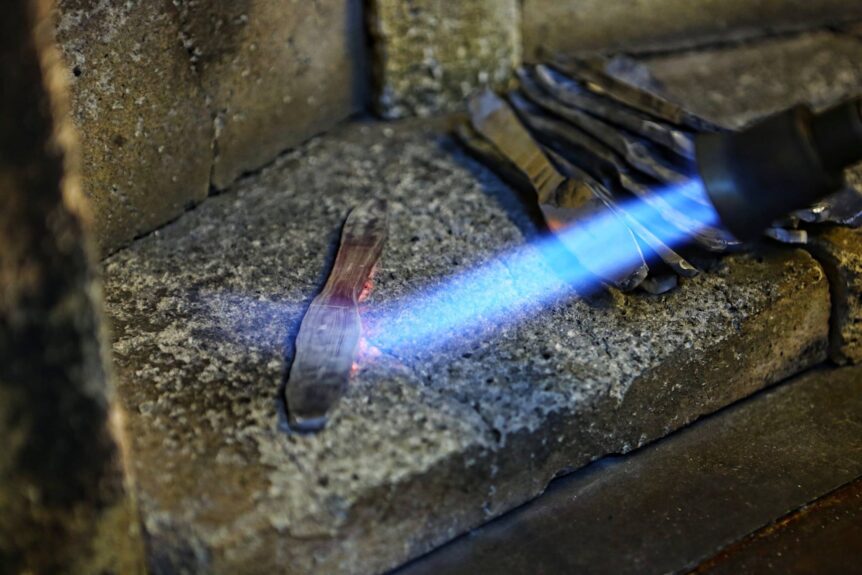
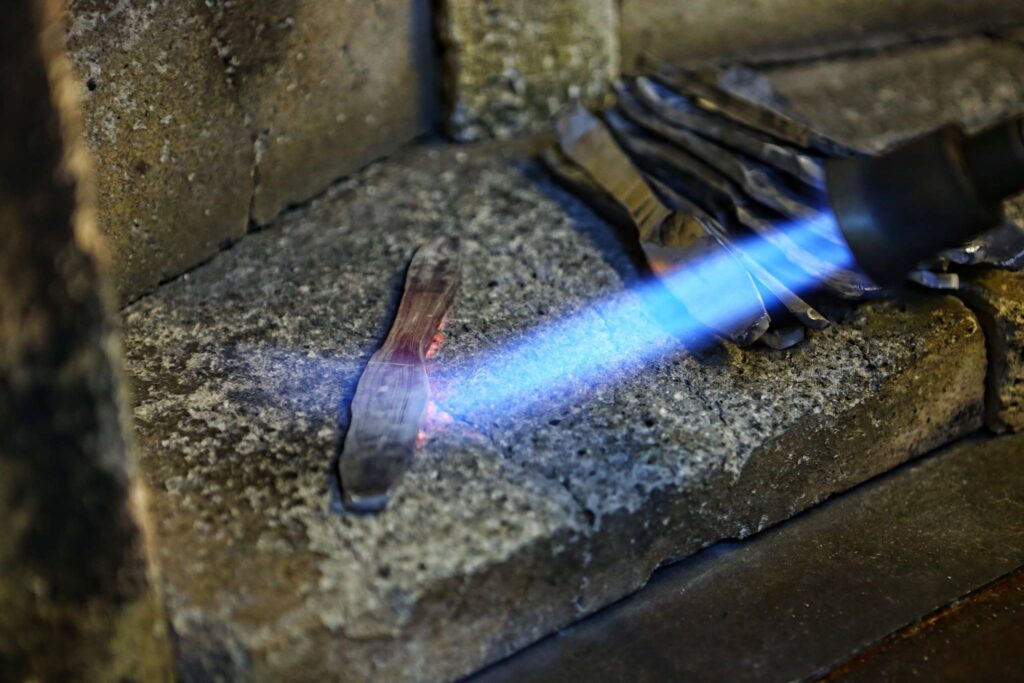
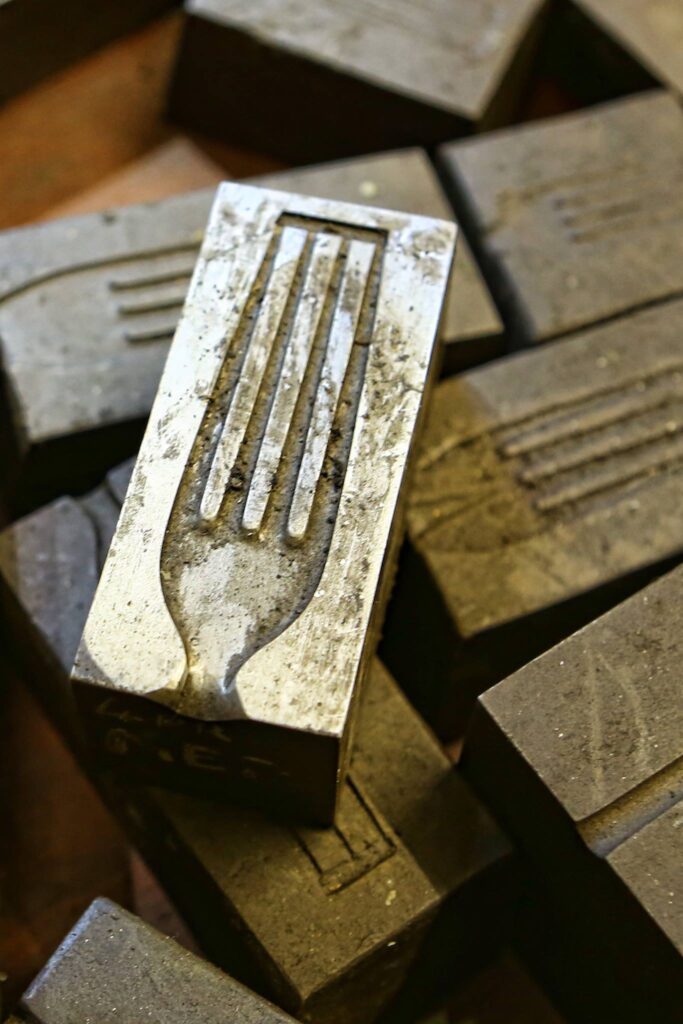
As she suggests, the world of antiques conservation is deeply intertwined with the world of curation. Each realm works with a specific skillset that benefits the other—a sentiment also voiced by Joan Boening of James Robinson, who has spent forty-five years as a dealer in antique silver. Boening notes that the silver market has not only experienced a decrease in demand but also a dearth of craftsmen with the right skills to work with antique pieces. She suggests bringing in new talent through apprenticeships, an immersive and dedicated training experience that would ensure that traditional skills are kept alive.

In the past, these skills were often passed down within families. According to Boening, in the last decade, at least three master silversmiths have been lost without anyone working with them to continue the craft. Boening believes that unless there are apprenticeship programs, there won’t be any silverware conservators in the future. “There are barely any programs teaching the decorative arts,“ she says, “so the only way to learn is hands on with a dealer or craftsperson.” Moreover, mastering traditional skills would foster greater problem solving, which can bring about evolution in conservation techniques.
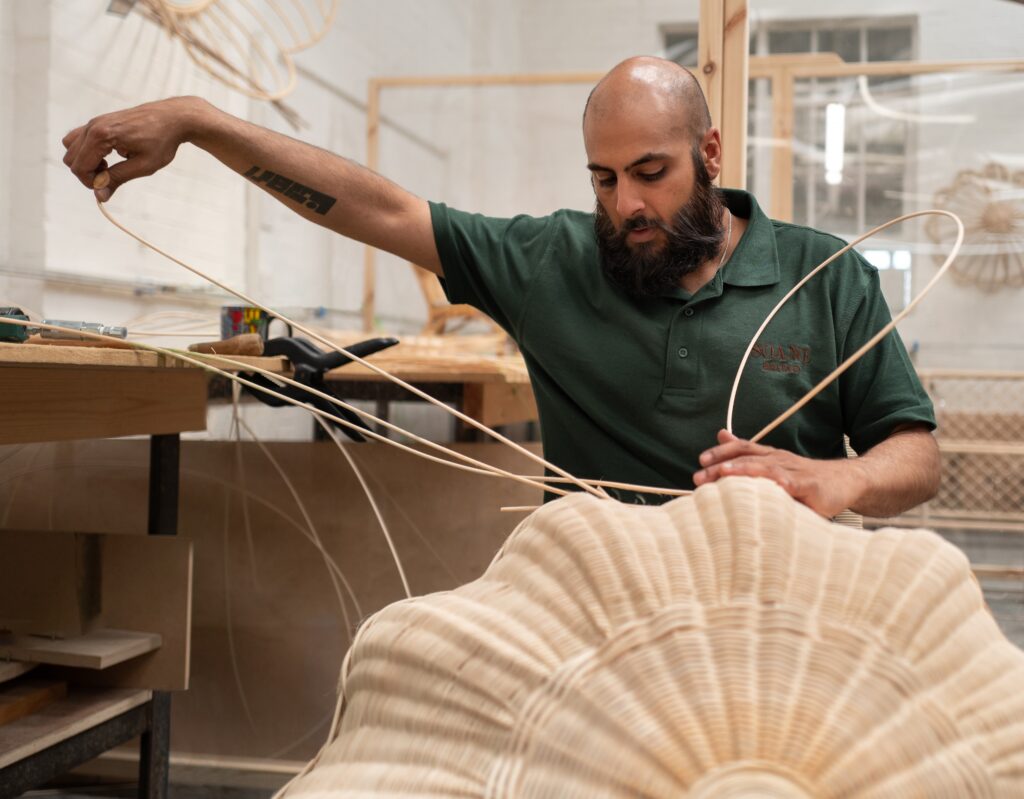
Heritage silversmithing techniques aren’t the only skills that are endangered. According to Lulu Lytle, creative director of Soane Britain, and whose love for antiques was sparked by museum visits in childhood, furniture making, basketry, pietra dura, parchment and vellum-making, papermaking, and rattan furniture–making are among the most endangered crafts. Over the past fifteen years, Soane Britain has revived the last rattan workshop in the UK, after its unexpected closure in 2010 after ninety-nine years in business. In 2013 Soane initiated a rattan apprenticeship program to keep the skills alive. To date, four craftspeople have successfully completed the course, and ten more are currently in training. Today, the reopened workshop employs seventeen rattan craftspeople, making furniture and lighting for clients globally, with more than 70 percent exported to the US.
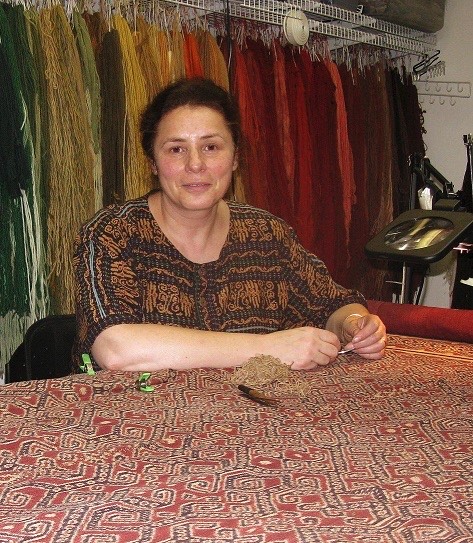
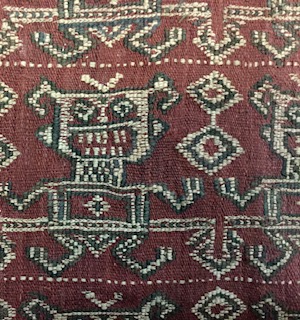
Textile conservator Vera Indenbaum is a testament to the power of effective apprenticeships. Born in the former Soviet Union, she happened on an advertisement for an apprenticeship in rug conservation. From there, her career led her to work at the Museum of Decorative Art in Moscow, where she had the opportunity to work on a variety of tapestry conservation projects, including ones in Vilnius (Lithuania), on flat-woven textiles in Baku (Azerbaijan), and on all kinds of European textiles at the Kremlin Museum. She now works in private practice in the United States, working with a wide range of textiles.
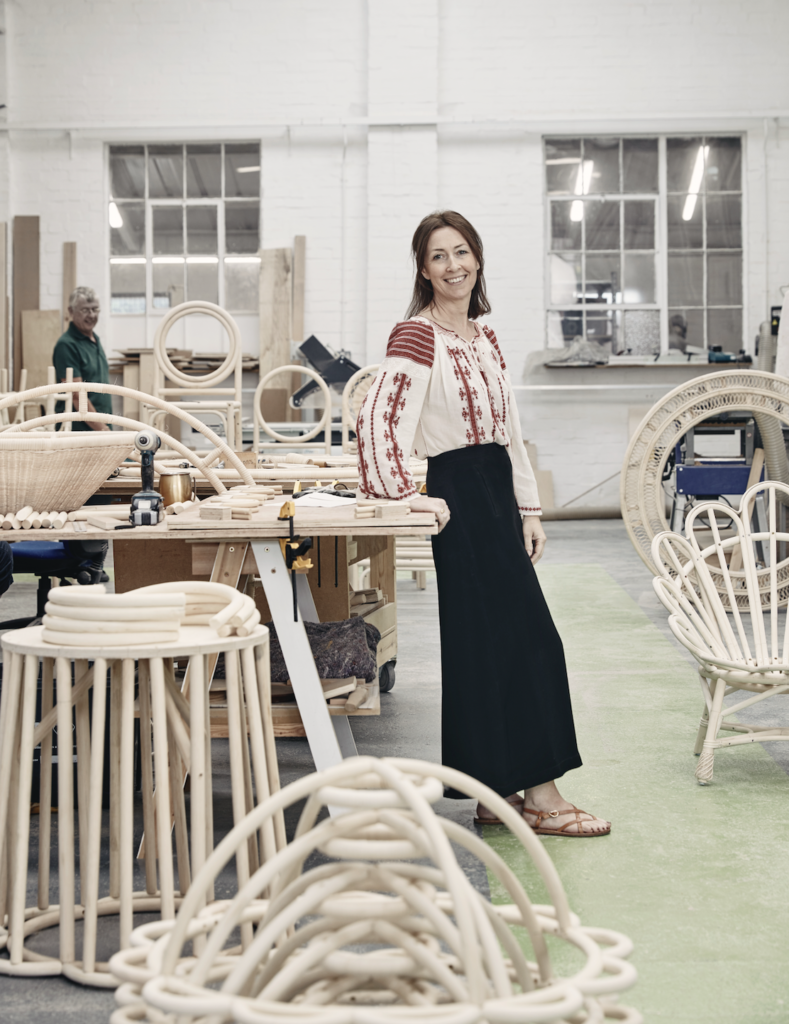
A common frustration among conservators is the general lack of understanding of what skilled craftspeople actually do. As Lytle notes, there is little communication about how things are made and about the people who make them. Many new collectors have limited knowledge of how handcrafted furnishings and other goods are produced, which makes it difficult for them to appreciate the true cost of production. This gap in understanding across the buyer market contributes to a devaluation of the craft skills required to create and repair fine furniture, home goods, and accessories. As a result, it is challenging to encourage new talent to enter a field that is not well understood.
For Indenbaum, the biggest misunderstanding about the field lies in a confusion between conservation and restoration. The latter is the process of returning an object to its original state (or close to it). The goal of conservation is not to make something look brand new but, armed with the knowledge of historically sensitive craft methods, to make repairs that will help it survive its journey ahead. In keeping with Lytle’s mantra for clear communication, she always takes the time to explain to her client the processes involved in such a project and to outline the best treatment plan.
With conversations around sustainability growing louder each day, the conservation of an antique object is the embodiment of sustainable practice itself. The work is meant to extend the life of what already exists while respecting the intentions of the maker and the stories and histories of the objects and their collectors.
Although the types of skills needed to preserve and maintain objects are varied, the sentiment around their importance remains the same across many fields. It is not too late to work toward the survival of these skills. With some dedicated organization and a little bit of time, we can collectively safeguard the longevity of antiques, keeping them “healthy” for others to enjoy over time. As Vera Indenbaum beautifully states, “Conservation evolves, but respect for craft remains timeless.”


