
We asked five curators at major institutions: How are you installing and considering folk and outsider art in the coming years?
Smithsonian American Art Museum
Leslie Umberger, Curator of folk and self-taught art
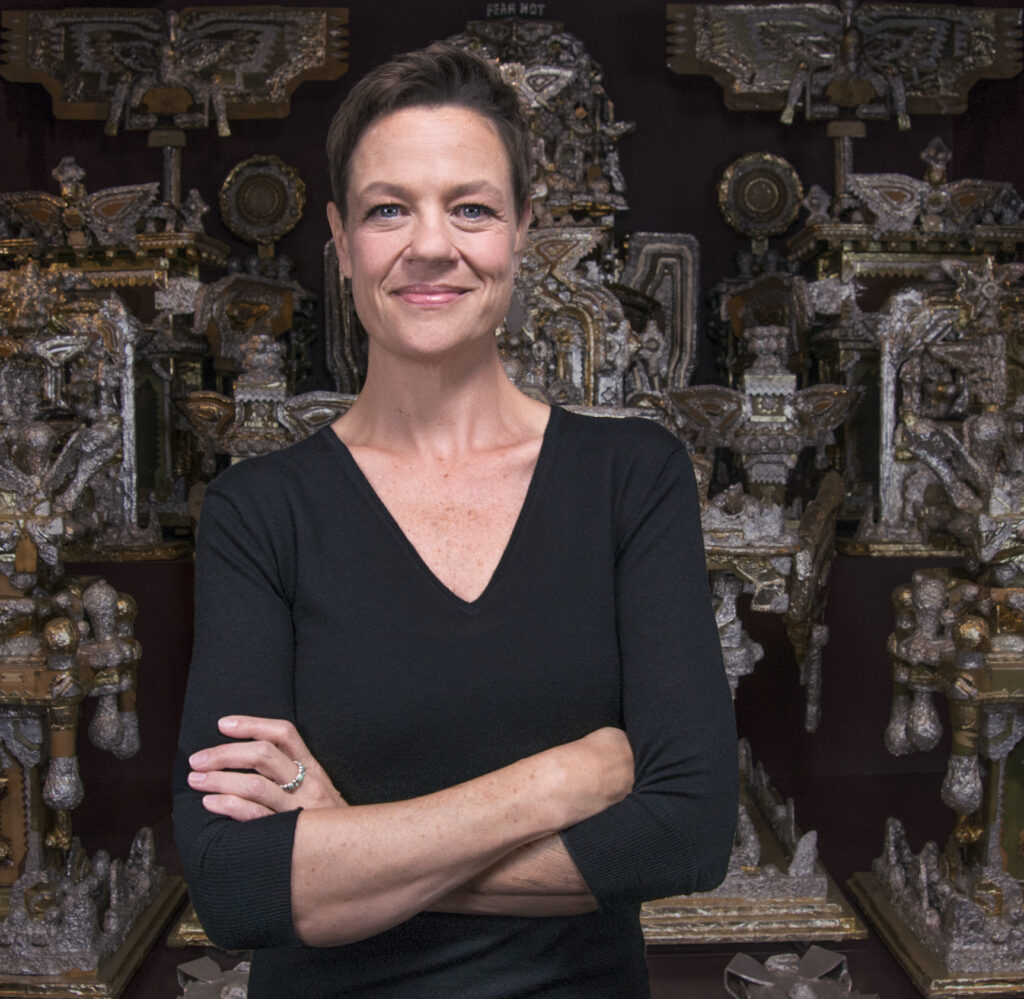
Since 1970, when James Hampton’s astonishing Throne of the Third Heaven came into the collection, the Smithsonian American Art Museum (SAAM) has made the work of folk and self-taught artists an essential part of its programming. SAAM takes the view that work by untrained artists has important distinctions from academic art, and that a multifaceted approach—showing this work in focused spaces, blended with broader thematic arcs across learning mechanisms, and within in-depth exhibitions—allows audiences to engage with it on various levels—as a unique genre and as an integral part of American art.
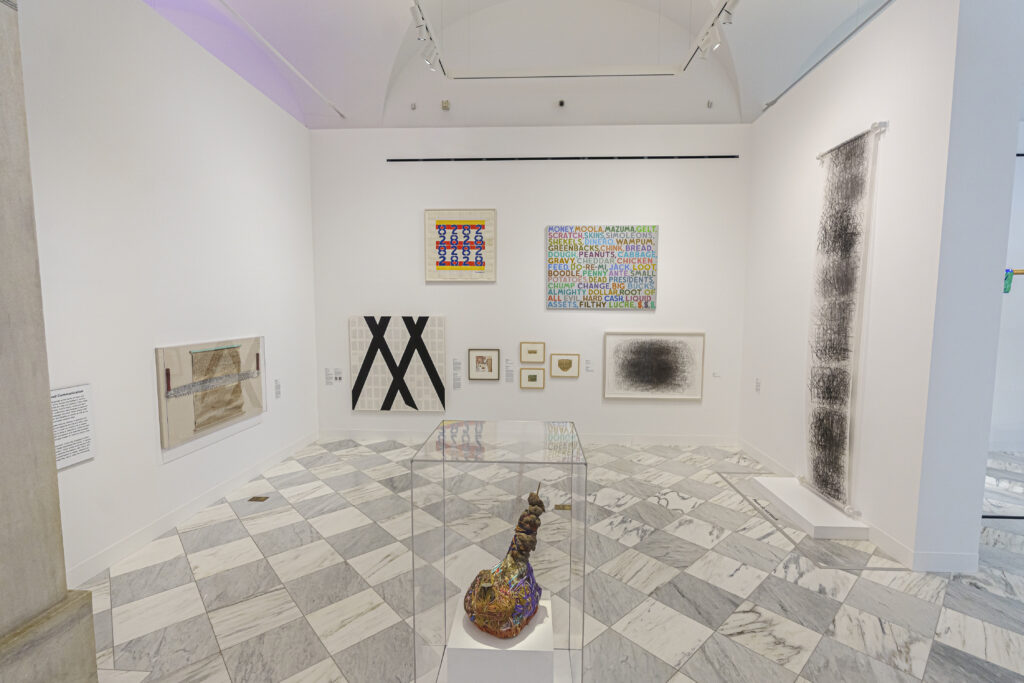
In 2023 SAAM opened a new installation of its third-floor modern/contemporary galleries that brings together works by professionally trained artists and those who learned from family, community, or on their own into shared spaces, connecting a broad array of creatives through common concerns and motifs, as well as concurrent timespans. The second-floor galleries, opening in 2026, will utilize smaller spaces in SAAM’s historic building to tell stories that played out in separate but overlapping moments and places across the nineteenth and early-to-mid-twentieth centuries.
These include the communally focused folk arts of the American Shakers and Amish quiltmakers, but also self taught artists who fused tradition and their own imaginations to make utilitarian items, personalized the home with handcrafted adornments such as quilts or paintings, and commemorated the things, beings, and places they held dear. But, because they lacked academic credentials in an era when this was considered key, they were rarely recognized or remembered as artists, despite contributions to American art that today are often regarded as iconic.
Another gallery will examine the mid-century era in which working-class Americans rose in visibility—both as subject matter for professional artists, and as artists in their own right, assertive makers who told their own stories in their own ways.
On SAAM’s first floor and in special exhibition projects, self-taught artists will play an exceptionally strong role, beginning this fall with the major solo exhibition, Grandma Moses: A Good Day’s Work. Further out, a thematic installation exploring artists’ deep connections to the land will present creatives across training spectrums; another will focus solely on those informed by vernacular traditions. Also in development, anticipated to culminate around 2029, is a major project encompassing the life and art of James Hampton, who became a pivotal figure in the field of American self-taught art when his life’s work was discovered in a Washington, DC carriage house after his death in 1964—and entered SAAM’s collection soon after. Hampton’s work, which fused Christianity and African American spiritual practices, asserted selfhood and ancestral pride, and conveyed the diasporic experience, dovetailed with themes of freedom, survival, and endurance.
This project will reveal Hampton’s multi-piece sculptural work of visionary faith as one of the most grand and extraordinary works in the history of American art, and, in a larger sense, confirm self-taught artists as central and critical parts of the American art story.


