How an unprecedented assemblage of more than two hundred rare, original American founding documents, objects, and artworks came together in an exhibition guest curated by Ken Burns.
Unmatched in scope and depth, The Promise of Liberty, at the Peoria Riverfront Museum, guest curated by Ken Burns, undoubtedly stands as the most comprehensive and immersive America 250 exhibition in the nation. Bringing together more than two hundred rare and historically significant original objects, documents, and artworks, the exhibition offers an unprecedented opportunity to encounter a treasure trove of the very artifacts that shaped the United States.
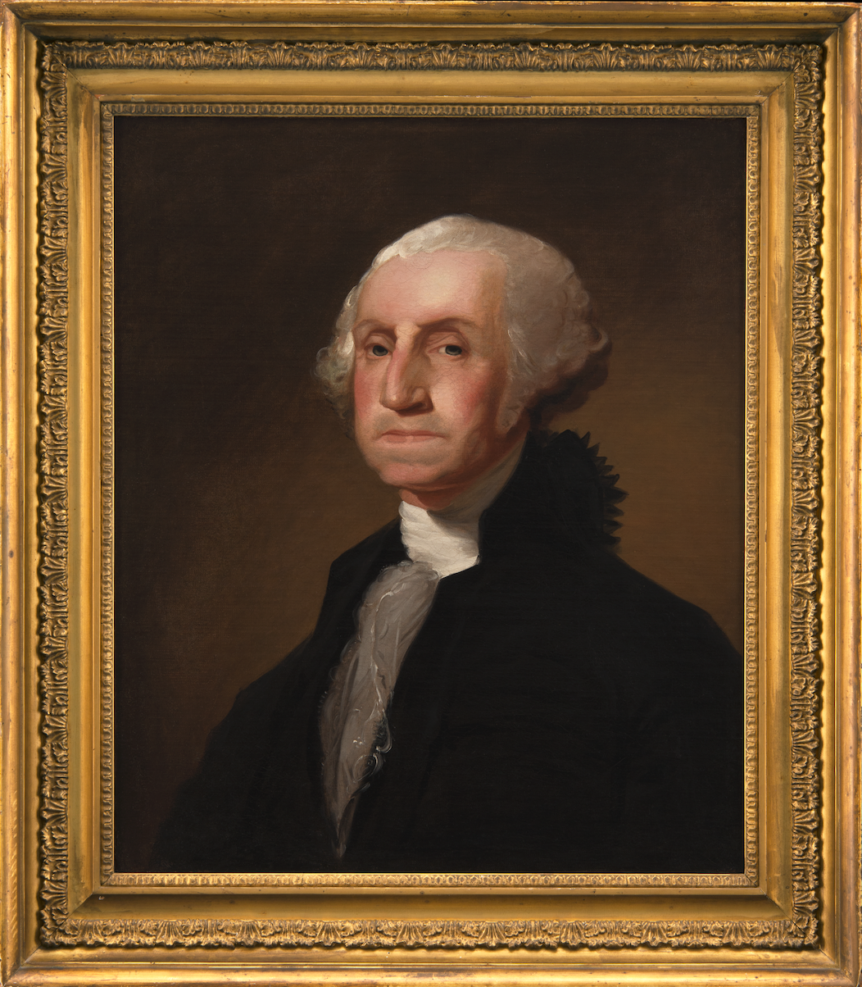
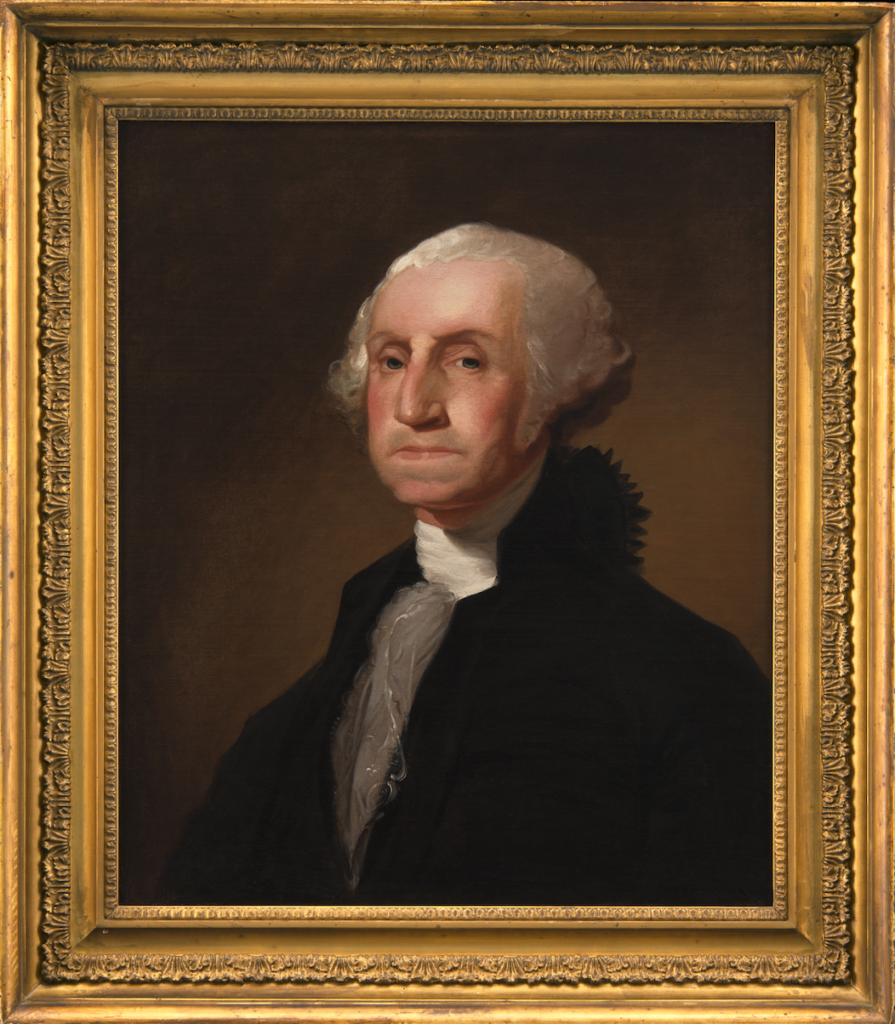
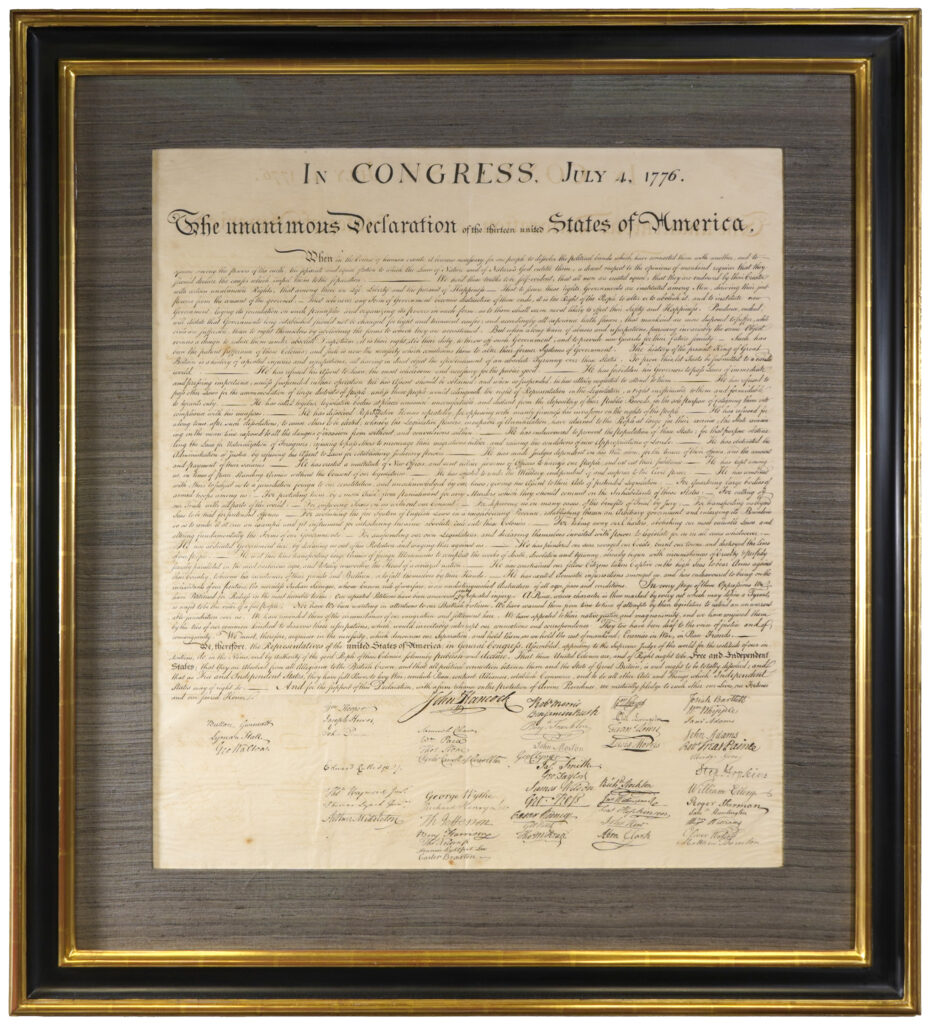
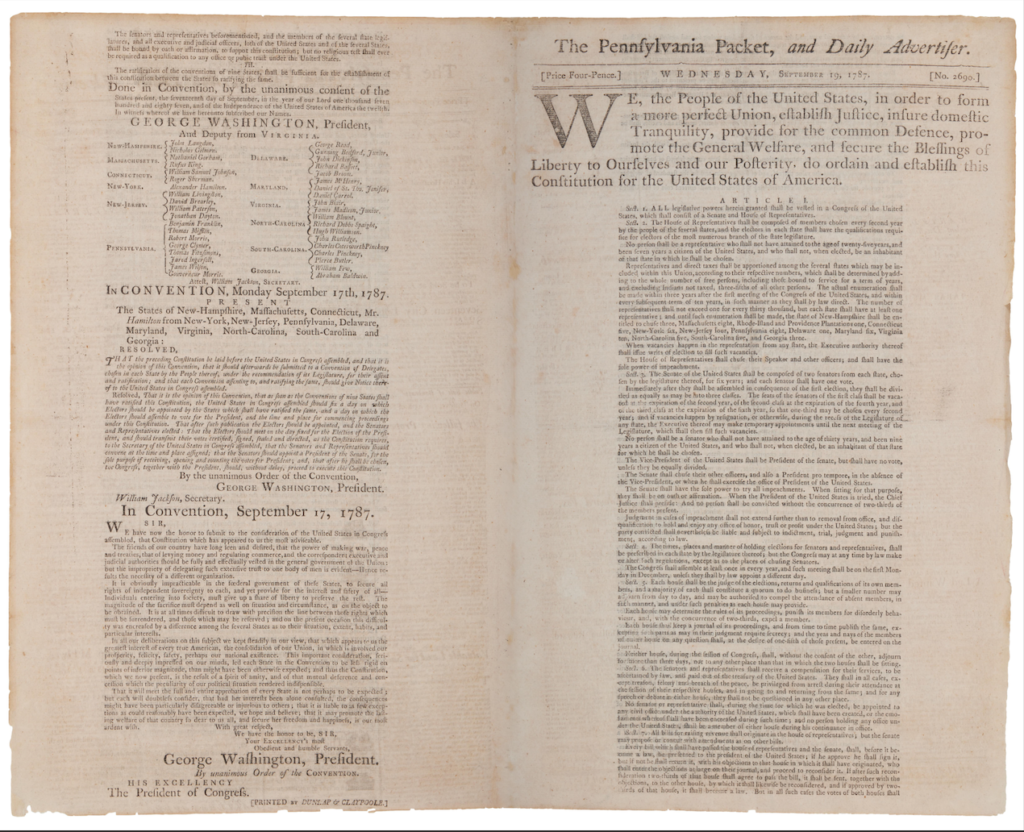
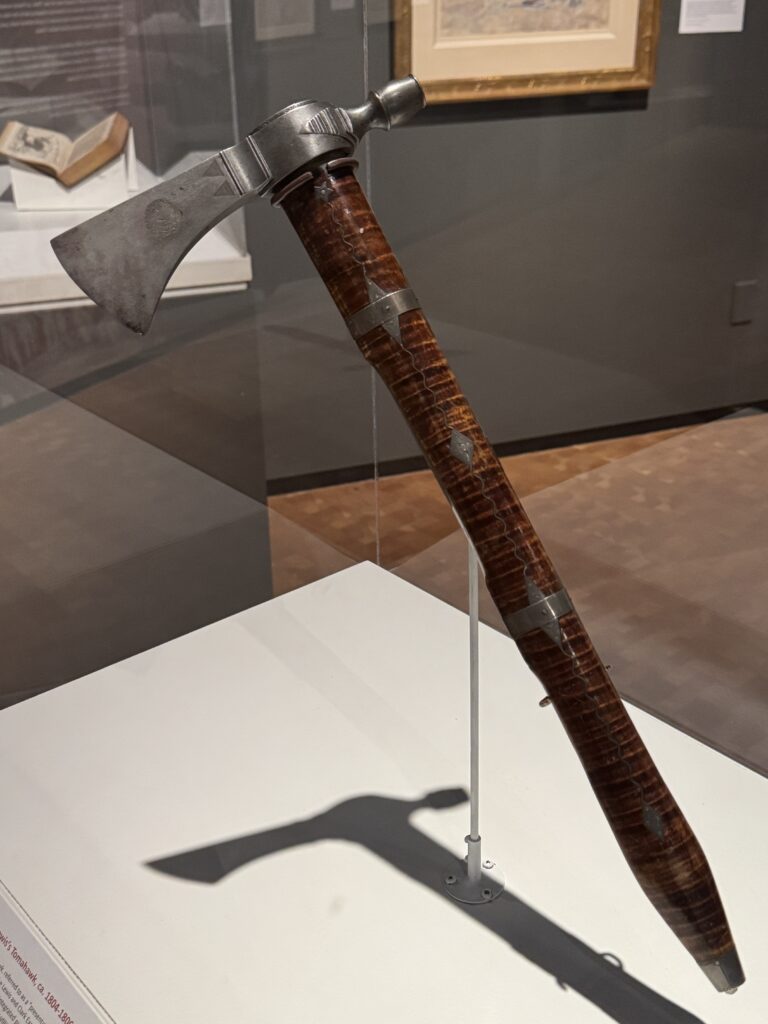
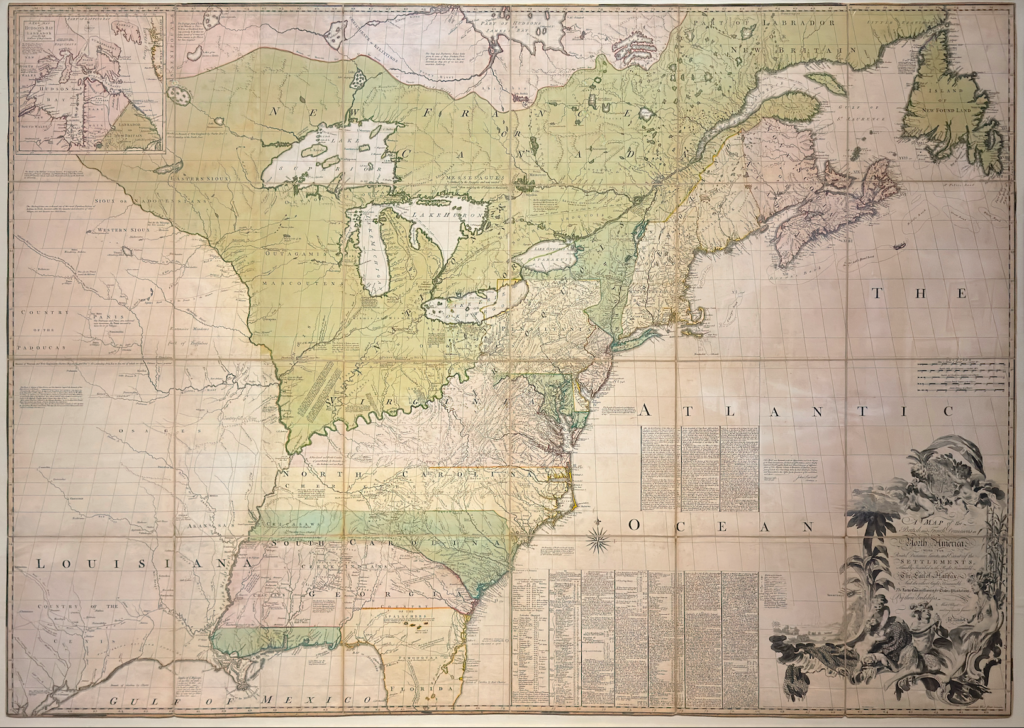
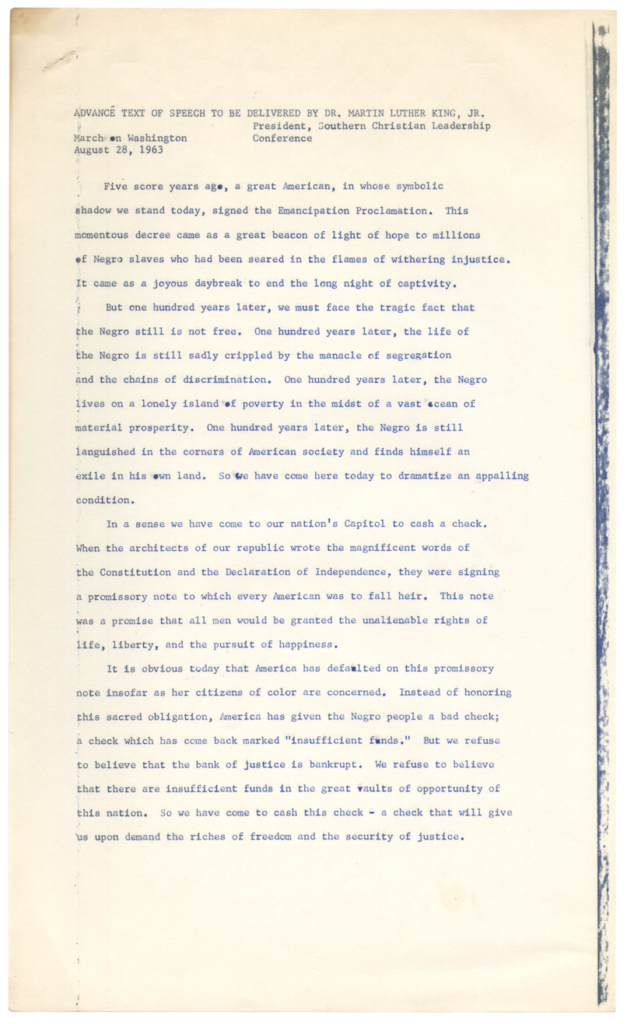
Imagine standing before a 1776 edition of the Declaration of Independence and the first printing of the United States Constitution; Gilbert Stuart’s famed portrait of George Washington; the Mitchell Map used during the Treaty of Paris to define the boundaries of the newly independent United States; Meriwether Lewis’s 1814 pipe tomahawk, carried during the Lewis and Clark expedition that reshaped the nation; and an original 1963 copy of Dr. Martin Luther King Jr.’s “I Have a Dream” speech expanding on the founding documents as a “promissory note” for all Americans—all in one place just to name a few.
What has truly elevated The Promise of Liberty is the museum’s extraordinary collaboration with legendary American filmmaker Ken Burns, who serves as guest curator. Burns’s involvement is not honorary, it is as deeply embedded in the exhibition’s vision. For more than half a century, Burns remains the preeminent chronicler of the American experience—from The Civil War (1990) to National Parks (2009) to The American Revolution (2025)—with more than a dozen Emmys for his landmark PBS documentaries.
Peoria Riverfront Museum, Illinois.
Undertaking such an ambitious exhibition required an inventive melding of rigorous scholarship and accessible storytelling, achieved with Burns’s guidance in his first role as a museum curator. The Peoria Riverfront Museum began working with Burns in 2021, as one of a select group of institutions to display his private collection of American quilts, for which the museum published his first catalogue, Uncovered: The Ken Burns Collection.
From countless virtual meetings to recording The Promise of Liberty’s intro video—and even agreeing to become a life-size hologram—Burns has helped the museum give voice to the most extensive collection ever gathered of original documents, objects, and artwork related to America’s path to political liberty.
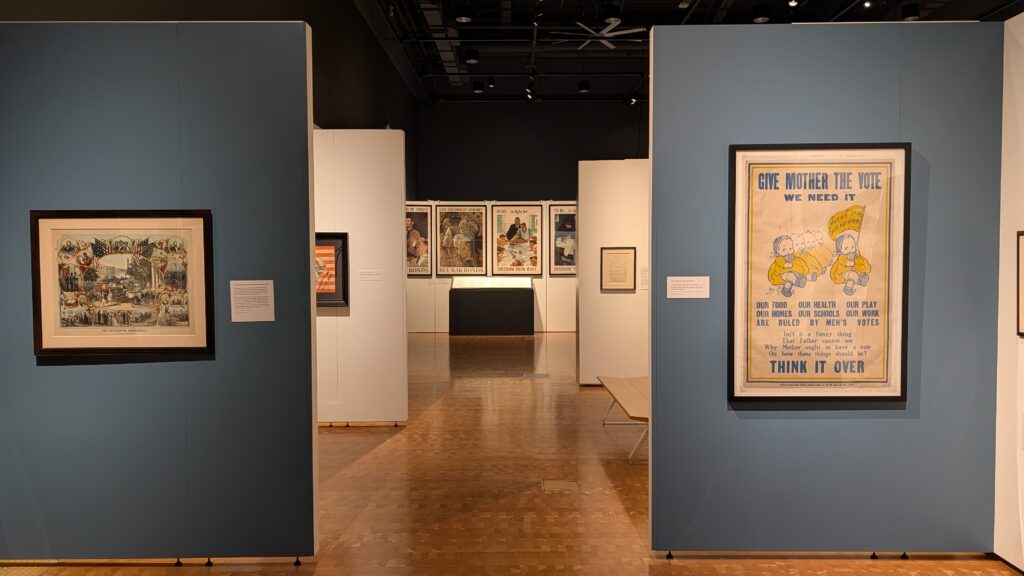
(c. 1795–c. 1841), New York, c. 1870 (left); Give Mother the Vote, We Need It, lithograph printed in New York c. 1911–1920 by the National Woman Suffrage Publishing Co. (right); and Norman Rockwell’s iconic Four Freedoms posters (on back wall).
Burns speaks of “putting the ‘us’ back in the U.S.,” presenting history as a shared, ongoing human story rather than a series of isolated dates and events. With clarity and emotional depth, he brings the past to life through personal artifacts, such as photographs, letters, and diaries. Similarly, The Promise of Liberty weaves the story of “us” through founding documents, historic objects, and significant works of art, from the pre-Revolutionary era through the Civil Rights Movement, illuminating the complexity of the nation’s journey.
Peterson Family Collection.
If the Declaration of Independence is America’s mission statement, the Constitution is its operating system. Access to these ideas is at the heart of the exhibition. The project began as an ambitious vision rooted in America’s heartland. Along the Illinois River—at its widest point in a river valley inhabited for more than ten thousand years—Peoria stands as Illinois’s oldest continuously settled community, dating to 1680, when French explorers established Fort Crevecœur. Here, in this quintessential Midwestern American city, the Peoria Riverfront Museum has produced a yearlong series of programs, performances, and exhibitions, anchored by The Promise of Liberty, in celebration of the nation’s 250th anniversary.
Collection of W. Graham Arader III.
Museum president and CEO John D. Morris, a Peoria native, sparked the idea and brought together the partners to realize it. A cornerstone moment came with the loan of Gilbert Stuart’s portrait of George Washington from Colonial Williamsburg, facilitated by board member Gerry Shaheen and Colonial Williamsburg CEO Cliff Fleet. The museum’s collaboration with Alice Walton and the Art Bridges Foundation since 2019 has also been instrumental. Walton’s acquisition of Edward Hicks’s George Washington Crossing the Delaware—and her immediate agreement to lend it—reflects her commitment to broad access to American art and history.
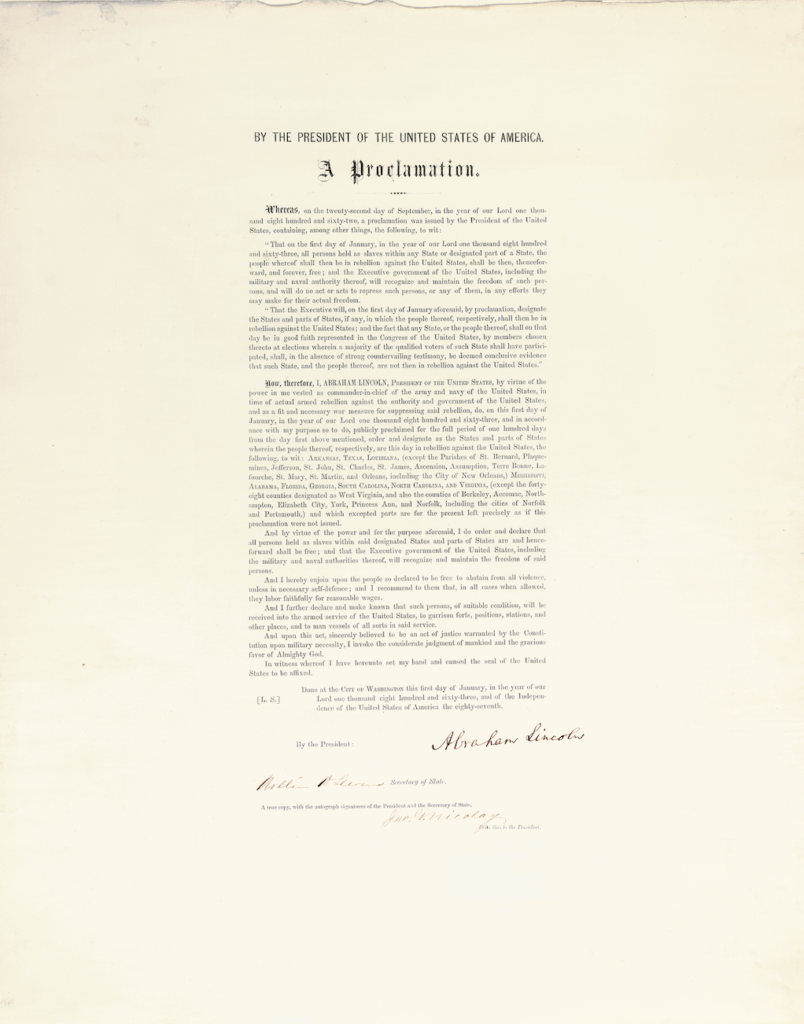
Private collection; photograph courtesy of Seth Kaller, White Plains, New York.
The path to the exhibition was further shaped by serendipity, including a reconnection with rare founding documents expert Seth Kaller during an America 250 planning conference at Colonial Williamsburg. Kaller’s role carries a sense of symmetry. He began his career some thirty-five years ago working with the late Lewis Lehrman, author of Lincoln at Peoria: The Turning Point (2008), which identified Peoria as pivotal in Abraham Lincoln’s rise. Long committed to bringing foundational American documents together in a compelling narrative, Kaller facilitated many of the exhibition’s most significant document loans. These include a 1776 Declaration of Independence, a first printing of the Constitution, King ‘s 1963 speech, Washington’s “To Bigotry No Sanction” letter, a Constitutional Convention cover letter emphasizing compromise, a Lincoln-signed Thanksgiving Proclamation, the Emancipation Proclamation, and more than fifty additional rare documents.
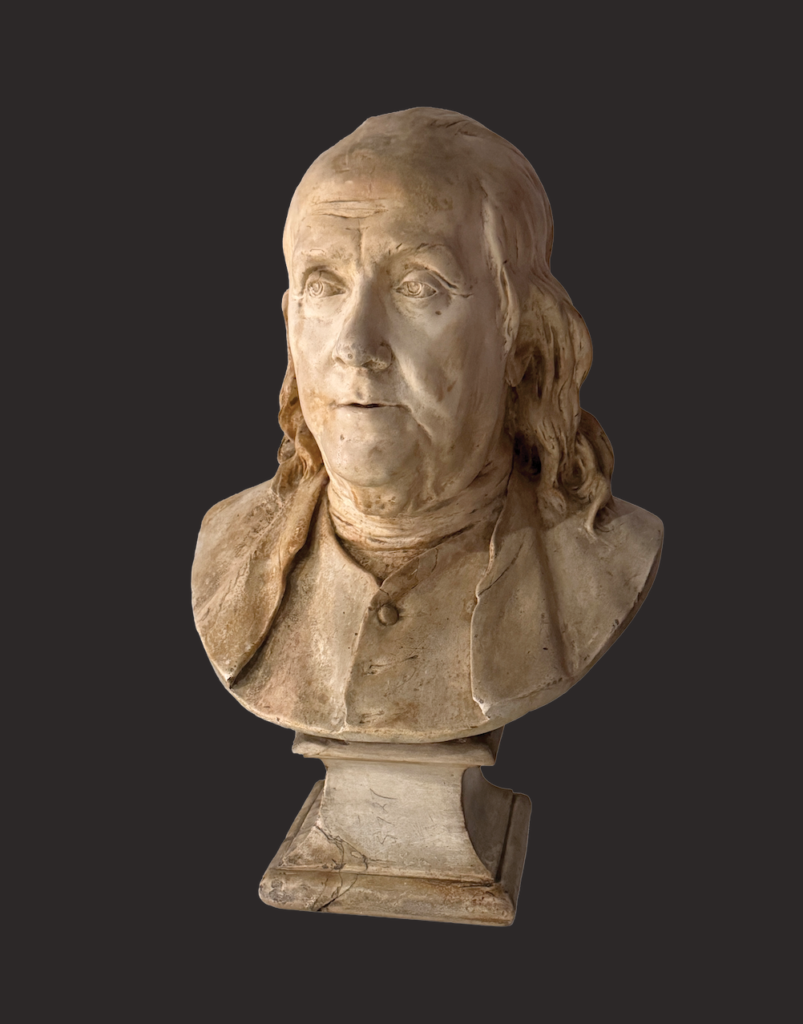
The exhibition also features such remarkable objects as a life mask of Washington, one of only two known casts taken directly from life in 1785; Augustus Saint-Gaudens’s 1887 bronze Standing portrait of the 16th U.S. President, Abraham Lincoln; and a salt print of Abraham
Lincoln taken just steps from where the museum now stands in 1858, four years after his abolitionist Peoria Speech that changed the trajectory of his career.
Even the custom cases housing these treasures tell a story. They were built by the Peoria Tribe of Indians of Oklahoma—the ancestral people of Illinois—through a renewed collaboration led by Chiefs Rosanna Dobbs and then-chief, Craig Harper, ensuring the exhibition reflects the region’s deepest historical roots.
The Museum’s Center for American Decoys also pays tribute to a traditionally Native artform.
As we reflect on the past and look toward the future, this undertaking by the Peoria Riverfront Museum stands as a testament to the power of local institutions to make meaningful contributions to national celebrations and shape national conversations.
The Promise of Liberty explores America’s boldest idea: that liberty belongs to all. The ongoing effort to realize that promise is reflected in this unprecedented gathering of over two hundred of the most significant objects in U.S. history—a shared inheritance—reintroducing the Declaration of Independence and the Constitution, not just as artifacts of the past, but as tools for the present.
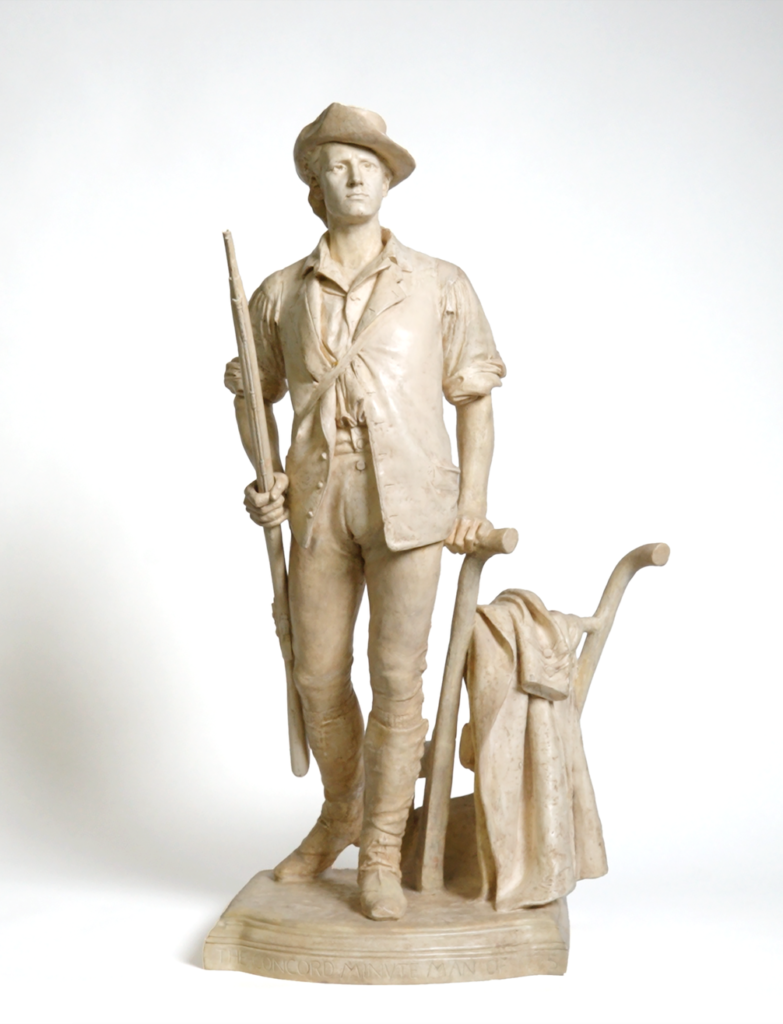
At the heart of this powerful exhibition is a simple but enduring idea: E Pluribus Unum—Out of Many, One. America’s strength has always come from its people. From every background, ability, belief, identity, and walk of life, generations have shaped the nation’s evolving promise of freedom and equality. Democracy, though imperfect and challenging, it is still humanity’s most powerful framework for self-government.
The exhibition is sponsored by the Gilmore Foundation, Ashley and Josh Bellamy, McKinnon Family Foundation, America 250 Donors, the Visionary Society, and Friends of History.
For a list of upcoming events at the Peoria Riverfront Museum, see the Events page at themagazineantiques.com.
BILL CONGER is the chief curator of the Peoria Riverfront Museum.


