Marking the nation’s 250th anniversary, the Huntington reimagines American history through the lenses of conflict and change.
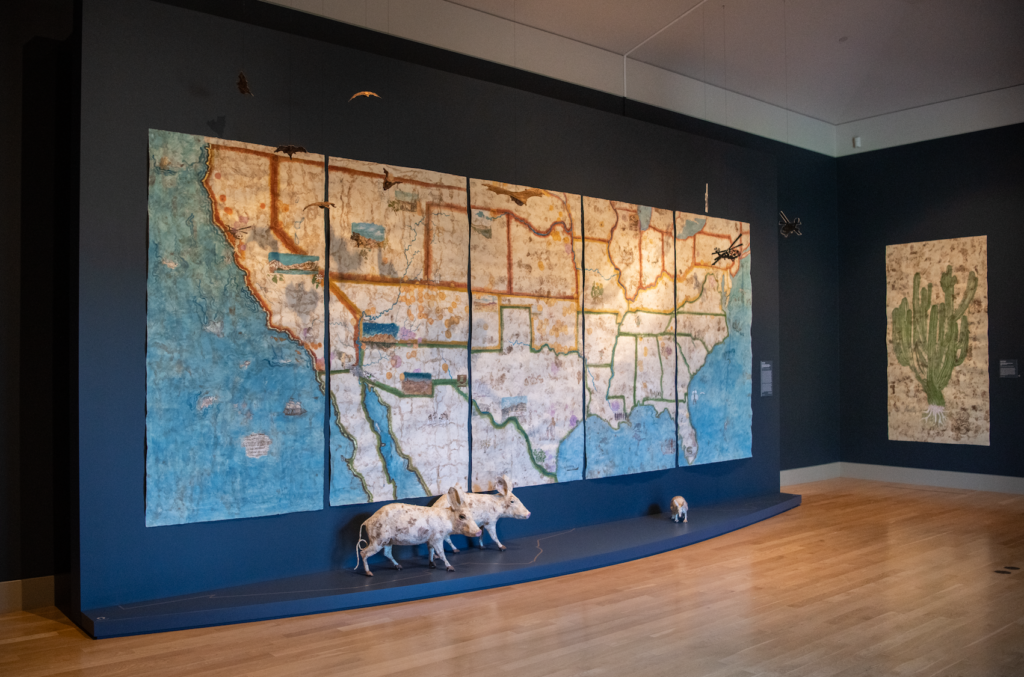
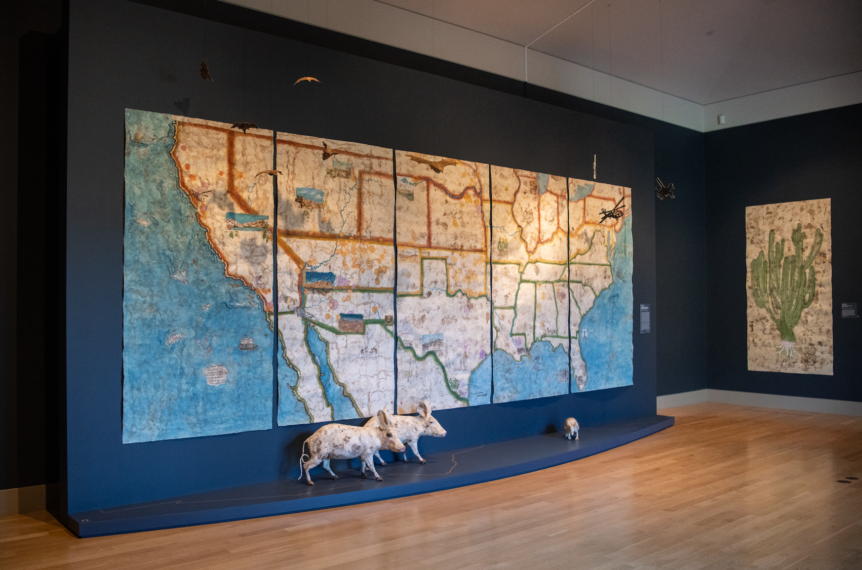
peccaries (javalinas) and armadillos representing animals that live along the Mexican-American border. The map is hand-processed watercolor and 23k gold on amate paper, with each panel measuring approximately 97 by 48 inches. Collection of the artist, © Sandy Rodriguez.
Except as noted, all photographs are by Linnea Stephan, courtesy of the Huntington Museum of Art, San Marino, California.
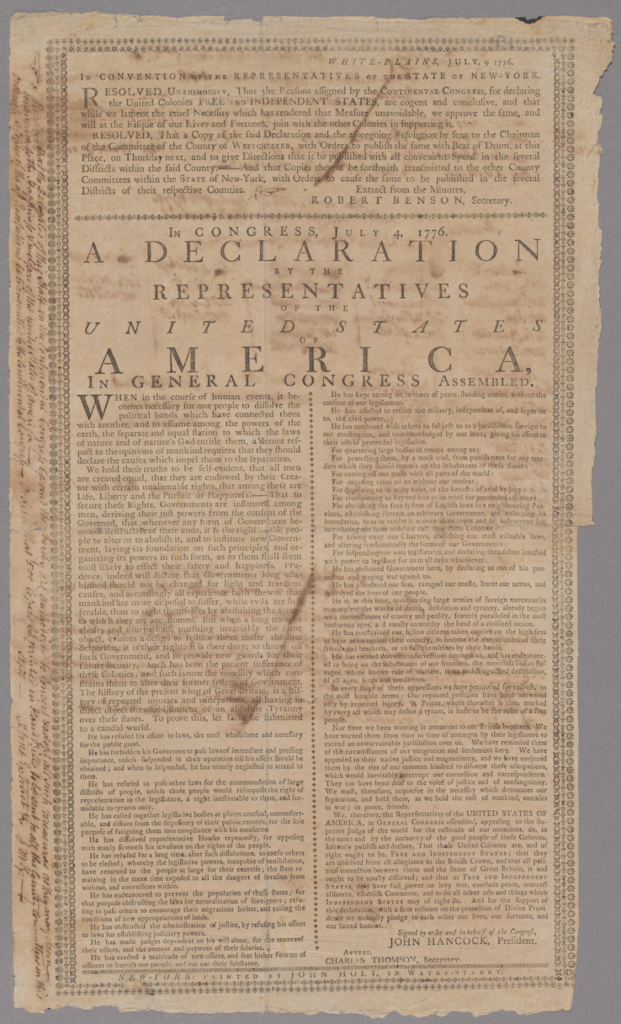
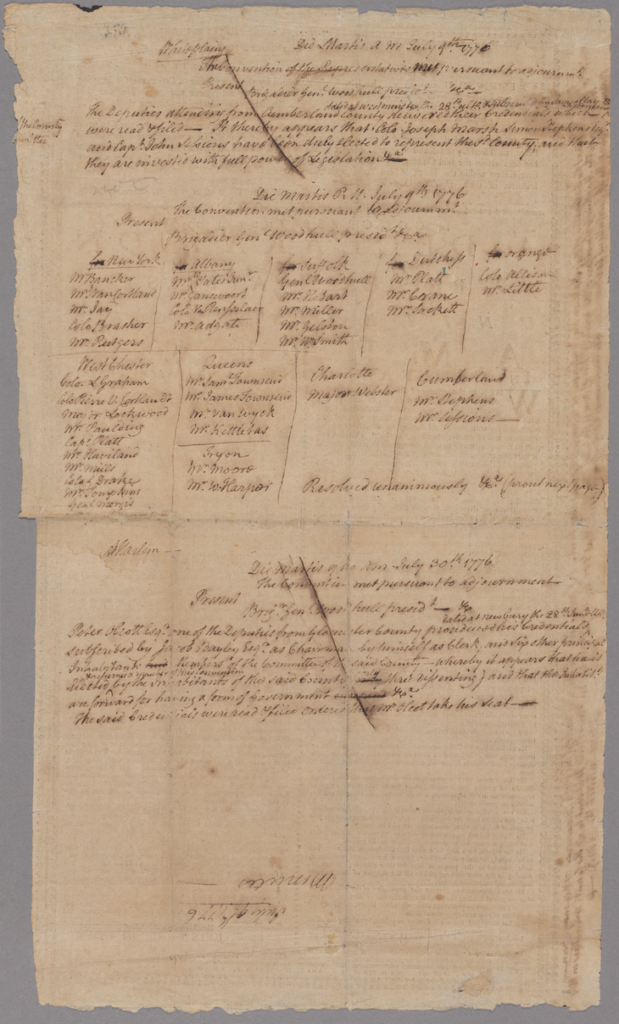
In July 1776, just as the first printed copies of the Declaration of Independence were being prepared for circulation, the printer and newspaper publisher Henry Holt in New York created an elaborately ornamented version as a broadside. The Huntington’s unique copy, purchased by Henry E. Huntington in 1920, is annotated by John McKesson, secretary of New York’s Fourth Provincial Congress while it considered the resolution to approve the Declaration on July 9, 1776. On the back, McKesson noted the arrival of delegates from New York’s counties in the morning and afternoon and the final tally of votes. When the resolution was approved, New York became the thirteenth colony to adopt the Declaration, which made it unanimous. Yet, McKesson’s annotations show that the Declaration was an unfinished project, the outcome of which was not yet certain, as it remains so today.
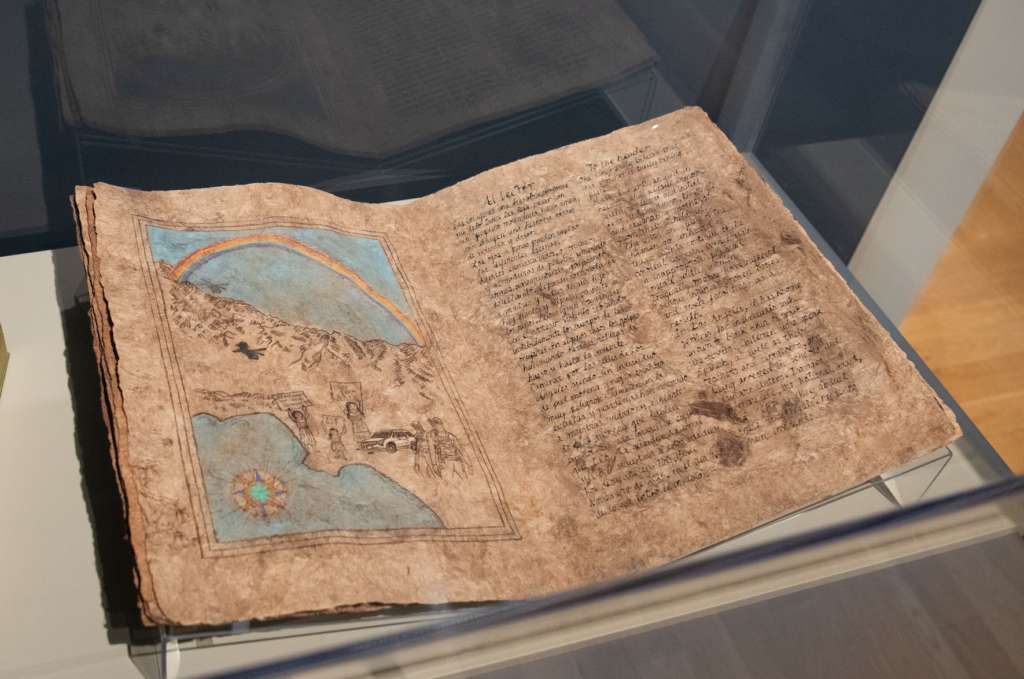
as the Florentine Codex), an extensive encyclopedia of Indigenous culture and history in Mexico; its content is from current news coverage of ICE incidents and resistance. Collection of the artist, © Sandy Rodriguez.
Commemorating the 250th anniversary of the nation, a major reinstallation of the American art galleries at the Huntington Library, Art Museum, and Botanical Gardens in San Marino, California, presents eleven new spaces dedicated to art from the colonial period through the Civil War and Reconstruction era. The reinstalled galleries explore issues of land, history, and identity within a global context and unveil exciting new acquisitions of works by Winslow Homer, Grafton Tyler Brown, Edward Mitchell Bannister, Agostino Brunias, Jean-Baptiste Carpeaux, Kara Walker, Nari Ward, and others. Additionally, the Huntington is offering a year-long slate of public programming, a newly reimagined garden outside the galleries, and a special exhibition titled This Land Is . . . , which encourages visitors to reflect on key moments of American history through our historical collections and to fill in the line from Woody Guthrie’s famous song.
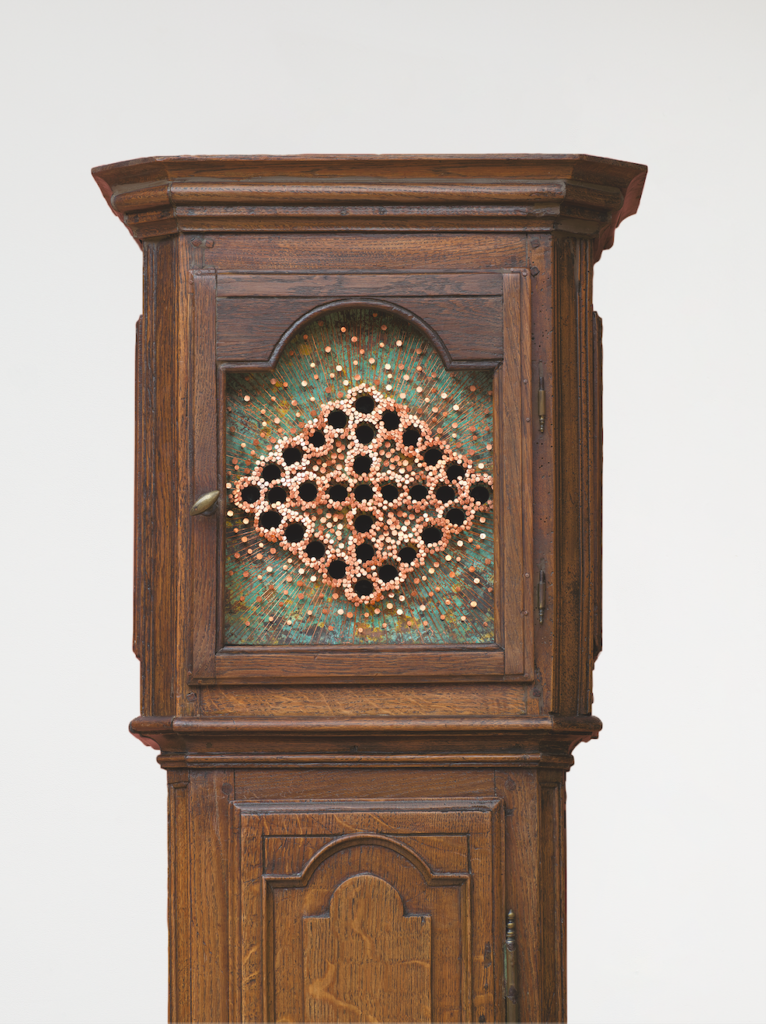
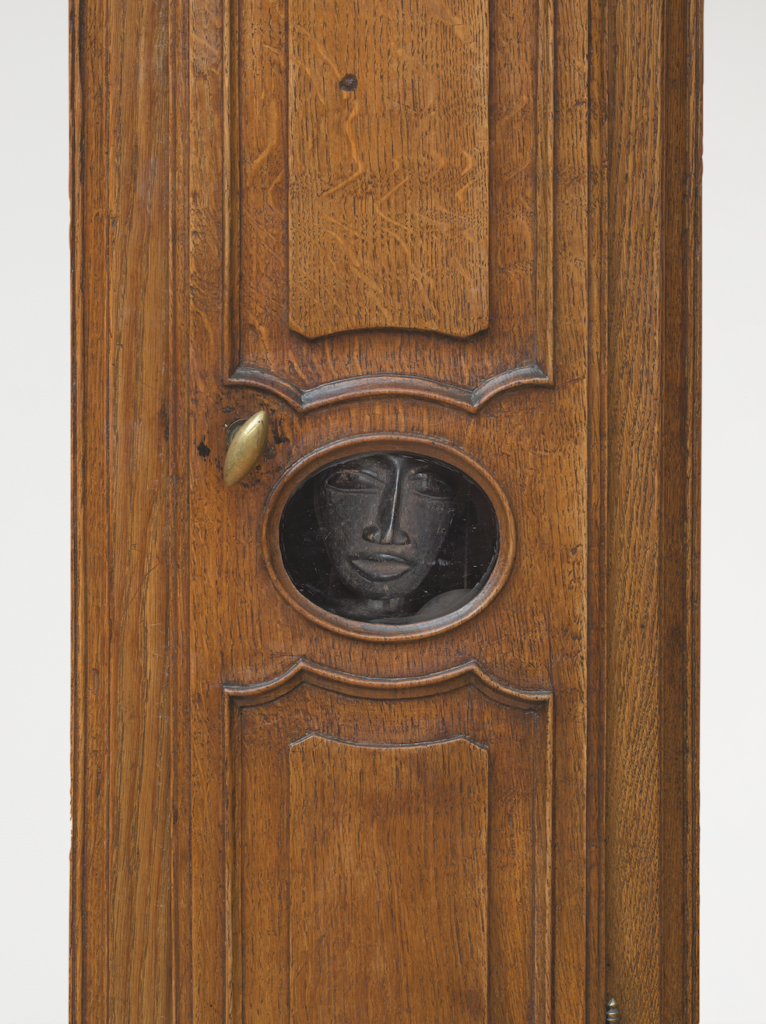
diamond-shaped Kongolese symbol in place of the face and a West African sculpture that peers out from the body of the case. Except as noted,
the objects illustrated are in the Huntington Library, Art Museum, and Botanical Gardens, San Marino, California. Purchased with funds from
the estate of George and Nancy Parsons. Courtesy of the artist, © Nari Ward. Ward detail photographs courtesy of the Huntington Art Museum.
The new galleries offer an opportunity to reflect not only on the nation’s history but also on the relevance of this history in California, which at the time of the Declaration of Independence was part of the Spanish viceroyalty of New Spain. In the 1770s, Spanish explorers and missionaries were establishing a chain of mission churches along the coast of California, connecting the region to New Spain but also creating diverse communities of Indigenous, African, and European heritage that form the rich cultural history of the region. It was not until the 1848 Treaty of Guadalupe Hidalgo, when Mexico ceded more than half of its land to the United States, that the western territories would enter the union, including California, which became a free state in 1850.
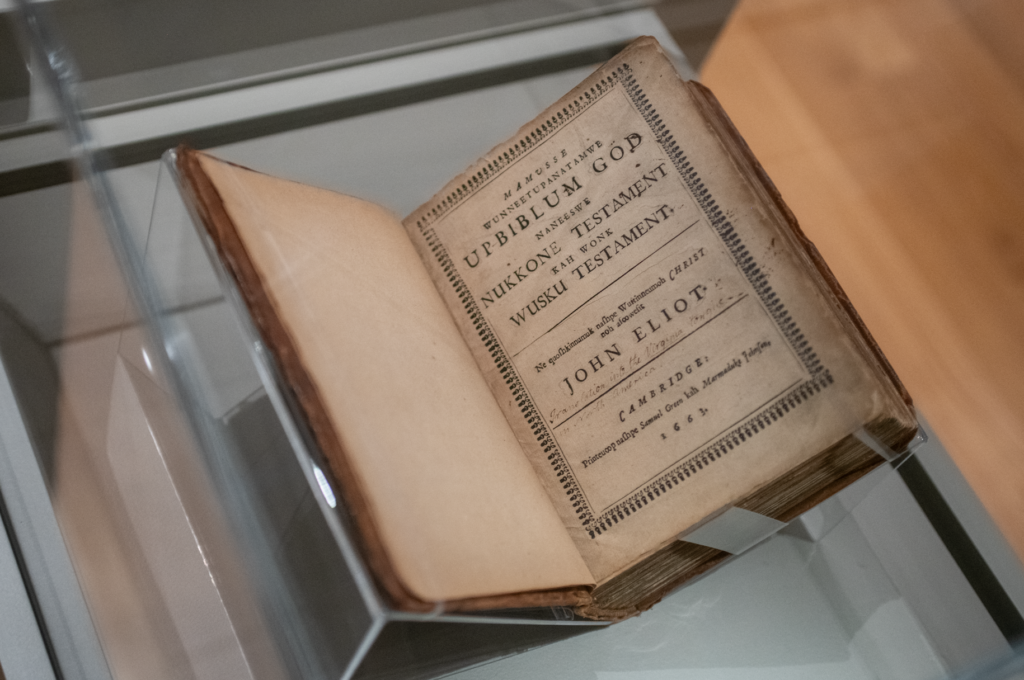
Colonies in New-England (Cambridge, Massachusetts: Samuel Green and Marmaduke Johnson, 1663). Published under the guidance of John Eliot
(1604–1690) and known as the “Eliot Bible,” it was the first translation of the Christian Bible into an Indigenous language. Closed it measures 7 3/4 by
6 inches. This is one of three versions of the Eliot Bible in the collection.
In commemorating this anniversary year, The Huntington worked with contemporary artists, including Los Angeles-based Sandy Rodriguez, who painted a large-scale map of the United States for the entrance to the American galleries. The lines of the map are based on nineteenth-century maps in the collection, showing how state boundaries and political regions have shifted over time. Rather than using European-style paper, like the laid linen rag paper that the Declaration is printed on, Rodriguez uses amate, a thick, hand-beaten fig-bark paper traditionally used in Mexico. Amate paper was outlawed by the Spanish in the sixteenth century, and many Indigenous manuscripts were lost or destroyed; by incorporating amate into her work Rodriguez is recovering ancient artistic traditions as a statement of resistance and survival. She traveled widely in the American West and South, producing colorful vignettes that dot the map, as well as references to current events and federal immigration policies along the US border. The work is part deeply historical, part ripped from the headlines. Rodriguez also uses pigments from sources such as those found in the Huntington’s botanical gardens and the landscape beyond the galleries, helping visitors understand histories of artmaking from a cross-cultural perspective.
Huntington Art Museum photographs.
The focus on materials continues in other new galleries, including one presenting art of the colonial period from a global point of view. The colonial Americas were at the center of sprawling transatlantic and transpacific trade routes that brought people, goods, and materials from across the world. European colonial powers contested over sources of wealth, including not only gold and silver but also prized woods like mahogany, sugar, and other commodities. The galleries tell these stories through such objects as mahogany desks-and-bookcases, silver coffee pots, porcelain sugar bowls, and talavera chocolate jars. Along with lavish oil-on-canvas portraits, some incorporating imported pigments, these objects expressed worldliness both through their cosmopolitan, Euro-centric styles and the ability of colonial powers to control long-distance trade networks over land and water.
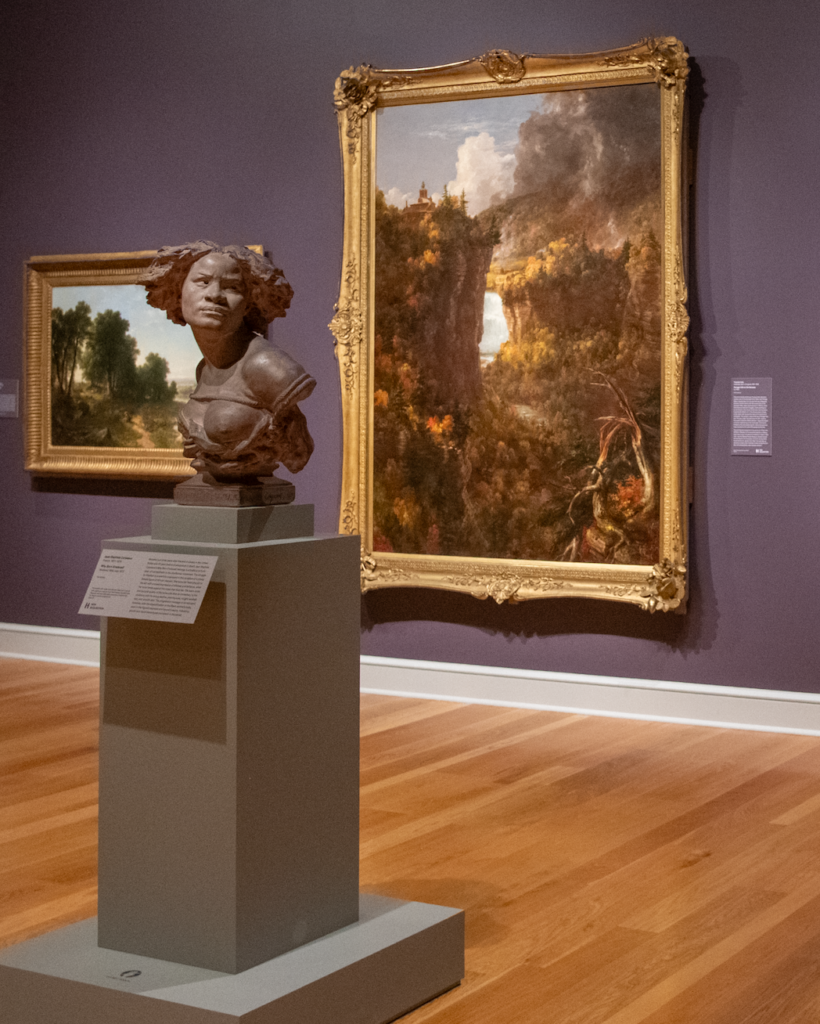
Cole (1801–1848), a record of the building of the Genesee River Canal in New York State during the late 1830s.
A work by a contemporary artist in this gallery, Anchoring Escapement: Baule by Jamaican-born, New York-based Nari Ward, is a powerful assemblage that sheds light on issues of colonialism. In place of the clock face, the artist inserted a diamond-shaped Kongolese symbol he first encountered in the First Baptist Church in Savannah, Georgia, one of the earliest African American churches in the United States and a site on the Underground Railroad. Drilled into the floorboards of the church, this symbol allowed people escaping from slavery who were hiding under the floorboards to breathe. Inside the body of the clock, a West African sculpture peers out from behind the glass. Placed next to historical clocks in the museum’s galleries, Ward’s work offers a profound critique of the Enlightenment, which was underpinned by the transatlantic slave trade. The title, suggesting the act of escaping, also refers to the “anchor escapement” of an eighteenth-century clock, the part of the mechanism behind the dial that regulates time.
Among the rarities from Henry Huntington’s early collection on display is a copy of the Harvard Indian College Bible, also known as the “Eliot Bible” Published in the early 1660s in various editions, it was the first translation of the Christian Bible into an Indigenous American language and the first Bible published in British North America. The project was led by John Eliot, an English Puritan missionary, assisted by a team of Algonquian-speaking translators. More than a thousand copies of the complete Bible, including both Old and New Testaments, were printed in 1663, intended to be used to evangelize Indigenous populations in their own language. While arguably not a missionary success, the project set down the Algonquian language into Latinate text, preserving aspects of the spoken language that scholars study today. It also shows that America was from the start a pluralistic society, yet one that was imperfect and evolving, composed of many voices and contesting priorities.
Gift of The Ahmanson Foundation in honor of the 250th anniversary of the signing of the Declaration of Independence.
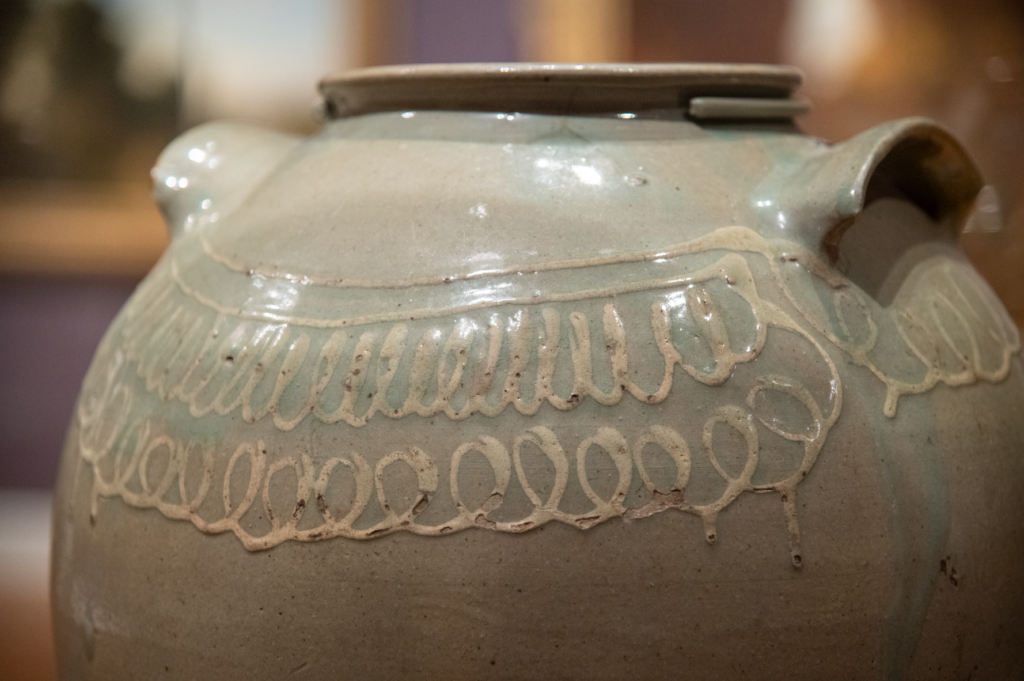
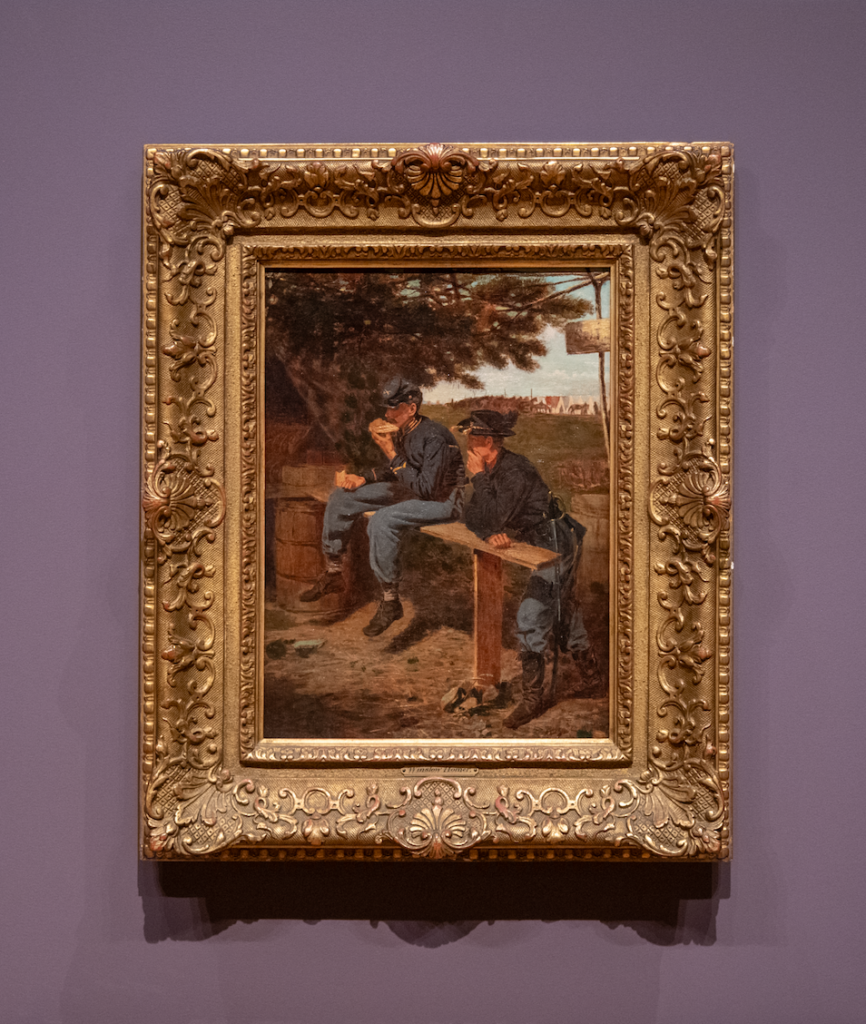
The gallery titled “Contested Ground” focuses on the period of the Civil War and Reconstruction. Here, new acquisitions include Jean-Baptiste Carpeaux’s sculpture Why Born Enslaved? and Winslow Homer’s Civil War painting The Sutler’s Tent. Carpeaux’s sculpture, modeled in 1868 and cast in 1872, was made during a period when debates over slavery were still ongoing across the Americas and Europe. The Sutler’s Tent is among Homer’s earliest oil-on-canvas paintings, created when the young artist was working as a war correspondent for Harper’s Weekly while embedded with the Union Army. It depicts a calm moment in camp as two cavalry soldiers relax outside a sutler’s tent. One soldier stands pensively, resting his chin in his hand; the other holds a wedge of cheese in one hand while devouring a pie in the other. The positions of the soldiers’ hands mirror one another, suggesting that some soldiers could afford to buy extra rations from sutlers—private merchants who traveled with the army—while others went hungry. Originally titled “Rations,” the painting was among the works Homer included in his first exhibition of oil paintings in 1863. The Huntington has major collections related to the Civil War and Reconstruction era, including a rare Underground Railroad account book and a printed copy of the Emancipation Proclamation, which are on view in the gallery. Pottery made by both free and enslaved workers in the factory of Thomas Chandler in Edgefield, South Carolina, around 1850, is also on view, as are works by free Black landscape painters Robert Scott Duncanson, Edward Mitchell Bannister, and Grafton Tyler Brown, the last of whom worked in California and the American West.
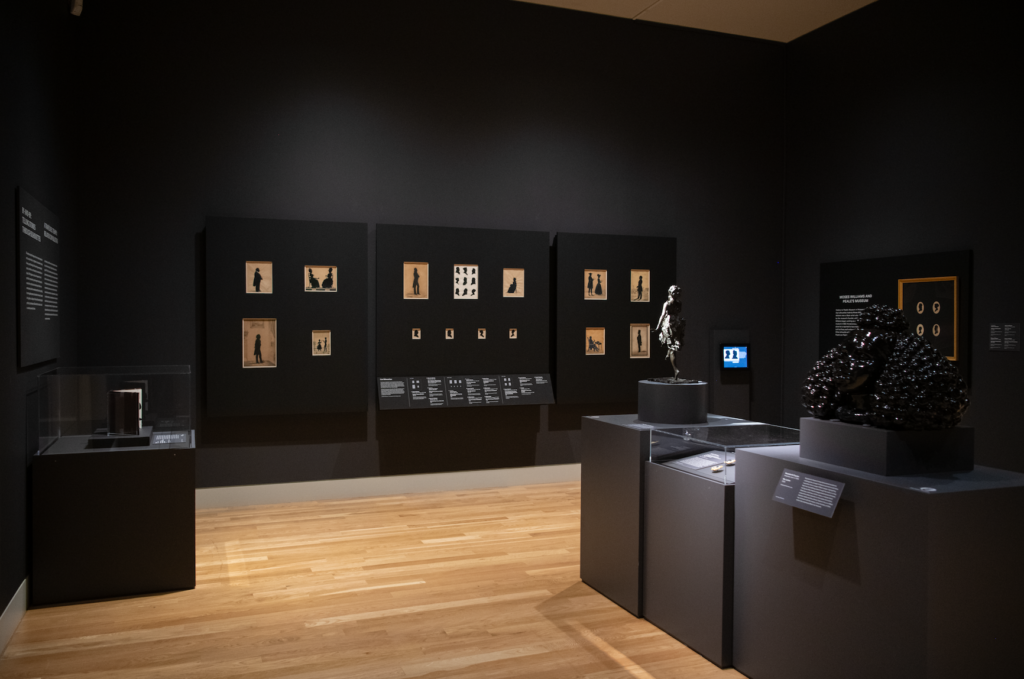
One gallery is focused on silhouettes of the late eighteenth and early nineteenth centuries, as well as works by contemporary artists responding to the tradition, such as Kara Walker and Letitia Huckabee and Los Angeles artists Charles White, and Todd Gray. Among the historical works are portraits of members of the Richardson and Yarnall families who visited Peale’s Museum in Philadelphia in the early nineteenth century. The silhouette cutter at the museum for much of its history was Moses Williams, who had been enslaved by Charles Willson Peale, the prominent American painter and founder of the museum. When manumitted in 1802, Williams became one of the silhouette artists at the museum, which was then located on the second floor of Independence Hall. In his first year alone, he reportedly cut some eight thousand silhouettes. The Huntington continues to add to its rich collection of silhouette portraits, including a rare woman’s dressing table with a painted silhouette on the backboard, presumably a portrait of the original owner.
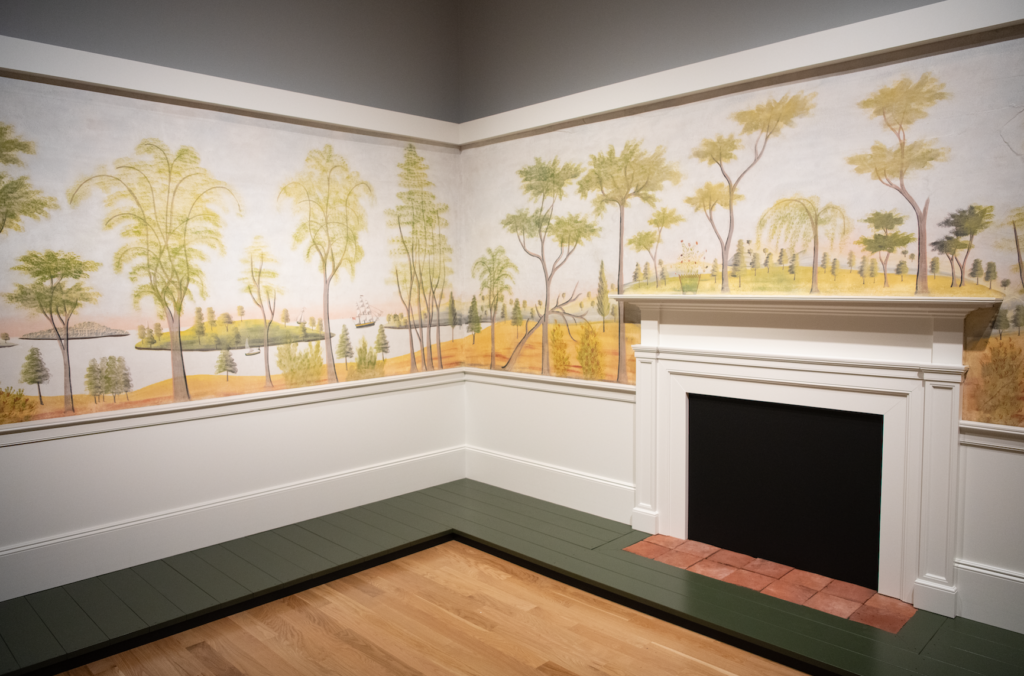
(1807–1845), c. 1835. Gift of Jonathan and Karin Fielding.
In the Jonathan and Karin Fielding galleries of American Folk Art features a new installation of a wall mural by itinerant artist Jonathan Poor. Painted in the mid-1830s in the parlor of the Zebulon Trickey house in Westbrook, Maine, outside of Portland, the mural features scenes of coastal life in Maine. It was removed around 2000 when the house was demolished, then installed in a home in Nantucket. Subsequent renovations to that house threatened the murals, and the Fieldings acquired them for the Huntington in 2019. After extensive conservation treatment, two of the main walls have been beautifully installed in the galleries, which involved carefully reattaching sections, adding missing woodwork, and stabilizing the fragile plaster surface. A thin section of wall has been preserved and positioned so that visitors can see the original lathe and plaster from behind and the existing studs from the original house. An interpretive display has been added to show the pigments used in the mural based on scientific analysis of the surviving painting.
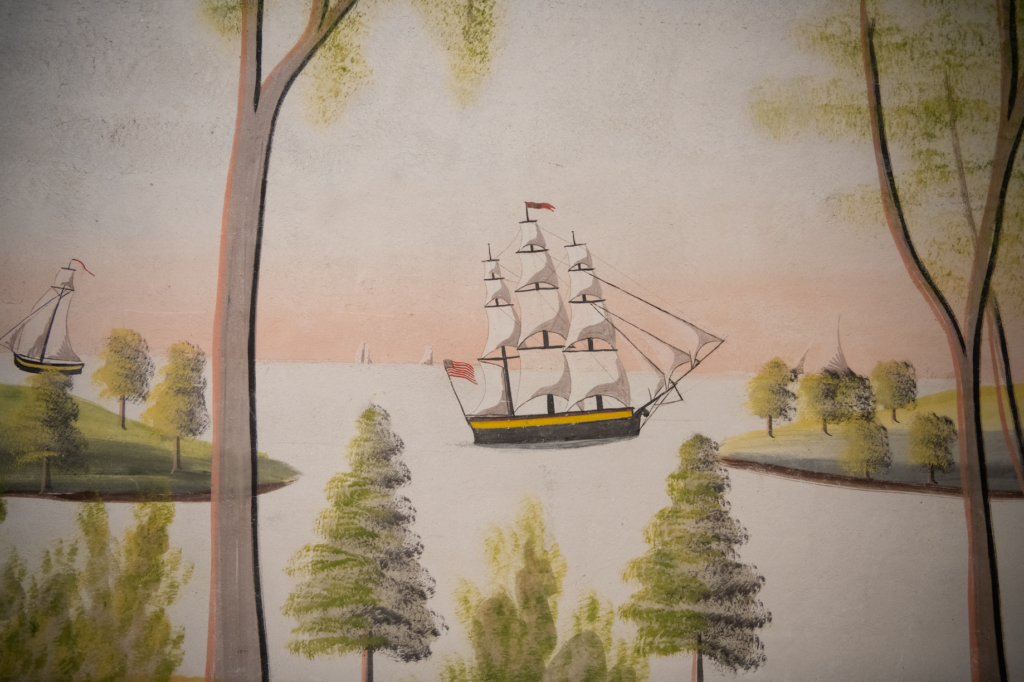
Jonathan Poor was the nephew and apprentice of the more famous New England muralist Rufus Porter. The two had worked together beginning in the 1820s before Poor went off on his own, painting murals in houses in various regions of Maine, including a dated 1840 example recently installed at the Rufus Porter Museum in Bridgeton. in the 1820s, Porter advertised providing “Landscape Scenery Paintings” to “those gentlemen who are desirous of spending the gloomy winter months amidst pleasant groves and verdant fields.” He also wrote about how to paint wall murals, including in his artist’s manual A Select Collection of Valuable and Curious Arts of 1820, an edition of which from the Huntington’s collection is on view with the murals. With the addition of the Trickey murals, it is now always springtime in the galleries.
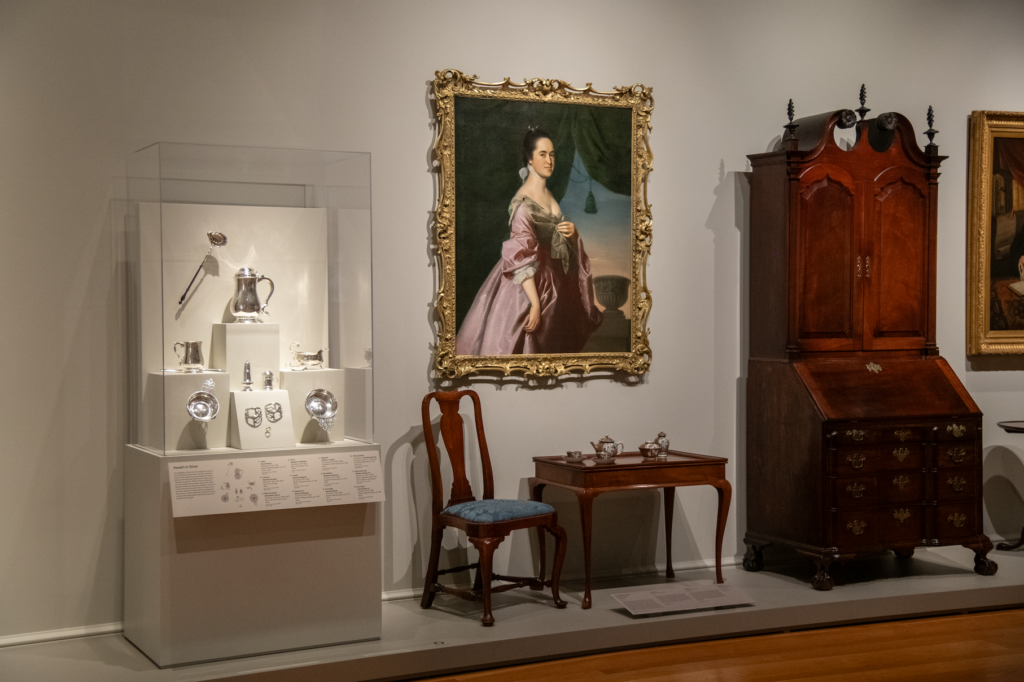
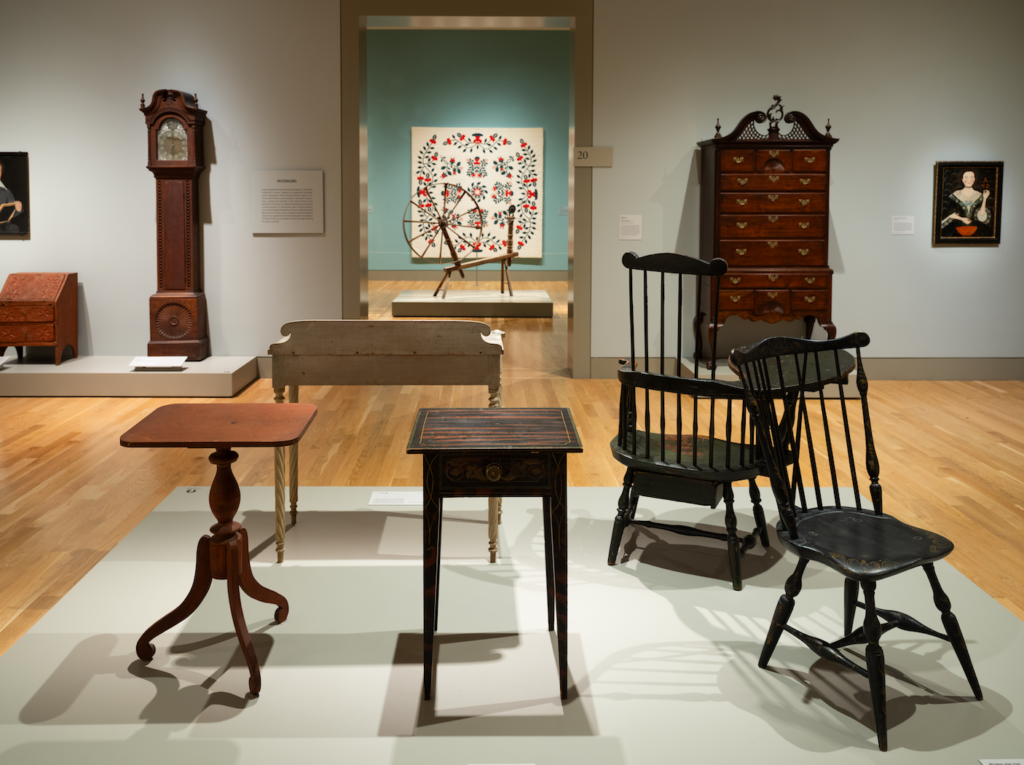
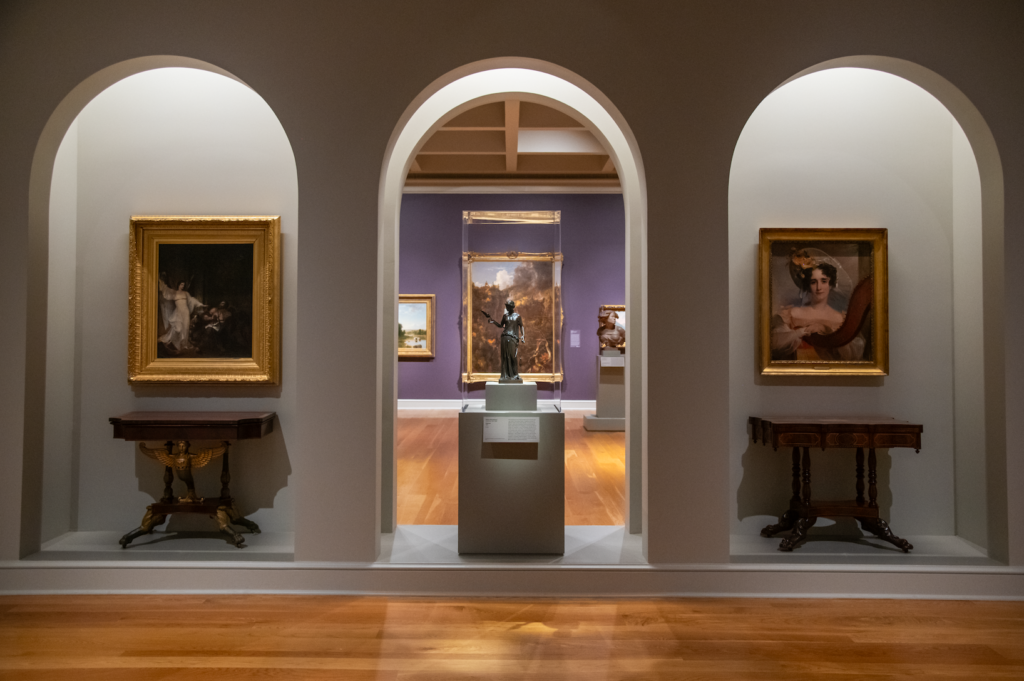
as well as furniture by Charles-Honoré Lannuier (1779–1819).
From the earliest debates over the Declaration of Independence to the responses by contemporary artists today, the Huntington’s art and library holdings document a nation in a constant process of evolution and change over two and a half centuries. Amidst our acres of botanical gardens, the humanities and the natural world come together to help shape our understanding of the complex American story.
DENNIS CARR is the Virginia Steele Scott Chief Curator of American Art at the Huntington.


