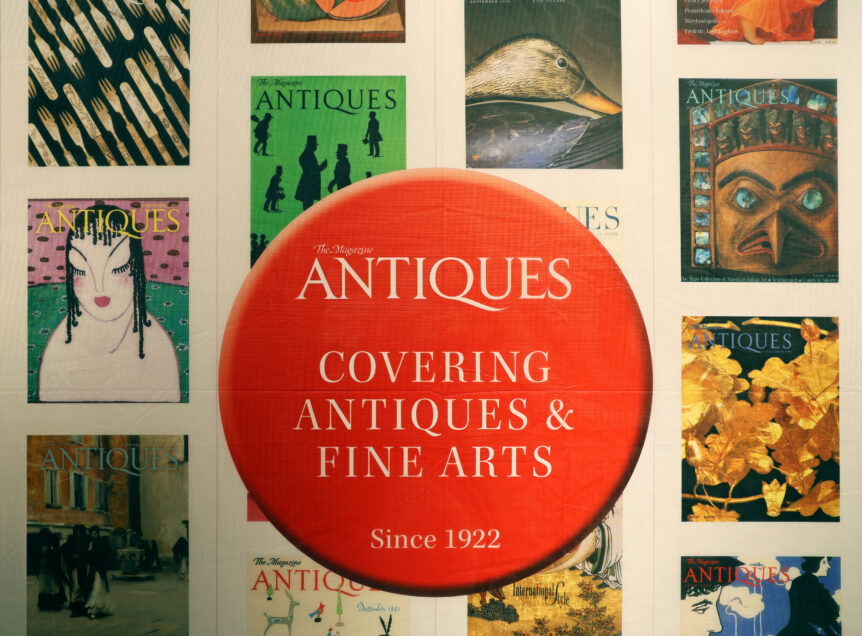
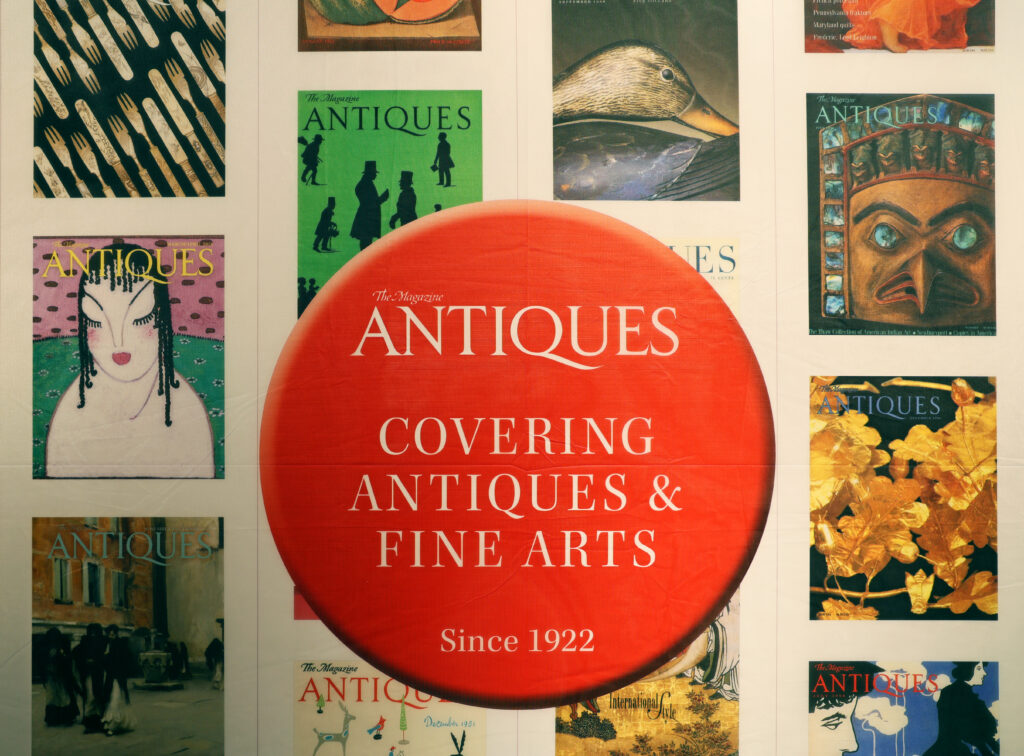
Last Thursday, I was formally baptized into the world of antiques at New York City’s Antiques Week, anchored by its headlining event: The Winter Show.
Since its debut in 1955, The Winter Show has stood as the country’s longest-running and most prestigious art, design, and antiques fair—and a major fundraising event—held each January at the Park Avenue Armory. Ticket sales and proceeds benefit East Side House Settlement, a nonprofit founded in 1891 that supports communities in the Bronx and Northern Manhattan. Admission to The Winter Show guarantees a sublime spectacle and, for some, a supreme shopping experience.
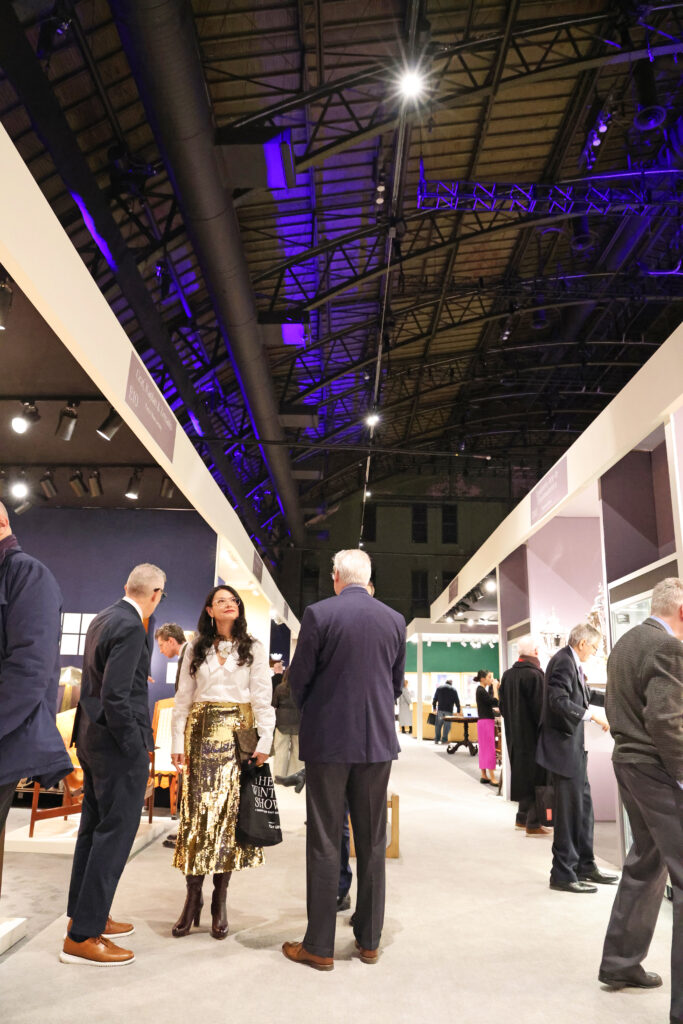
Over its ten-day run, the Armory hosts more than seventy international dealers beneath its barrel-vaulted ceiling and history-soaked walls. In adjacent rooms, guest speakers—like a panel on the preservation of historic homes, complimentary for ticket holders—drew eager crowds, especially with names like Martha Stewart on the marquee.
The Winter Show dealers are industry celebrities, too. However, their participation in the show requires more than a prestigious reputation, exhibition fee, and rigorous vetting process to guarantee authentic work on view and for sale.
Without waiver, The Winter Show’s production value is unmistakably high. Exhibitors design and build immersive booths—complete with custom finishes, lighting, décor, and carefully curated rooms—each one housing premiere pieces that could be yours, unless someone beats you to the bid. A tiny circular sticker on the exhibit label quietly breaks the news.
Each booth feels more like a room lifted from a flagship showroom than anything. Rose Uniacke, a London-based design studio and gallerist, may have been one of the most successful at accomplishing this feat. Moody lighting within a shadowy interior, candles lit (what was that scent that smelled so good?), an Italian, circa 1940 parchment games table by Paulo Buffa studded with brass ashtrays at each leg, topped with cards ready to deal, and cocktail glasses needing a refresh, created an inviting vignette.
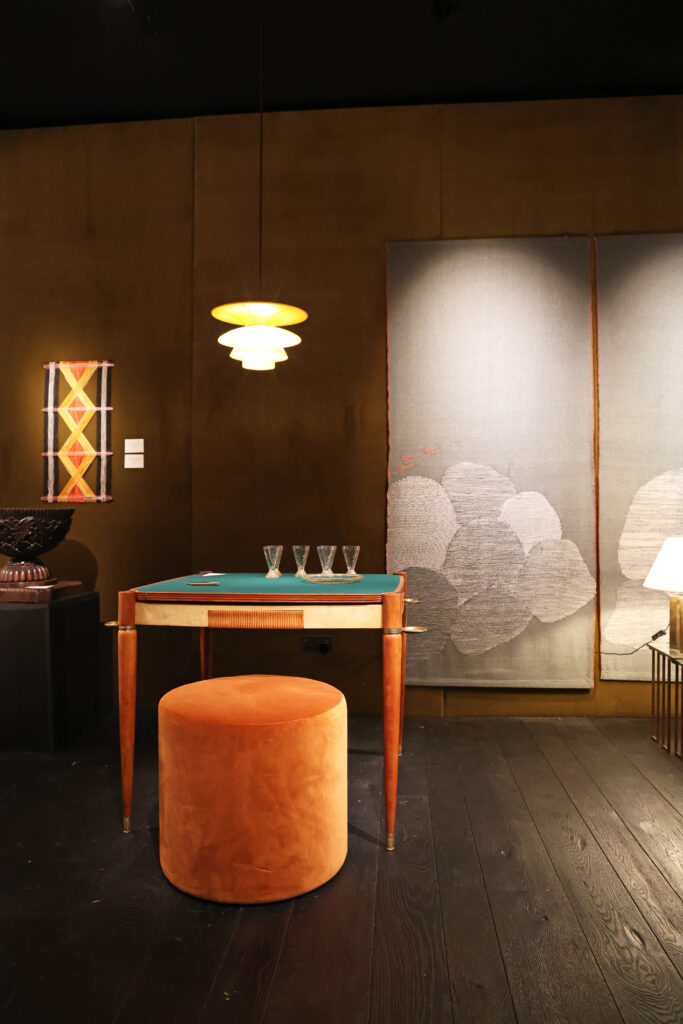
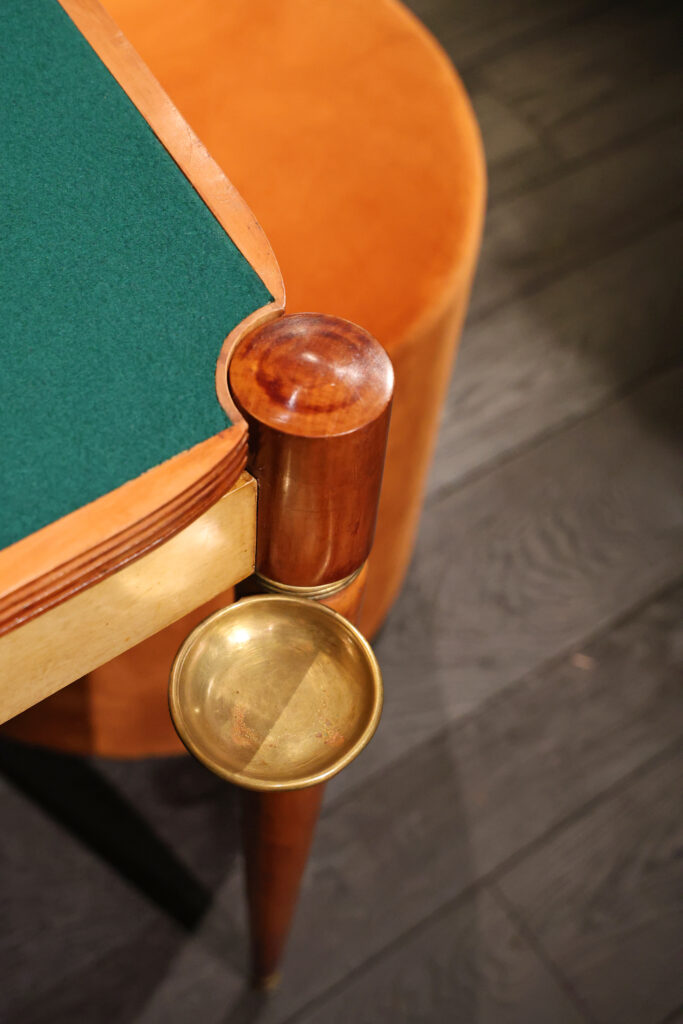
Additional pieces that caught my eye included a one of one 1946 commissioned library desk designed by Gio Ponti, a rare circa 1920, deco Amsterdam School lantern by De Nieuw Honslen, and a small iridescent art nouveau vase housing tulips. “As a whole, we’re leaning toward mid-century modern but we’ve subtly curated and mixed genres: a vase from Egypt, an Anglo India textile […] it comes together,” says Christopher Johnstone—an Uniacke associate in town from London for the show. It wasn’t merely a booth, it was a scene I wanted to enact—a glimpse into an alternative and aspirational lifestyle I didn’t know I wanted.
Part museum, part marketplace, part masterclass in storytelling through objects, the fair unfolds like an elite potluck of decorative art genres. One minute you’re admiring Tiffany glass; the next, modern tapestries (and art), recovered treasure from the Atocha shipwreck (for being under water for three hundred and fifty years, a former Spanish gilt salt-bell polishes up quite nicely), ancient busts, countless carats, a sailor’s seashell valentine, panoramic French wallpaper, manuscripts, and a shaggy couch that beckons both sits and pets.
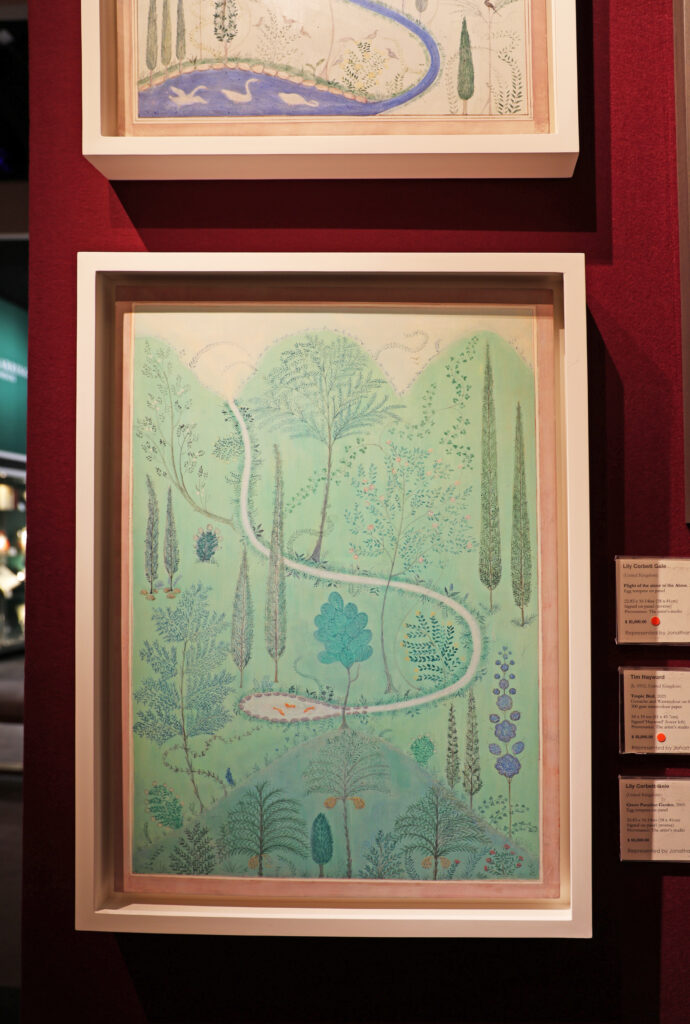
As a Winter Show novice, my experience quickly became a who’s who of the antiques world—but I found my naiveté useful, as unencumbered questions came easily. “That’s why we’re here,” Jonathan Cooper, gallerist and owner of Jonathan Cooper gallery in London told me, before generously launching into the backstory of how he acquired two whimsical Lilly Corbett Gale paintings. “Please do sign our book,” he requested. It was a warm and hospitable interaction, made all the better by the fact that he didn’t know I was a journalist, or so I think. Like any art market, there are stars and gatekeepers alike—but curiosity, I learned, goes a long way.
Despite the threat of Sunday’s Snowmageddon hailing from above, the show pressed on. For comedic relief, folk art dealer Robert Young staged painted metal penguin trade signs outside The Armory doors in the snow. The show must go on, and it did.
For the uninitiated, Antiques Week is Fashion Week’s unexpectedly younger cousin. New York Fashion Week—originally called “Press Week”—launched in 1943 at another New York City landmark—The Plaza—to spotlight American fashion designers when French fits were inaccessible during World War II. Fashion Week looks forward; Antiques Week looks back. Yet the objects on view at The Winter Show—despite having already had their cultural debut—remain deeply relevant and still in vogue among collectors, scholars, and admirers.
The Winter Show is unabashedly glamorous, beyond Manhattan and even Upper East Side standards. ANTIQUES senior editor Sarah Stafford Turner motioned to launch a “Handbags of The Winter Show” Instagram account next year—proof that among centuries-old masterpieces, style remains part of the picture.
Thursday night’s private Opening Night Preview set the tone. Champagne tables, bartenders mixing off-the-cuff cocktails, lush floral arrangements, frolicking furs … surged the Armory’s aisles in a dazzling crush that crescendoed into the evening.
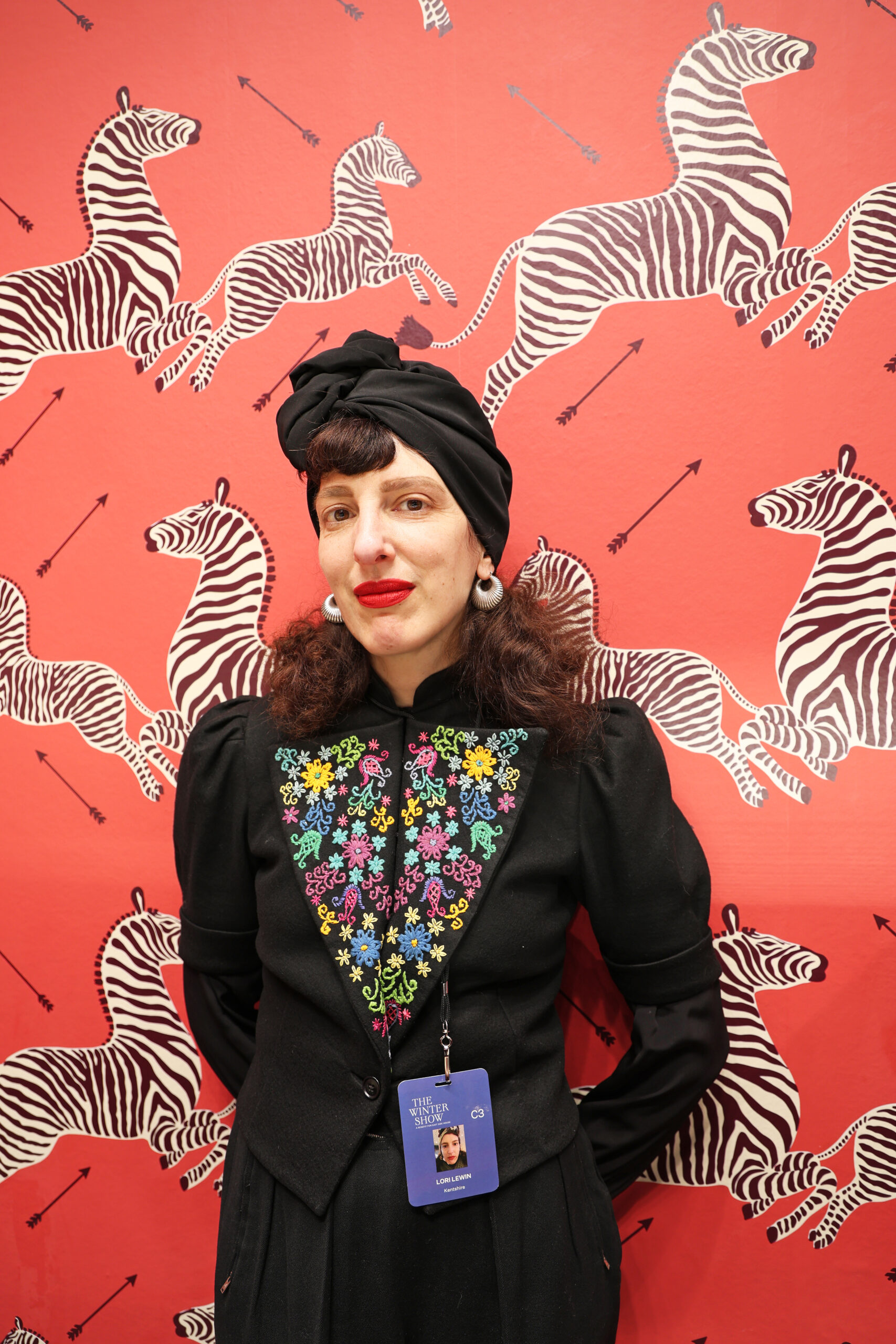
Kentshire associate Lori Lewin stood out wearing impeccable vintage fashion, sporting a hand-embroidered 1940s raglan top and 40s inspired hair scarf of her own making, as she guarded a case of Victorian jeweled delights. From it, she pulled her favorite piece: an English-made, Victorian, 18k gold ribbon cord necklace, woven together with gold buttons and tiny stars punched out. Lewin drew my attention to the clasp, which was equally delightful.
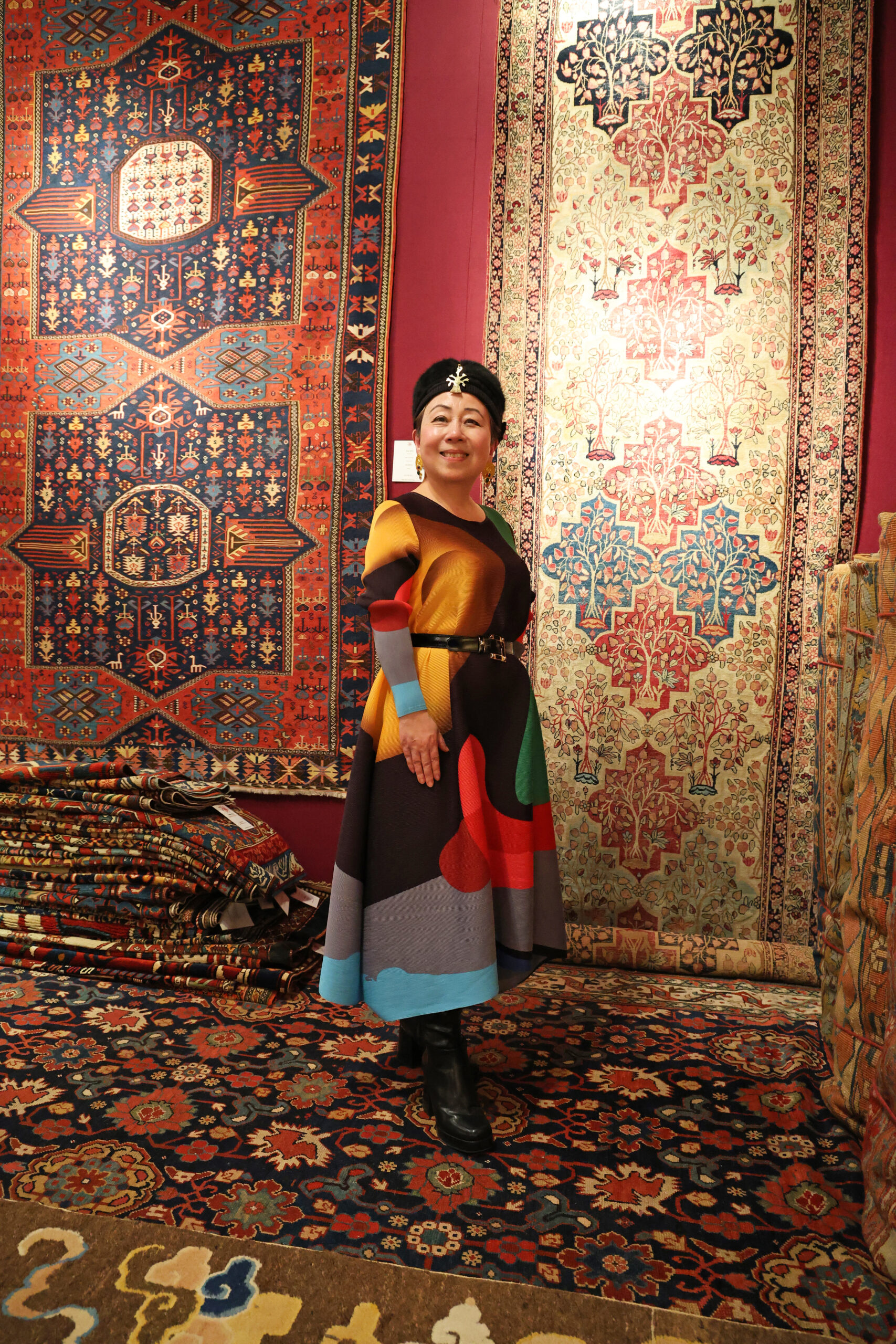
Thursday night’s private Opening Night Preview set the tone. Champagne tables, bartenders mixing off-the-cuff cocktails, lush floral arrangements, frolicking furs, and tasteful party dresses and suits surged the Armory’s aisles in a dazzling crush that crescendoed into the evening. Art curator and author Noelle Xie stopped Winter Show traffic with her graphic Issey Miyake print dress and toque-style hat with a pendant fastened to the center and a smaller pearl and diamond brooch pinned to the side.
Friday night, the ANTIQUES team slipped away to attend a satellite Antiques Week event hosted by the Young Antique Dealers Association (YADA), held at the George F. Baker Mansion. Built in 1918, the historic home provided the perfect backdrop for an evening that felt lifted from Sofia Coppola’s Marie Antoinette—less courtly grandeur, more cheek. Coiled rugs and fanciful objects, some obscure, were organically merchandised within parlor settings with merchants and muses (and perhaps a big wig or two) oohing and ahhing.” It was a familiar presentation of antiques like those found in your traditional antiques shop, layered, where your eyes have to eagerly work.
Founded in October 2025, YADA serves as an incubator for the next generation of antiques dealers. Its inaugural fair, held January 22–25, brought together eight emerging dealers for a limited-run show supporting the mansion’s preservation.
If Marie had been queen of New York during the Gilded era, this would have been her scene: coupe glasses brimming with bubbles beneath white crown molding and baby-blue walls, beautiful people packed into rooms perched above a drafty staircase. Guests pressed shoulder to shoulder, playfully hedging their bets on what to buy and what to admire. A Russian Orthodox Church Outside of Russia priest wearing a black cassock insisted I enjoy a glass of champagne—my first time being served anything other than altar wine by a holy man. He was the perfect host.
“As someone put it at our closing dinner with the dealers on that snowy Sunday: the stars aligned. We were not all known to one another before YADA, but we came together in less than four months to put on a show by and for people who love antiques,” says YADA co-founder Lansing Moore Jr.
“As for what’s next for the Young Antique Dealers Association, that’s the next question. What I can say is that we have received many inquiries from people eager to join and work with us, so it won’t be long before we have an answer,” Moore adds.
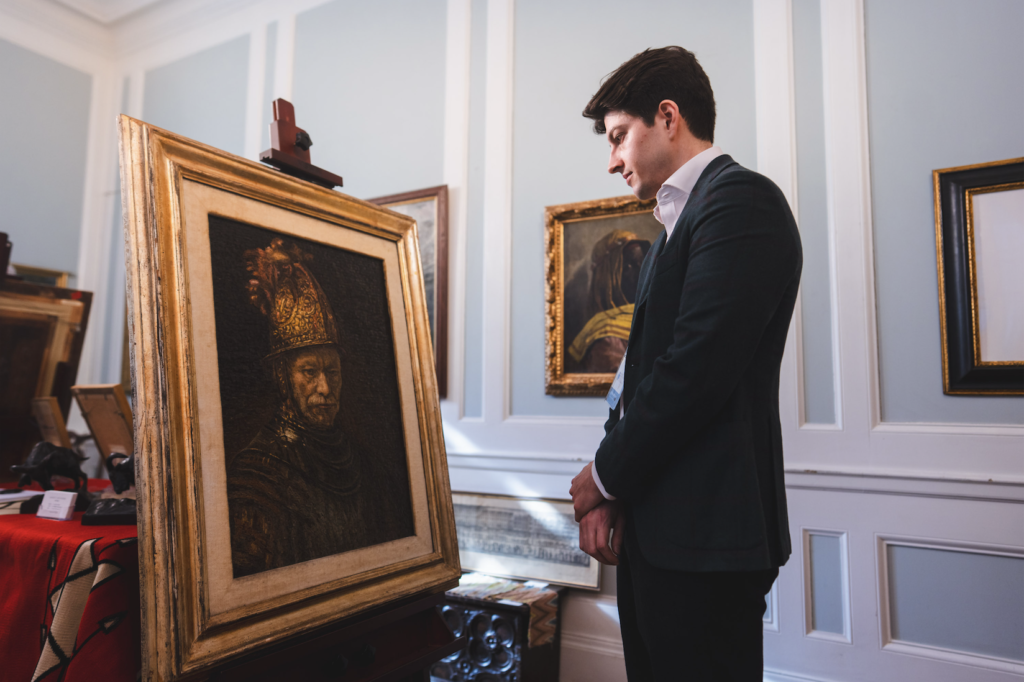
Beyond the parties and polish, selling and shmoozing, Antiques Week offers something deeper—existential, even. I found myself contemplating the sheer volume of human production across time, and just how much stuff—museum-worthy, artifact-level—exists in the world. You could circle the fair endlessly and still discover something new. It’s an arsenal of history, craft, artistry, wealth, and material culture.
A new generation is leaning in. Young collectors are driven by story and sentiment. Matthew Imberman, co-president of Kentshire, a jeweler specializing in fine antique, estate, and period jewelry housed on the seventh floor of Bergdorf Goodman put it simply: “We are not driven by trends. We are driven by our client’s taste and what they want. We build our collection one great piece at a time,” says Imberman. Imberman wore a very cool diamond trout pin on his left lapel. “He’s swimming upstream,” laughed Imberman. Studded with character, I imagine the trout pin is one of those “great pieces” Matthew mentioned.
This year’s Winter Show introduced a pilot program, Study of a Young Collector—a den-like booth, curated by The Winter Show’s Director Helen Allen and art advisor and writer Patrick Monahan. Serving as a co-op for esteemed, but simultaneously emerging dealers like Ben L. Miller who is no stranger to our ANTIQUES family. Miller champions an ANTIQUES’ podcast titled Curious Objects. Miller also recently announced he’s jumpstarting his own business, analogously named Curious Objects, to deal antiques with stories. “The idea of a business specializing in pieces with fantastic stories has been mulling for a long time. Today’s collectors want a compelling narrative in addition to world class expertise, and the Curious Objects brand feels like the perfect home for that concept. Study of a Young Collector is an ideal coming out party for me, a chance to offer and sell the highest quality material without having to outfit an entire stand. We emerging dealers sharing the booth have found so much common ground and opportunity to support one another. I hope the show feels the model is successful and worth another try next year,” says Miller.
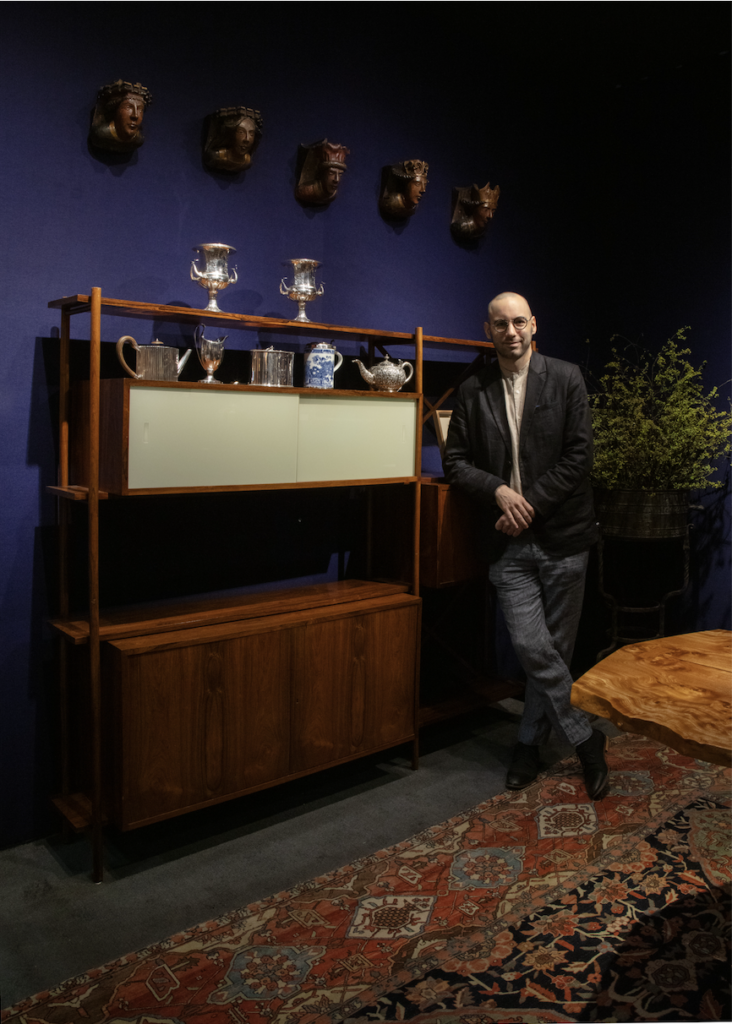
A few rows over within the main hall, dealers Maureen and Geoffrey of Geoffrey Diner Gallery offered a full-circle moment: they first exhibited at The Winter Show thirty years ago with a pair of Greene and Greene lanterns. This year, they returned with another Greene and Greene fixture, which Geoff calls “the star of the show” and Maureen refers to as a “homecoming moment.” Originally installed in Pasadena’s famous Blacker House, the lantern marked the duo’s thirtieth anniversary at the fair—a chance to “make a big splash,” as Maureen put it.
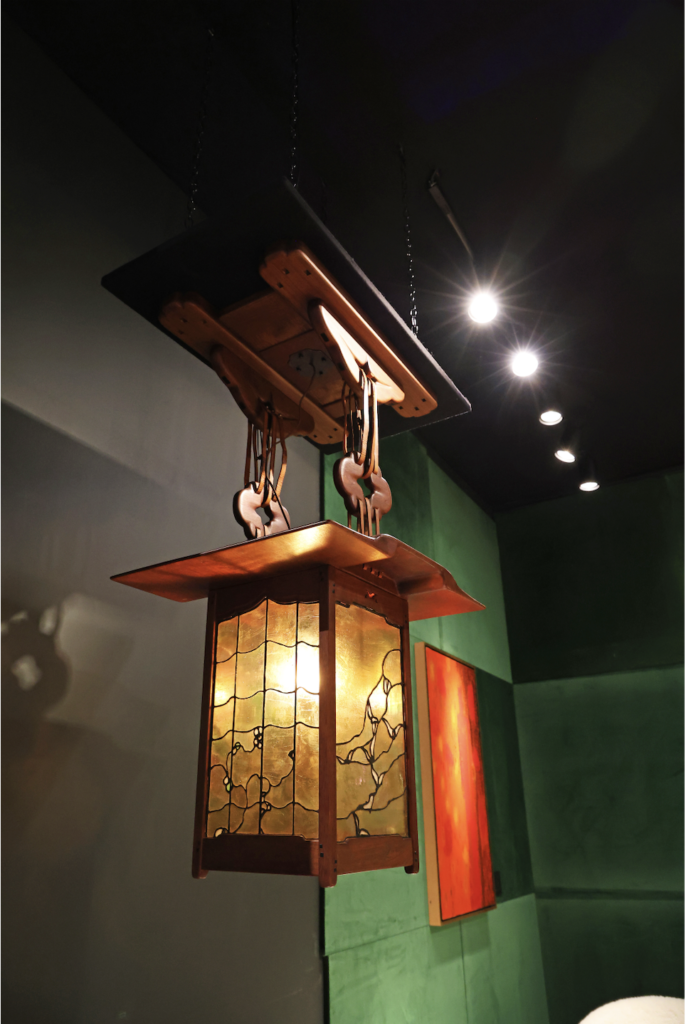
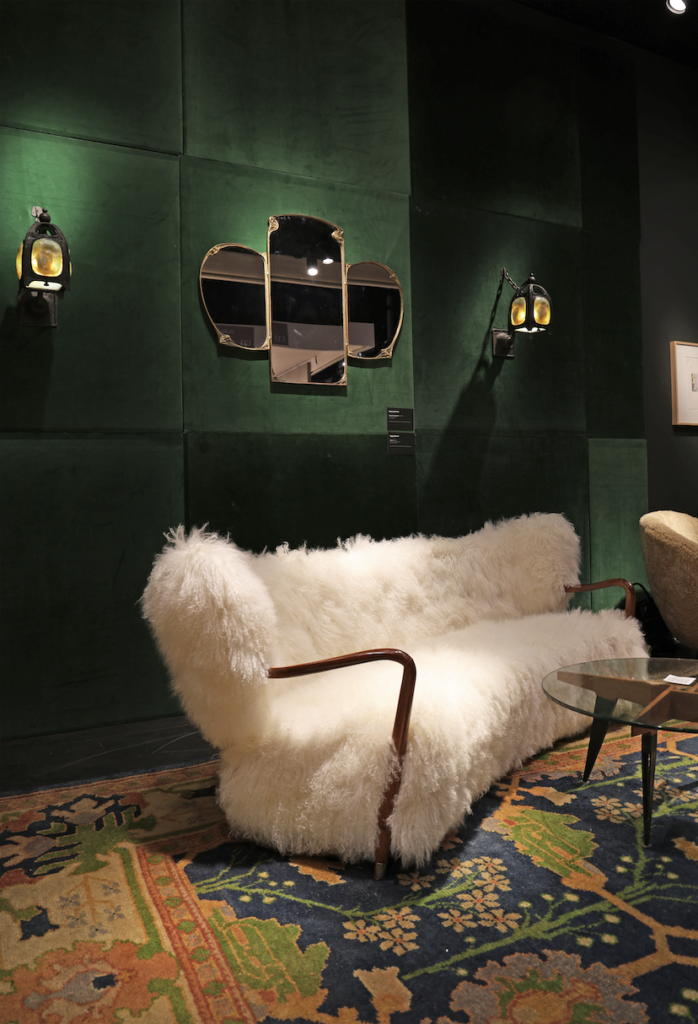
The piece tied the booth together alongside a pair of luminous turtleback Tiffany lanterns and a George Nakashima slab table with six original Conoid chairs and tied together with a vibrant, floral Donegal carpet by Doniman Kay underneath. The Diner’s story begins in the 1980s when Jeff, who was “a hippie back then” as Maureen describes, worked as an animal rights journalist traveling the world. Along the way, he collected antiques, mixing periods and genres—a practice coined “cross-collecting” and tagged to Geoff. Eventually, he chose antiques over animals and built a career that made him a legendary dealer. “This year’s show is a new moment. The Winter Show is roaring back. Helen Allan has brought in all of the voices. She knows what the show needs,” says Maureen. It’s not like The Winter Show ever fell off the map but with the advent of so many big time art fairs and antiques shows, “It feels like the spirit of The Winter Show is back,” says Maureen.
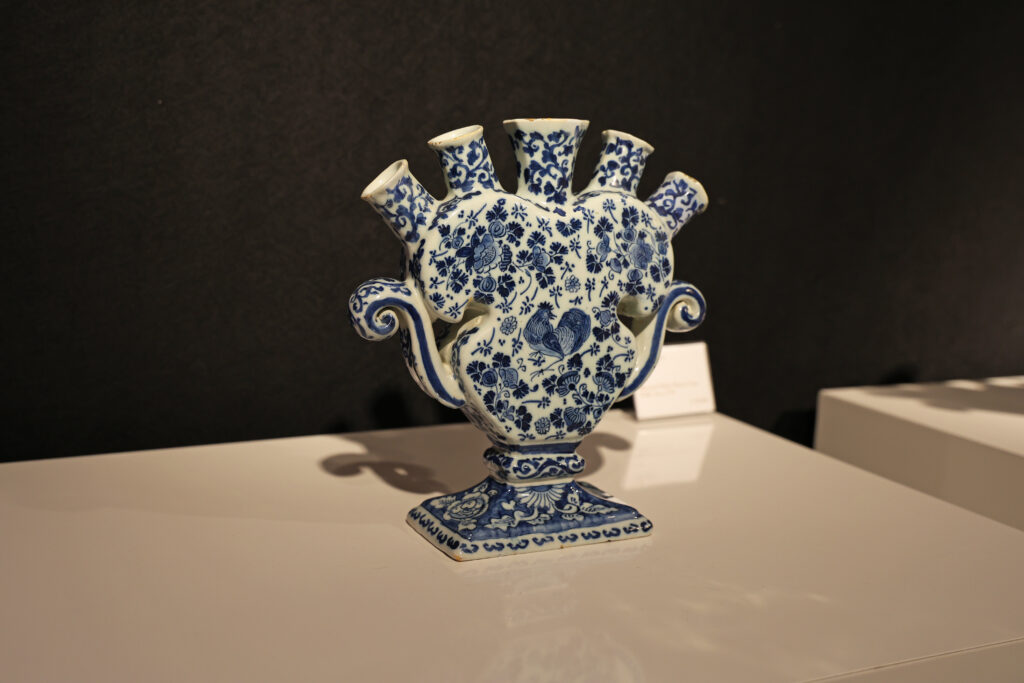
Amid the prestige and promenade—whispers of private collections, discreet transactions—there are heartwarming stories. Dealers who started small and collectors building on what came before them. One Delftware specialist Robert Aronson of Aronson Antiquairs shared that the largest flower-vase collection he’s encountered began with a father and grew through the father’s son, an act of affection as much as acquisition.
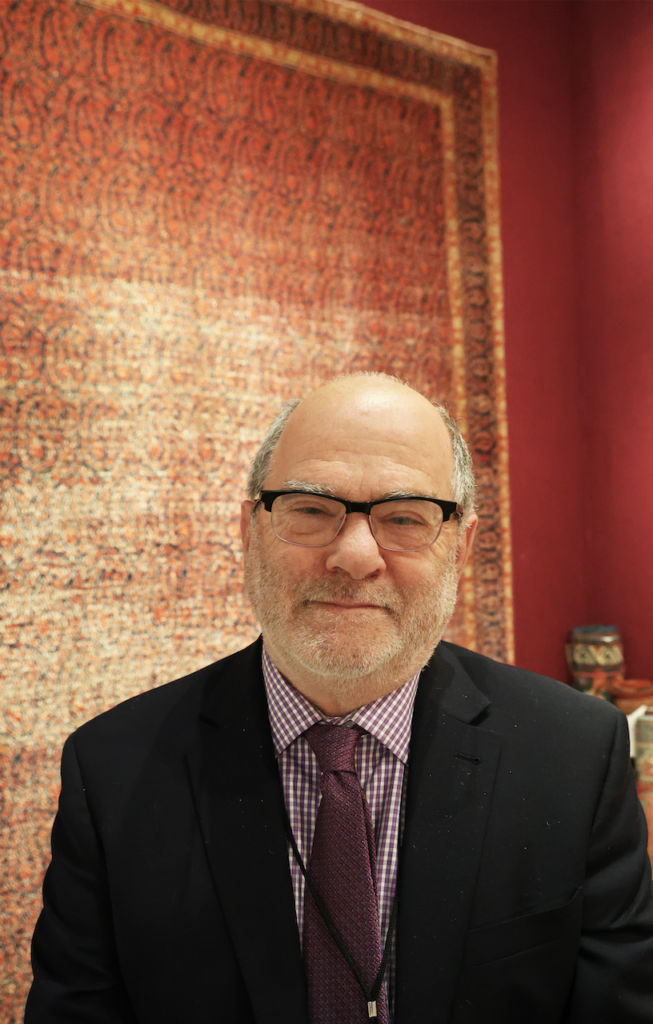
Peter Pap of Peter Pap Oriental Rugs, got his start in the rug business in 1974, working as a stock boy. “I watched antique rugs purchased in the morning and sold in the afternoon,” said Pap. Inspired by the booming European market thirsting for antique rugs, and the overwhelming stateside inventory, Pap launched his own antique rug side hustle turned business—and hasn’t looked back since. “Kids back then were inheriting rugs and couldn’t get rid of them fast enough. They were well cared for and well preserved. Europe wanted them,” says Pap who had a wife and family to provide for. Today, Pap’s work isn’t just a means to support himself, it’s a passion and Pap is an expert in his field.
On Saturday, I spoke with sisters Lucy and Ella Anderson whose youthful demeanor drew my eye. Ella’s rose melange Acne Studios scarf rang familiar (I was a part of the team who opened up the West Village store years ago and always recognize an Acne Studios signature color). It was fun to spot fashionably-appointed attendees and young collectors pursuing the show. The Anderson sisters grew up visiting their grandparents’ Maryland estate filled with early American furniture. Antiques remind the sisters of their grandparents. “We inherited some of their artwork and furniture which has shaped the design of our apartments and interior taste,” says Ella. Their perspective made it clear: sentiment and story are shaping the next generation of collecting.
…sentiment and story are shaping the next generation of collecting.
Like a party no one wants to leave, The Magazine ANTIQUES wants its readers to linger. After more than a century in print, we remain one of the last remaining, independently owned art magazines that celebrates the joy of looking back while moving forward. We’re excited for a new chapter in the world of antiques—a youthful energy as it were, as seen and felt, this past Antiques Week. The wealth of the past is not dead; it’s alive, on display, and on demand.
Small aside: the night before, as a non–New Yorker, I did what any sensible person would do and consulted co-chair of The Winter Show, executive director and CEO of the Design Leadership Network, former ANTIQUES guest editor, and friend of the magazine Michael Diaz-Griffith for a recommended post-party hang. Without hesitation, he sent me to Donohue’s—an Upper East Side steakhouse known for its steak (of course), French onion soup, and properly stirred (never shaken) martinis. The deco-leaning joint isn’t just a local favorite; it’s a go-to for post–Winter Show eats and drinks. Inside, I clocked Winter Show totes from earlier that evening and, by coincidence, found myself seated next to Antiques Roadshow producer Sam Farrell. Old-school, buzzy, and undeniably a vibe—Diaz-Griffith sent me to exactly the right place.
The next day, snowed in at The Lobby Bar, burrowed within the historic Hotel Chelsea, much of my coverage came together over a “freezer-cold martini” served in candlelight by a waiter wearing a white bartender’s jacket. A delayed return to Detroit offered the gift of reflection—and clarity. Antiques, especially in New York City, are anything but old news. I can confirm: the magic of The Winter Show and Antiques Week is alive and well. Whether it’s nostalgia, escapism, or inspiration, history has the power to move us forward. Art and antiques, whether we own them or not, become part of our personal archive, shaping what we remember, value, and carry with us as an heirloom, prized possession, or intangible memory.
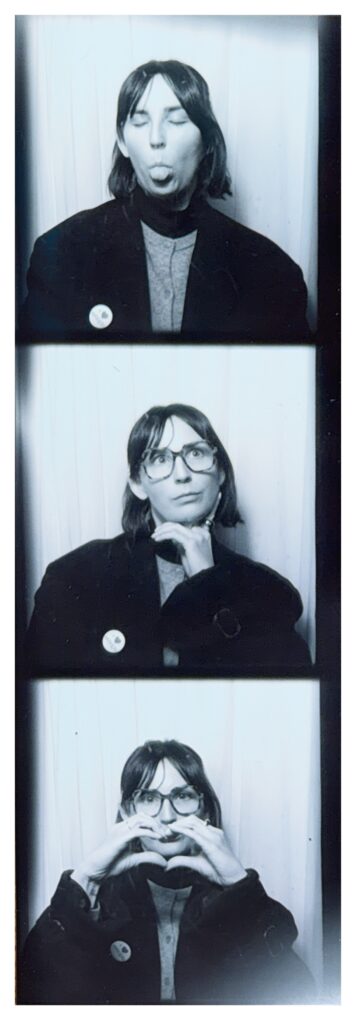
CHRISTINE HILDEBRAND is a Metro Detroit-based writer and amateur photographer focused on street style photography and portraits. She is The Magazine ANTIQUES’ Managing Editor and Flea Bite columnist—the magazine’s first-ever space dedicated to treasures found in unsuspecting places. When she’s not working, or treasure hunting, she can be found playing ball with, or walking, her buff cocker spaniels Woodward and Bisou.
All photographs courtesy of Christine Hildebrand unless otherwise stated.
For antiques-related event coverage pitches, please email christine@themagazineantiques.com.


