What begins as a visit becomes a reckoning: inside a Queens psychiatric center, art reveals new possibilities for belonging, dignity, and creative transformation.
Photographs by Leda Costa van Putten.
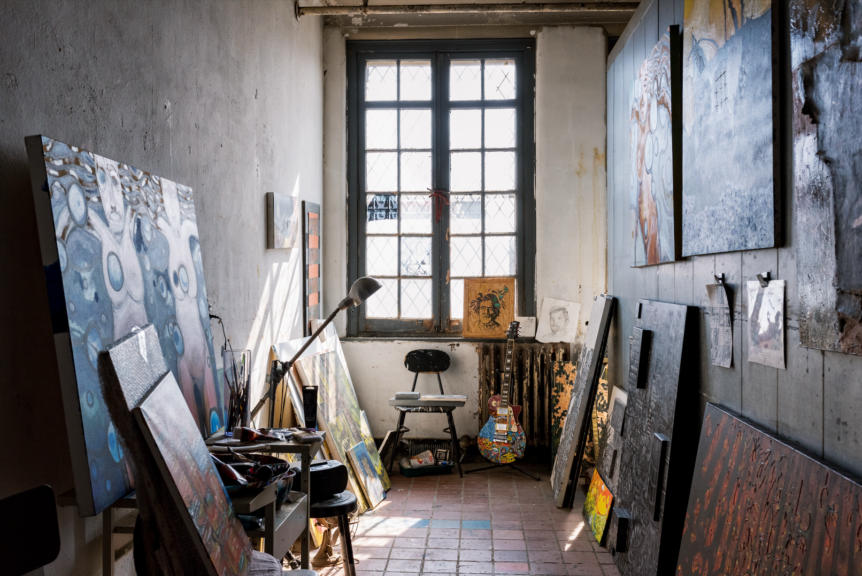
The Living Museum, tucked away on the sprawling, bucolic, semi-abandoned campus of Creedmoor Psychiatric Center in Queens, New York, quietly changes lives. Operating since 1983, coincidentally the year I began operating as a human, the Living Museum is an art studio for Creedmoor’s patients, both living independently and in inpatient care. Hundreds of artists over the past forty-three years have passed through its doors, some staying for decades, leaving their indelible mark through their art.
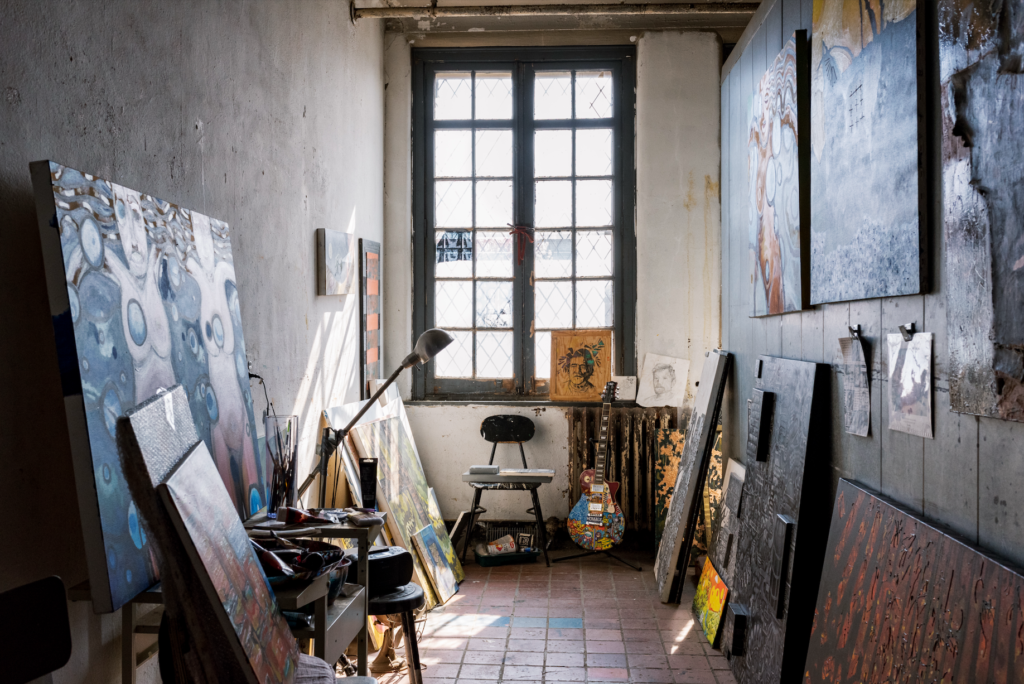
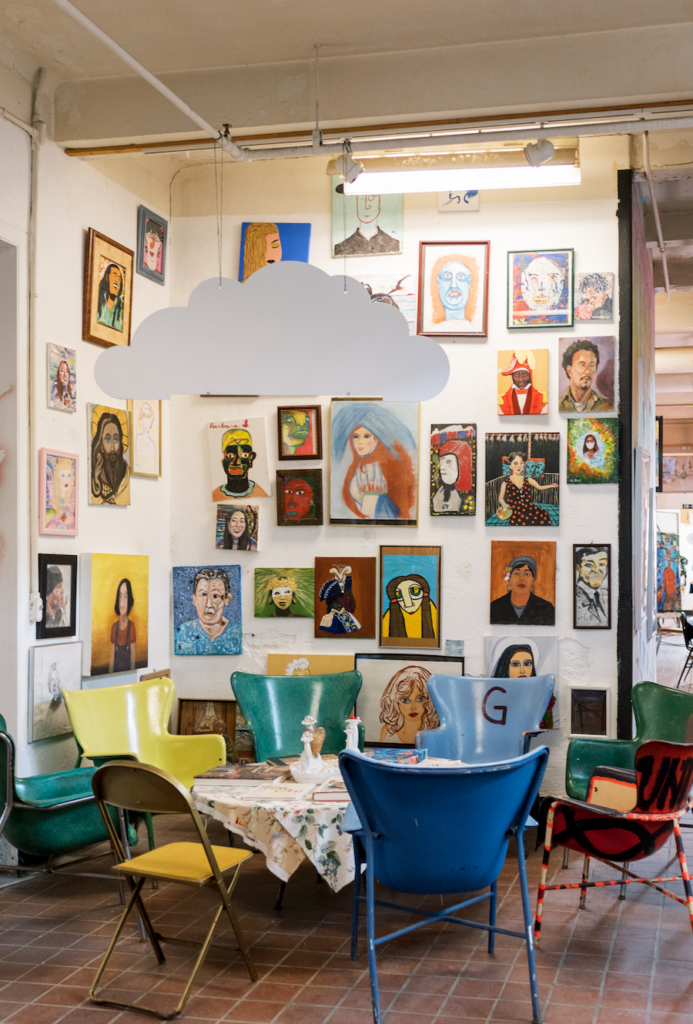
The building itself is a relic of the hospital’s early twentieth-century past as a residential asylum where patients tilled the soil. It’s a former dining hall, with individual dining rooms still labeled for patients who took their meals there surrounding a central hall with a massive central furnace long ago converted into a magical record cave, and dozens of ovens now art storage. Every surface is adorned with art made on site, from murals to paintings to assemblage sculpture and installations. The museum was founded by Janos Marton, a Hungarian-born, Vienna-educated psychologist who continues to support its mission as an advocate and guiding presence, and Bolek Greczynski, a Polish artist active in 1970s and 1980s avant-garde socially integrated art, who died from AIDS complications in 1995. These visionary thinkers saw the revolutionary potential in treating patients as artists and ascribing to them the soul-elevating power of creation. Part art therapy center, part collective workshop, part community hangout, part social sculpture, the Living Museum resists easy classification. The Living Museum is undergoing state-funded structural renovations and moving into a new temporary building on the Creedmoor Campus, underscoring its importance in the healing process.
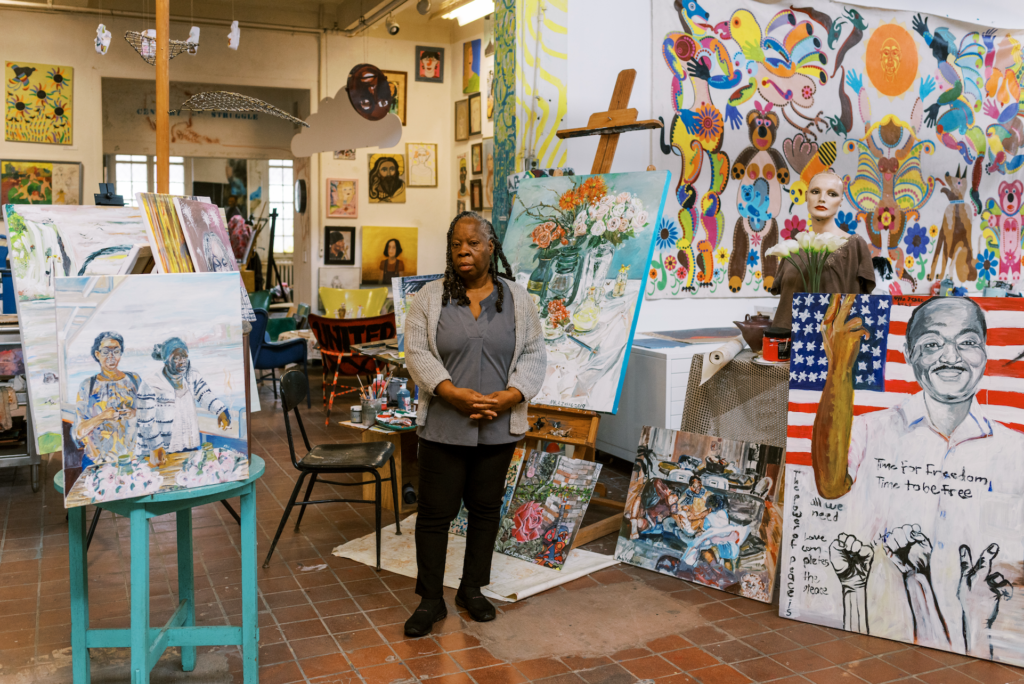
I came to the museum in 2022 seeking the work of Nyla Isaac, a painter I had met in another supportive studio years earlier, hoping to include her distinctive portraits in an upcoming group show at Fierman, my contemporary gallery in Manhattan, where I consistently blur lines between “outsider” and “insider” artists. Born in Trinidad, raised in Queens, Isaac studied at FIT before the onset of schizophrenia in her twenties took her life in a different direction. Her paintings are hyperreal, uncannily resemblant portraits of family members, other artists, and cultural figures in fantastical settings. She and I have since collaborated on multiple exhibitions and she is an integral part of the fabric of my gallery and a real friend. On that first visit to the museum, I had an experience I’ve since learned is not uncommon for folks working in this more soulful little corner of the art world, a feeling of belonging. I was somehow home. I’ve always worn my heart on my sleeve, my emotions sometimes too big for the room. Acceptance, freedom, and joy, increasingly rare in an ever-darkening world, are palpable at the Living Museum. My life, like that of so many of the resident artists, permanently changed direction.
In 2024 Mitra Reyhani Ghadim, now the museum’s director, tapped me to help shepherd the whole crew into the contemporary art world, and I can only thank her for seeing my wide-eyed excitement for the artists and trusting me with their work. I immediately knew I had to think beyond my own gallery for such an undertaking. With Ross McCalla, an indefatigable friend and collector of outsider art, I dreamed up the Open Invitational, the first nonprofit fair for progressive studios supporting artists with disabilities, which launched in Miami in December 2024, concurrent with Art Basel, and with further iterations in New York, San Francisco, and Basel, Switzerland. We go where the art world goes to do business, offering free exhibition space to nonprofit studios from around the US and beyond to share the vital work of their artists. By removing the financial barrier to participate in the global art marketplace, we open the door for new voices, and in the process have become an integral link in the chain of healing through art.
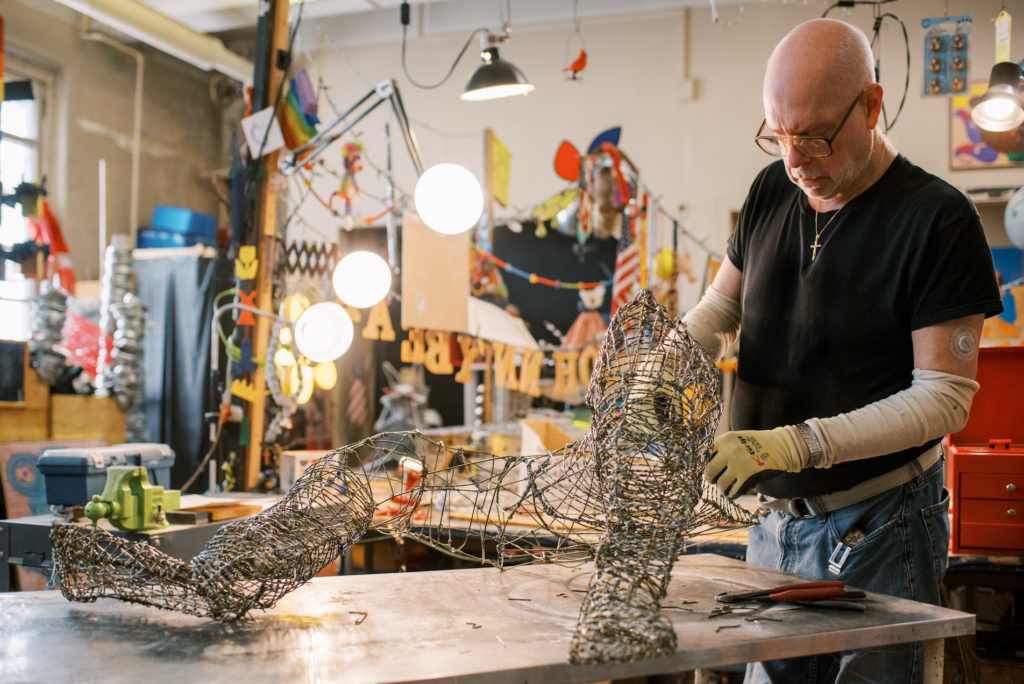
Brian Boucher’s Artnet review of our New York show noted the “evident joy” studio representatives express when promoting their artists, and all at once the picture became clear. We are building a revolution of joy and inclusion, broadening the narrow and often-unspoken definition of who is allowed to be an artist. Creating a platform to change lives has changed my life, one beautiful, irresistible, idiosyncratic artwork at a time. We have big plans, so keep an eye out. I invite you all to visit the fair, support our studios, and help build a better world for all through the simple gesture of dignifying every individual’s humanity.


