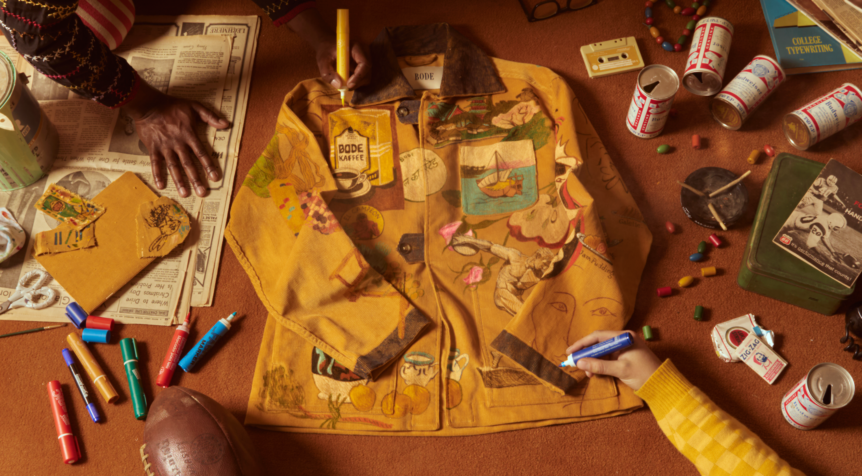
A long-overlooked Indiana fashion tradition has seen a recent revival, drawing a younger generation into the richly woven world of antiques.
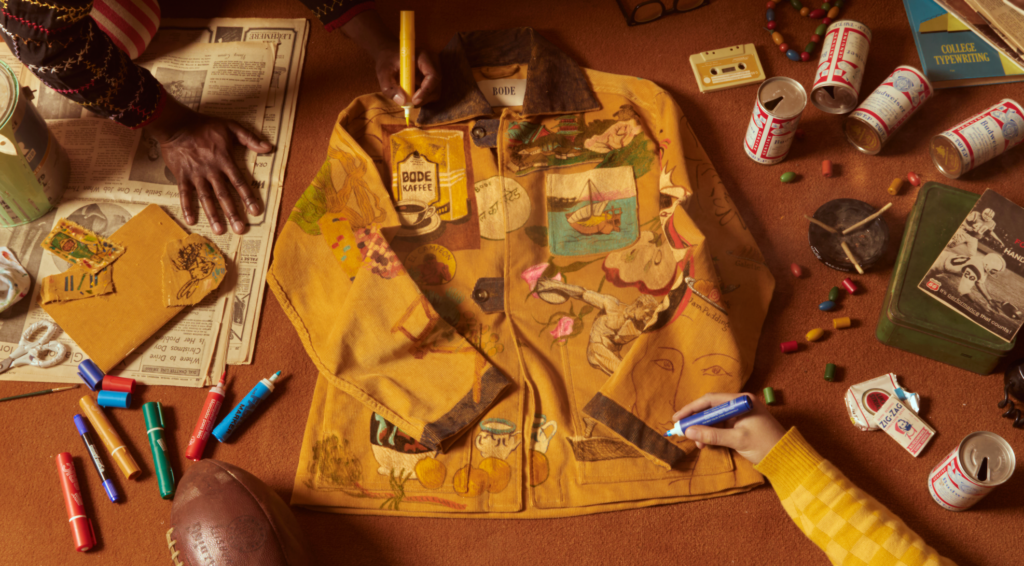
Photograph courtesy of Bode, NYC.
It all started at Indiana’s Purdue University around 1904 when a few creative students in their senior year walked past a tailor’s shop, the Taylor Steffen Company, and were captivated by some mustard-color corduroy fabric. Perhaps it was the same shade as the official Purdue school colors or the perfect texture with impeccable wales and ridges, but this serendipitous encounter started a tradition that became a significant part of fashion history known as the senior cord.
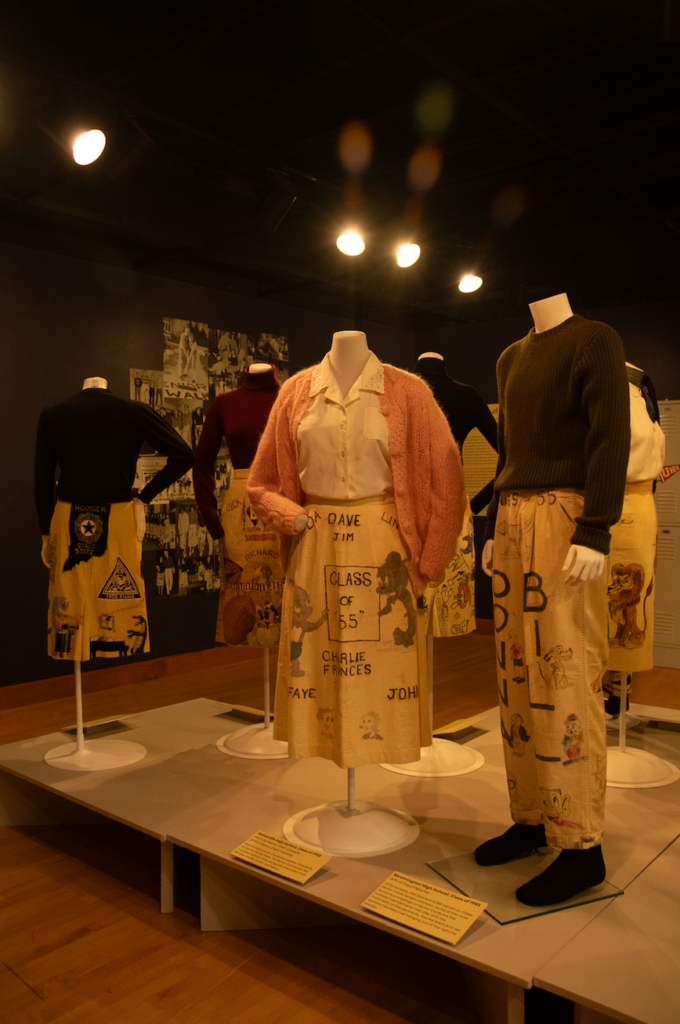
The first wave of senior cords took the form of trousers in the yellow corduroy, which were personally painted with one’s individual symbology—images that often included the school name, the graduation year, the school mascot, and any team or club the student was a member of. These pieces of clothing – first just pants, then skirts – became a part of the student identity, only allowed to those in their senior year, making them aspirational status symbols for younger students. The tradition was quickly adopted by other schools besides Purdue, older students policing who wore them in an effort to maintain exclusivity. The dawn of the senior cord coincided with the significant use of corduroy in the Ivy League style, spearheaded by the likes of J. Press (the Yale tailor of choice) and Brooks Brothers, providing the material an association with luxury and collegiate stature.
The trend began to peter out in the 1960s and 1970s with a new generation of students rebelling against the traditions of their parents. The artform is having a resurgence today. For example, at Noblesville High School, students are using a cream-colored denim as their blank slate instead of the mustard yellow corduroy.
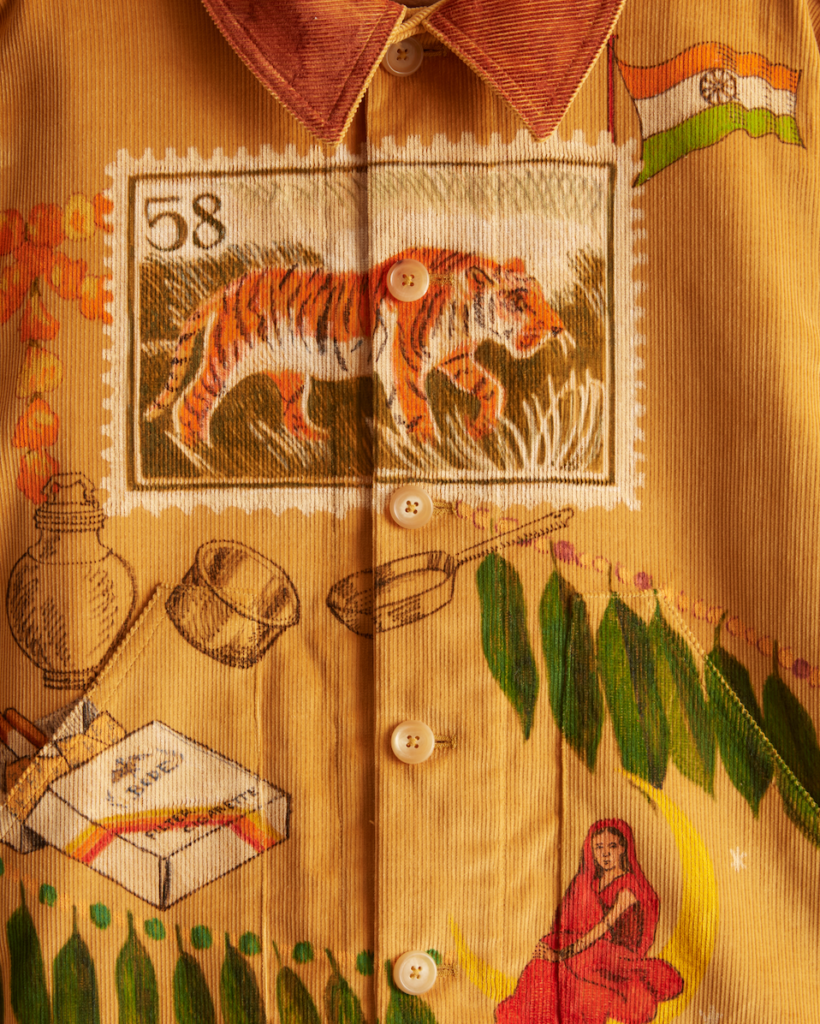
Kelly Richardson, director and curator of the Sage Collection at Indiana University Bloomington’s Eskenazi School of Art, Architecture and Design, calls senior cords “wearable yearbooks” as they were markers of a student’s individual identity, a map of their school career and life. The Sage Collection houses more than seventy-five examples of senior cords from the 1920s to the 1970s, each a snapshot of a very specific version of the fashion tradition. They sport symbols ranging from military insignia to the characters of Lewis Carroll’s Alice in Wonderland with some examples of professionally painted images drawing attention to the amount of effort put into making one’s senior cord the best of the lot.
The future of the senior cord might come with a luxury brand tag, reignited for the fashion world by Ralph Lauren as part of the Polo line. But the closest resemblance to the Senior Cord tradition comes from Emily Bode Aujla of the eponymous Bode label. “I wanted to preserve the tradition and ensure that these American stories and traditions are continued to be told and remembered,” Bode tells ANTIQUES. The brand offers custom-painted garments and accessories in corn-color corduroy, creating wearable works of art unique to each client. It is a way to pass on stories through new heirlooms for future generations to admire. Whether you’re a student or not, it’s a type of wearable time capsule any keepsake-collector can get behind.


