
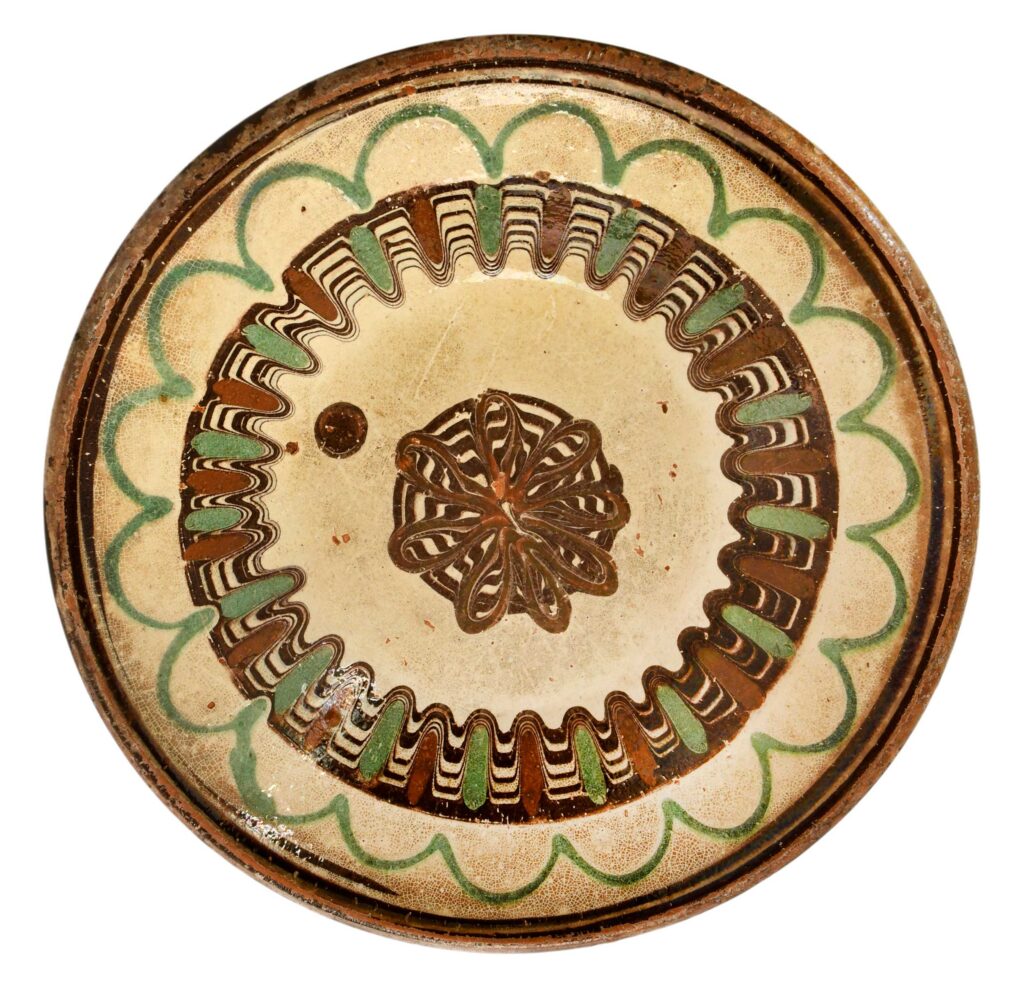
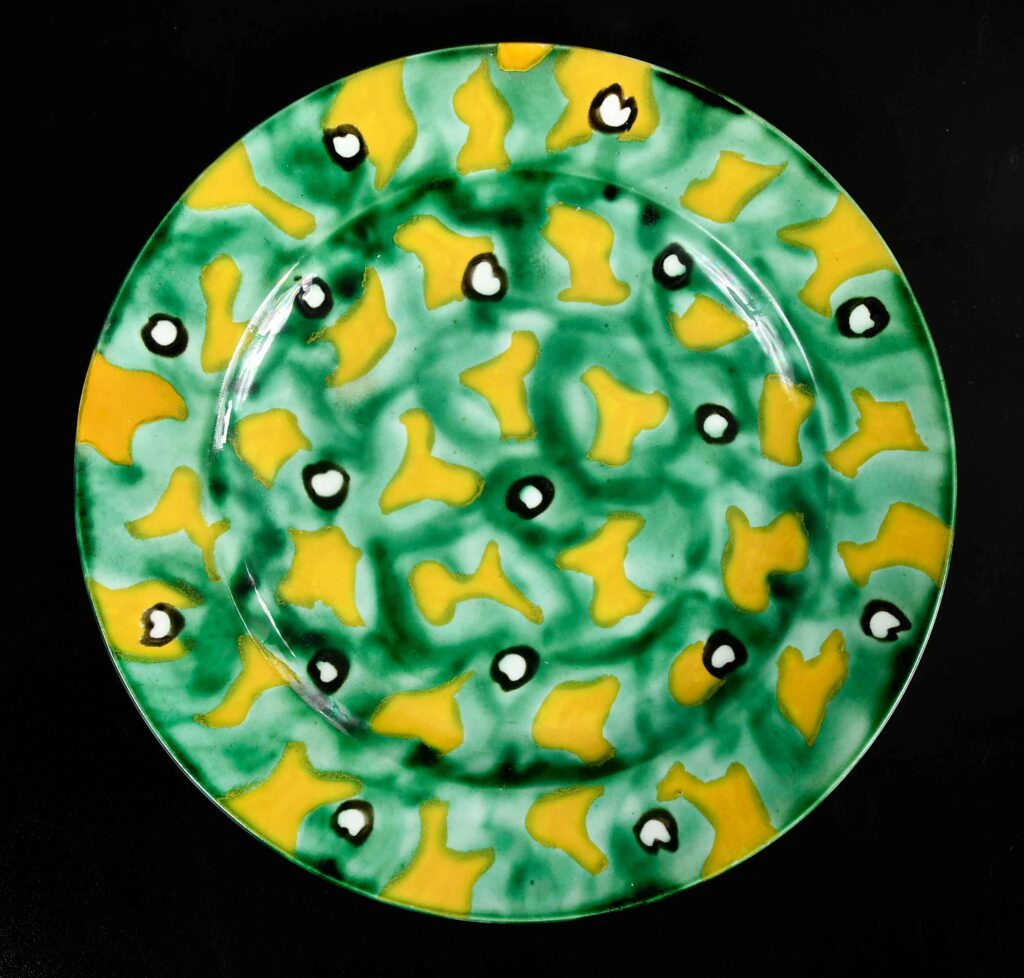
It is believed that when Henry Adam immigrated to Hagerstown from Germany in 1797, he brought the tradition of tin glazing along with him. A special example of Adam’s work is part of the Brunk Auctions catalogue next week. Join host Benjamin Miller, Bert Parsons, George Manger, and Andrew Brunk for a special episode discussing a couple of very special ceramic objects.

Andrew Brunk is President and CEO of Brunk Auctions. Andrew’s experience includes his work as the head of the American Furniture Department at Christie’s, New York, and as an assistant curator at the Philadelphia Museum of Art. He received his Master’s degree from the Winterthur Program in Early American Culture. As a furniture and folk art expert, he has made seasonal appearances on Antiques Road Show since 2000, and has published scholarly articles on several topics.

Born in 1943, Elbert “Bert” H. Parsons Jr., was raised in Huntsville, Alabama where he attended the University of Alabama for both undergraduate and graduate law school. Following a stint in the army during the Vietnam War, he returned to Huntsville to practice law. Always a collector of “beautiful decorative things”, he and his wife began to collect in earnest, first to furnish an apartment, then a house. He later became more serious – he says “I got carried away – when he met Sumpter Priddy at a Heart of Country antiques show, as well as other people, who were influential in helping him shape a collection of furniture, folk art and decorative objects.
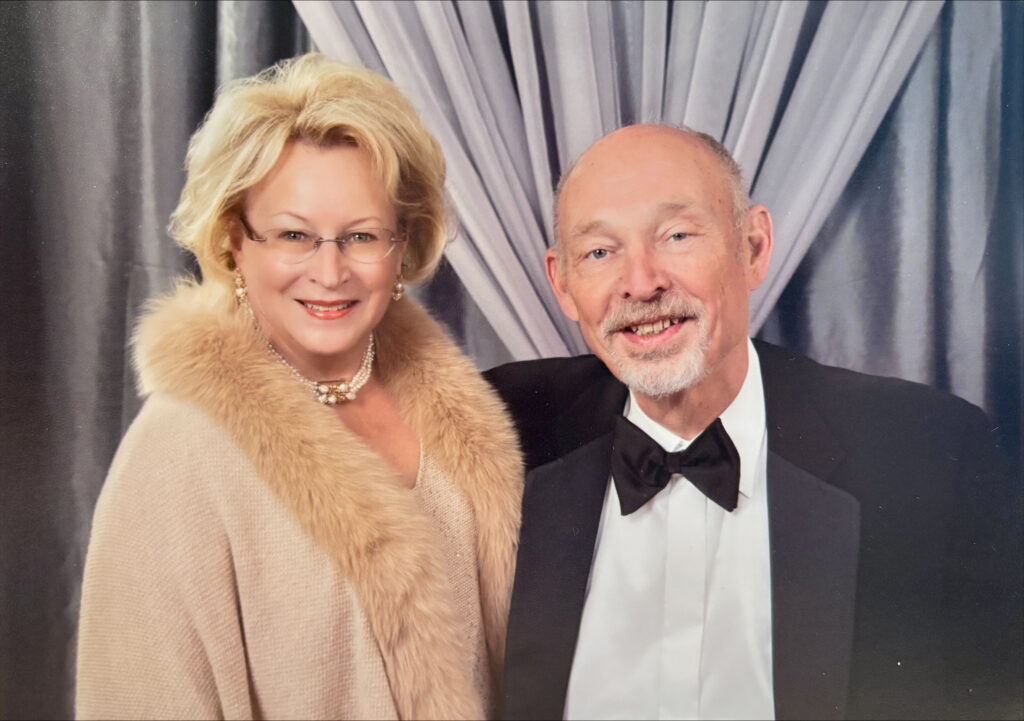
George E. Manger grew up in suburban Washington, D.C., where he developed a love for athletics. His passion for antiques began early, traveling throughout Western Maryland and attending notable house sales in Washington with his mother. What started as a hobby became a lifelong pursuit. Together with his wife, Connie, collecting became a shared passion. They sought quality and were always searching for the finest pieces that they could afford. Over the years, the Mangers developed a particular appreciation for early American furniture, Oriental rugs, and local pottery. Connie had an exceptional eye for design, while George loved the history and craftsmanship behind each piece. Together, they built a collection that reflected their tastes, curiosity, and the life shared.
This collection is more than a group of antiques—it is a tribute to a lifetime of collecting, learning, and creating a home filled with beauty, history, and memories.