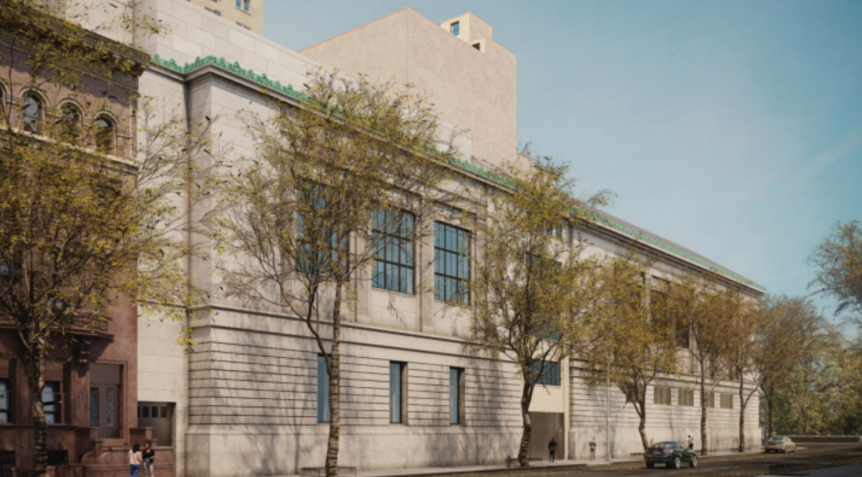
Opening in 2026, the Tang Wing for American Democracy realizes a long-held vision for expansion at the New York Historical.
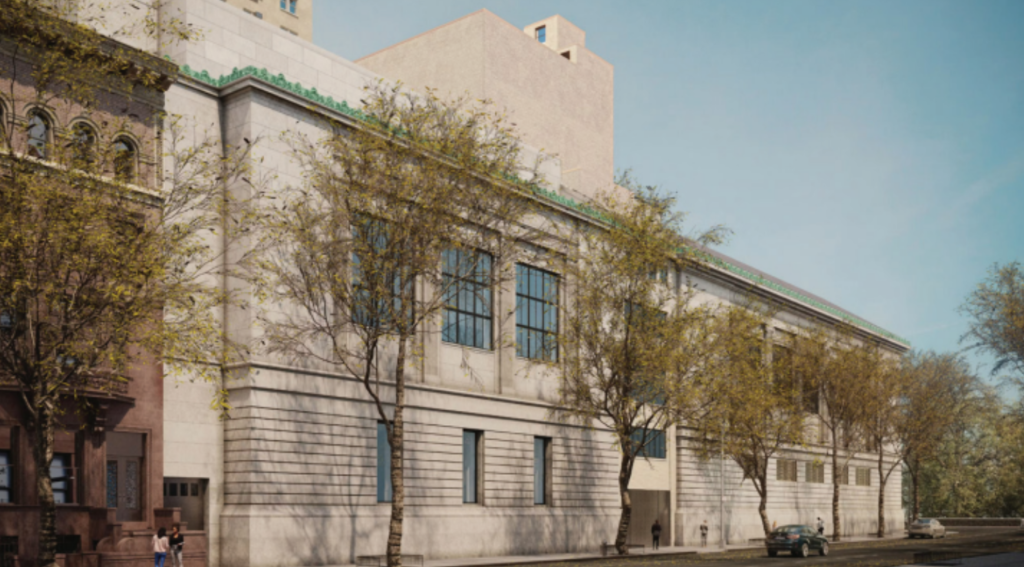
Our upcoming expansion at the New York Historical (formerly the New-York Historical Society) has been nearly ninety years in the making. After our founding in 1804 as New York’s first museum—in the aftermath of the Revolutionary War and with a mission to preserve history as it unfolds—we relocated several times before settling into our permanent home on Central Park West in 1908. A few decades later, in 1938, we added wings on the north and south ends of the building and purchased adjacent land with the hope of expanding even further. That vision is now being realized.

Opening in June, just in time for the United States’ semiquincentennial, our new Tang Wing for American Democracy will add more than seventy thousand square feet to our footprint, including 36 percent more gallery space. Designed by Robert A. M. Stern Architects (RAMSA), the wing will comprise light-filled classrooms, expansive exhibition galleries, a landscaped courtyard, and a rooftop garden terrace with panoramic views of Central Park.
Leading into the new wing will be the Stuart and Jane Weitzman Shoe Museum, which will present a dramatic display of 150 pairs of historical shoes that trace the parallel development of women’s footwear and women’s lives over two centuries. And, in late 2027, the innovative American LGBTQ+ Museum will move into its new home on the Tang Wing’s fourth floor.
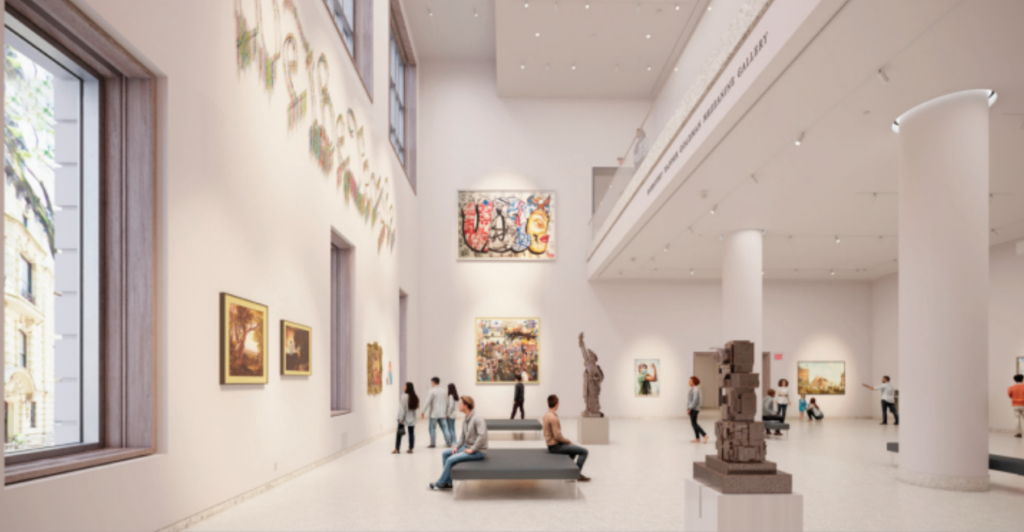
I’m especially excited about our new Klingenstein Family Gallery, a grand triple-height room incorporating energy-efficient windows that will illuminate the space yet protect artwork from UV light. The inaugural exhibition in this gallery is one that I’m curating: Democracy Matters. Drawing primarily from the New York Historical’s permanent collections, it will anchor the abstract ideal of democracy in the physical matters of its history, exploring how the concept has stretched, contracted, and shifted through key moments in the history of the nation, how competing understandings of it have come into conflict, and how those conflicts have reshaped its boundaries. Key examples include fragments of the statue of George III toppled by revolutionaries in New York City in 1776 to protest tyranny and a bird brooch, symbolic of freedom, carved by US citizens Yoneguma and Kiyoka Takahashi while imprisoned for their Japanese ancestry during World War II. The exhibition will end with Thomas Cole’s Course of Empire series, encouraging visitors to consider the trajectory of the nation and their role in it.
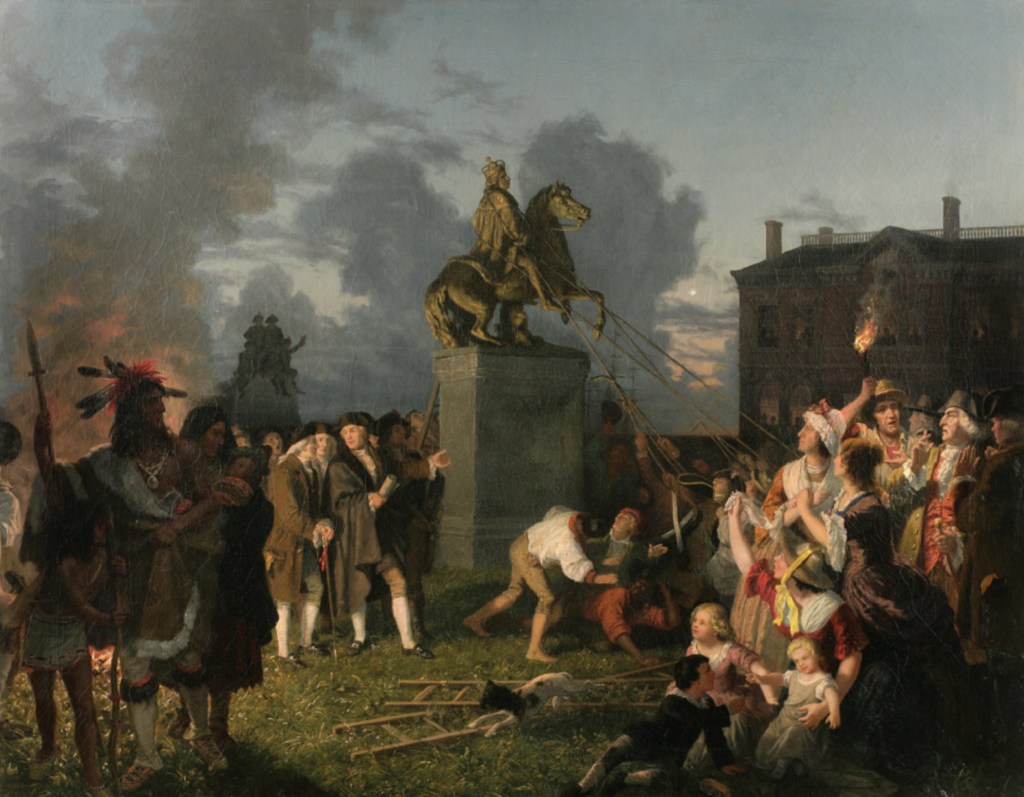
New York Historical, gift of Samuel Verplanck Hoffman.
Two eight hundred-square-foot classrooms will provide a new home for the Academy for American Democracy, our award-winning educational initiative in which sixth graders spend four full days on-site at the museum, participating in a program that addresses critical knowledge gaps in American history and civics. Oversized windows along with a panoply of the latest audio-visual equipment create a comfortable and stimulating learning environment. Just outside the classrooms, along a mezzanine overlooking the Klingenstein Family Gallery, six cases with rotating displays will examine the history and legacy of religious liberty in America.
Our conservators will be well served in our new state-of-the-art conservation studio, totaling twenty-five hundred square feet. For the first time in our institution’s history, we will be able to bring all our conservators, consulting specialists, and conservators-in-training together into one space as they preserve and protect art, artifacts, and historically significant documents. The studio will provide the ample indirect natural light necessary to their work as well as an advanced ventilation system and the most advanced equipment.
This is an exciting time for us at the New York Historical, and we can’t wait to welcome visitors to explore our slate of exhibitions marking the 250th anniversary of the United States and experience the new Tang Wing for American Democracy for themselves.
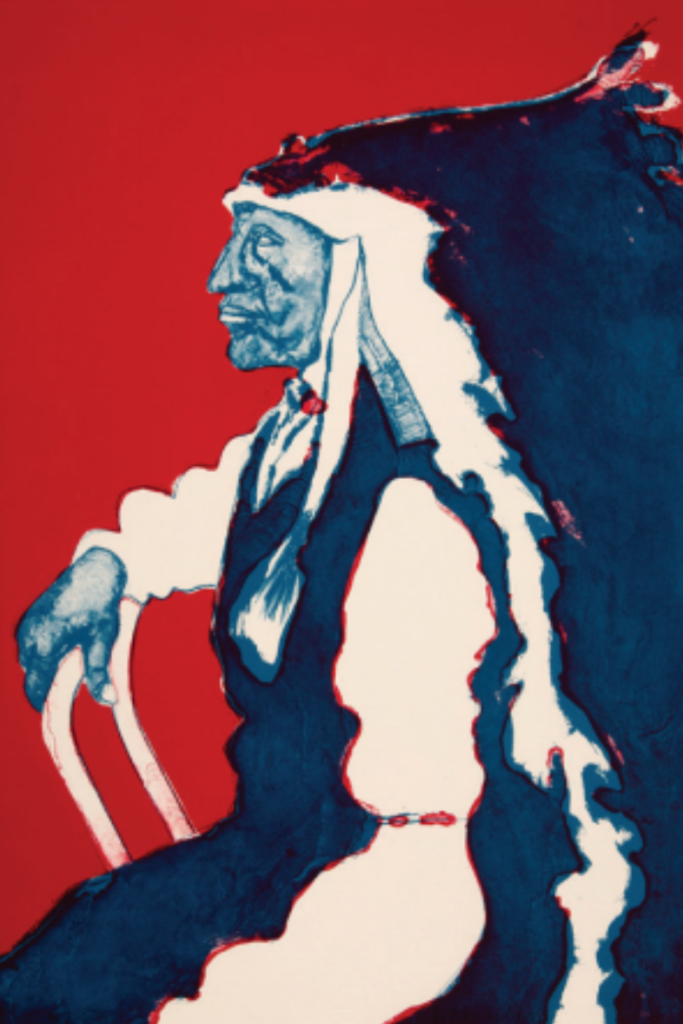
Oscar Tang, Hsu-Tang Collection. © Estate of Fritz Scholder. Agent of the Estate of Fritz Scholder and the Collection of Fritz Scholder.


