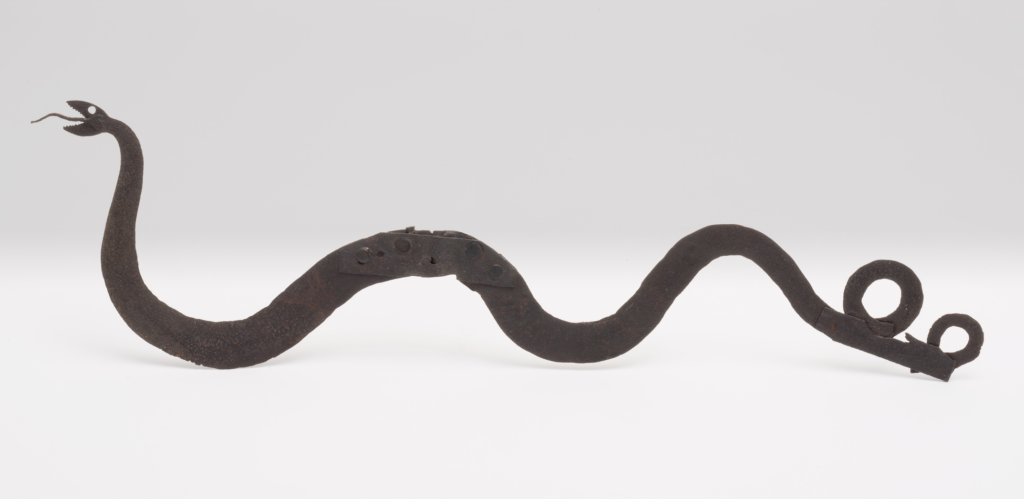
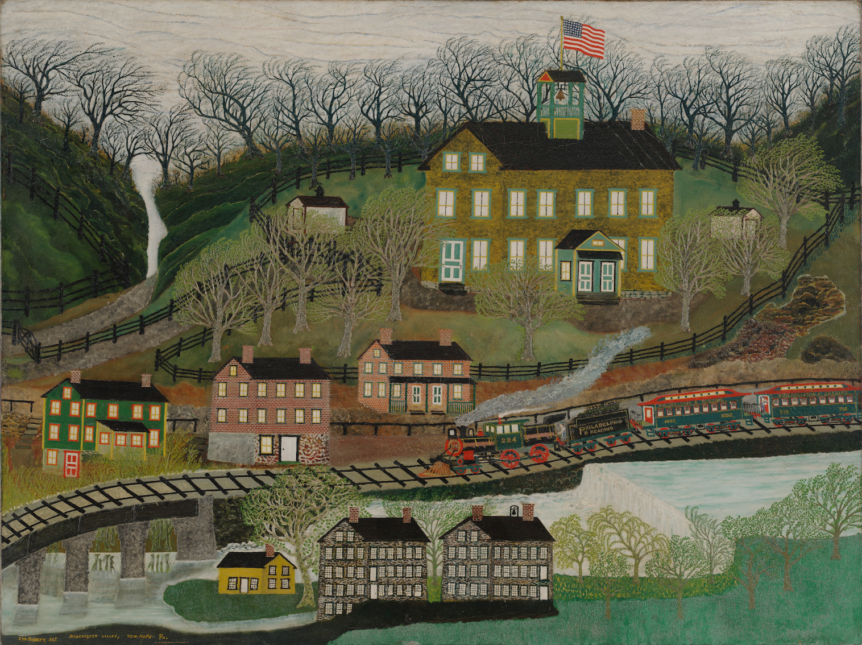
In planning this special issue celebrating folk and self-taught art, I was pleased to learn that the Museum of Modern Art (MoMA) is also turning its attention to these works in recognition of the Semiquincentennial. As one of the nation’s most influential museums, MoMA’s engagement underscores the growing understanding of these artists as central to American cultural history and reflects how far the field has come. I spoke with the museum’s still relatively new director, Christophe Cherix, about the institution’s exhibition, American Folk Art: Revisiting the Collection of Abby Aldrich Rockefeller, which runs through August 9, 2026, and our intertwined histories.
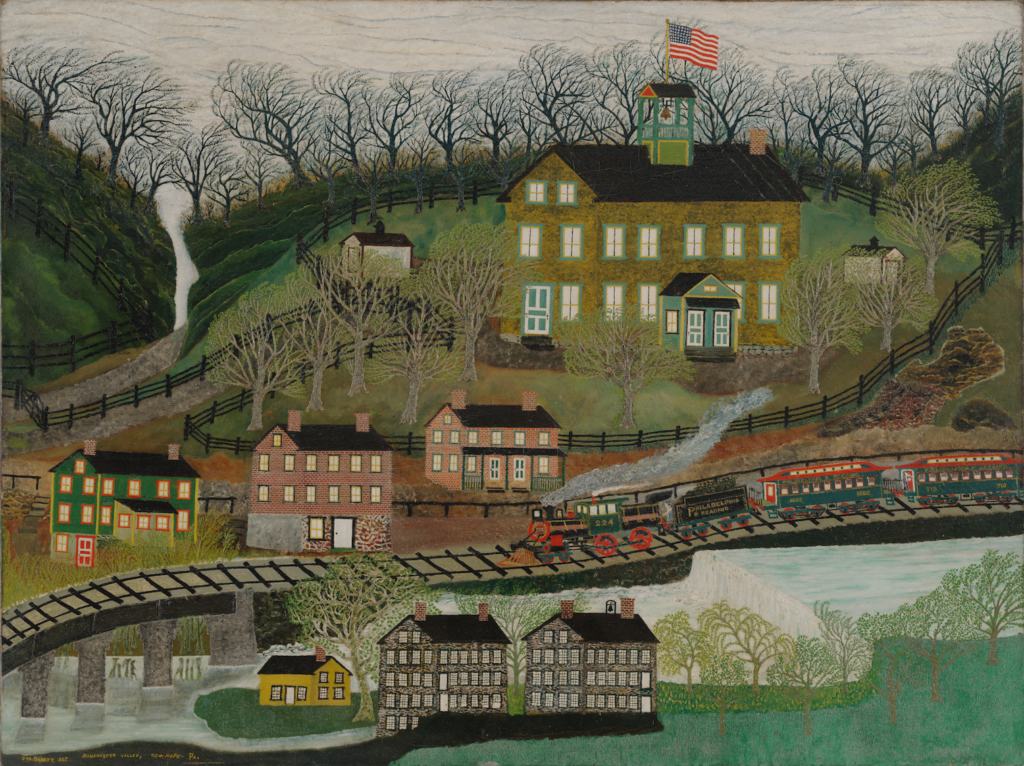
Museum of Modern Art, New York, gift of Abby Aldrich Rockefeller.
Jason Busch: Christophe, hello! I’m eager to hear about your interests, both personally and professionally, in self-taught art.
Christophe Cherix: It’s always been a field I’ve been captivated by. I worked extensively with living artists in my past life as a curator at MoMA, and self-taught art is everywhere. Artists acquire works, they trade works, and that capacity to connect with objects from the past—things that come from very genuine, singular places—has always fascinated me.
JB: I’m delighted to hear that. Tell me how that fascination shaped your upcoming exhibition.
CC: When I became director last fall, my team and I began thinking about what we might do for the country’s 250th anniversary. One idea that emerged from conversations with our curators was to present American folk art from the collection of Abby Aldrich Rockefeller. I immediately loved the idea because it connected directly to our mission and history. People often think of our founders as focused only on contemporary or modern art, but Abby, one of our founding trustees, was as passionate about folk art as she was about modern art. In fact, the museum organized an exhibition of her collection very early on.
JB: It’s a wonderful collection with many ties to our own at the American Folk Art Museum. Personally, I’ve long felt connected to MoMA and the Rockefeller family because my career began as an intern at Colonial Williamsburg, where much of her folk art collection lives.
CC: Oh, fantastic!
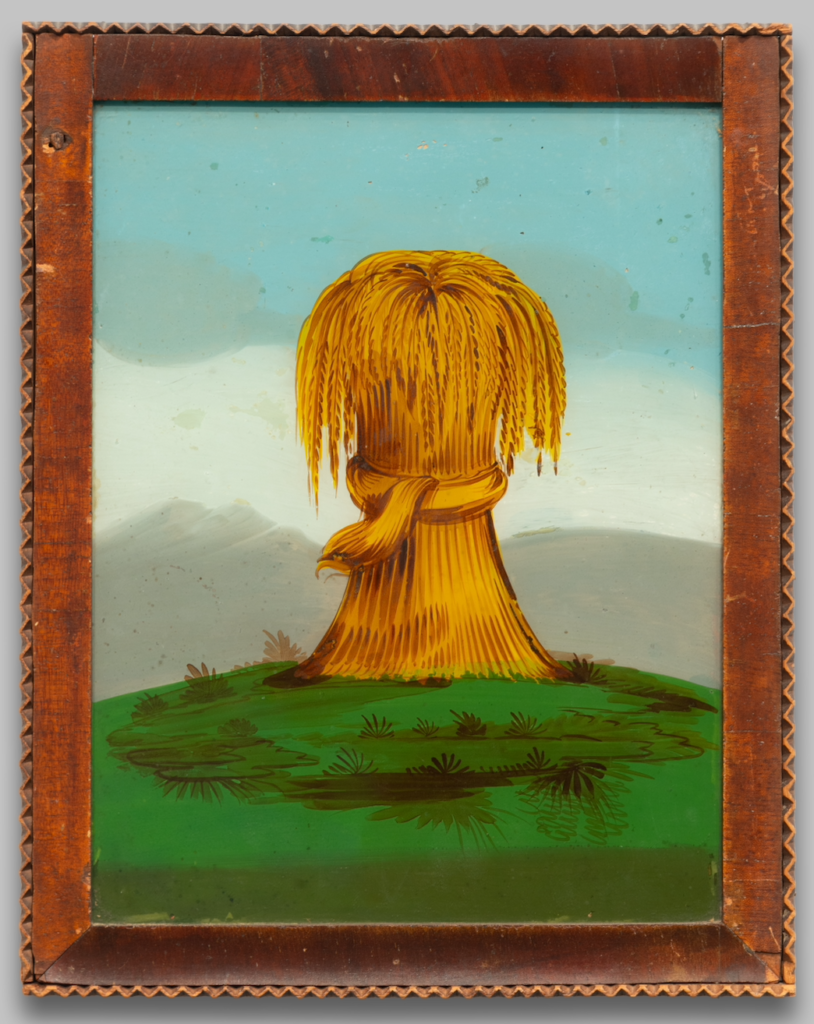
Colonial Williamsburg Foundation, gift of the Museum of Modern Art.
JB: I was working on exhibitions at the Folk Arts Center, and I became deeply interested in the history of Abby Aldrich Rockefeller. I was inspired by how seriously she took the work of self-taught artists, many of whom remain unrecorded. That spirit was foundational at MoMA and, ultimately, became a source of inspiration for institutions like mine as well. One example in particular I want to bring up is the William Edmondson exhibition that you did in 1937—AFAM did our own showing of Edmondson’s work in 1965.
CC: I love that example. Our exhibition was likely inspiring for your museum—and your exhibition, in turn, became inspiring for us. We only acquired a work by Edmondson in 2007—seventy years after that exhibition. Your exhibition probably played a crucial role in helping us understand that he was an artist we also needed represented in our permanent collection. I like the idea that MoMA has inspired others and then is inspired in return. That relationship is very important to us.
JB: Yes, there are many examples of that kind of partnership between museums. We recently organized an exhibition on the underappreciated Brazilian artist Madalena dos Santos Reinbolt with the Museu de Arte de São Paulo, bringing together her extraordinary wool works in unprecedented numbers. We also organized an exhibition in collaboration with three international institutions—Les Abattoirs, Musée – Frac Occitanie Toulouse; the Centre de Cultura Contemporània de Barcelona; and the Museo Nacional Centro de Arte Reina Sofía in Madrid—focused on the Catalan psychiatrist Francesc Tosquelles. His work influenced Jean Dubuffet and was instrumental in shaping the concept of art brut. Those partnerships are key.
Returning to your current exhibition: what can you share about what it means to place folk and self-taught artists at the center, rather than the margins of art history? How is MoMA looking at that?
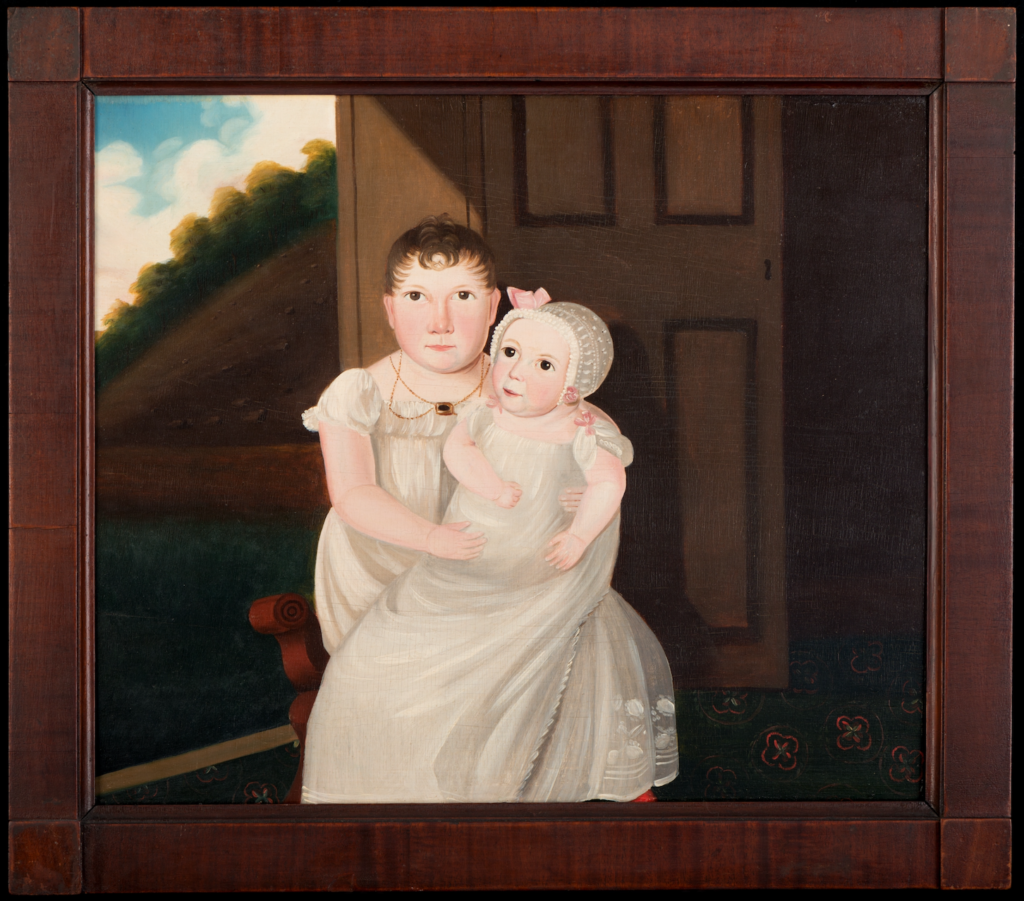
CC: I think part of the thinking behind the 2019 reinstallation of our galleries was to break down those silos—the idea that certain kinds of art, whether self-taught or folk art, or even categories defined by medium, discipline, or period, should exist separately from one another. We wanted to create spaces where works could live together more fluidly and rotate constantly.
JB: It’s inspiring to hear you say that, especially given the longstanding relationship between the American Folk Art Museum and Museum of Modern Art. What you describe about influence and dialogue across time feels closely aligned with our own mission. Much of what you’ve said resonates with the work we’re doing at AFAM.
CC: Excellent.
JB: Well, this was wonderful. Thank you again, Christophe. I appreciate the time you’ve given us this morning. I look forward to seeing your exhibition and to future partnership between our institutions.
CC: Thank you, Jason. Me as well.