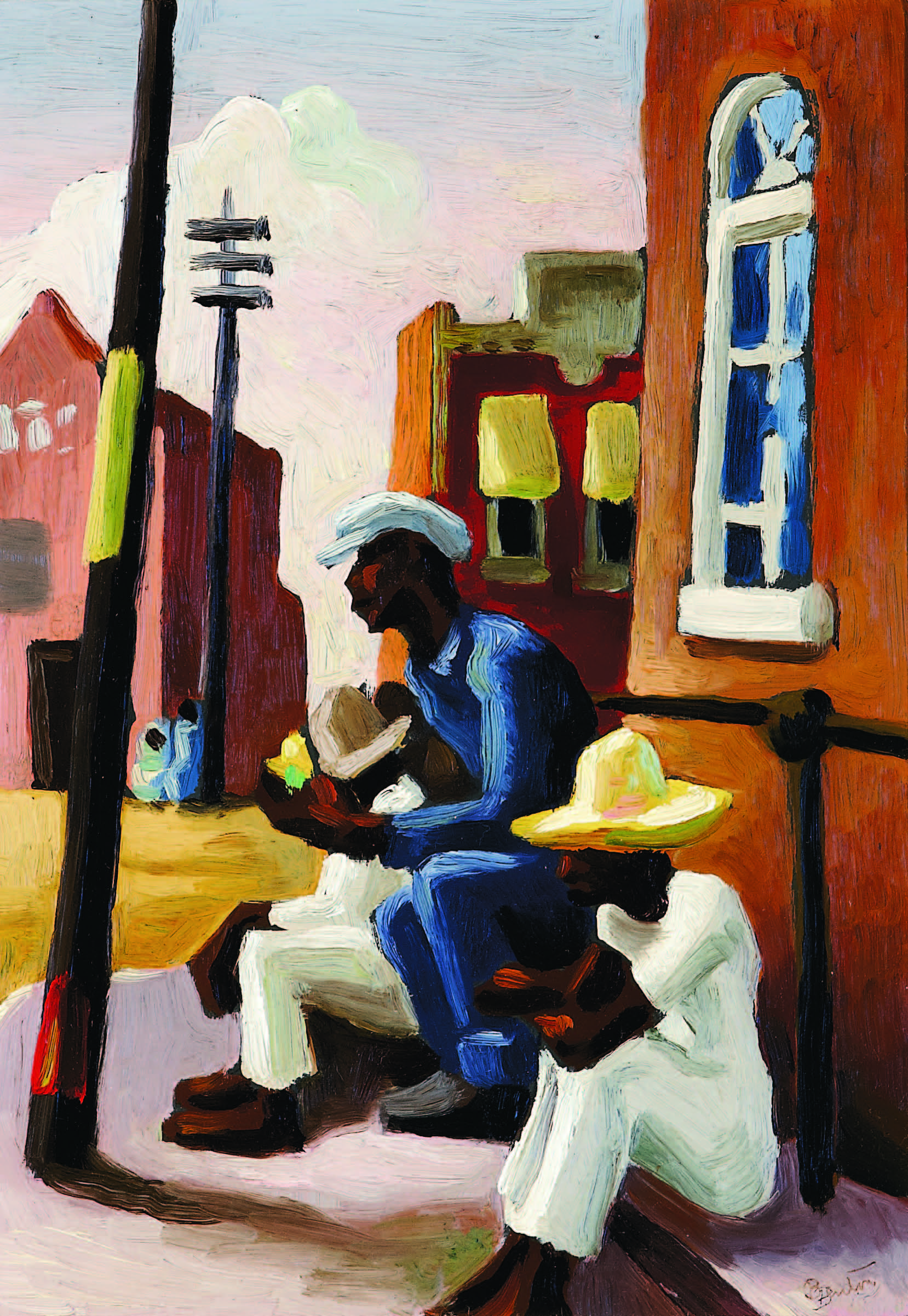
After the sixty-one paintings—a collection assembled over thirty-four years—had been professionally wrapped, loaded onto a truck, and driven north from Florida, John H. Surovek contemplated living without his collection while it made an eighteen-month circuit, first to the museum at Ball State University, Surovek’s alma mater in Muncie, Indiana, then to four other small museums around the country. A week …
Uncompromising Truth
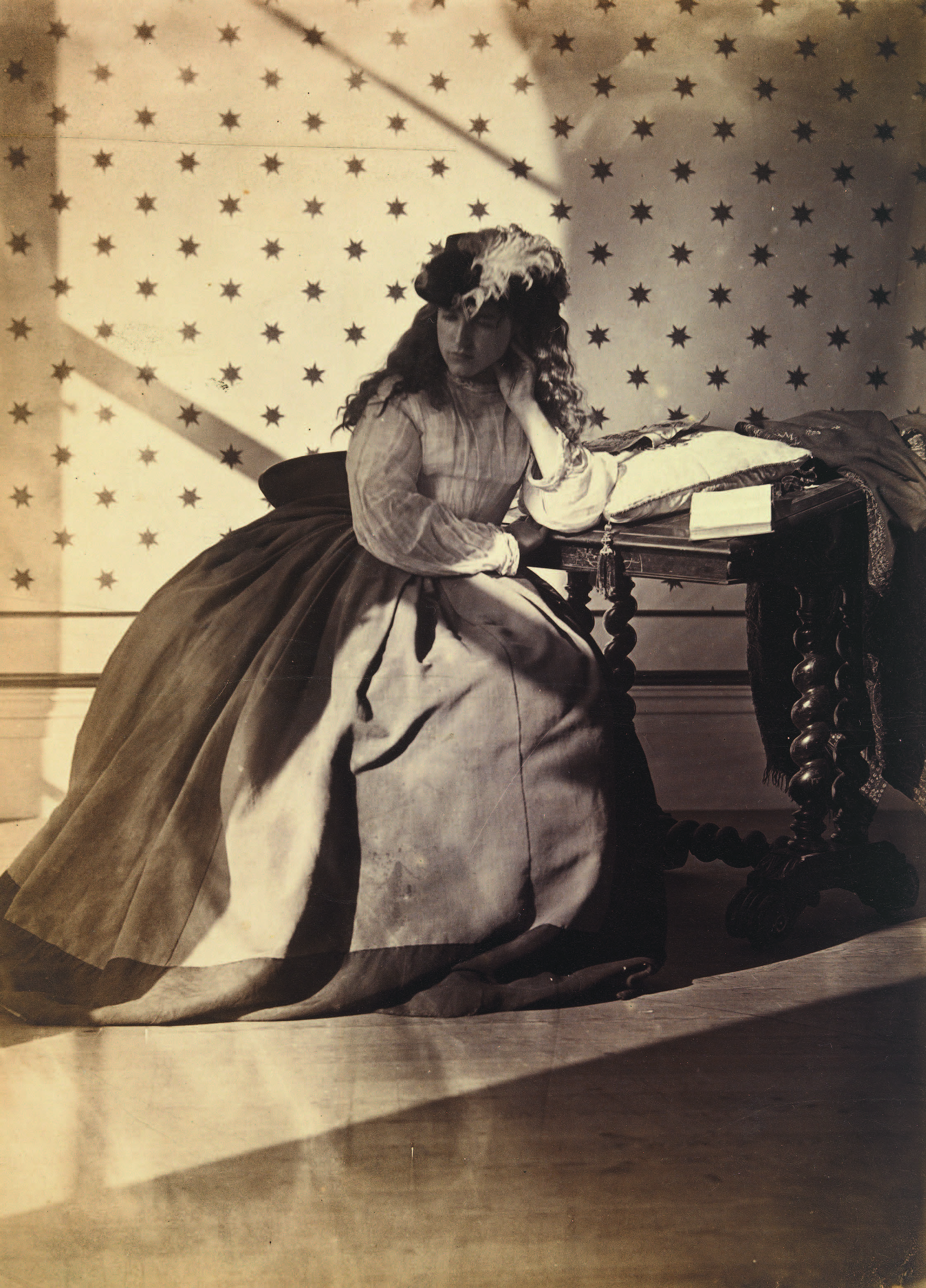
In 1841 the English art critic and social theorist John Ruskin hired a young valet by the name of John Hobbs. For the sake of propriety Ruskin resolved to address Hobbs as “George,” on the principle that a Victorian gentleman, even one with advanced political beliefs, should not have to share his name with a servant. Hobbs’s duties, although initially …
Color in a Higher Key: John La Farge
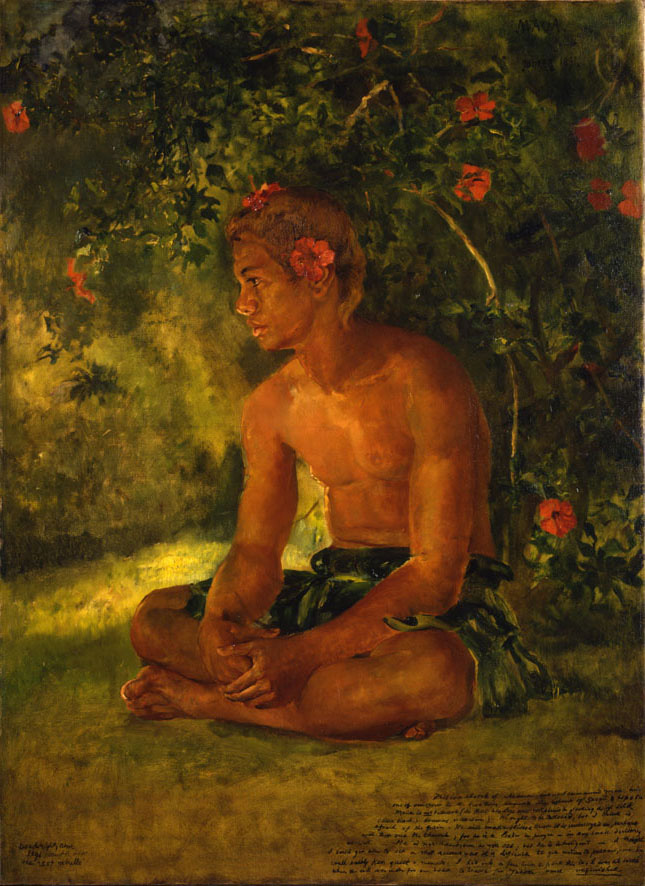
John La Farge and Paul Gauguin never met, which is just as well. Had they done so, these two painters, one an American academician, the other a French bohemian, would surely have despised one another. Indeed, even without meeting Gauguin, La Farge was comfortable dismissing him as “wild and stupid…[a man who] went into the wilderness and lived the simple …
Williamsburg Forum 2011
Colonial Williamsburg will convene its sixty-third annual Antiques Forum between February 20 and 24, 2011. The theme this year, Decorative Arts Forensics: How We Know What We Know, is intended to shed light on some of the fascinating advances in techniques for historical research and scientific investigation that have opened new avenues of verification for curators, collectors, and scholars. The …
Fantastic Mr. Shearer
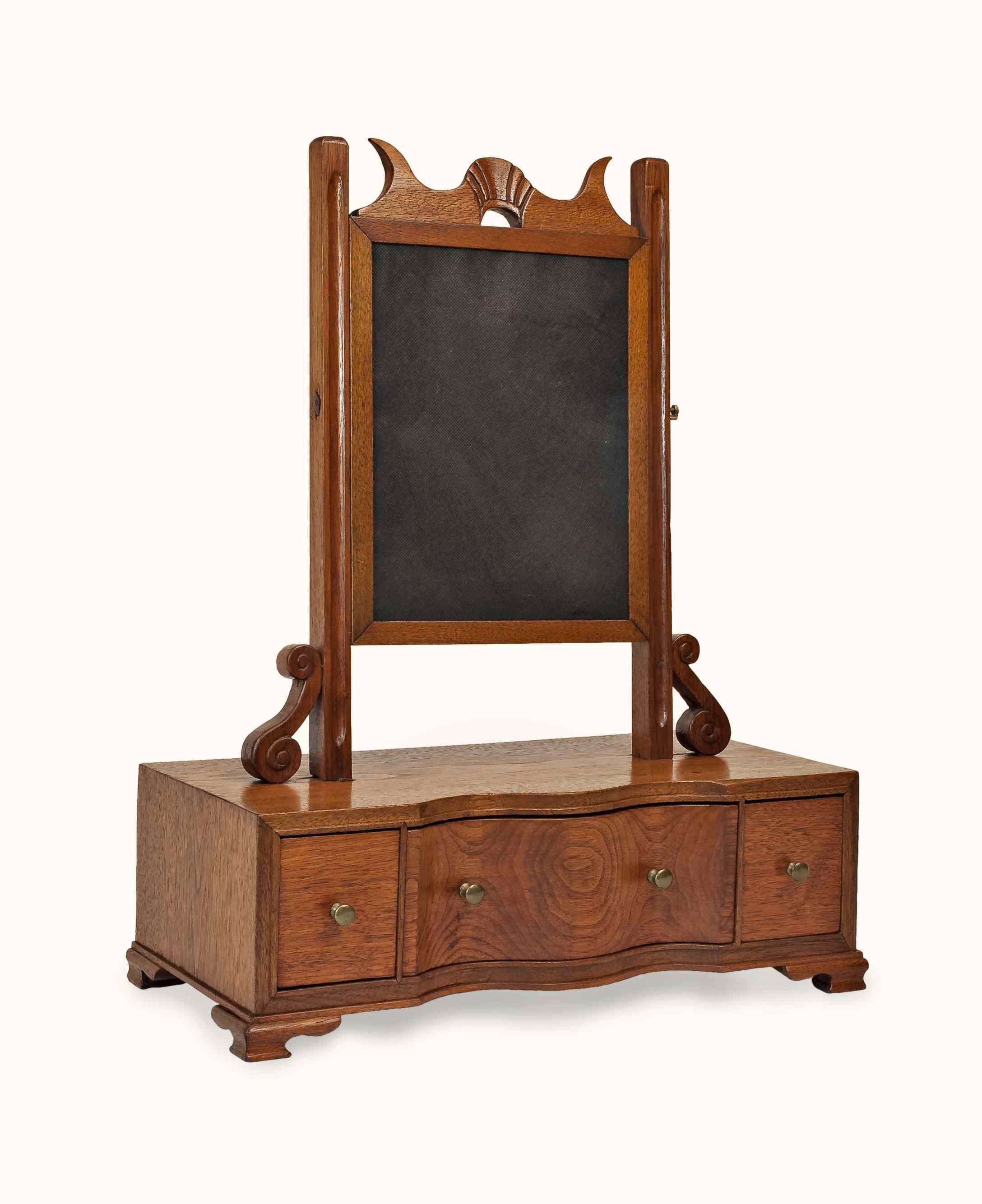
Fantastic Mr. Shearer A man with a mission, the elusive late eighteenth- and early nineteenth-century Virginia cabinetmaker John Shearer often professed his British loyalties in carving and inlay. Even when he did not, his furniture displays an idiosyncratic style that has long intrigued scholars and collectors-and made Shearer the subject of two articles in our April-May 2010 issue, written in …
Moving Forward at Bayou Bend
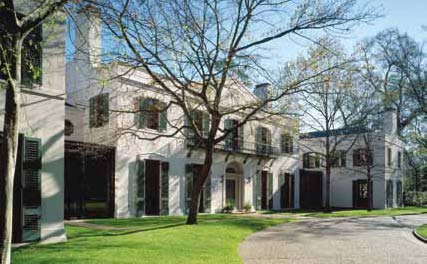
from The Magazine ANTIQUES, September/October 2010. Houston has been called a wholesale city—a great place to do business and buy big. It feels as though it is lounging flat out, like some huge deflated blimp. The very notion of commercial/residential zoning remained problematic until rather recently, and less than a generation ago smallish escort service motels sat cheek-by-jowl near great …
The Emperor’s Secret Garden
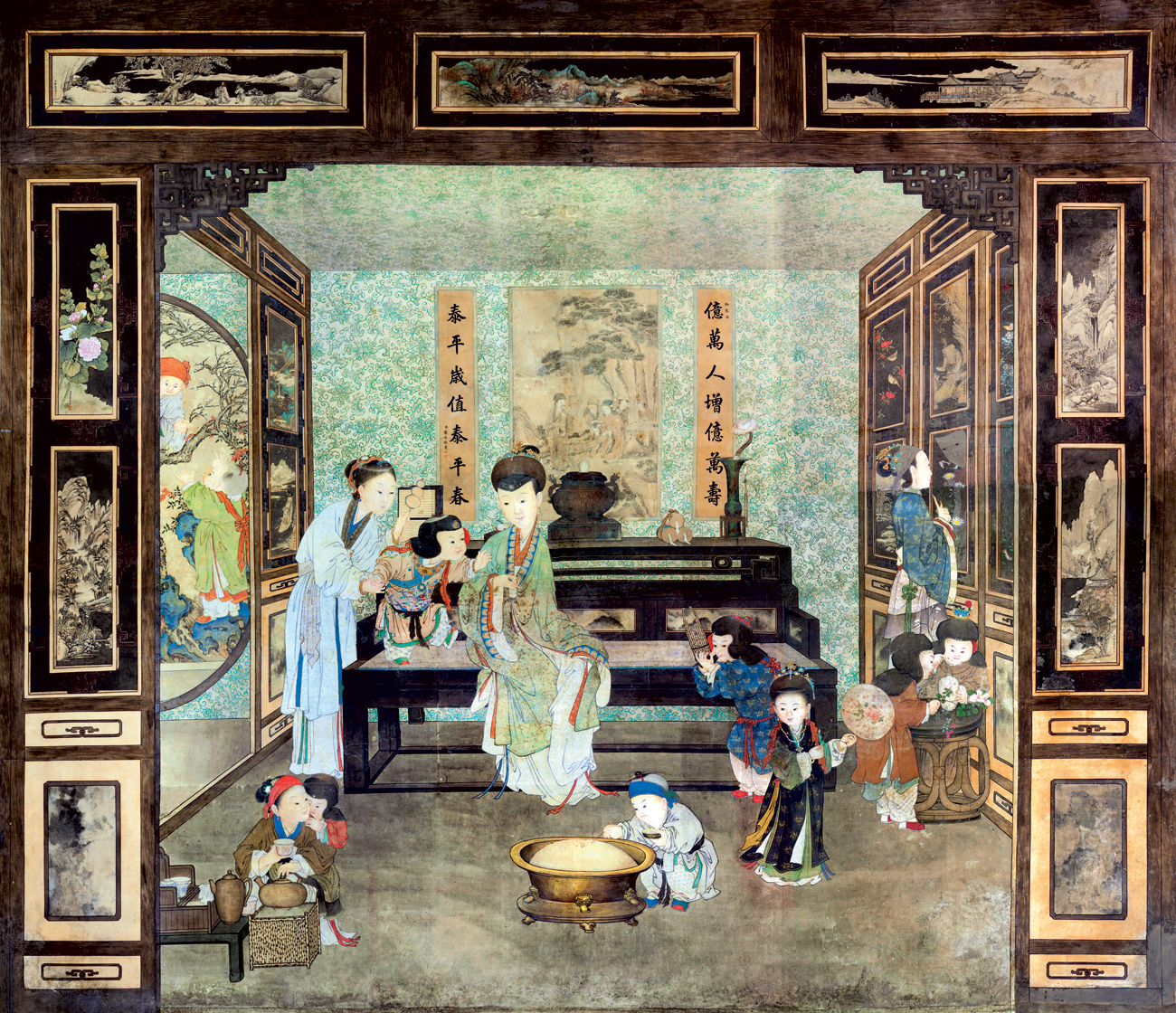
Fig. 1. Mural of an interior scene from the Yucuixuan (Bower of Purest Jade) in the Qianlong Garden, Beijing, c. 1776. Ink and colors on paper, 10 feet, 4 ¾ inches by 12 feet, ⅜ inch. Many artists from the ateliers of the Qianlong emperor (r. 1736–1796) contributed paintings to the scene, among them Yao Wenhan (active c. 1739–1752), who …
Grant Wood
from The Magazine ANTIQUES, September/October 2010 | In the following passage from Grant Wood: A Life (Knopf, 2010), R. Tripp Evans’s new biography of the man behind American Gothic (1930), the author examines a critical work from the artist’s mid-career: 1934’s Dinner for Threshers. Fig. 1. Dinner for Threshers by Grant Wood (1891–1942), 1934. Signed and dated “Grant Wood, 1934” …
Query: Seeking Stretch
The early Philadelphia clockmaker Peter Stretch (1670–1746) and his two clockmaking sons, Thomas (1697-1765) and William (1701-1748), are the subject of a forthcoming catalogue raisonné to be published by the Winterthur Museum and Country Estate in Delaware. Peter Stretch was born in Leek in Staffordshire, England, and apprenticed with his older brother Samuel, a clockmaker who specialized in lantern clocks …
Charles Deas West
During the 1840s Charles Deas, a scion of the wealthy antebellum Izard family of South Carolina, painted dramatic images of the American West that captured the young nation’s uncertainty about its future—and the imagination of a vast viewing public. Late in the decade, however, he slid into insanity (he spent almost half of his fortyeight years in asylums), and both …