Happy Birthday, America! These three words will be repeated throughout this summer as the United States celebrates its Semiquicentennial. Of course, the US of 1776 was far different from the one that exists in 2026. Antiques, and indeed The Magazine ANTIQUES—which itself is more than one hundred years young—trace that trajectory. And over the past 250 years, Americans, whether born in the country or immigrants to it, have reflected the diversity of the world in the art they have made, collected, and appreciated. These objects have become tangible portals for future generations.
I think about the same things when looking at the painting Situation of America, 1848, an image
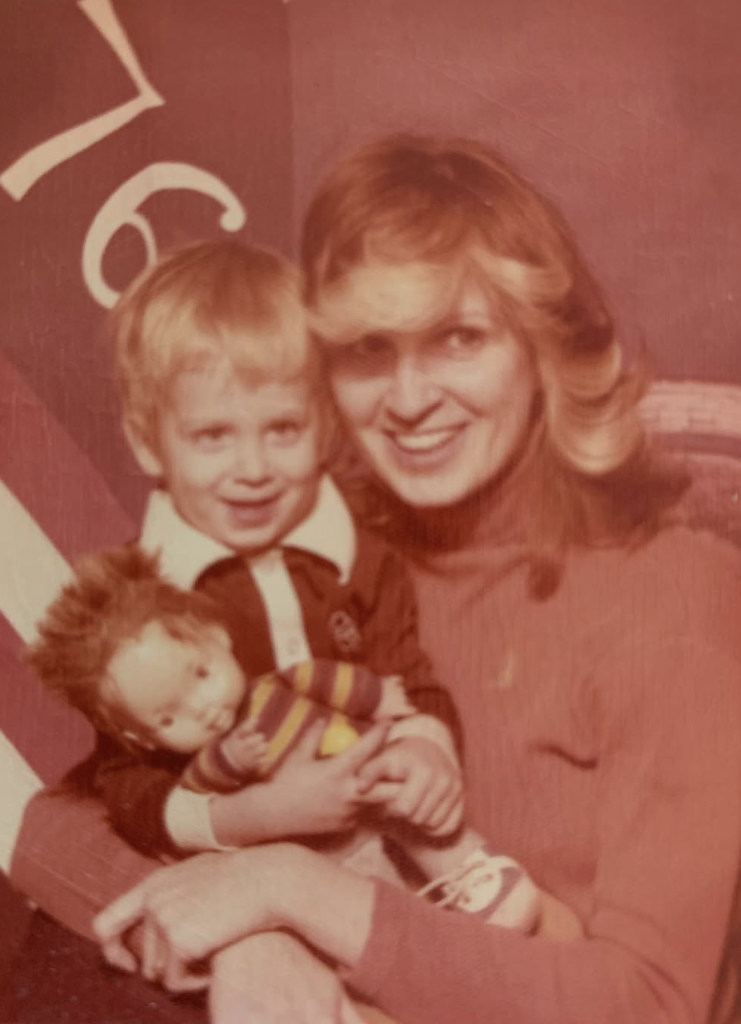
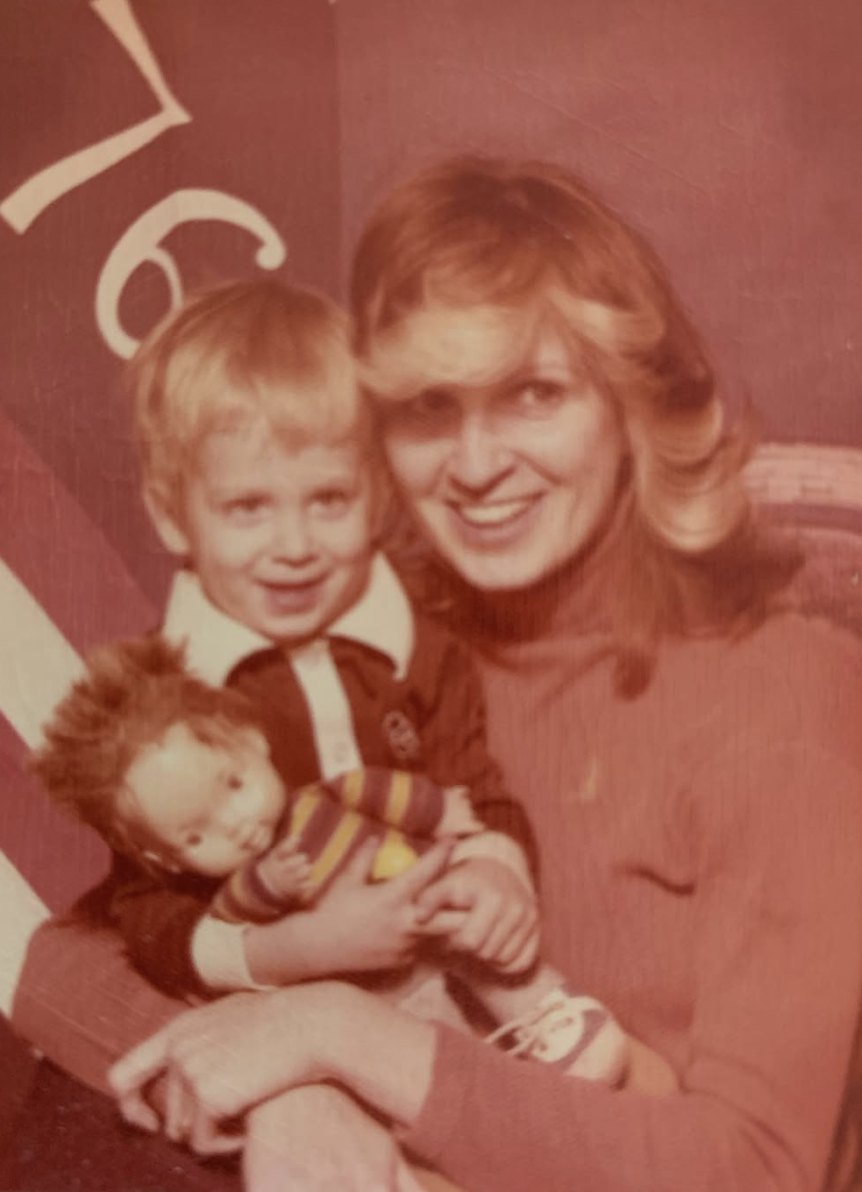
I have known most of my life through my mother—who introduced me to Americana in 1976. I am fortunate to be the Becky and Bob Alexander Director & CEO of the American Folk Art Museum (AFAM) in New York City, the museum that holds the painting (read more about this artwork in the following Perspectives column). Stories like those revealed in Situation of America, 1848, and its impact on a Midwestern boy like me, are reflected in dozens of objects illustrated and discussed in this issue of ANTIQUES. In western Massachusetts, Lauren Whitley recontextualizes Historic Deerfield’s clothing collection by exploring how fashion shaped class, race, and gender, placing dress at the center of personal politics during the American Revolution. In Southern California, Dennis Carr reveals a new and evocative presentation of the Huntington Library, Art Museum, and Botanical Gardens’ ever-advancing American collection. Here in New York, AFAM’s Emelie Gevalt recontextualizes the collection of the nation’s museum of folk and self-taught art, and Valérie Rousseau and Suzie Oppenheimer provide a groundbreaking study of self-taught artists in the US from the early twentieth century to the present.
Many of the articles and columns in this issue are written through the lens of work created by self-taught artists. Particularly important are the perspectives of galleries in the field. Having previously directed both an auction company and art gallery, I am indebted to colleagues in the commercial art trade who make discoveries of artists while fostering private and museum collections. Cara Zimmerman of Christie’s encapsulates the voices of dealers who have shaped folk and self-taught art over decades as well as newer names redefining the field. Fashion designer Emily Adams Bode Aujla discusses with Gevalt the relevance of handcrafted quilts to her work in contemporary fashion. I also speak with Christophe Cherix about the shared histories and interests of the Museum of Modern Art and AFAM. David Fierman writes about the unique Living Museum in Queens, New York that provides space for neurodiverse and disabled artists to pursue their work, as his Open Invitational art fairs promote their art.
Impressive partnerships are also revealed throughout this issue. The Richard Hampton Jenrette Foundation, the Friends of John Jay Homestead, and Katonah Museum of Art, all in New York, have mounted an exhibition exploring the impact of domestic spaces on diplomacy for this country’s founders, as told by Grant Quertermous. World renowned filmmaker and historian Ken Burns has curated the multi-era exhibition The Promise of Liberty at the Peoria Riverfront Museum in Illinois, as narrated by Bill Conger. Concurrently, the Peoria Museum, under the leadership of John Morris and curatorial vision of Zac Zetterberg, has collaborated with the Peoria Tribe of Indians of Oklahoma, the Art Bridges Foundation in Arkansas, and AFAM to create the Center for the Study of American Decoys, the first of its kind in the middle of the country. AFAM has also partnered with Crystal Bridges Museum of American Art to mount America 250: Common Threads, a blockbuster exploration of symbolism in America curated by Larissa Randall.
Having contributed a number of articles to ANTIQUES over my career, I am honored to give back to this stalwart magazine of decorative arts and design. I hope it will engage you in the power of art and artists in defining the future of the United States of America for the next 250 years.
Jason T. Busch


