The Frist Art Museum Celebrates Twenty-Five Years of Stewardship
As part of our twenty-fifth anniversary celebration, the Frist Art Museum will present A Landmark Repurposed: From Post Office to Art Museum, an exhibition that celebrates the historic building we are privileged to occupy—Nashville’s former main post office. On view through August 1, the exhibition features drawings, photographs, and historical information about the transformation of one of Nashville’s most treasured architectural sites.
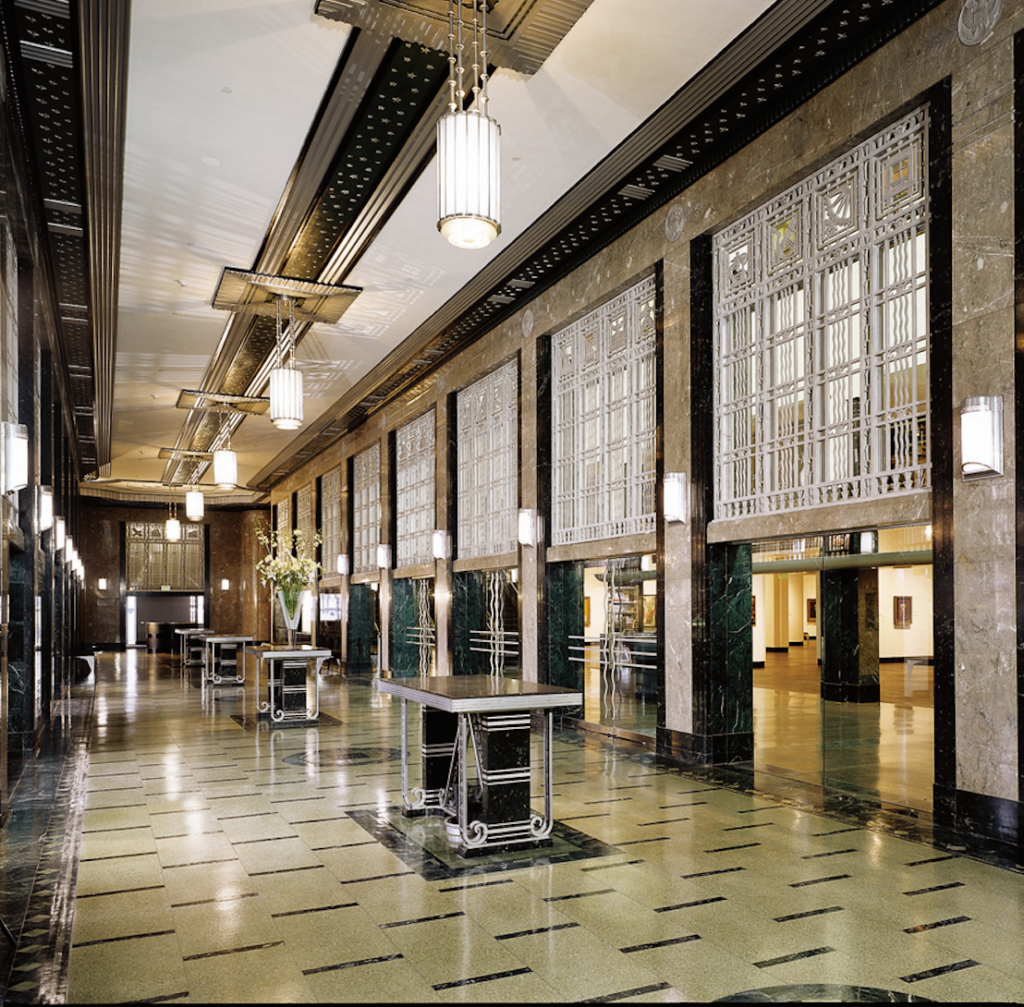
Photograph by Robt Ames Cook.
A Landmark Repurposed highlights the building’s role as a civic institution, from its creation as the post office in 1933−1934 to its reopening as an art museum on April 8, 2001. Through archival images, architectural drawings, “Then and Now” photographs, and more, visitors can learn about the building’s distinctive architectural styles, as well as how historical events affected the construction and function of the post office.
“As we enter our 25th year as an arts institution, we grow ever-more passionate about our building and are eager to share this wonderful deep dive into our history with everyone who passes through our doors,” says Seth Feman, Frist Art Museum executive director and CEO. “We get so many questions about our building, its aesthetic details, fascinating quirks, and historical lore. Though we don’t have a permanent collection of artworks, we are honored to be the stewards of this building, one of the most important and beloved artistic and architectural treasures in the city, and we admire how the original design at once emphasizes respect for the past and a drive toward the future—an elegant expression of the museum’s own creative vision.”
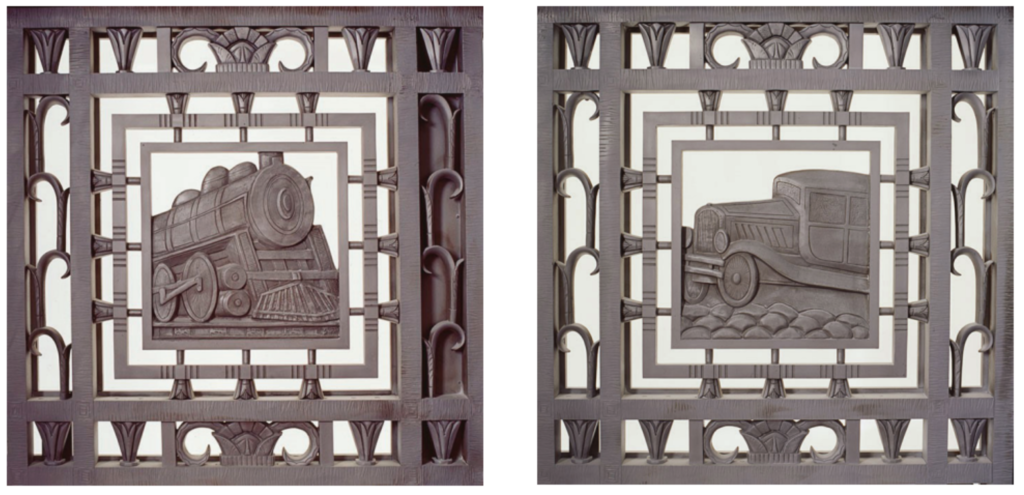
Photographs by Bob Schatz. © Frist Art Museum.
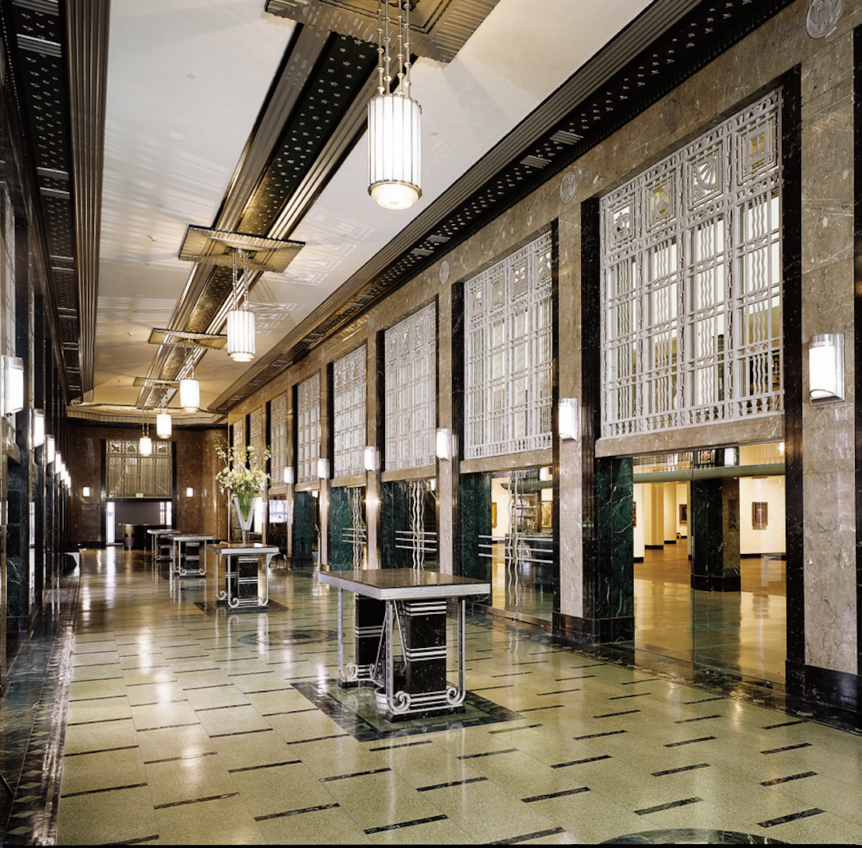
Constructed under the direction of local firm Marr and Holman, the building was financed by the US Treasury Department’s Office of Construction. Following guidelines from the Office of the Supervising Architect, the building displays the two most distinctive architectural styles of the period: “starved” or “stripped” classicism and art deco. During the Depression, architects working for the federal government were expected to express in their buildings the values of permanence, stability, and order—values that a classical style had traditionally embodied—but in forms streamlined to suggest progress and simplified to lower production costs. Inside the Frist’s building, cast aluminum doors and grillwork, as well as colored marble and stones on the floors and walls, follow the more decorative trend commonly known as art deco, which had developed in commercial interiors during the 1920s.
In 1984 the post office building was officially added to the National Register of Historic Places. Two years later, however, a new main postal distribution center was constructed near Nashville International Airport, and much of the old building was no longer needed. Opening an art museum downtown was originally inspired by Nashville’s Agenda, a 1993 community-wide visioning project. Dr. Thomas F. Frist Jr. envisioned a museum that would be “a place that will bring the power of great visual arts to the center of our city and the center of our lives.”
Tuck-Hinton Architects of Nashville guided the preservation of the post office building’s architectural details and spirit. The task for the renovation designers was to carve out galleries and open sight lines and predictable avenues through areas of the building that had once been off-limits to the public. The original pine floors were taken up, refinished, and reinstalled, and the huge high-ceilinged sorting rooms in the center of the original facility were naturally suited to their new role as spacious exhibition galleries.
Approximately seven thousand guests attended the opening celebration when the building began its second life as the Frist Center for the Visual Arts on April 8, 2001. From the outset, the Frist’s mission has been to present and originate high-quality exhibitions with related educational programs and community outreach activities. On April 2, 2018, the Frist’s name was formally changed to the Frist Art Museum to more clearly convey what we offer. We are projected to welcome our five millionth visitor before the end of 2025.
We celebrate all that has been accomplished since 2001 and are excited about our next twenty-five years. As Nashville continues to change around our building, we will remain steadfast in our commitment to preserving our historic building through ongoing projects and working collaboratively with the diverse community of creative voices in our region.


