Historic Deerfield President John Davis looks back at the legacy of the institution’s fellowship program.
For seven decades, Historic Deerfield’s Summer Fellowship Program has introduced emerging scholars to the study of early American history, material culture, architectural preservation, and the decorative arts. Each summer, a small cohort of advanced college undergraduates spends nine weeks immersed in Deerfield’s historic landscape and collections, working closely with curators, craftspeople, and primary sources. Over 500 alumni have carried the skills and sensibilities gained here into influential careers in museums, academia, preservation, and the commercial antiques world.
Historic Deerfield is currently engaged in a major campaign to endow the Summer Fellowship Program in perpetuity, so that promising students will continue to have access to intensive, object-centered study, ensuring that the decorative arts remain an important resource for future generations to come to their own understanding of early American life.
The Summer Fellowship Program stands as one of Historic Deerfield’s most enduring investments in the future of the field. The alumni featured here represent only a fraction of the program’s impact, yet their stories of intellectual discovery surrounding their research project–which each student executes as part of the fellowship–illustrate how a single summer in Deerfield can shape a lifelong commitment to history, visual analysis, and the decorative arts.
Jan Seidler-Ramirez, Class of 1972: Chief Curator and Executive Vice President of Collections, National September 11 Memorial & Museum Research Paper: “The Role of Wife and Mother in 18th-Century Deerfield, 1750-1800, or, The Pocumtuck Housewife”

A historian colleague has described my curatorial field as the study of American stuffitude. The definition is traceable to the transformative summer I spent at Historic Deerfield. As one of the first cohort of women fellows, my investigation took form as a naive menu-sampling of Deerfield’s eighteenth-century vital records, probate inventories, diaries, household ledgers, and advice manuals available to literate wives, mothers, and marriage-eligible daughters. The outcome? An amateur’s reach into feminist history far exceeding its grasp of the complex lives of women residing in this frontier settlement. But those nine weeks on “the Street” also immersed me into the possibilities of material culture studies, which influenced the trajectory of my subsequent career as a museum curator.
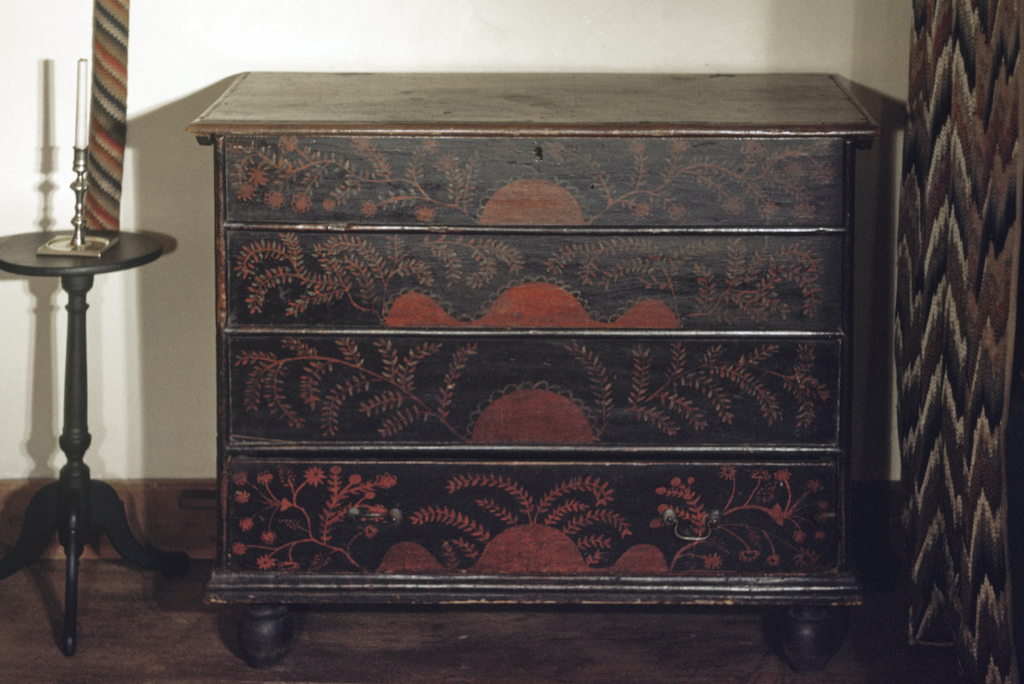
Within Deerfield’s historic houses and storerooms, “things” assumed a narrative eloquence I’d never heard before. We were challenged to puzzle out the meaning of property: to contemplate its availability or rarity; its weight, odor, texture, and color. In Deerfield’s parlors, kitchens, and bedchambers, I began to see women laboring to nurture families. I felt their chronic pursuit of security while coping with cold, heat, serial pregnancies, and unreliable food reserves. The Fellowship’s legacy was a new mindfulness about the sensory evidence of place and an appreciation of the power of artifacts to situate real people onto history’s center-stage.
Alexandra Deutsch, Class of 1994: John L. and Marjorie P. McGraw Director of Collections, Winterthur Museum, Garden, and Library Research Paper: “In Search of the Connecticut River Goddesses: An Investigation of Clothing and Status in 18th-Century Hampshire County”
When I reflect on my summer experiences as a Deerfield Fellow and my research paper on women’s clothing, they are two of the most formative experiences in my career. My topic came into focus because of Marla Miller’s guidance as my summer tutor, and my research that summer became the foundation for my career-long work related to women, identity, and fashion. My book, A Women of Two Worlds: Elizabeth Patterson Bonaparte, is just one example of that influence. If I returned to my paper now, I would love to expand my research into the individual histories of the women I uncovered.
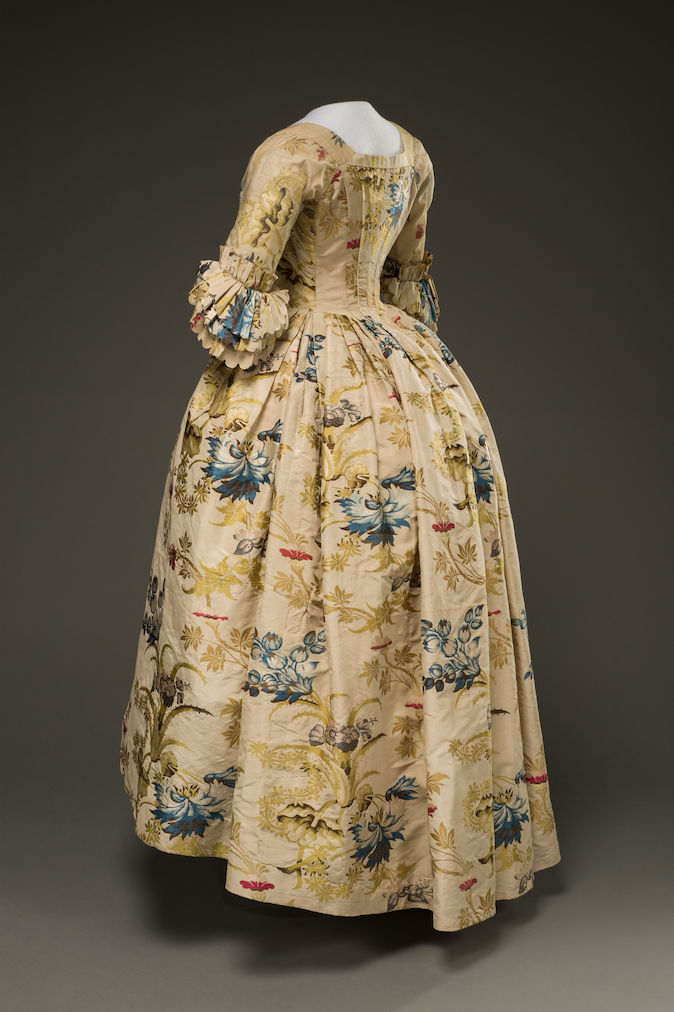
What excites me today about the world of American art and material culture is that many curators and scholars are telling previously overlooked histories. When I wrote my paper, I felt like I was doing that kind of work because I discovered women who had never been recognized for the individuals they were.
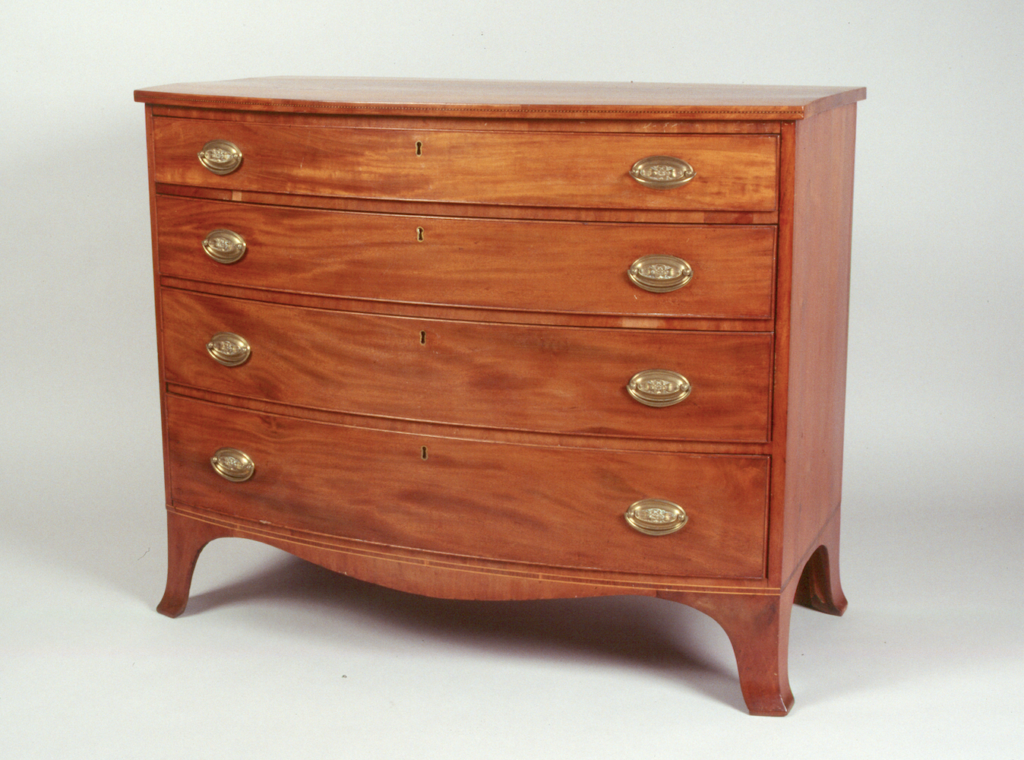
Jason T. Busch, Class of 1995: Becky and Bob Alexander Director & CEO, American Folk Art Museum Research Paper: “Briggs: A Cabinetmaking Dynasty in Northern New England”
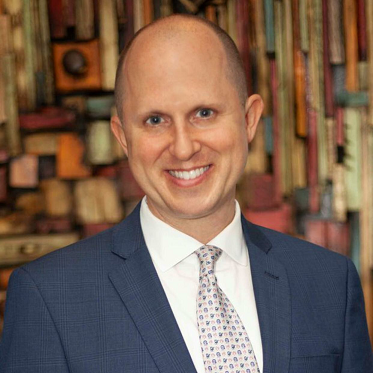
I will forever be grateful to the Historic Deerfield Summer Fellowship Program for providing me with my first significant research topic, one that launched my career. Being from the Western Reserve of Ohio, I had developed an early interest in antebellum decorative arts and architecture reflected by what was preserved in and around Cleveland. Historic Deerfield encouraged this interest and suggested my pursuit of a contemporaneous New England case study as my Summer Fellowship paper: the Briggs family of cabinetmakers.
The experience that originated with my Summer Fellowship instilled in me the importance of mentorship and collaboration. Now 30 years later, these values shape my work with succeeding generations of curators and other museum professionals whom I have had the pleasure to work with, particularly over eight years at the American Folk Art Museum. Increasingly advanced online research tools create greater efficiencies and opportunities for broadening perspectives than when I started out in Deerfield, and I relish learning from and being inspired by my younger colleagues who are shaping scholarship now and into the future.
Philippe Halbert, Class of 2011: Curator of Decorative Arts and Design, Montreal Museum of Fine Arts Research paper: “For Face he can see None: The Sale and Symbolism of Masks in Colonial Deerfield”
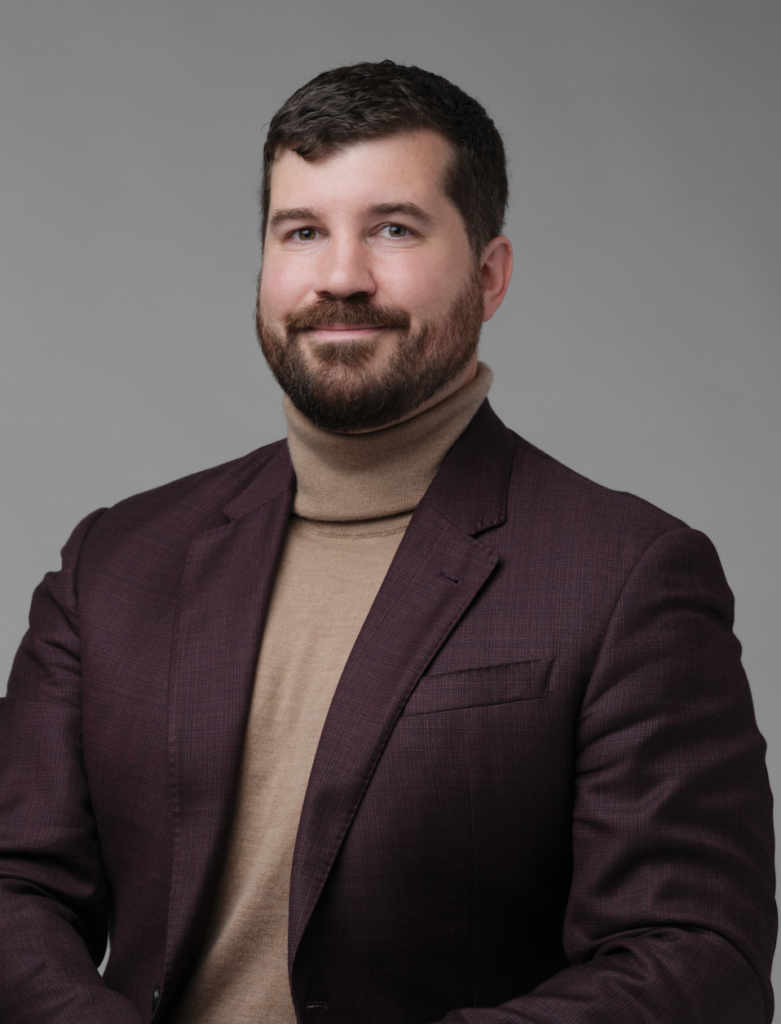
If my interests in early American history, biography, and material culture naturally led me to Historic Deerfield, my choice of research topic was wholly unexpected. The inventory of Sarah Williams (1716–1738) inspired me to undertake research on masks worn by colonial American women to protect their complexions from the elements. Sarah owned such a mask when she died in Deerfield at just twenty-one years old. These ephemeral accessories were made from velvet-covered cardstock and secured by biting down on a mouthpiece, often a glass bead stitched to the reverse.
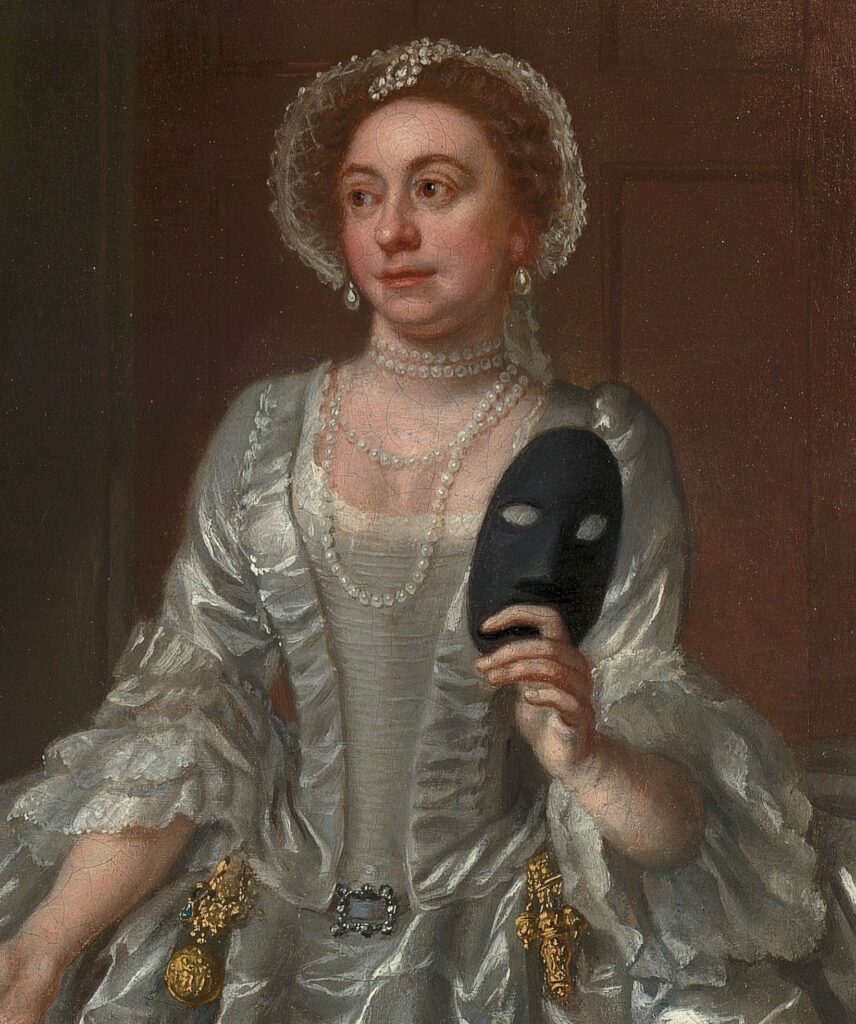
by Francis Hayman (1708–1776), 1747.
Yale Center for British Art, Paul Mellon Collection.
The idea of a masked minister’s daughter—Sarah was the youngest child of the Reverend John Williams (1664–1729), taken captive in 1704 and brought to Canada—had me hooked. Reading between the lines of a fragmentary paper trail, I set about “unmasking” the gendered, moral, and racial dimensions of fashionable face coverings in British North America. The results were surprising, and in many ways this paper set the stage for my doctoral dissertation on the body as a site of self-fashioning in the French Atlantic world. Working as a decorative arts curator in New England and now Quebec, I am no less motivated to think outside the box to tell new, exciting stories through objects.


