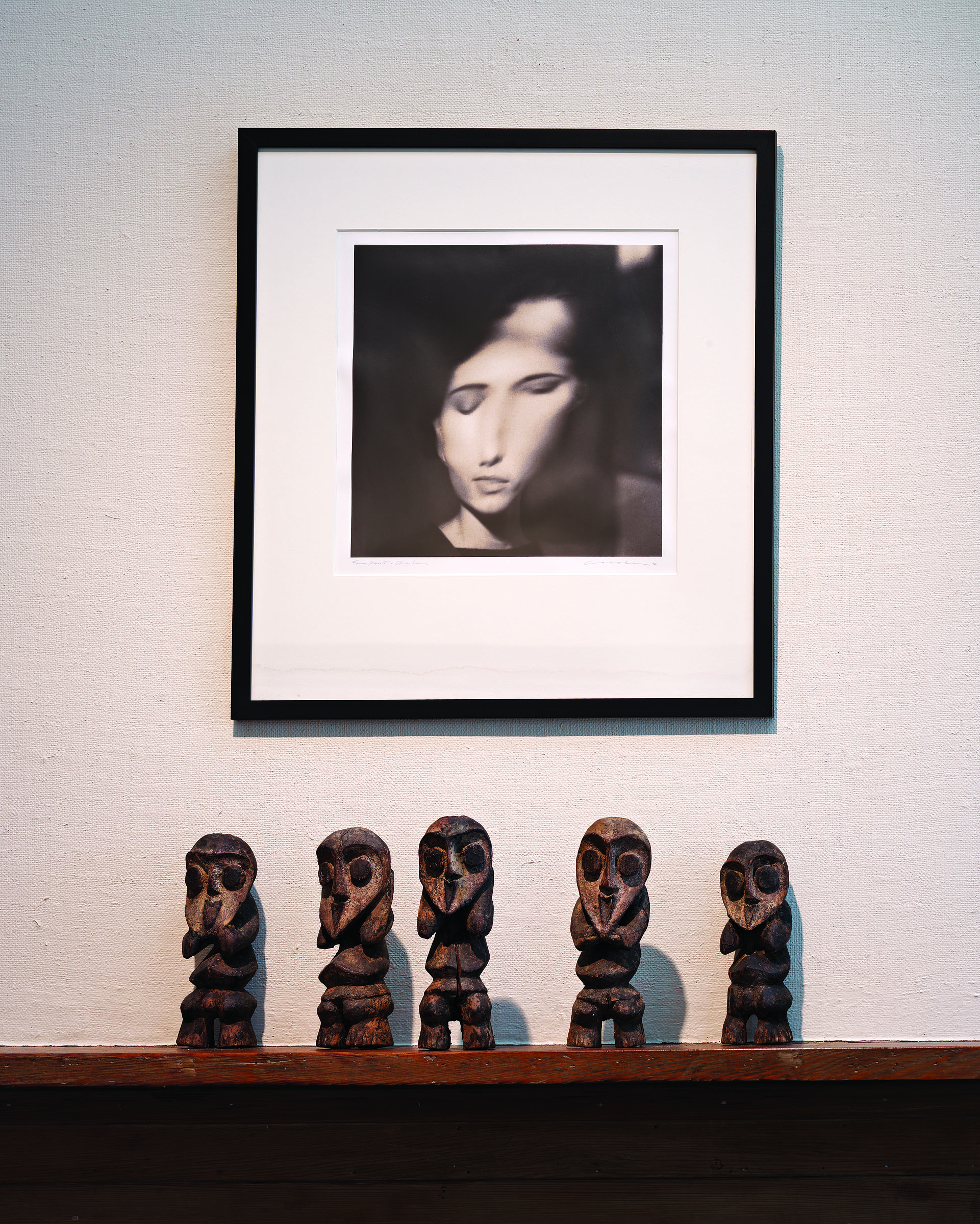
Photography by Richard Sexton | from The Magazine ANTIQUES, January/February 2013 | Africa feels close in New Orleans. You hear it in the blue notes and polyrhythmic drumming of jazz. You taste it in the okra-laden gumbos and rice dishes of the local cuisine. You see it in a host of traditional arts, from the richly beaded parading costumes of …
How America found its face: Portrait miniatures in the New Republic
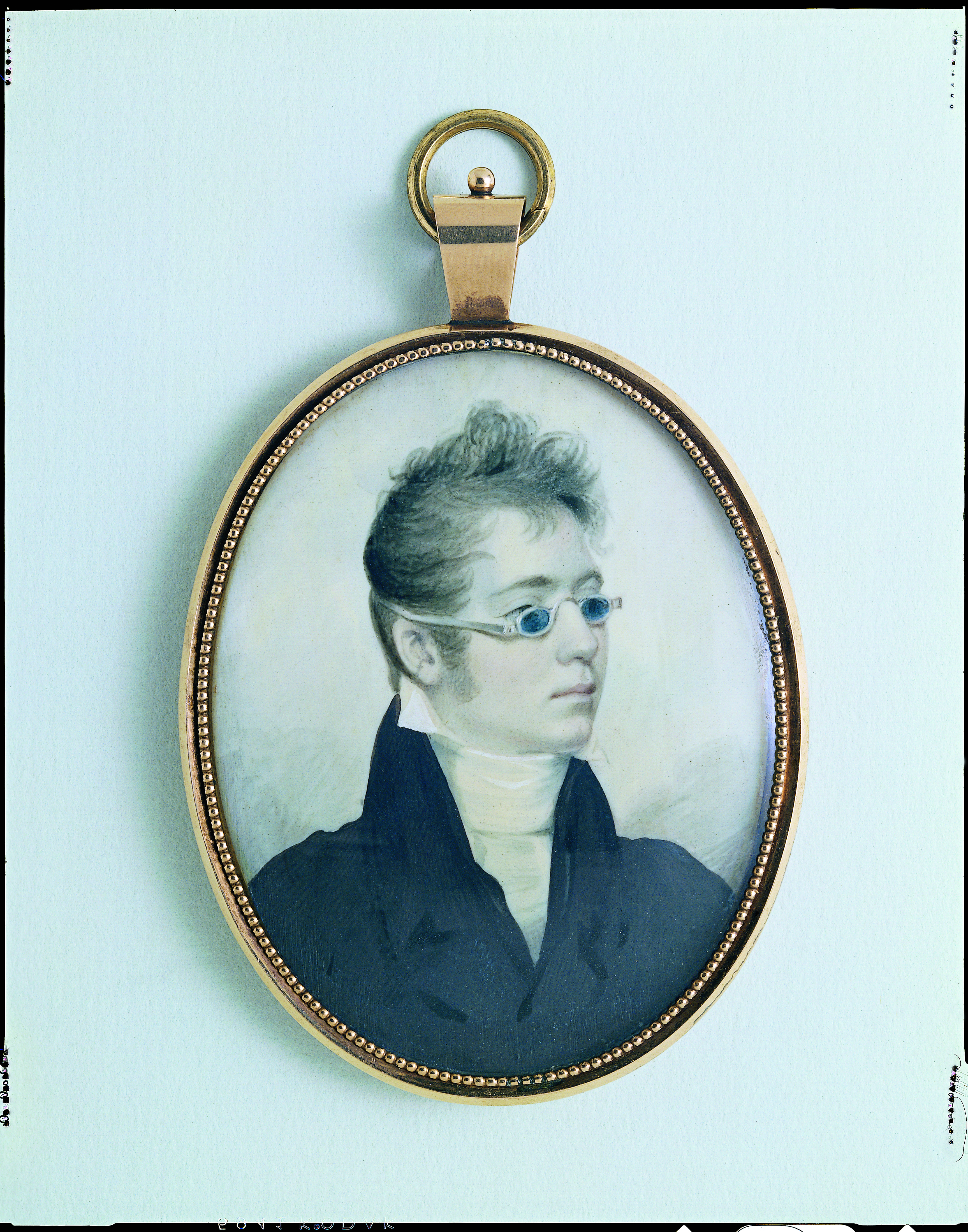
By Elle Shushan; from The Magazine ANTIQUES, April 2009. The stunning events of July 1804 were almost unfathomable for the citizens of the new American republic. One Founding Father had fatally wounded another. Alexander Hamilton was dead and Aaron Burr would be indicted for murder. The duel and its aftermath marked a turning point in American culture. Fig. 17. Thomas Cole …
Sparkle Plenty
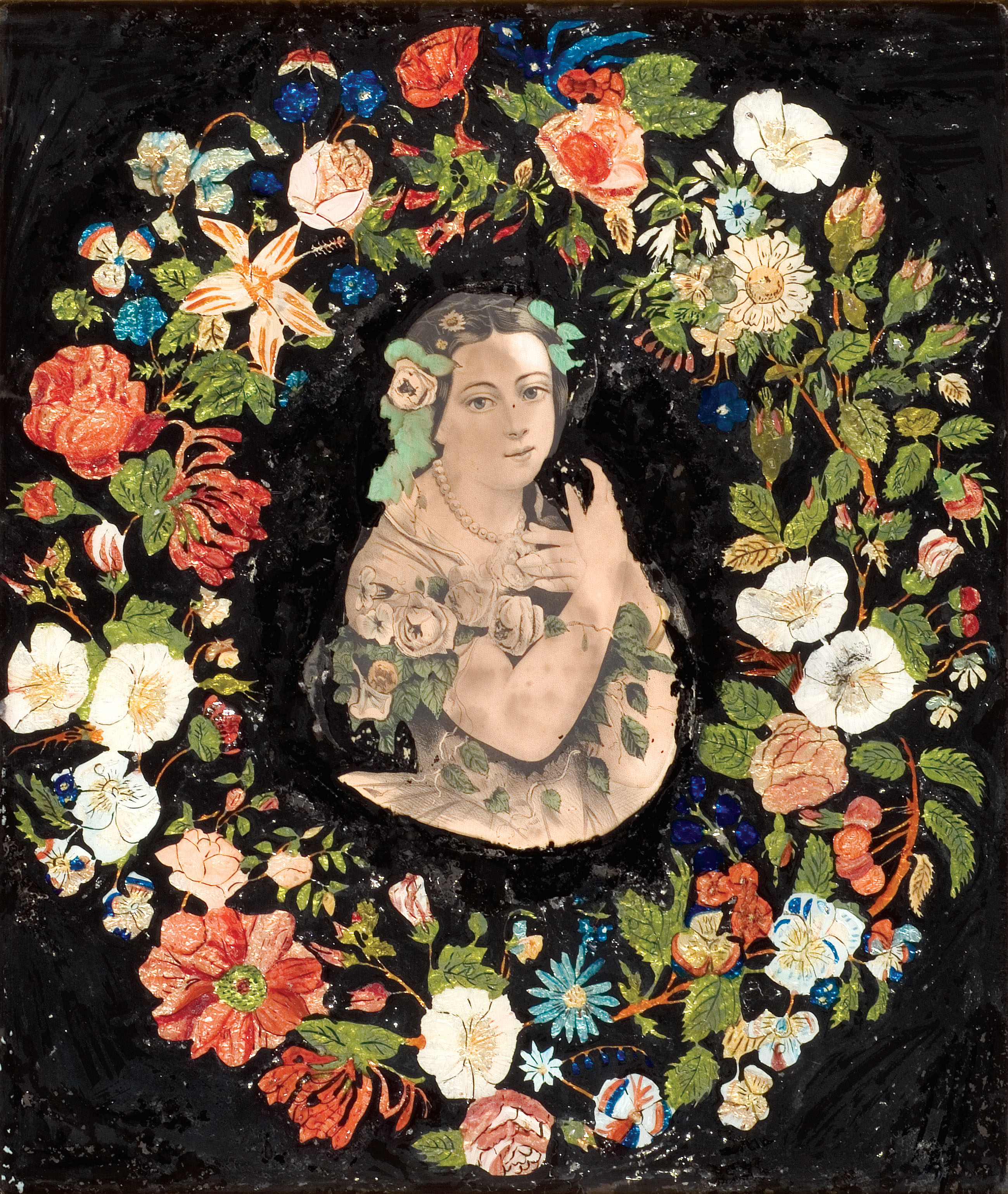
from The Magazine ANTIQUES, July/August 2012 | Tinsel paintings are reverse paintings on glass with crinkled, embossed, or smooth metallic foil applied behind translucent and unpainted areas. The effect is one of shimmering highlights when caught in the reflection of candle- or gaslight. The use of other reflective materials such as mother-of-pearl led to tinsel paintings sometimes being called Oriental, crystal, or …
The Bixby House
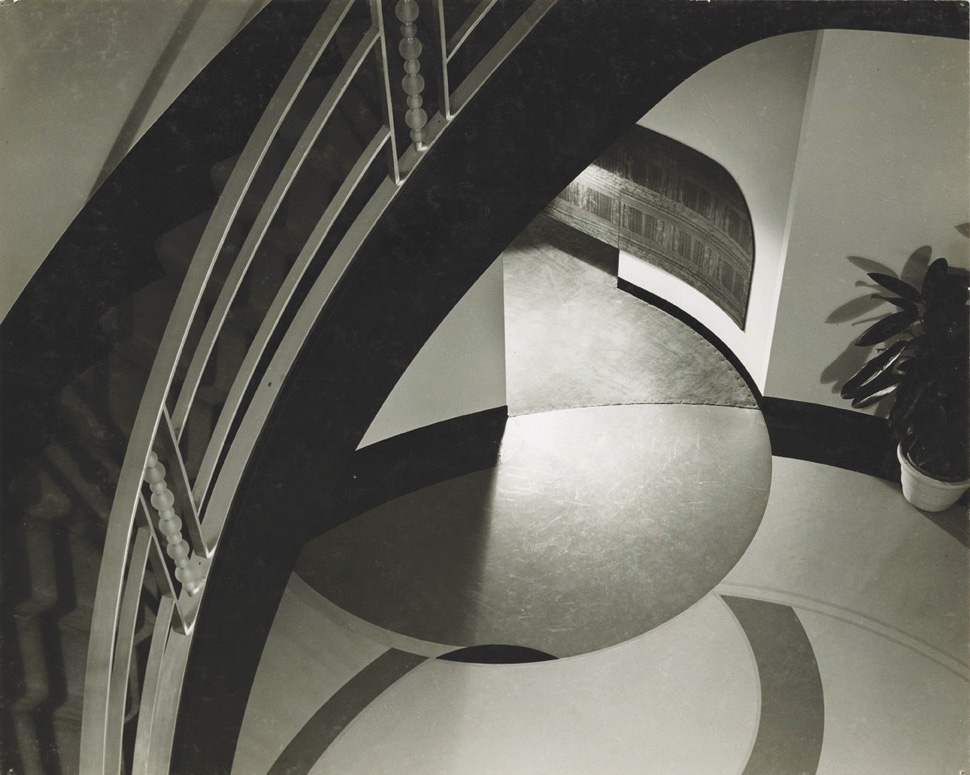
from The Magazine ANTIQUES, January/February 2012 | Largely unheralded, this Kansas City masterwork of modernism deserves its place in the pantheon of great American houses. Fig. 1. View of the entrance hall from the main stair in a 1937 photograph by R. B. Churchill. Except as noted, the photographs and renderings illustrated are in the Kem Weber Archive, Architecture and …
Museum accessions, part 2
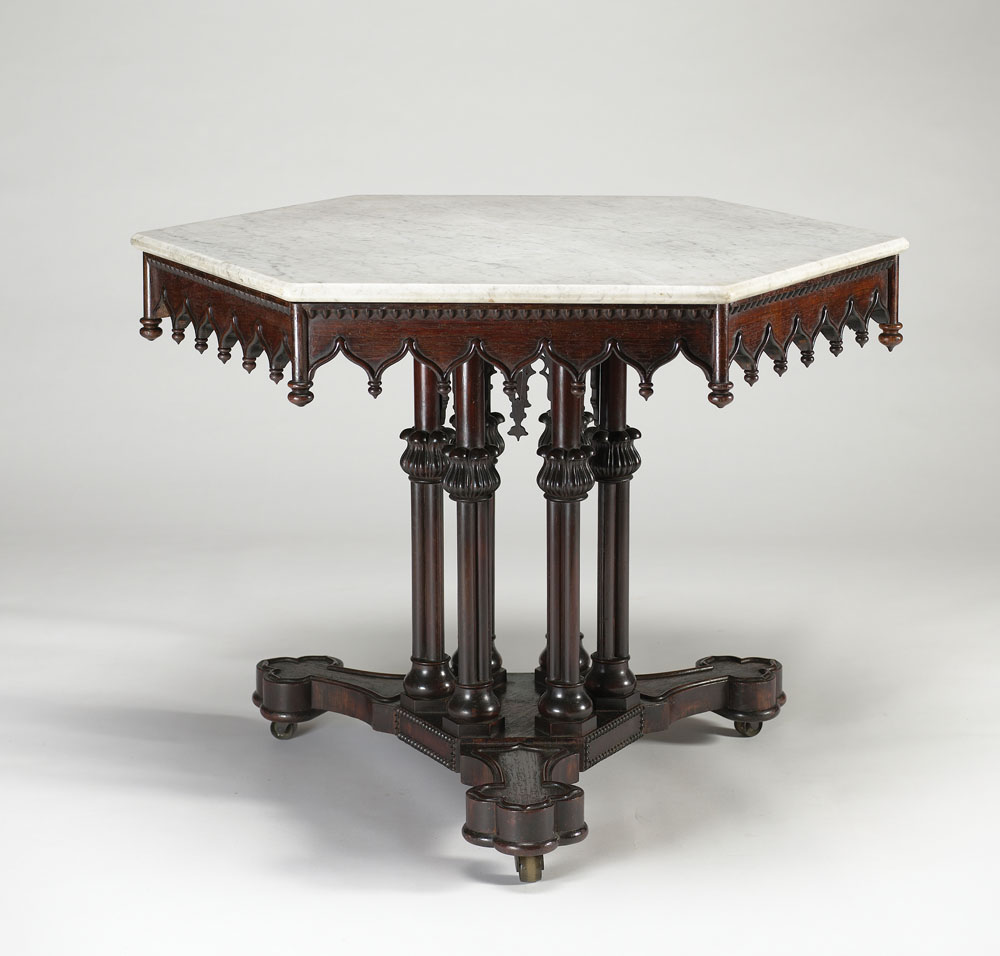
This short list of notable acquisitions began with a request to decorative arts curators in major American museums to choose and discuss a favorite recent gift or purchase. The design of this elegant Gothic revival center table is attributed to the renowned Alexander Jackson Davis. The leading advocate for the “pointed style” in the United States in the mid-nineteenth century, …
American artists as they saw themselves
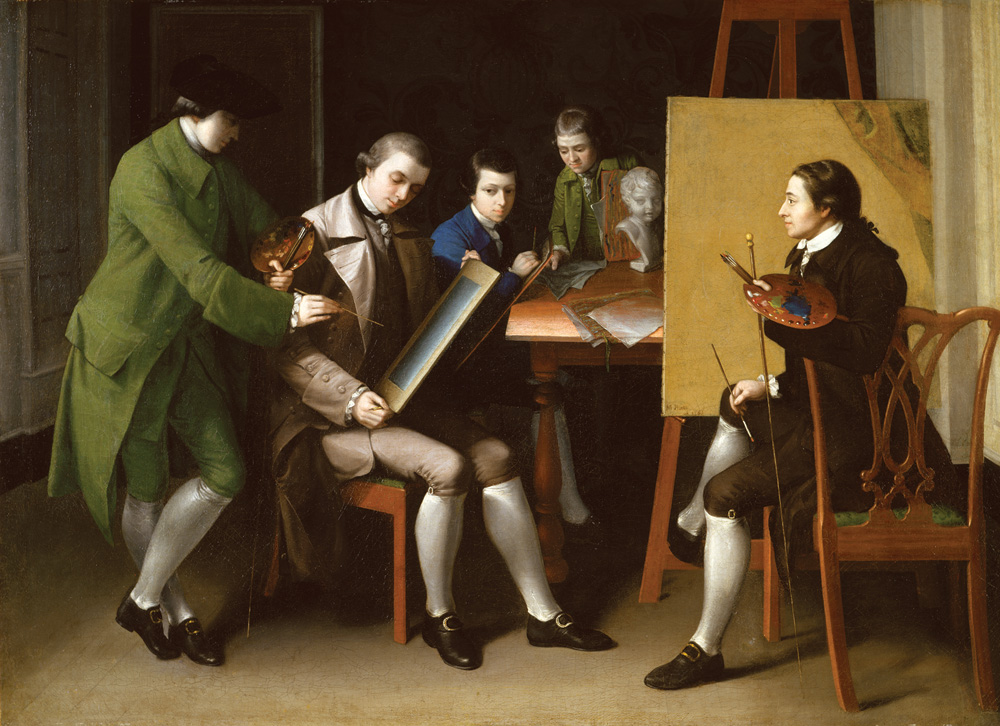
November 2009 | In The American School (Fig. 1) Matthew Pratt portrays himself seated at his easel, the sharp profile of his head silhouetted against the canvas, which bears his signature at bottom left. Holding a palette and maulstick to steady his hand, Pratt presents himself as a painter—an astonishing act of bravado as he had just arrived in England …
Chicago and the arts and crafts movement
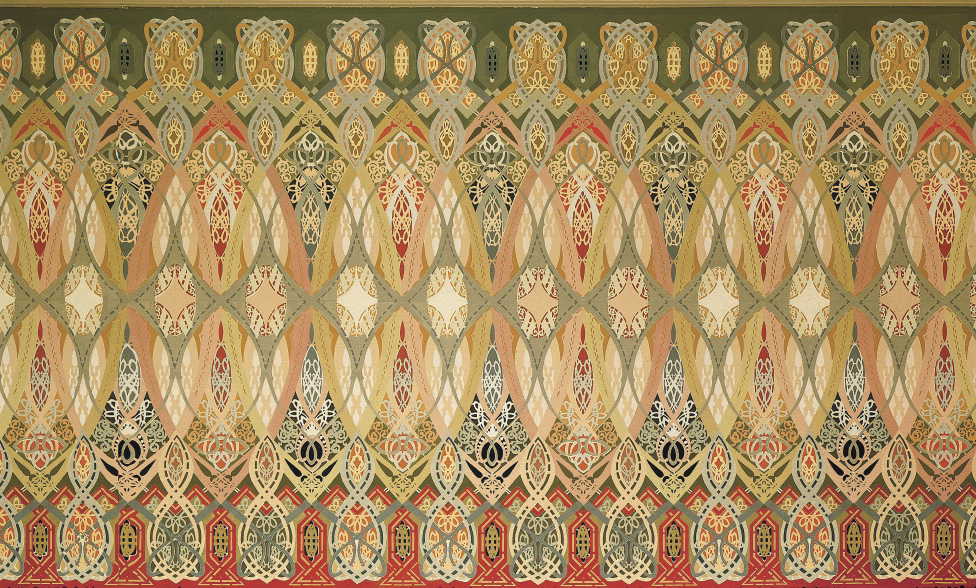
October 2009 | “Chicago is the only American city I have seen where something absolutely distinctive in aesthetic handling of material has been evolved out of the industrial system” – C. R. Ashbee During the late nineteenth and early twentieth centuries Chicago stood at the crossroads of the handcrafted and the machine-made, aspects that came to define the American arts …
The American Campeche chair
Invented in ancient Rome, the Campeche chair was a favorite of Thomas Jefferson during the American neoclassical period and still serves as a symbol of political power
The Butterfly Man of New Orleans
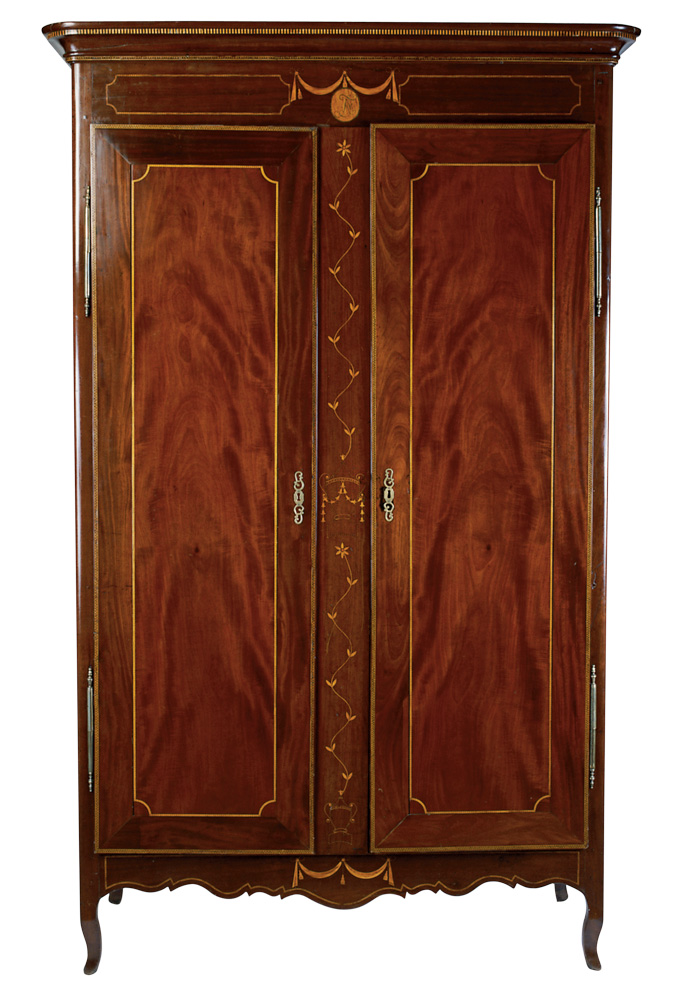
On the most significant form of colonial French furniture made in the Americas
America in 3 by 5
Walker Evans’s ability to locate drama in the matter of fact began with his passion for the picture postcard