Aschermanns

Editorial Staff Art

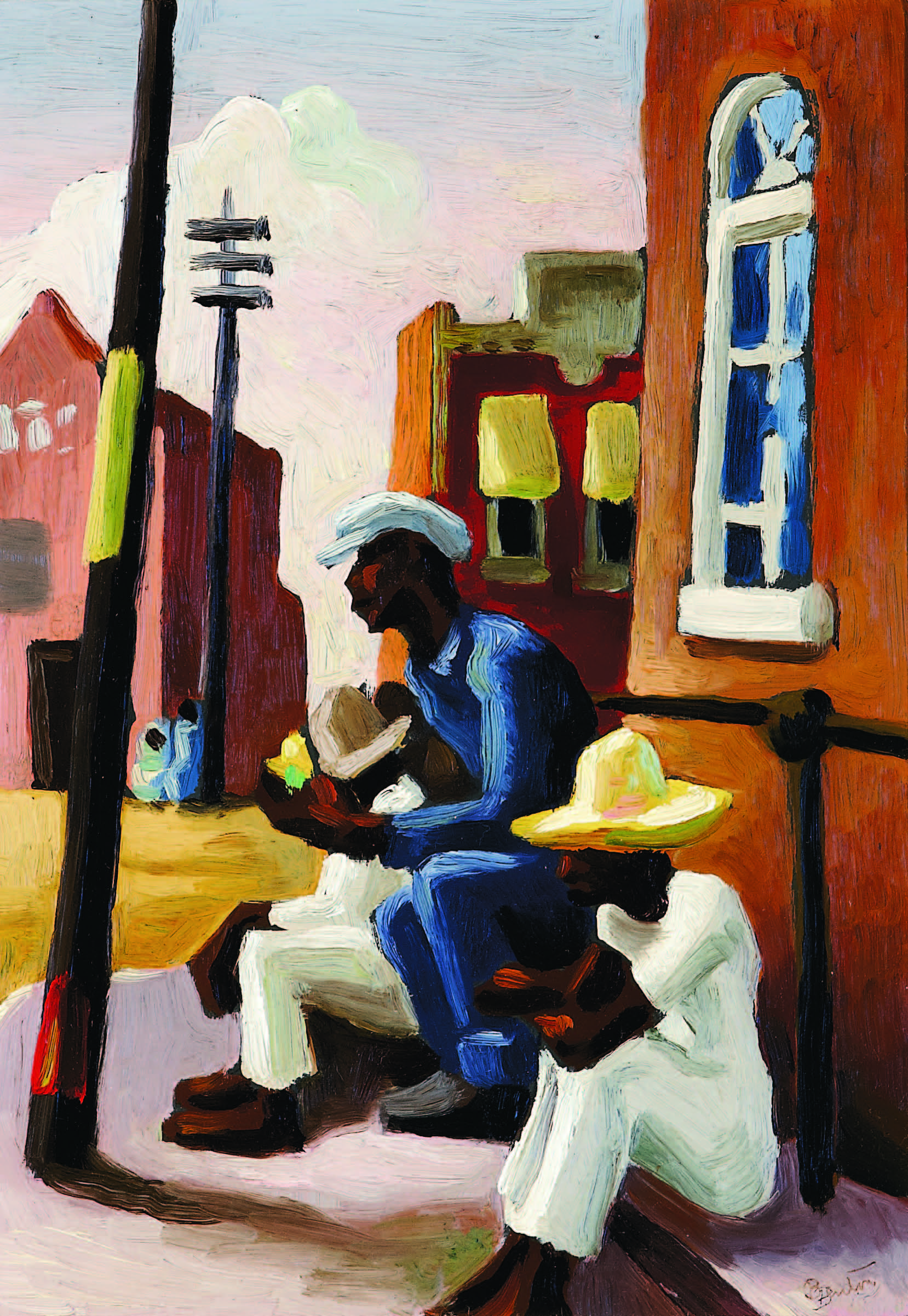
from The Magazine ANTIQUES, January/February 2011 | The story of the rise of modern American design has long been told in the same way: first came the arts and crafts movement from Britain and art nouveau from the Continent in the 1890s. Then, in the mid-1920s, spurred by the Paris exposition internationale des arts décoratifs et industriels modernes, Americans embraced …
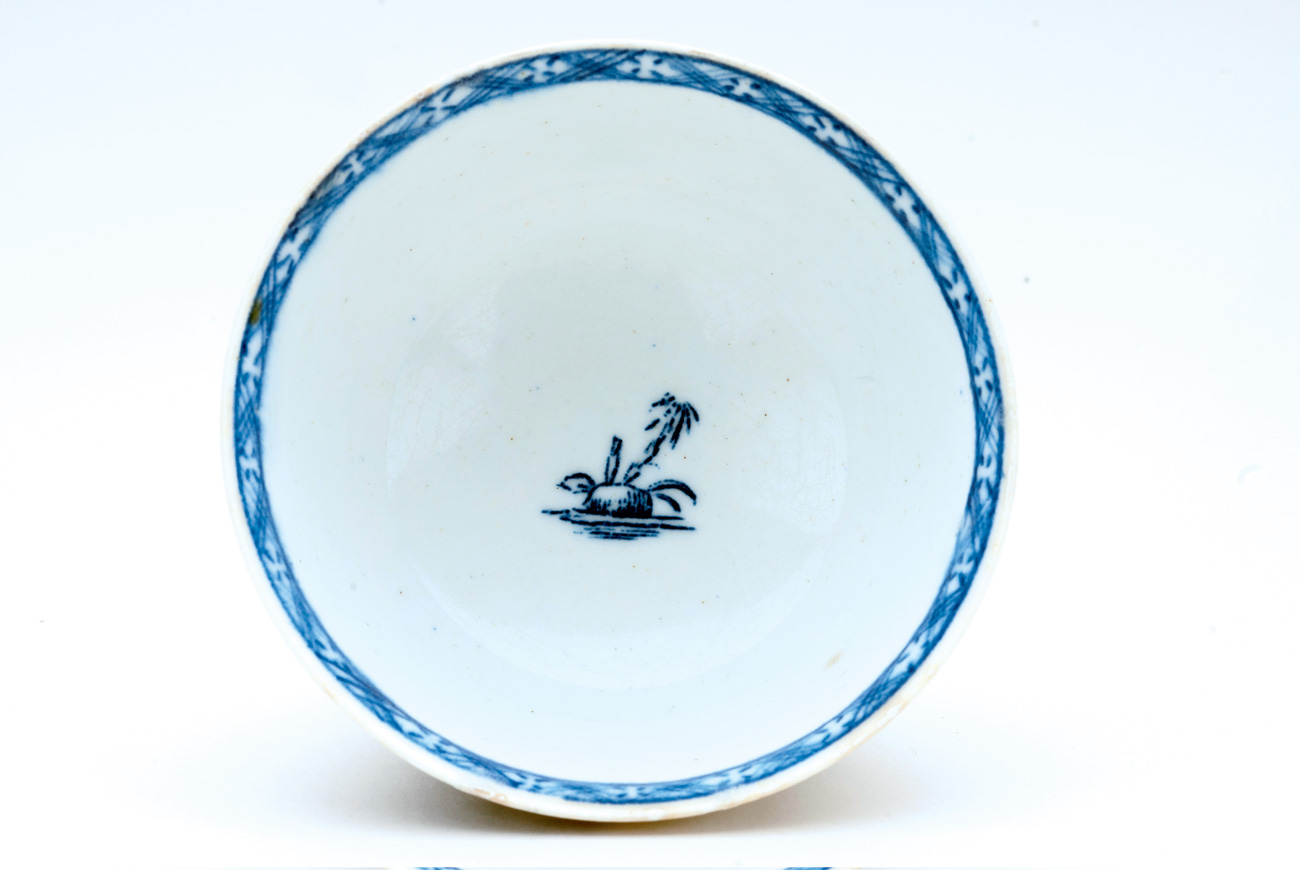
American Porcelain Teabowl

Editorial Staff Art

from The Magazine ANTIQUES, January/February 2011 | Students of American ceramic history have special reverence for the story of domestically made eighteenth-century porcelain. This tale begins with Andrew Duché’s dis­­covery of “Carolina Clay” in the 1730s and his purported experimental production in Charleston, South Carolina, though no physical evidence of his endeavors has ever come to light.  Meanwhile, some nineteen …

Dearly Beloved

Editorial Staff Art

After the sixty-one paintings—a collection assembled over thirty-four years—had been professionally wrapped, loaded onto a truck, and driven north from Florida, John H. Surovek contemplated living without his collection while it made an eighteen-month circuit, first to the museum at Ball State University, Surovek’s alma mater in Muncie, Indiana, then to four other small museums around the country. A week …

Query: Seeking Stretch

Editorial Staff Art

The early Philadelphia clockmaker Peter Stretch (1670–1746) and his two clockmaking sons, Thomas (1697-1765) and William (1701-1748), are the subject of a forthcoming catalogue raisonné to be published by the Winterthur Museum and Country Estate in Delaware. Peter Stretch was born in Leek in Staffordshire, England, and apprenticed with his older brother Samuel, a clockmaker who specialized in lantern clocks …

Venetian glass

Editorial Staff Art

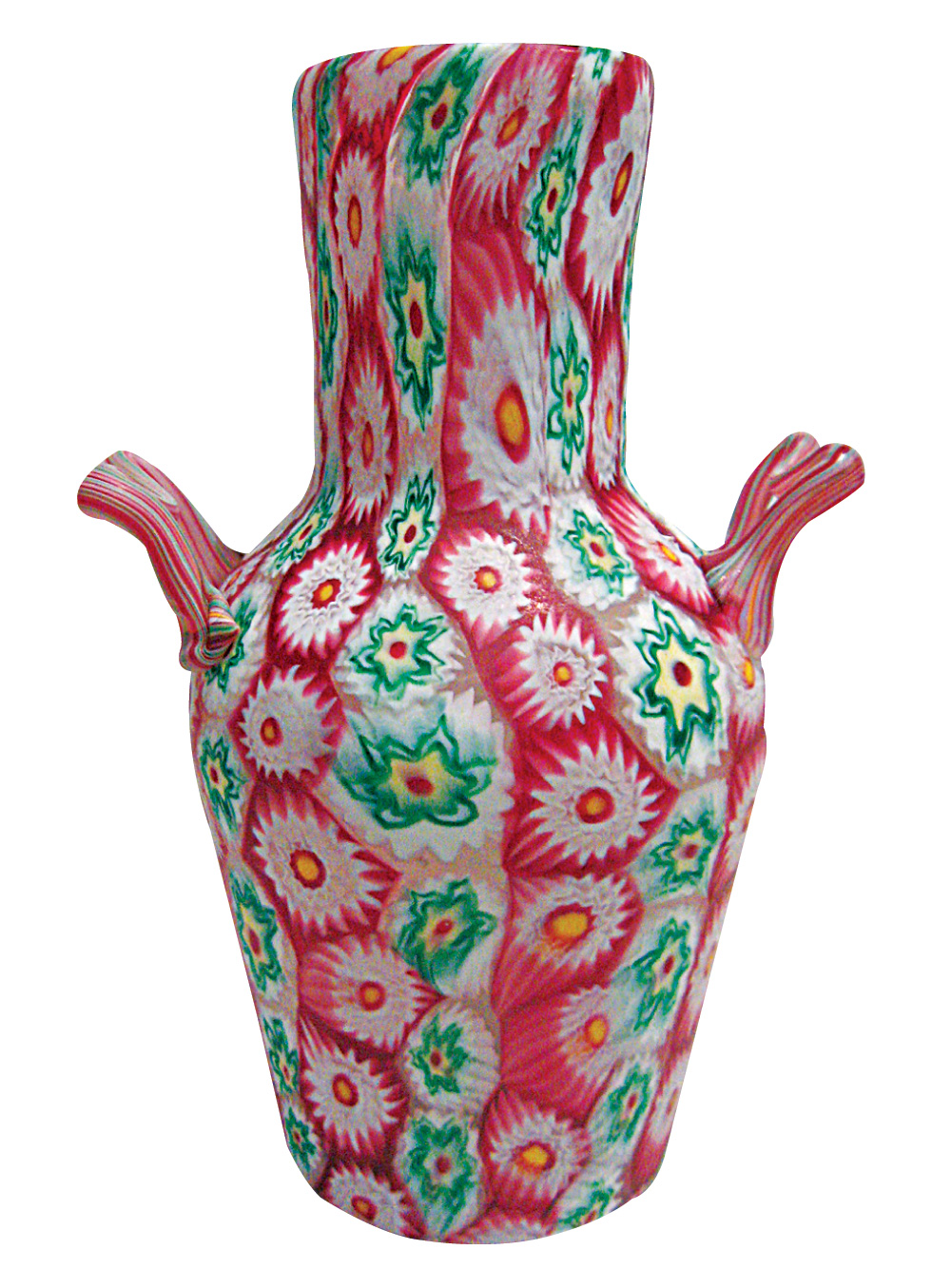
Fazzoletto (handkerchief) vase designed by Fulvio Bianconi (1915–1996) for Venini and Company, Murano, c. 1950. Glass, height 11 inches. Photograph by courtesy of Glass Past, New York.    Right: Fazzoletto vase designed by Bianconi for Venini and Company, Murano, c. 1950. Glass, height 7 ¼ inches. Gardner and Barr photograph. Pair of footed vases made by Salviati Dott. Antonio, Murano, c. …

Alice Neel and Carlos Enriques: Starting out in the twenties

Editorial Staff Art

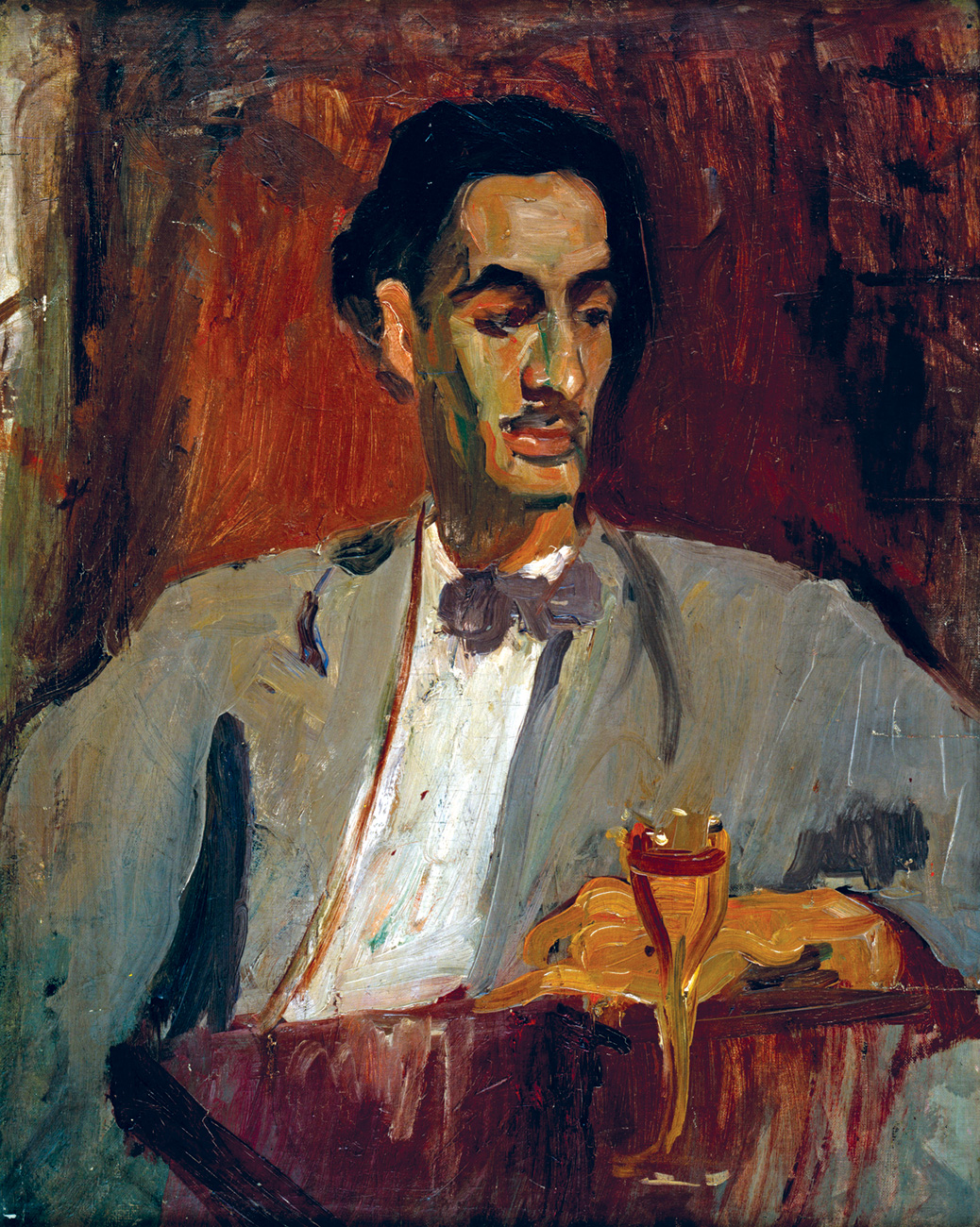
from The Magazine ANTIQUES, Summer 2010 | Fig. 2. Carlos Enríquez by Alice Neel (1900–1984), 1926. Oil on canvas, 30 ¼ by 24 inches. Estate ofAlice Neel; photograph by Malcolm Varon © Estate of Alice Neel. Fig. 3. Alice Neel by Carlos Enríquez (1900–1957), 1927. Inscribed “La Habana/1927” at lower right. Oil on canvas, 23 ⅝ by 19 ⅝ inches. …

Chinese Export Porcelain

Editorial Staff Art

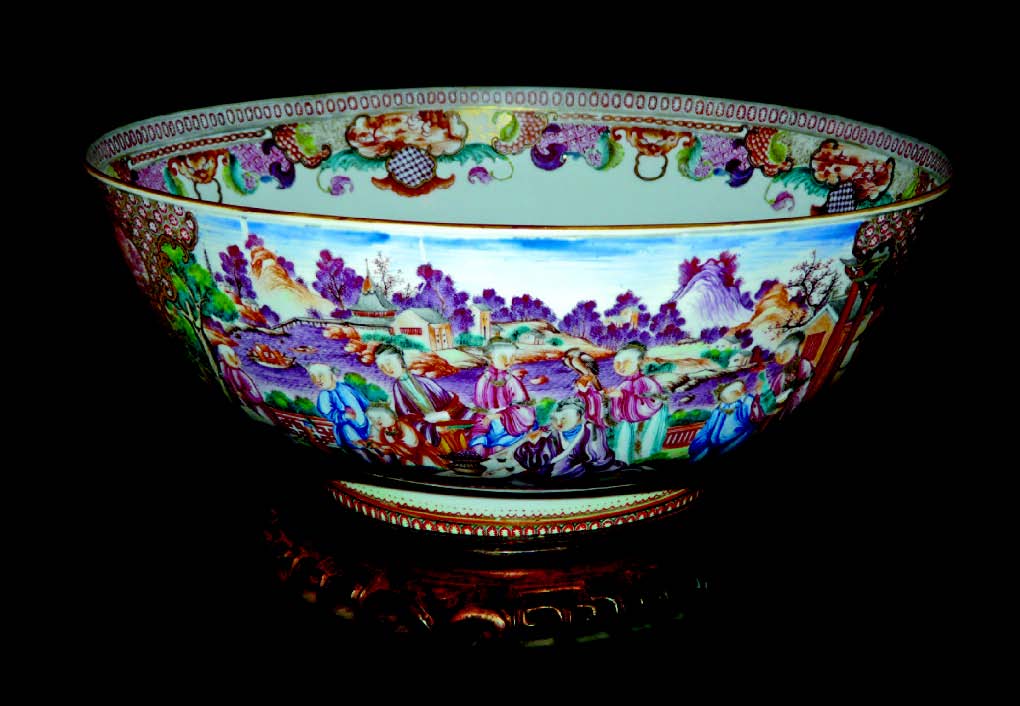
Chinese export porcelain is one of the oldest and mostvenerable areas of serious collecting. The term Chinese export refers to porcelain made and decorated in China betweenthe sixteenth and twentieth centuries specifically forthe Western market. The Chinese first exported porcelain tothe Middle East in the fourteenth century, but it was not untilPortugal established sea routes to China that this materialmade …

Saarinen Womb Chair

Editorial Staff Art

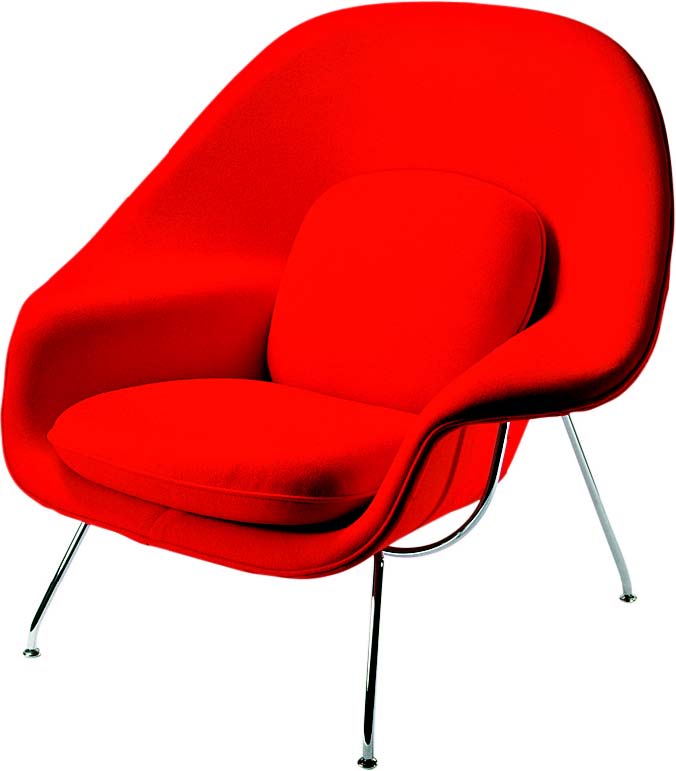
Fig. 1. Womb chair and ottoman designed by Eero Saarinen (1910–1961) and first manufactured by Knoll Associates, New York, 1946, 1948. Tubular steel, fiberglass, with wool upholstery and foam cushion; height (of chair) 35 ½, width 40, depth 34 inches. Photograph by courtesy of Knoll. Fig. 2. Sunday Morning by Norman Rockwell (1894–1978) as the cover of the Saturday Evening …

Libraries and the preservation of early photography

Editorial Staff Art

Fig. 1. Interior of the Free Library, Melbourne, Australia by Barnett Johnson (later Johnstone; 1832–1910), 1859. Albumen print from a collodion on glass negative, 6 ½ by 7 3⁄16 inches. Fig. 2. The Hippopotamus at the Zoological Gardens, Regent’s Park, London by Don Juan Carlos, Count of Montizón (1822–1887), 1852. Salted-paper print from a collodion on glass negative, 4 ⅜ …

Dealer Profile: Erik and Cornelia Thomsen

Editorial Staff Art

Erik and Cornelia Thomsen One of a pair of six-panel screens, Japanese, Edo period, seventeenth century. Ink and color on gold-leafed paper, 65 by 133 inches. Photographs are by courtesy of Erik Thomsen Asian Art, New York. Suzuribako (writing box), Japanese, Meiji period, c. 1900. Black lacquer with maki-e decoration on wood; height 1 ½, length 8, width 7 ¼ …