Editor’s Letter, January/February 2016

Editorial StaffOpinion

We occasionally split the run of an issue of ANTIQUES with one cover for subscribers—an interior from Abbeville, Louisiana, in this case—and another for distribution at shows—Louis Lozowick’s 1930 lithograph of the Brooklyn Bridge. If this sounds like a North/South thing it isn’t exactly, but I’ll explain that in a moment. The New York art and antiques season seems a …
Editor’s Letter, November/December 2015

Editorial StaffOpinion

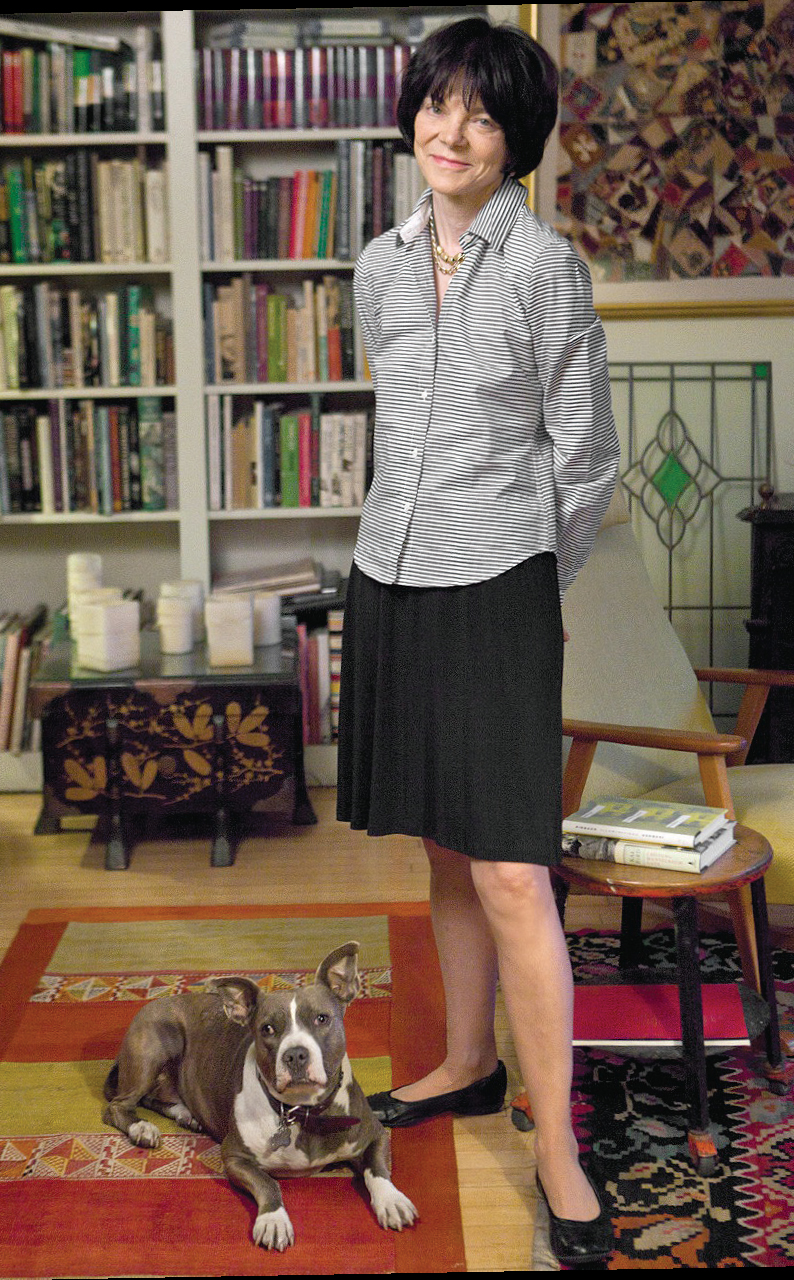
It would be tempting to wiggle into this one, introduce the issue with some high minded talk about the past not being another country and so forth, go on to mention our wonderful articles about Julia Margaret Cameron, etc., but more about all of that in a minute…The fact is we have something here requiring immediate comment—Paul Kossey’s discovery of …

Editor’s letter, September/October 2015

Editorial StaffOpinion

One afternoon not long after I began working here I opened a letter that asked me a challenging question: how, the writer wanted to know, “did a Polack [sic] like you get your position?” After a few jolly moments in the office I called our longtime editor Wendell Garrett, who enjoyed odd news from the passing scene. Wendell was amused, …

Editor’s letter, July/August 2015

Editorial StaffOpinion

What has been lost… The only thing more American than sentimentalizing the past is our habit of discarding it. And so when it comes to the dolls shown in this issue, stunning examples of an African-American folk art, questions abound: who were their makers and for whom were they made? How can they be dated and where did they originate? …

Editor’s letter, May/June 2015

Editorial StaffOpinion

We missed something this spring, and at this point all I can do is urge you not to miss it too. I refer to When the Curtain Never Comes Down at the American Folk Art Museum, closing July 5. There is much to say, even much to debate, about what is happening with outsider art in the museum’s galleries, and …

Editor’s letter, March/April 2015

Editorial StaffOpinion

The divide between “pure” art (painting and sculpture mostly) and functional art (lighting, ceramics, furniture, and so much else) comes and goes in history depending on who has the power to enforce its shaky distinctions. Just now the contemporary art market tilts toward the healthy side of the issue: a table by Urs Fischer, for instance, is a work of …

The Scene, January/February 2015

Editorial StaffMagazine

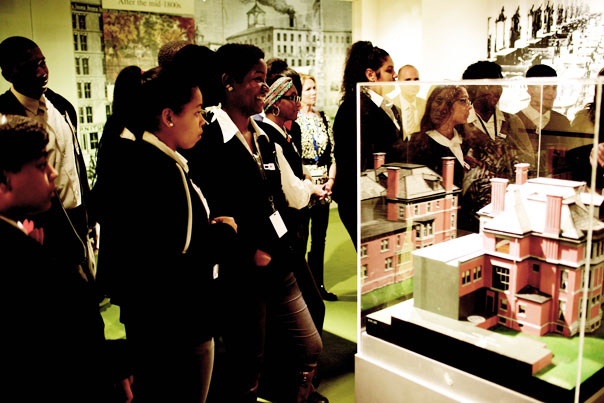
In anticipation of this year’s Winter Antiques Show loan exhibition, Ahead of the Curve: The Newark Museum 1909–2015, students from East Side House Settlement—the Winter Antiques Show’s beneficiary since the show started in 1954—toured the museum. Students at the Newark Museum’s Ballantine House. Photo by Jay Savulich.  The Winter Antiques show is known for its sophisticated lending exhibitions, festive opening-night …

Editor’s letter, January/February 2015

Elizabeth PochodaOpinion

When he was designing the Kimbell Art Museum in Fort Worth the great American architect Louis Kahn said that he wanted it to resemble “a friendly home.” That might surprise anyone familiar with Kahn’s museums—the Kimbell, the Yale Center for British Art, or the Yale University Art Gallery—but I think he was simply saying that he wanted his building to wall …

Editor’s letter, November/December 2014

Editorial StaffOpinion

In the nineteenth century there was an oft-repeated tale about the young Thomas Coleentering New York from the far reaches of rural Pennsylvania and being met with hosannasfrom the city’s artists. Like most oft-told tales this one turned fact toward myth (to beginwith, Cole had arrived from nowhere more obscure than Philadelphia), and yet it suggests somethingintriguing and durable about …

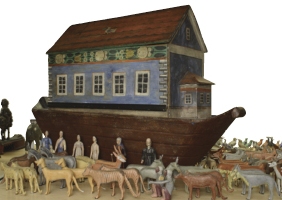
Children’s toys: The New-York Historical Society, 200 years

Editorial StaffArt

By Amy a. Weinstein; originally published in January 2005. Appealing to the imagination of children of all ages, the toy collection of the New-York Historical Society offers a miniature window into nineteenth-century American family life. The approximately three thousand objects that constitute the collection are made of wood, metal, paper, ceramic, and cloth and trace the social, economic, political, and …