Fortunate Son: Reading the memoirs of Albert Sack

Editorial StaffFurniture & Decorative Arts

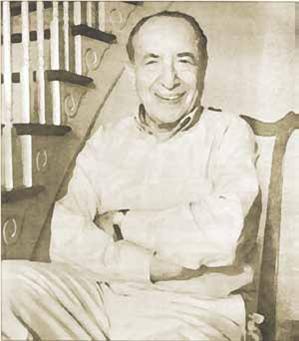
from The Magazine ANTIQUES, July/August 2011 | “I was a good student up through 6th grade but then my priorities became play, friends, and girls. Mother kept a beautiful home. Dad was prosperous in carving out his career which interested me not at all.” Card table, John and Thomas Seymour. Boston, c. 1794. Courtesy of the Brant Foundation, Inc. Sideboard, …
Eugene Von Bruenchenhein

Editorial StaffExhibitions

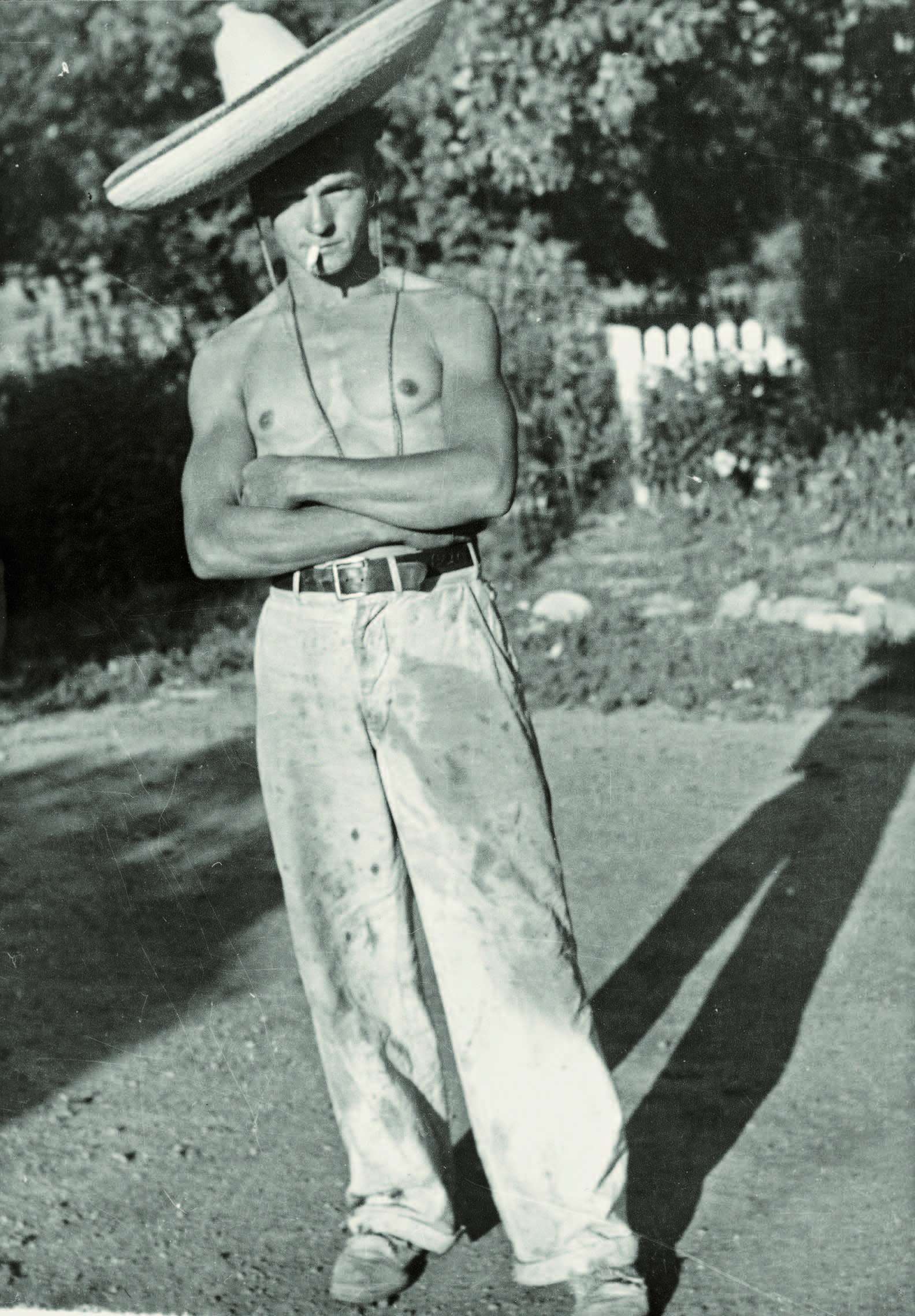
We are certainly entitled to call Eugene Von Bruenchenhein an outsider artist, but he himself would not have seen it that way. Yes, he was self-taught and impoverished and surely he felt deeply alienated from the society that surrounded him. But you could say as much for many another artist who achieved success over the past century. As for Von …

Uncompromising Truth

Editorial StaffExhibitions

In 1841 the English art critic and social theorist John Ruskin hired a young valet by the name of John Hobbs. For the sake of propriety Ruskin resolved to address Hobbs as “George,” on the principle that a Victorian gentleman, even one with advanced political beliefs, should not have to share his name with a servant. Hobbs’s duties, although initially …

Moving Forward at Bayou Bend

Editorial StaffFurniture & Decorative Arts

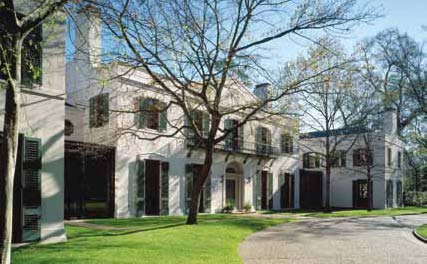
from The Magazine ANTIQUES, September/October 2010. Houston has been called a wholesale city—a great place to do business and buy big. It feels as though it is lounging flat out, like some huge deflated blimp. The very notion of commercial/residential zoning remained problematic until rather recently, and less than a generation ago smallish escort service motels sat cheek-by-jowl near great …

Los Angeles Folk

Editorial StaffFurniture & Decorative Arts

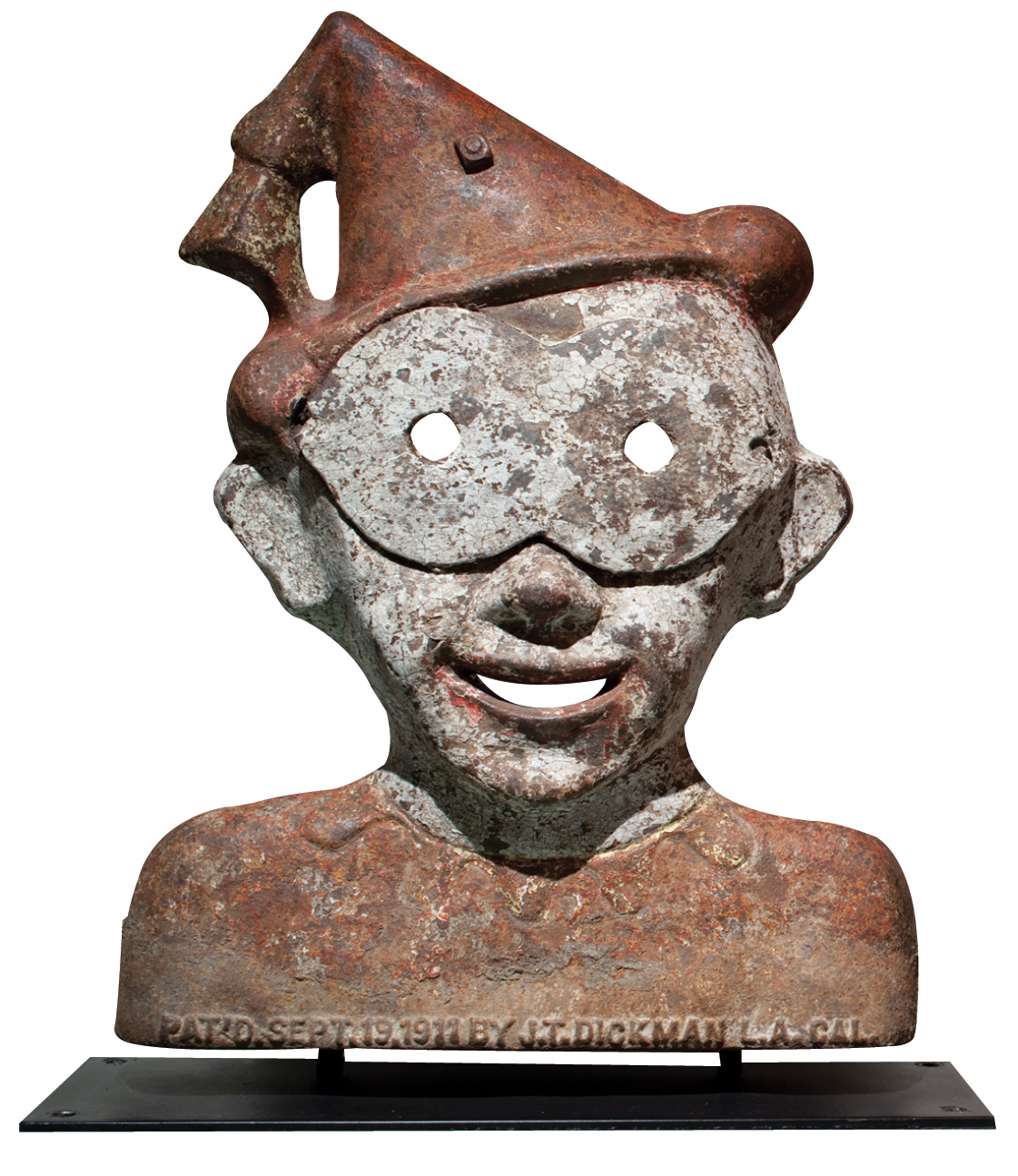
from The Magazine ANTIQUES, Summer 2010 | Fig. 1. Frame decorated with the ceremonial symbols of the International Order of Odd Fellows (IOOF), American, c. 1870. Wood, paint, and gilding; height 27 ¾, width 22 ½ inches. Fig. 2. Hand-carved and painted heart-in-hand IOOF staffs, American, 1880–1930. Fig. 3. Mounted above a grain-painted Pennsylvania stand of c. 1830 is a …

Thomas Spencer

Editorial StaffFurniture & Decorative Arts

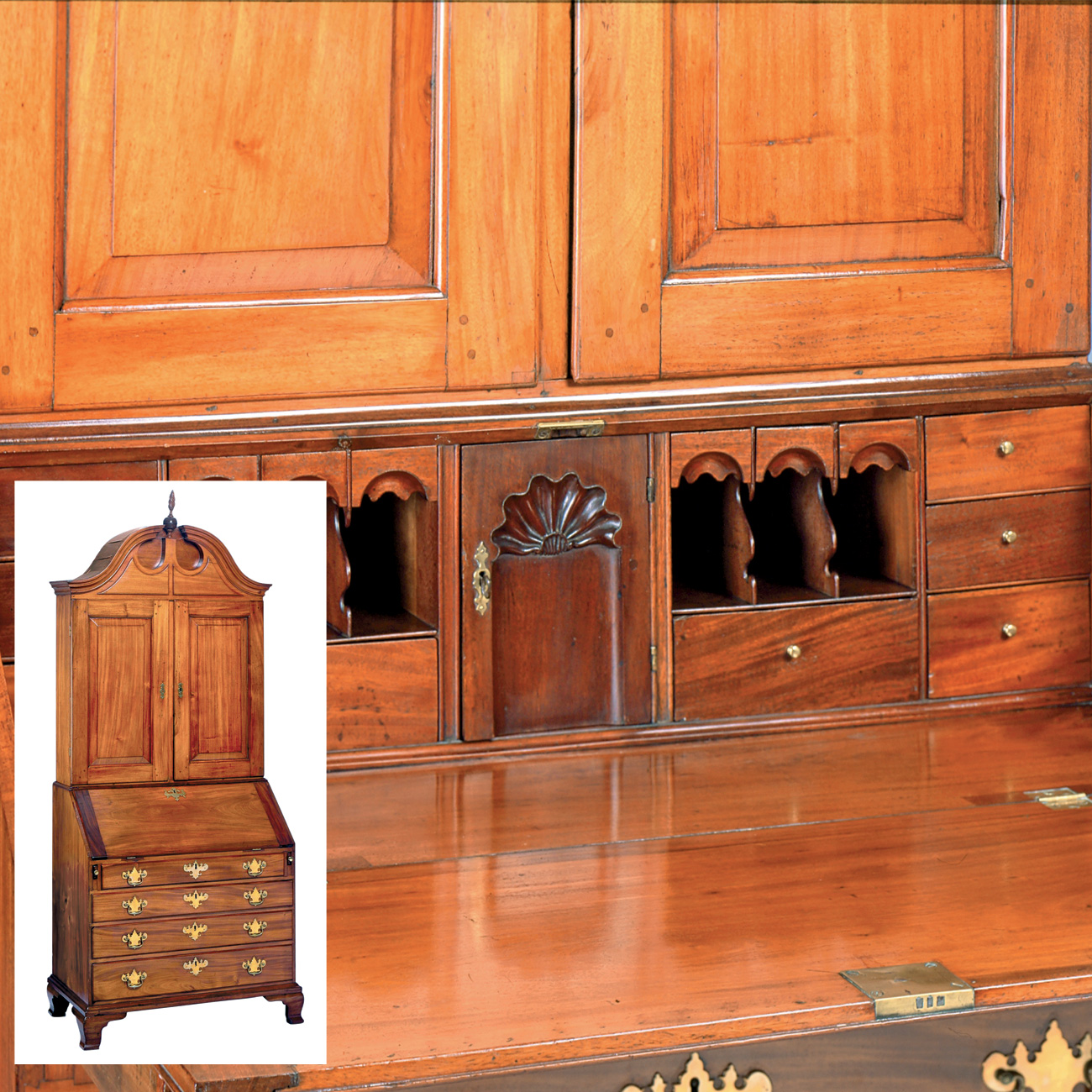
Figs. 1,1a. Desk-and-bookcase probably by Thomas Spencer (1752–1840), East Greenwich, Rhode Island, 1775. Mahogany, chestnut, yellow poplar, and white pine; height 91 ½, width 41 ¾, depth 19 ¾ inches. High Museum of Art, Atlanta, gift in loving memory of Nancy Fraser Parker by her husband William A. Parker Jr., and her children William A. Parker III, Isobel P. Mills, …

One House Two Worlds

Editorial StaffFurniture & Decorative Arts

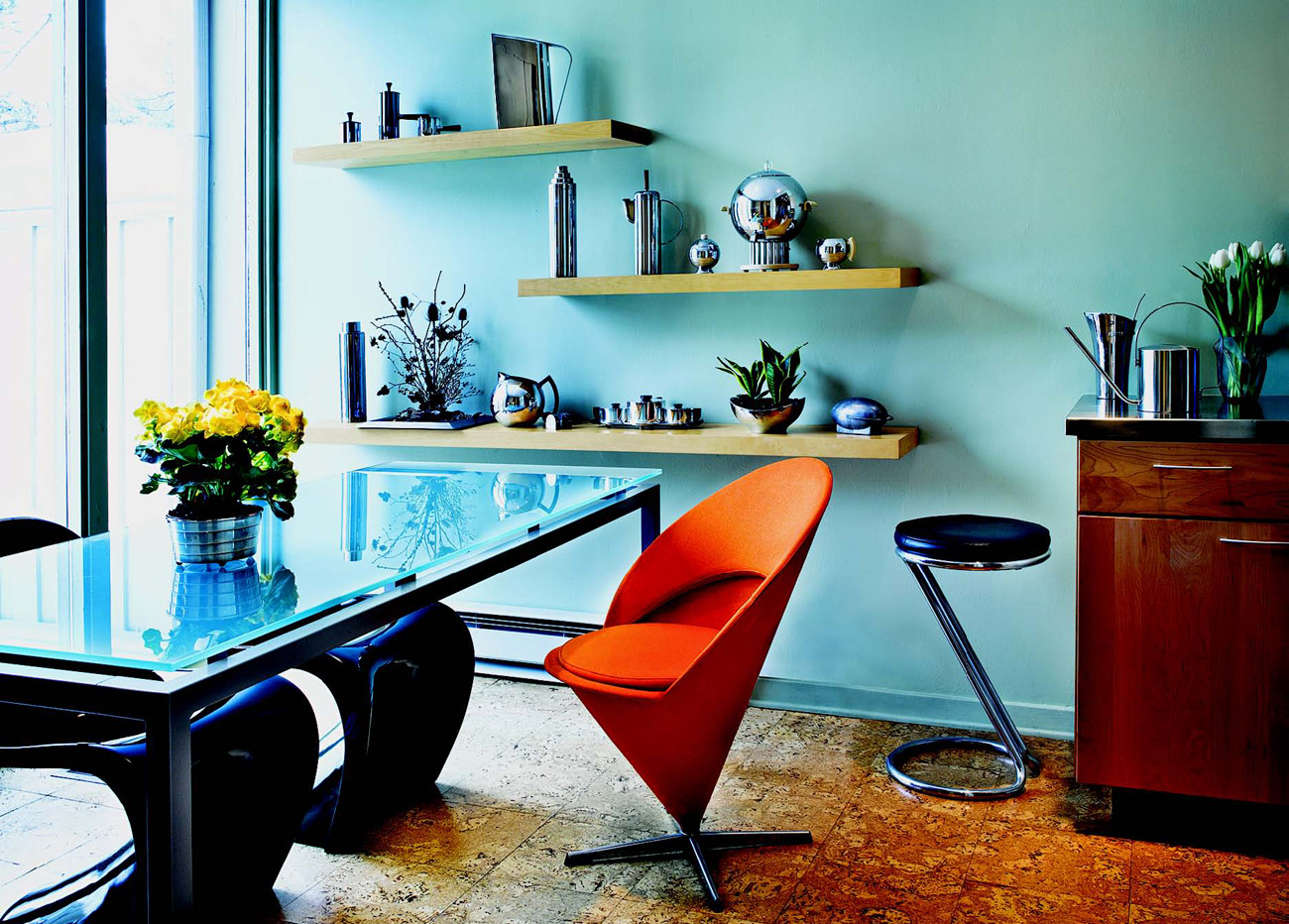
Fig. 1 A “Z” stool designed by Gilbert Rohde (1894–1944) c. 1935 for the Troy Sunshade Company, a cone chair designed by Verner Panton (1926–1998), 1958, and two recent examples of his stacking chair of 1960 provide seating in the kitchen. On the top wall shelf are examples of the Diplomat coffee service designed by Walter Von Nessen (1889–1943), 1932, and of …

Museum accessions, part I

Editorial StaffArt

This short list of notable acquisitions began with a request to decorative arts curators in major American museums to choose and discuss a favorite recent gift or purchase. This porcelain sculpture representing the ancient Roman goddess Juno is one of only eleven known examples in the world of large-scale figures produced by the Doccia manufactory in the middle of the …

European elegance in San Francisco

Editorial StaffFurniture & Decorative Arts

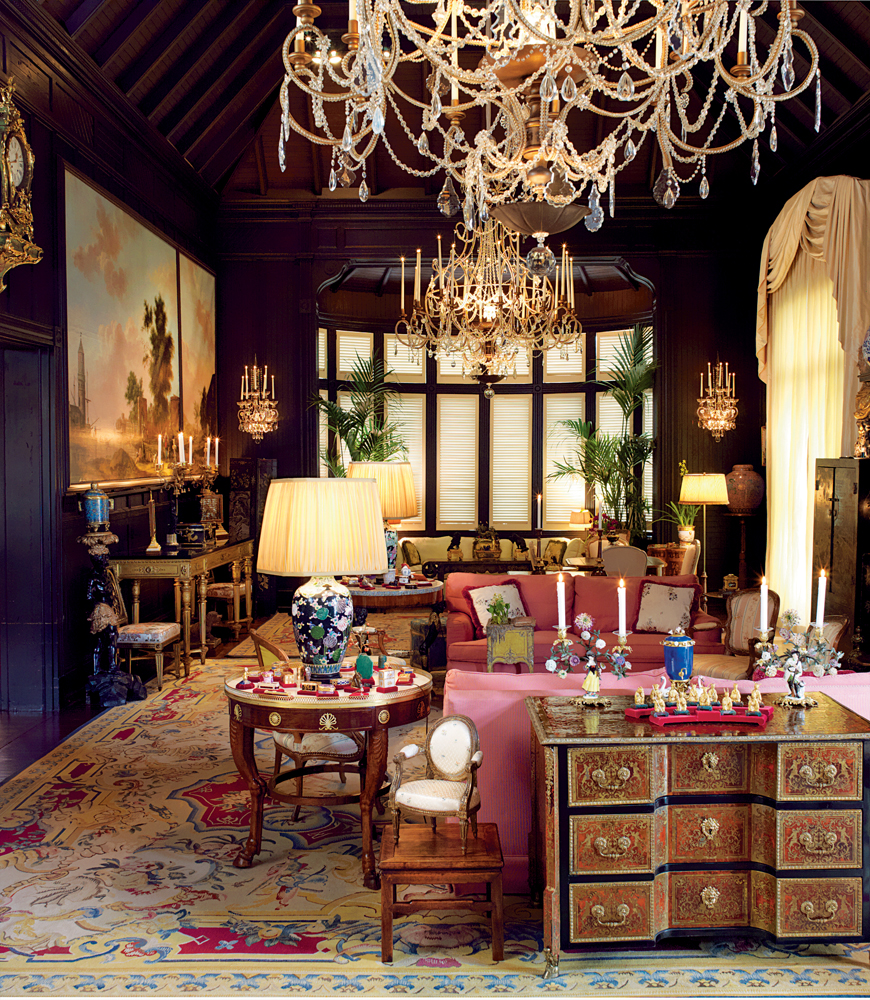
Photography by Aya Brackett | One of California’s finest collections of eighteenth-century English and European decorative arts is to be found in San Francisco in a large Queen Anne revival house in Pacific Heights. Carefully chosen to evoke the atmosphere of an English country house or a French château, these objects shine brilliantly against the dark brown paneling in the …

Audio source missing

The legacy of Henry Davis Sleeper

Editorial StaffFurniture & Decorative Arts

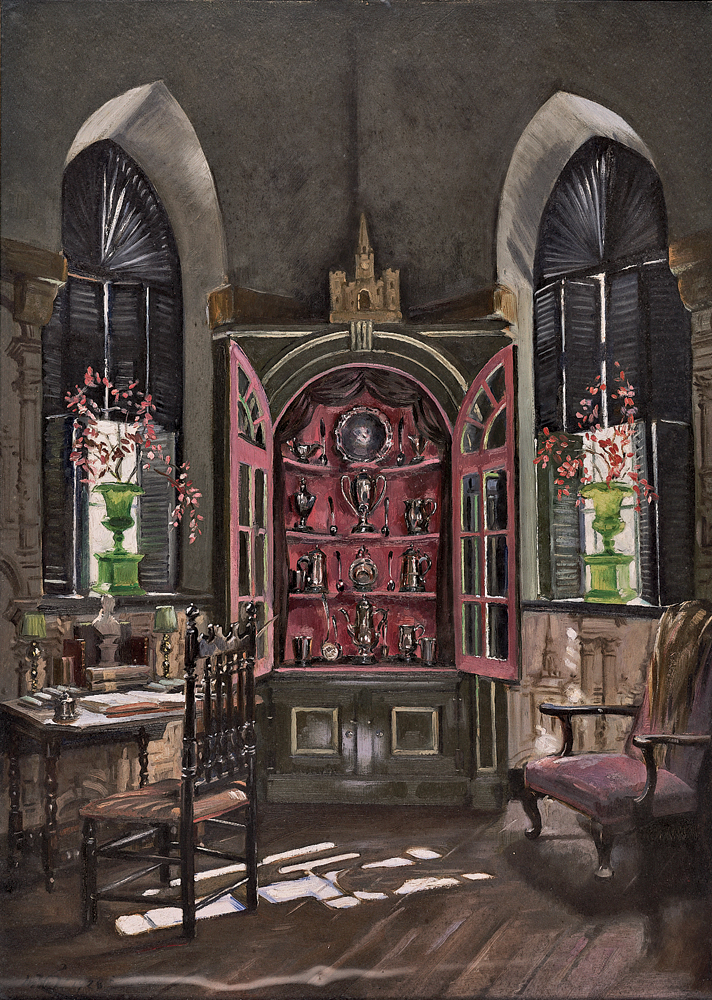
December 2009 | November 1915. On “one of those autumn days when the darkness comes so suddenly that one seems to bump one’s head against it,” a small party departs from an unnamed city. Wrapped in furs and nestling into blankets, they huddle in the back of the open car to ward off the chill. Soon paved roads give way …