Smelling the flowers: A closer look at permanent collections

Editorial StaffArt

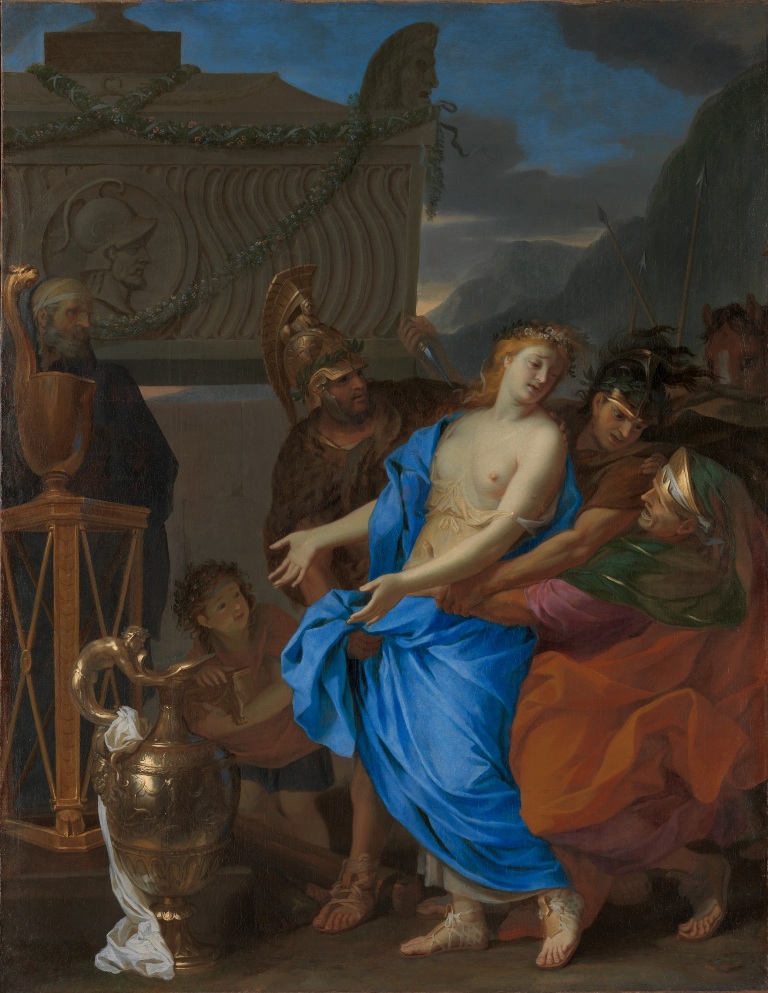
In this, the quietest season of the year for the New York art world, when most of the commercial galleries are shuttered and the museums have been abandoned to the tourists, it behooves the critic to slow down for a few weeks and smell the flowers. By that I mean returning to the permanent collections and observing the recent addition …
Flagrant Delights

Editorial StaffArt

Photography by Gavin Ashworth Crafted, bought, sold, and collected, folk art erotica, especially American folk erotica, has a lively presence in the world of art and antiques, as virtually any dealer will attest. (“The easiest things to sell are good erotica and good political materials. They leave the door the quickest,” Brooklyn-based dealer Steven S. Powers observes.) What this material …

A Fruitful Exchange

Editorial StaffExhibitions

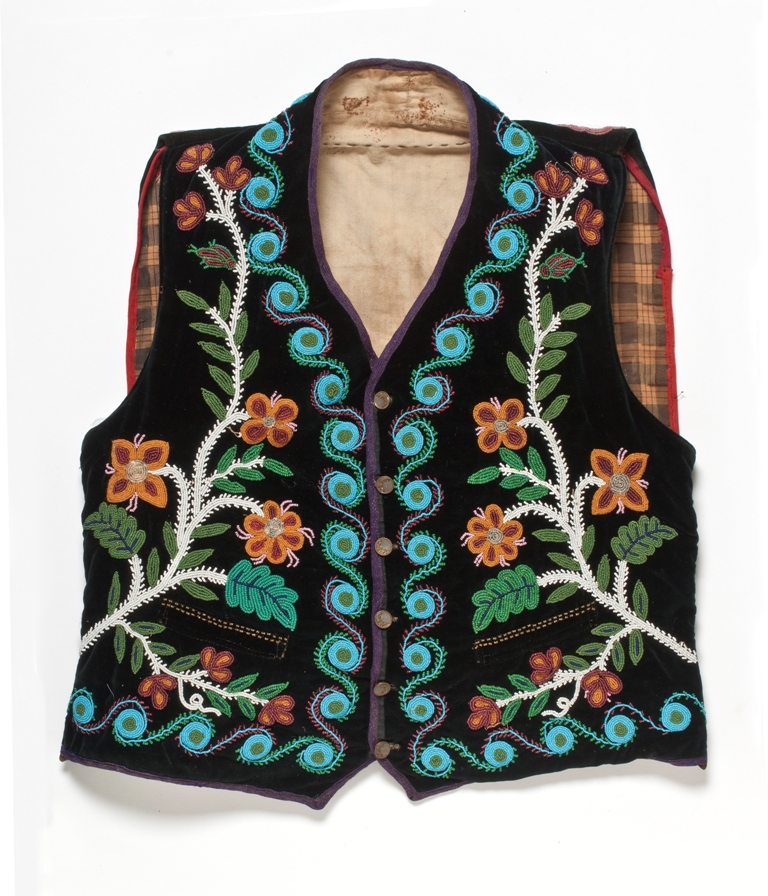
In both the academic and museum worlds, Native American and Euro-American stories have usually been told separately, presented in separate contexts, and their histories explained from their singular perspectives. But many twenty-first-century museums are beginning to move in a new direction in interpreting the history and mutual influences of the two cultures. Floral Journey: Native North American Beadwork, an exhibition …

Farther afield: Philosophy in the museum

Editorial StaffArt, Exhibitions

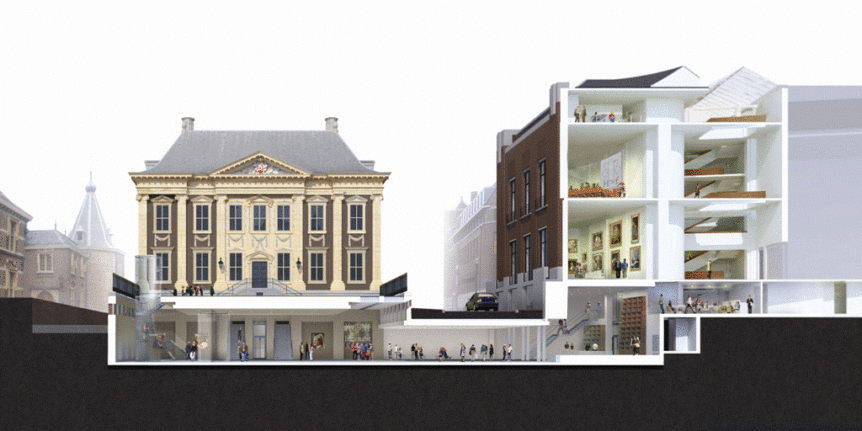
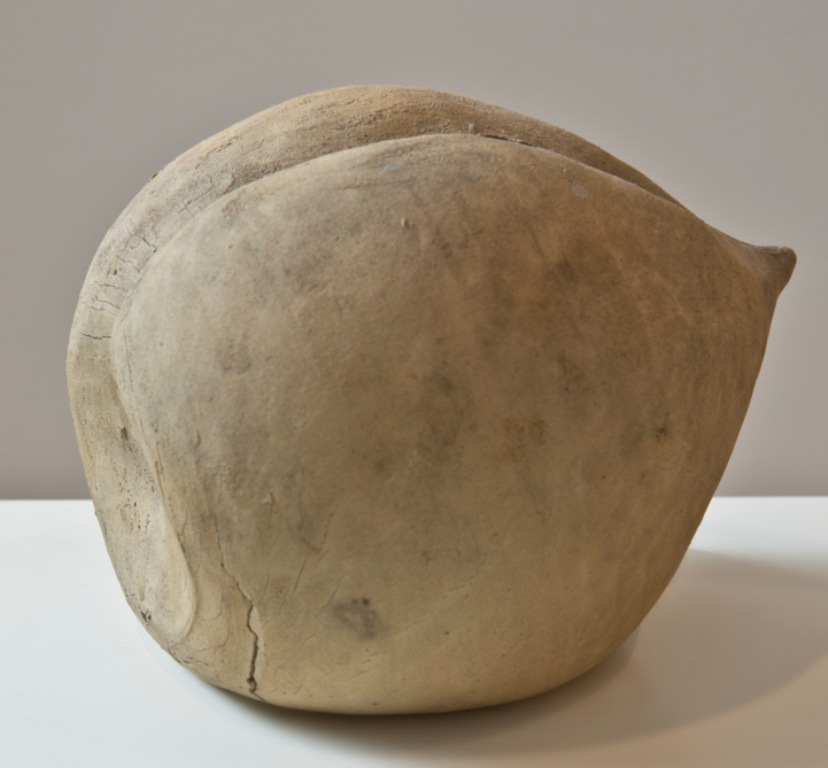
In a refreshing new twist on how to bring new life to long-revered art and objects both the Staatliche Kunstsammlungen in Dresden and the Rijksmuseum in Amsterdam have invited philosophers to play the role of curator   DRESDEN CONSIDERS THE BOWL Philosopher Wolfgang Scheppe has collaborated with the staff of the Dresden State Art Collections to present an exhibition in …

New collector: Spratling silver

Editorial StaffFurniture & Decorative Arts

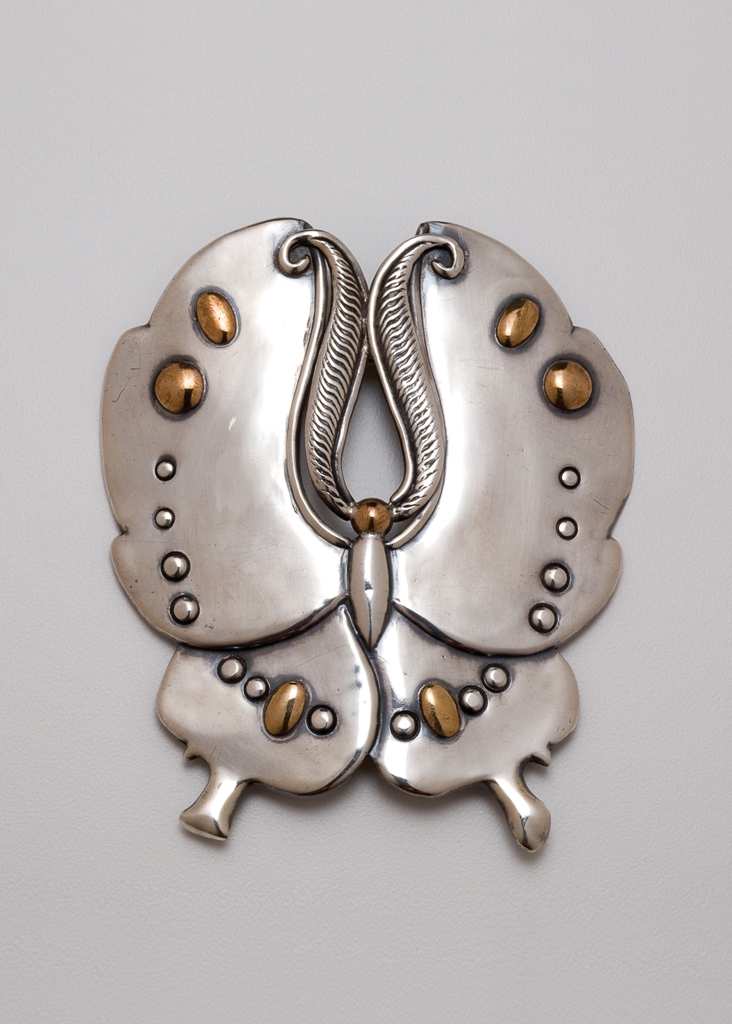
The son of Dr. William P. Spratling, a celebrated neurologist and pioneer in treating epilepsy, William Spratling had a tragic childhood, losing his mother and a sister when he was ten, and his father five years later. He went on to Auburn University in Alabama, where he majored in architecture and was apparently teaching the subject there within two years …

House of the spirits

Editorial StaffArt

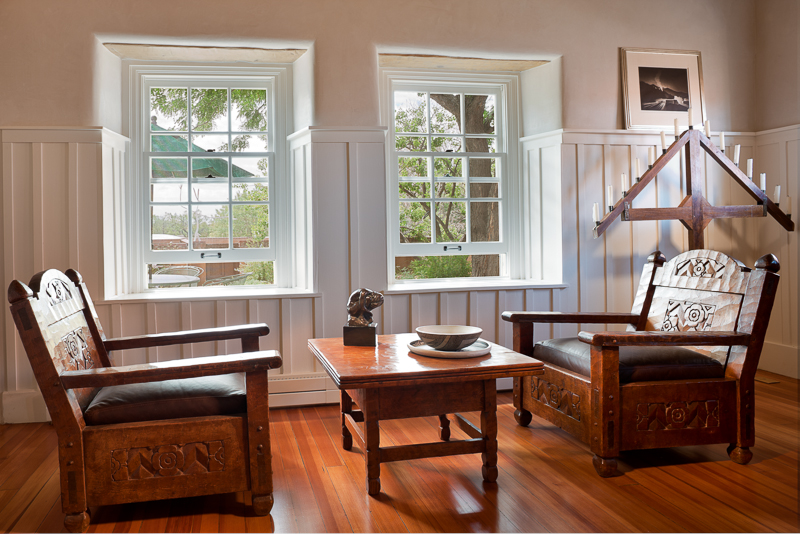
In time, Sylvanus Griswold Morley would be known as the brilliant Mayanist who exca­vated Chichén Itzá and, controversially, as Agent 53, a scientist who used his Central Amer­ican fieldwork as a cover for spying on behalf of the Office of Naval Intelligence during World War I.1 But in 1910 the young Harvard-trained archae­ologist whose interest in the ancient Southwest brought …

From the archives: “New Mexican tinwork, 1840-1915”

Editorial StaffArt

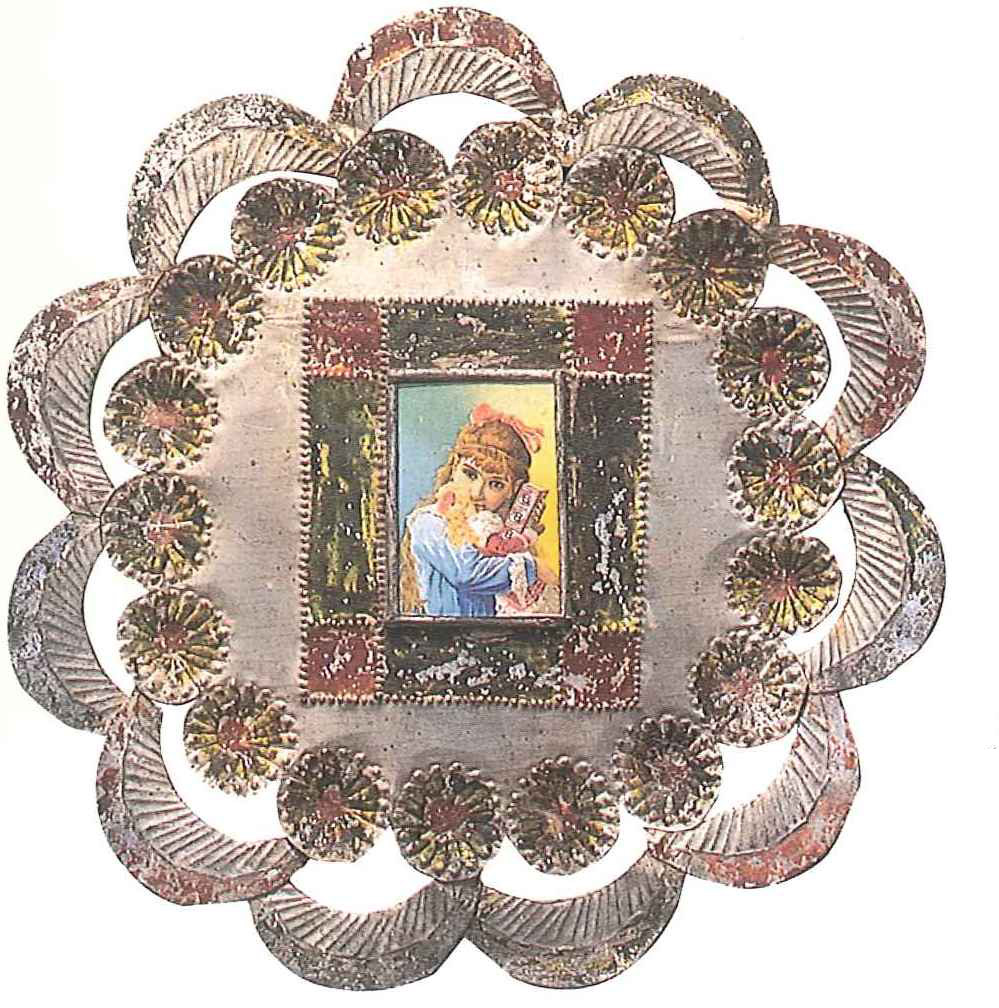
By Lane Coulter; from The Magazine ANTIQUES, October 1991 The art of the tinsmith flourished in New Mexico from about 1840 to 1915. During this period Hispanic tinsmiths primarily made devotional objects that reflected the Roman Catholicism of the Spanish Southwest, but they also made a limited number of more secular objects. They used shapes derived from architecture as well as immensely …

Masterpiece London 2014

Editorial StaffExhibitions

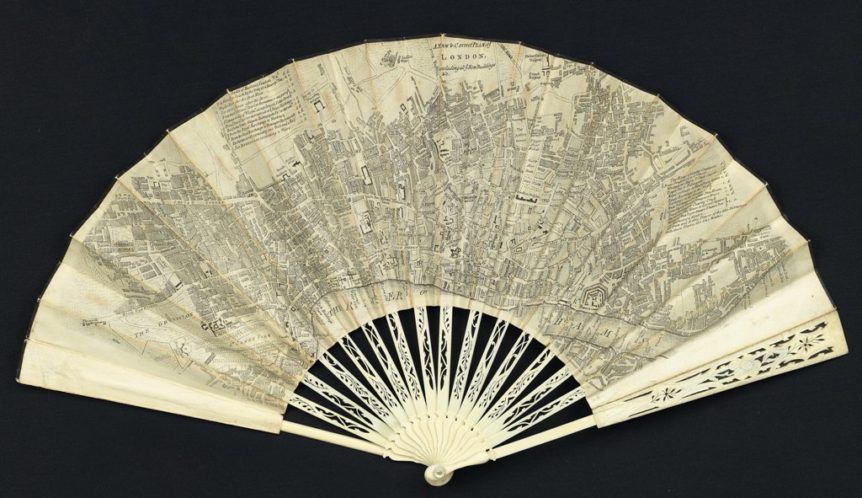
In the five short years since its creation, Masterpiece has established itself as London’s most prominent and antici­pated fair. Its intent is to present the highest caliber art and antiques alongside a wide range of similarly distinguished luxury goods from cars to wine. However, because it was cre­ated by leading dealers from the former Grosvenor House fair, Masterpiece retains decorative …

The PRB at the MMA

Editorial StaffExhibitions

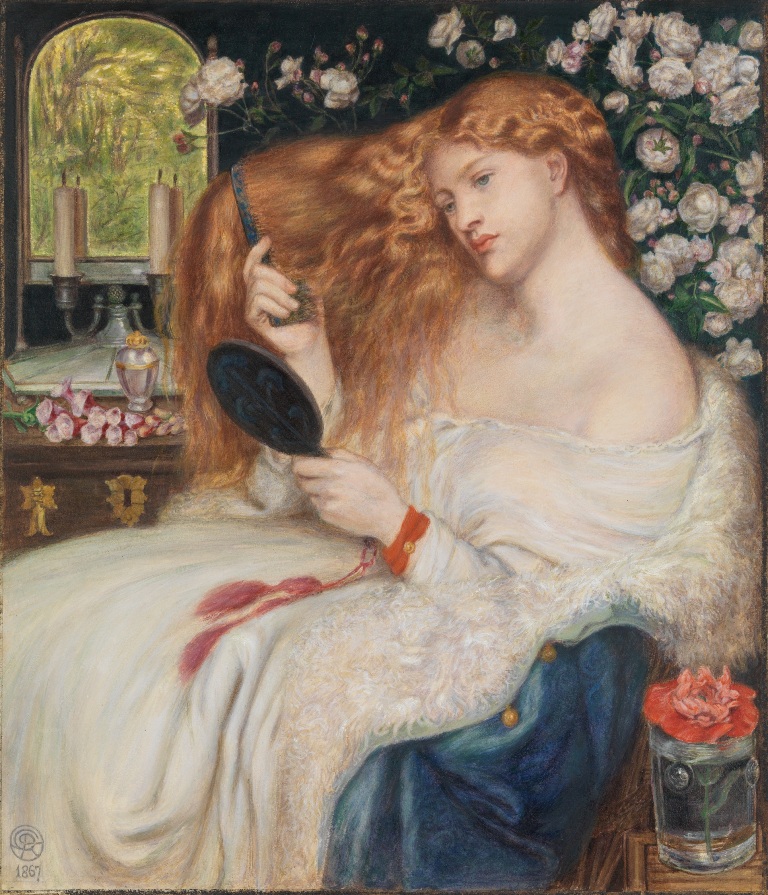
Five Metropolitan Museum of Art curatorial departments comprising European paintings, drawings and prints, photographs, European decorative arts, and the Watson Library along with several private lenders have collaborated to produce a small,well-focused exhibition, The Pre-Raphaelite Legacy: British Art and Design. The Pre-Raphaelite Brotherhood (PRB) was founded in 1848 by seven young artists and writers who rejected contemporary academic painting, and …

No Growing Pains at the Frick Collection

Editorial StaffFurniture & Decorative Arts

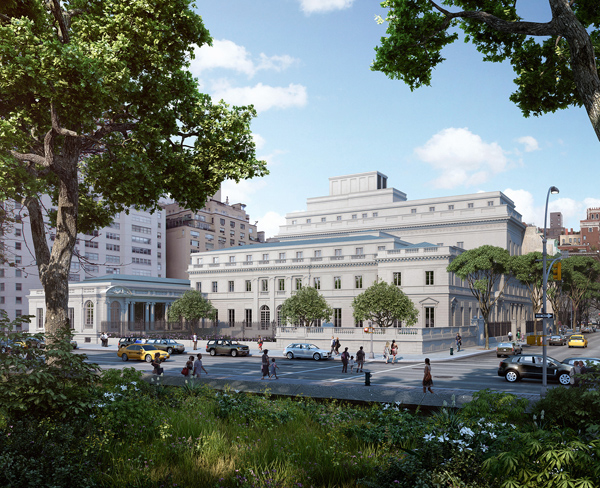
Recently, an ill-considered op-ed in the New York Times, written by David Masello, took issue with the Frick Collection’s plans for an ambitious expansion. Yes, there is something formulaic, almost knee-jerk in the way in which, these days, every museum seems to feel that it must expand and debase itself to embrace bigger audiences. But there is something equally formulaic, …