American Revivalism: This country’s love affair with the colonial revival

Editorial StaffExhibitions

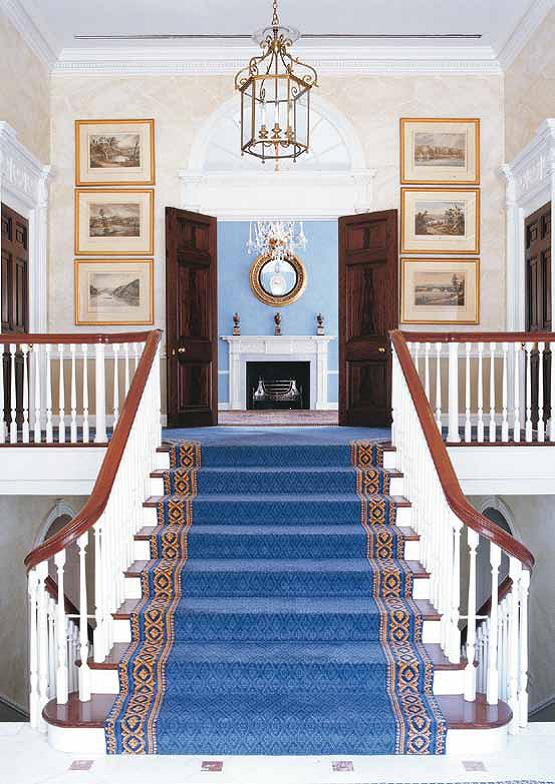
from The Magazine ANTIQUES, May/June 2011 | Entrance hall with staircase to the ballroom in the Susan E. Wagner Wing of Gracie Mansion, New York City, decorated by Jamie Drake, 2002. Photograph by William Waldron, courtesy of Jamie Drake Designs. Howard Johnson’s restaurant, Tichnor Quality Views, produced by Tichnor Brothers, Boston, Massachusetts, c.1940s. Courtesy of the Kummerlowe Archive.   Detail …
Not Just Folk: Josyane and Robert Young at home in London

Editorial StaffFurniture & Decorative Arts

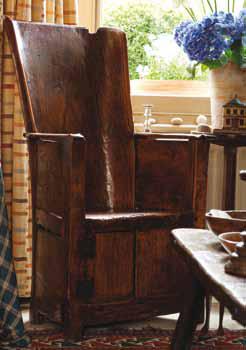
from The Magazine ANTIQUES, July/August 2011 | The brick exterior of the house appears virtually identical to others on its street and to much of the neighborhood of Wandsworth in southwest London. Built in the 1840s by a philanthropic charity as part of a subsidized housing project for uniformed workers (mostly from the nearby railway but also policemen and soldiers), …

More on Manz

Editorial StaffArt

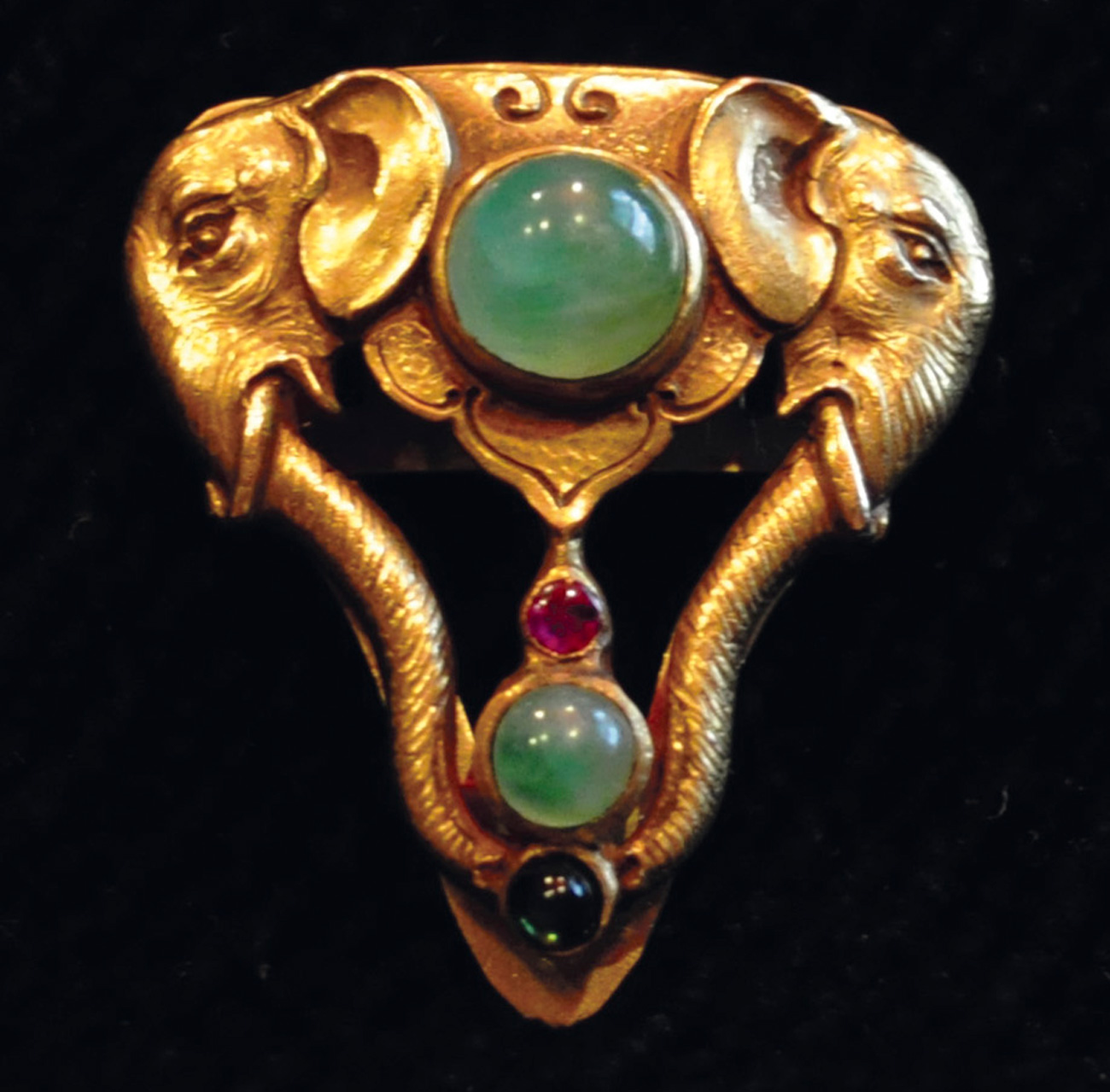
Tiffany and Company. Shreve, Crump and Low. Black, Starr and Frost. Marcus and Company. Gorham. Raymond C. Yard. These are just a few of the prominent jewelry retailers supplied by the German-born New York jeweler Gustav Manz in the first decades of the twentieth century. Hitherto little known, Manz’s work is examined in “Where credit is due: The life and …

The life and jewelry of Gustav Manz

Editorial StaffArt

Fig. 1. Collage of drawings from a scrapbook of jewelry designs by Gustav Manz, c. 1910–1920. The scrapbook remains in Manz’s family. Collection of the Mathews family. Fig. 2. Gustav Manz (1865-1946) in his studio in a photograph of c. 1935. Collection of Robert Gustav Eastman.   Fig. 3. Bracelet attributed to Manz, c. 1925. Yellow gold with colored sapphires …

Aschermanns

Editorial StaffArt

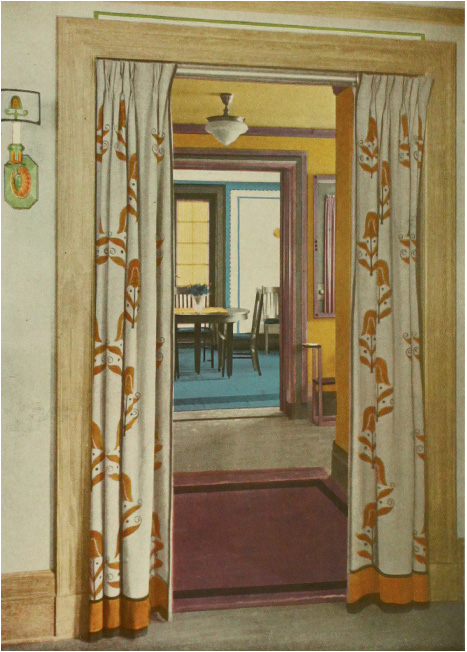
from The Magazine ANTIQUES, January/February 2011 | The story of the rise of modern American design has long been told in the same way: first came the arts and crafts movement from Britain and art nouveau from the Continent in the 1890s. Then, in the mid-1920s, spurred by the Paris exposition internationale des arts décoratifs et industriels modernes, Americans embraced …

American Porcelain Teabowl

Editorial StaffArt

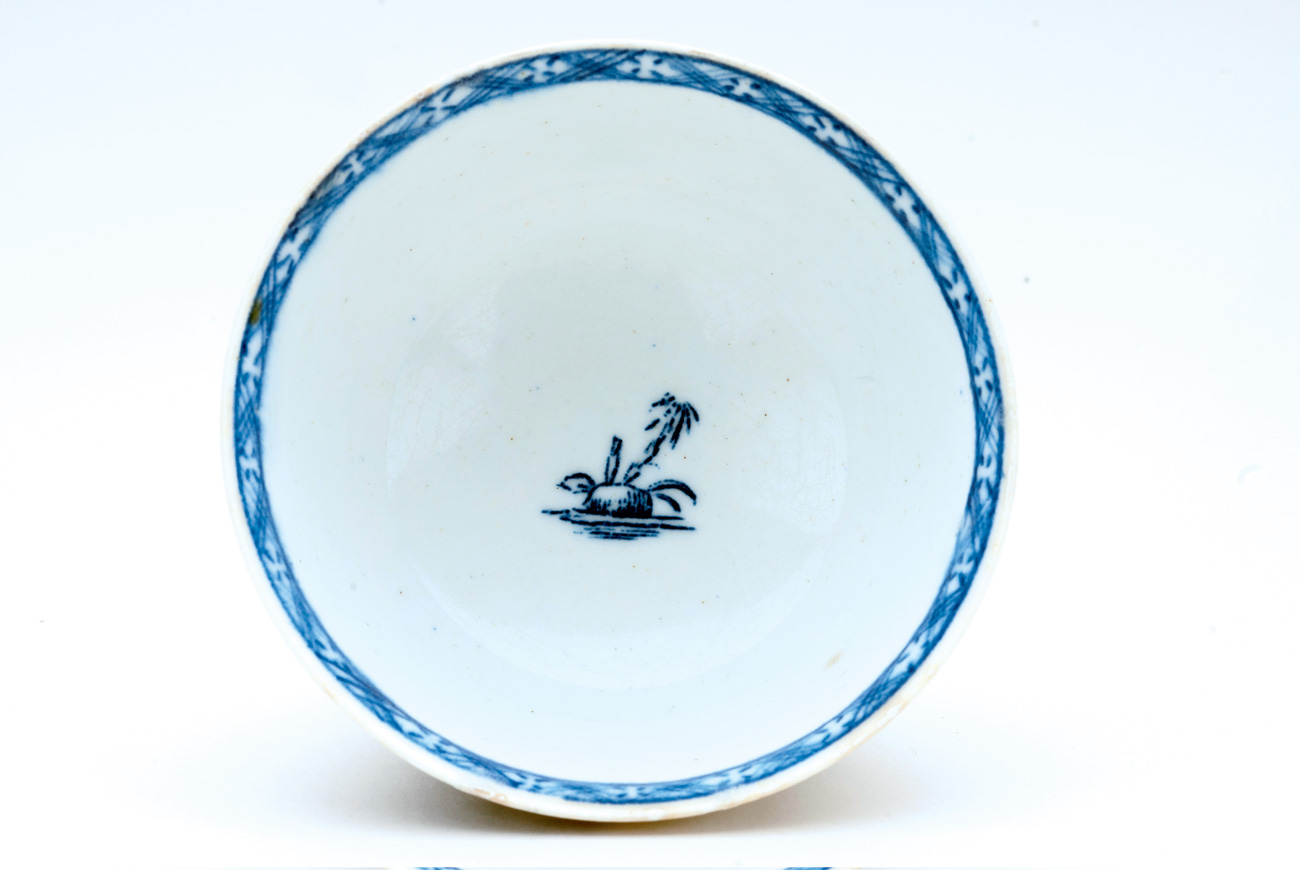
from The Magazine ANTIQUES, January/February 2011 | Students of American ceramic history have special reverence for the story of domestically made eighteenth-century porcelain. This tale begins with Andrew Duché’s dis­­covery of “Carolina Clay” in the 1730s and his purported experimental production in Charleston, South Carolina, though no physical evidence of his endeavors has ever come to light.  Meanwhile, some nineteen …

Eugene Von Bruenchenhein

Editorial StaffExhibitions

We are certainly entitled to call Eugene Von Bruenchenhein an outsider artist, but he himself would not have seen it that way. Yes, he was self-taught and impoverished and surely he felt deeply alienated from the society that surrounded him. But you could say as much for many another artist who achieved success over the past century. As for Von …

Moving Forward at Bayou Bend

Editorial StaffFurniture & Decorative Arts

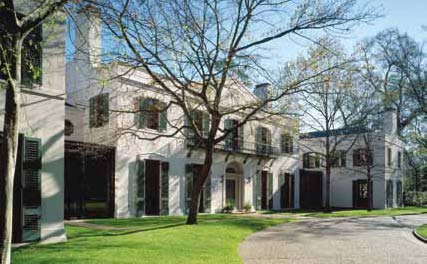
from The Magazine ANTIQUES, September/October 2010. Houston has been called a wholesale city—a great place to do business and buy big. It feels as though it is lounging flat out, like some huge deflated blimp. The very notion of commercial/residential zoning remained problematic until rather recently, and less than a generation ago smallish escort service motels sat cheek-by-jowl near great …

Grant Wood

Editorial StaffBooks

from The Magazine ANTIQUES, September/October 2010 | In the following passage from Grant Wood: A Life (Knopf, 2010), R. Tripp Evans’s new biography of the man behind American Gothic (1930), the author examines a critical work from the artist’s mid-career: 1934’s Dinner for Threshers. Fig. 1. Dinner for Threshers by Grant Wood (1891–1942), 1934. Signed and dated “Grant Wood, 1934” …