from The Magazine ANTIQUES, November/December 2011| Fig. 1. The Shepherd Boy (also known as Landscape with Shepherd) by Robert S. Duncanson (1821-1872), 1852. Signed and dated “R.S. Duncanson/1852” at lower left. Oil on canvas, 32 ½ by 48 ¼ inches. Metropolitan Museum of Art, gift of Hanson K. Corning by exchange. Fig. 3. The Rainbow by Duncanson, 1859. Signed …
Vose Galleries at 170
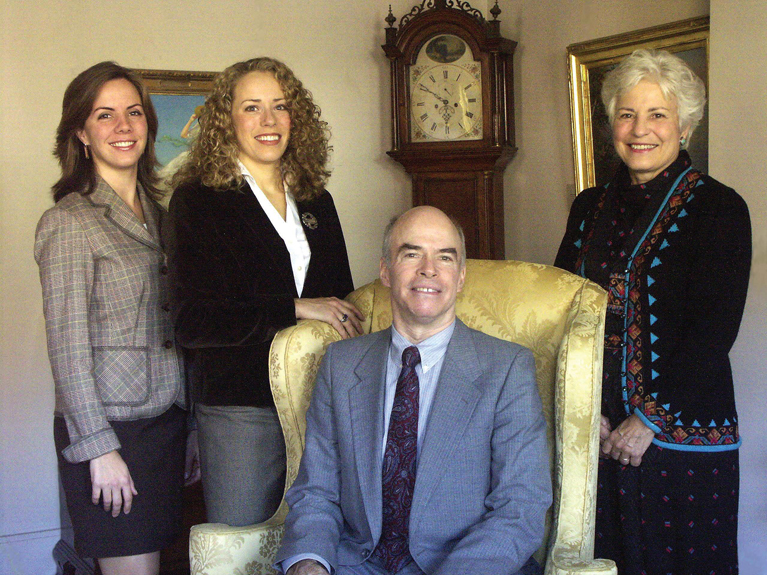
By Tom Christopher left to right: Elizabeth Vose Frey, Carey L. Vose, Abbot W. “Bill” Vose, Marcia L. Vose. Vose Galleries of Boston is that rarest of survivors: now completing its 170th year in business and still under the direction of the founding family, the firm itself predates many of the paintings that it buys and sells. Yet it …
In the American Grain: Art and Capital at Crystal Bridges
from The Magazine ANTIQUES, November/December 2011 | The small town of Bentonville, Arkansas, home to some 35,301 souls in the most recent census, is about to be transformed beyond recognition. Already it enjoys some modicum of renown as the ancestral abode of the Walton family: its late patriarch, Sam Walton, founder of Walmart, opened his first five and dime here …
Rodin and America: The artist’s influence in the United States
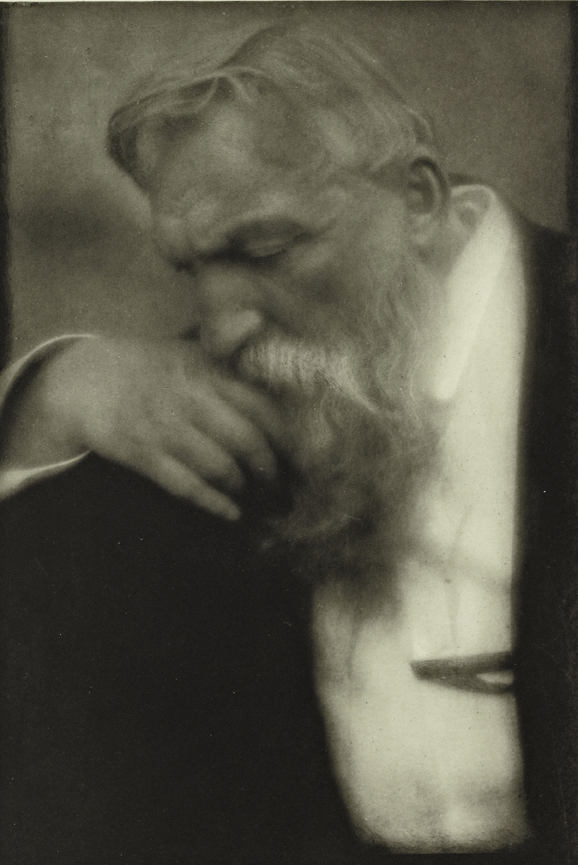
from The Magazine ANTIQUES, November/December 2011 | Fig. 1. Auguste Rodin (1840-1917) by Edward Steichen (1879-1973), 1907. Photogravure (from Camera Work: A Photographic Quarterly, April-July 1911); 9 ½ by 6 ½ inches. Iris and B. Gerald Cantor Center for Visual Arts at Stanford University, gift of the William R. Rubin Foundation. By 1900 it was common to liken Auguste …
American genre painting and the rise of ‘average taste’
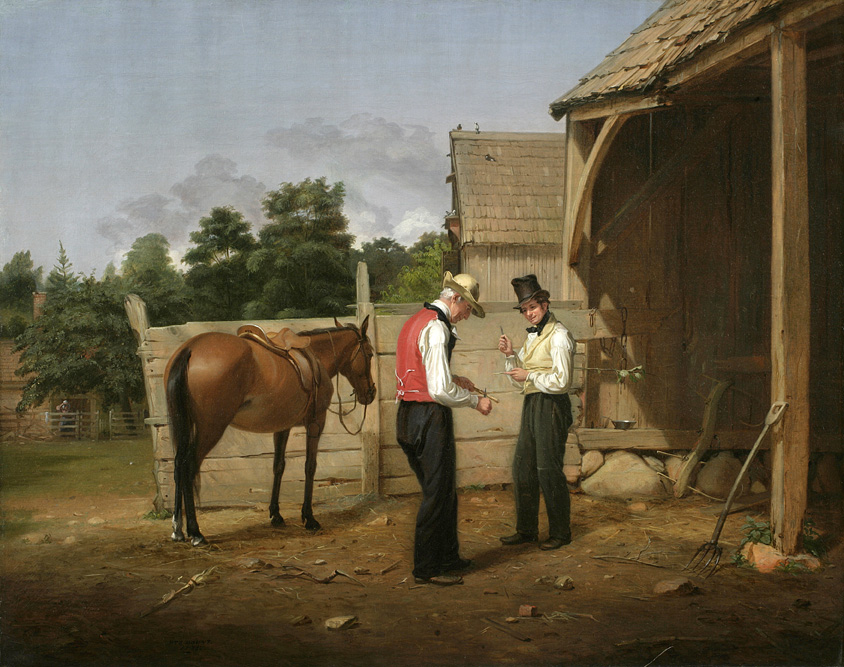
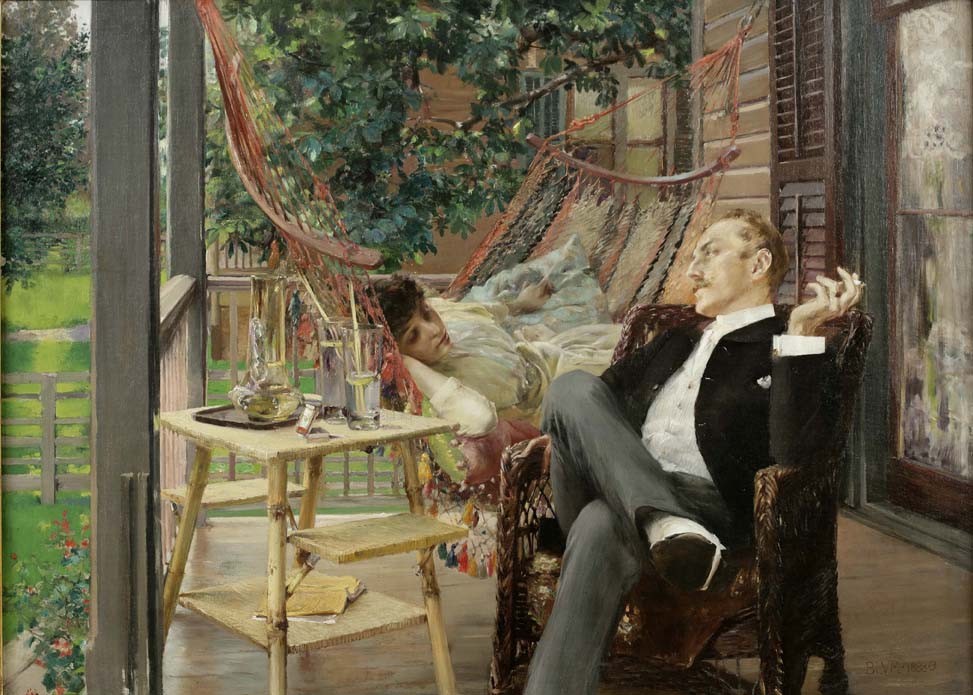
from The Magazine ANTIQUES, November/December 2011 | Nearly a century and a half after its publication in 1867, Henry Theodore Tuckerman’s Book of the Artists is valued today mainly for its wealth of biographical data. But Tuckerman’s pronouncements summarizing the development of American art culture also deserve closer examination. Of particular interest is his reference to “average taste,” a descriptive …
Master of delight: William J. Glackens at the Museum of Art, Fort Lauderdale
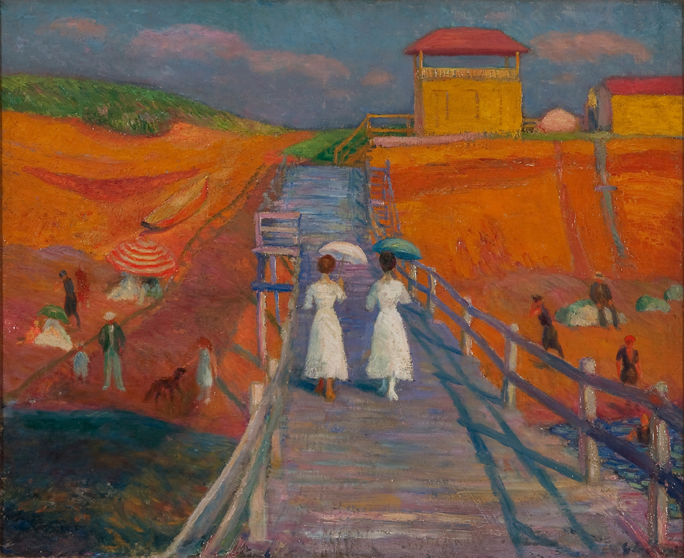
from The Magazine ANTIQUES, November/December 2011 | Fig.1. Cape Cod Pier byWilliam J. Glackens (1870-1938), 1908. Signed “W. Glackens” at lower right. Oil on canvas, 26 by 32 inches. The works illustrated are inthe Museum of Art, Fort Lauderdale, Florida. Gift of an anonymous donor. Behind the facade of a modern white monolith shimmering in the light of the Florida sun lies …
The Japanesque silver of the Whiting Manufacturing Company
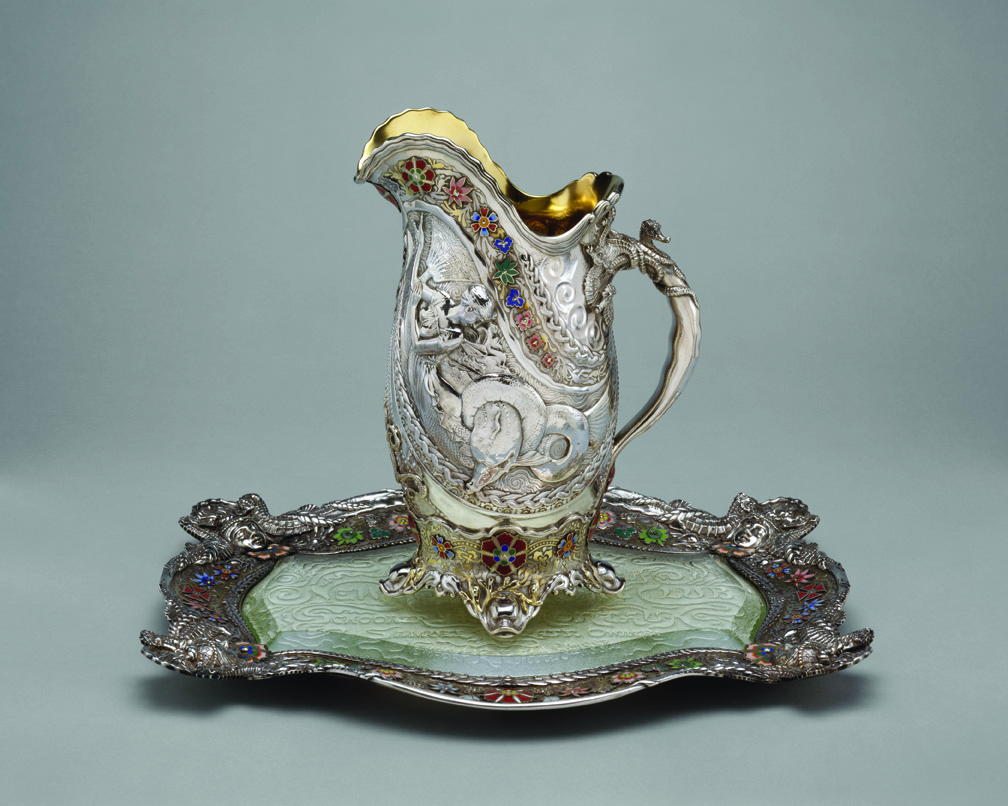
from The Magazine ANTIQUES, September/October 2011 | The 1870s and 1880s were some of the most innovative and exciting decades in the history of the American silver industry. Postwar prosperity, the discovery of silver in the American West, and innovations in manufacturing created an ideal environment for the design and fashioning of original objects. Among the most prolific and successful …
The comeback: The National Academy reopens with six new exhibitions
from The Magazine ANTIQUES, September/October 2011 | The National Academy reopens with six exhibitions designed to reclaim its pivotal role in American art and architecture. Many who stroll along New York’s Museum Mile surely break their stride at the handsome Beaux Arts facade at 1083 Fifth Avenue, just to the north of the Solomon R. Guggenheim Museum. They slow down …
The Man Who Could Do Everything: Louis C. Tiffany at the Charles Hosmer Morse Museum
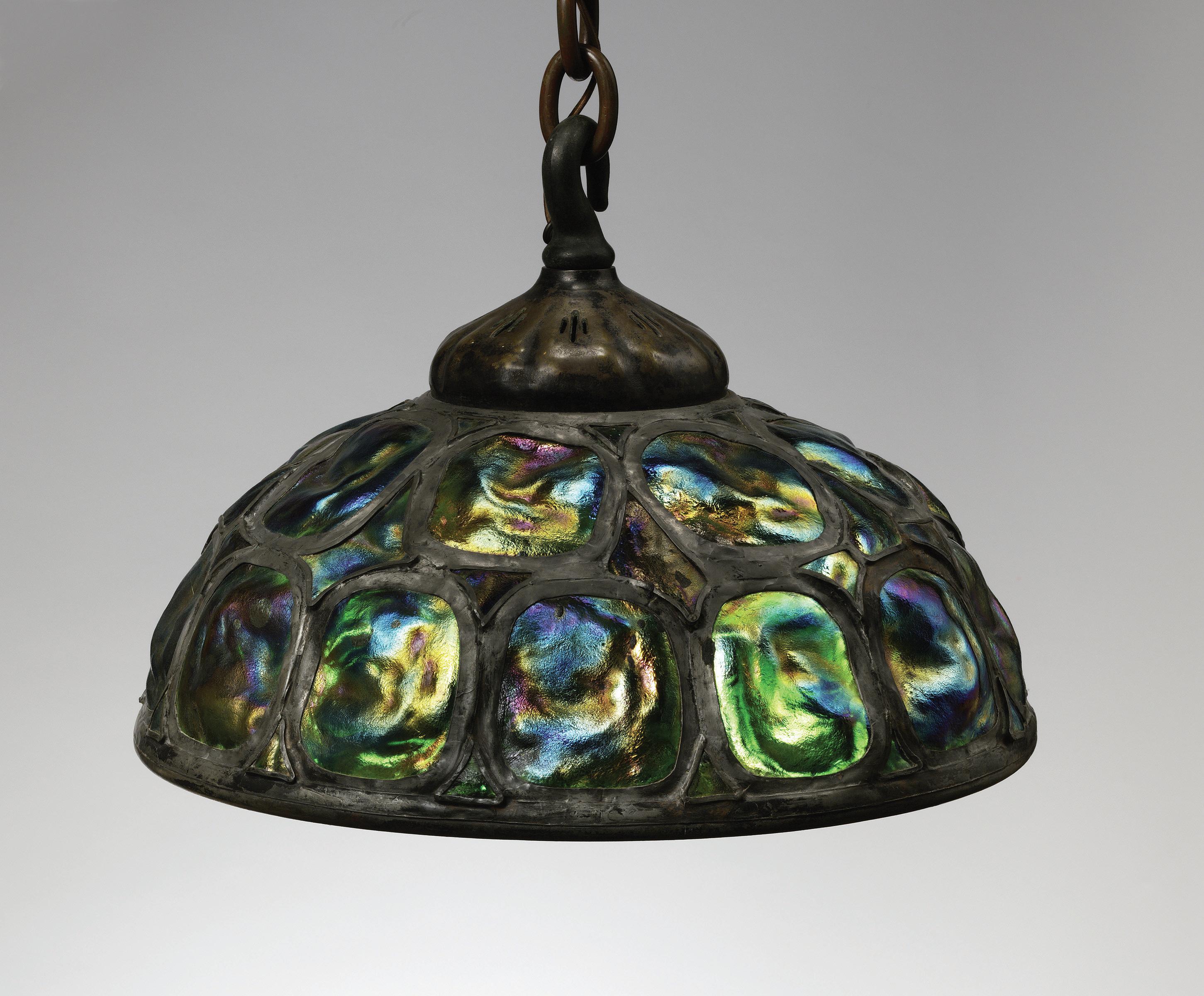
from The Magazine ANTIQUES, July/August 2011 | View of the Daffodil Terrace from the courtyard. Cohrssen photograph. View of the Living Room gallery from the Reception Hall gallery, showing the hanging turtleback-glass globes and shades, a lunette window, and panels from the Four Seasons window. Cohrssen photograph. Louis Comfort Tiffany (1848-1933) in a photograph by Blank and Stoller, …
Fortunate Son: Reading the memoirs of Albert Sack
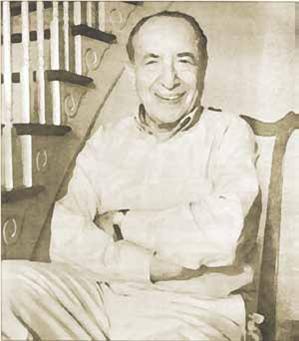
from The Magazine ANTIQUES, July/August 2011 | “I was a good student up through 6th grade but then my priorities became play, friends, and girls. Mother kept a beautiful home. Dad was prosperous in carving out his career which interested me not at all.” Card table, John and Thomas Seymour. Boston, c. 1794. Courtesy of the Brant Foundation, Inc. Sideboard, …