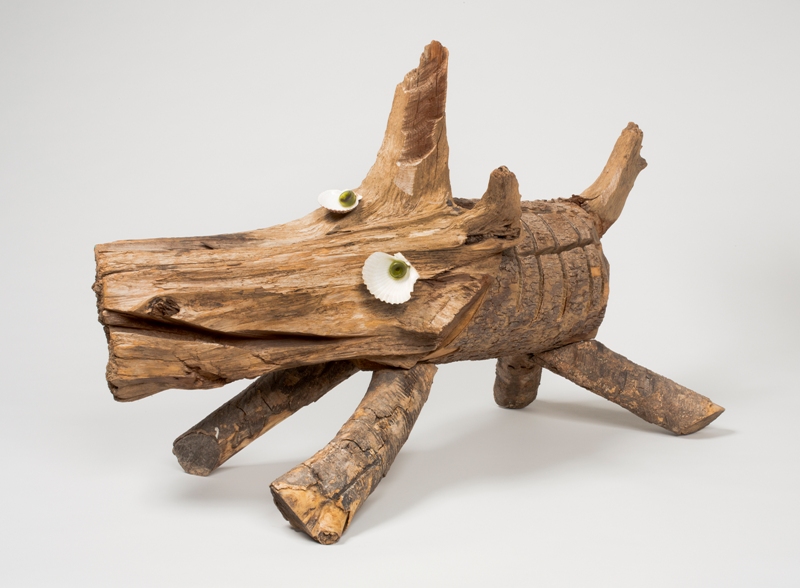
from The Magazine ANTIQUES, November/December 2012 | It was meant to be a souvenir. It became a passion. Lanford Wilson (Fig. 4), the Pulitzer Prize winning playwright of Burn This!, Talley’s Folly, and Fifth of July was in Natchitoches, Louisiana, in the late 1980s, watching the filming of Steel Magnolias (1989). Adapted from a successful play by native son Robert Harling, the …
How America found its face: Portrait miniatures in the New Republic
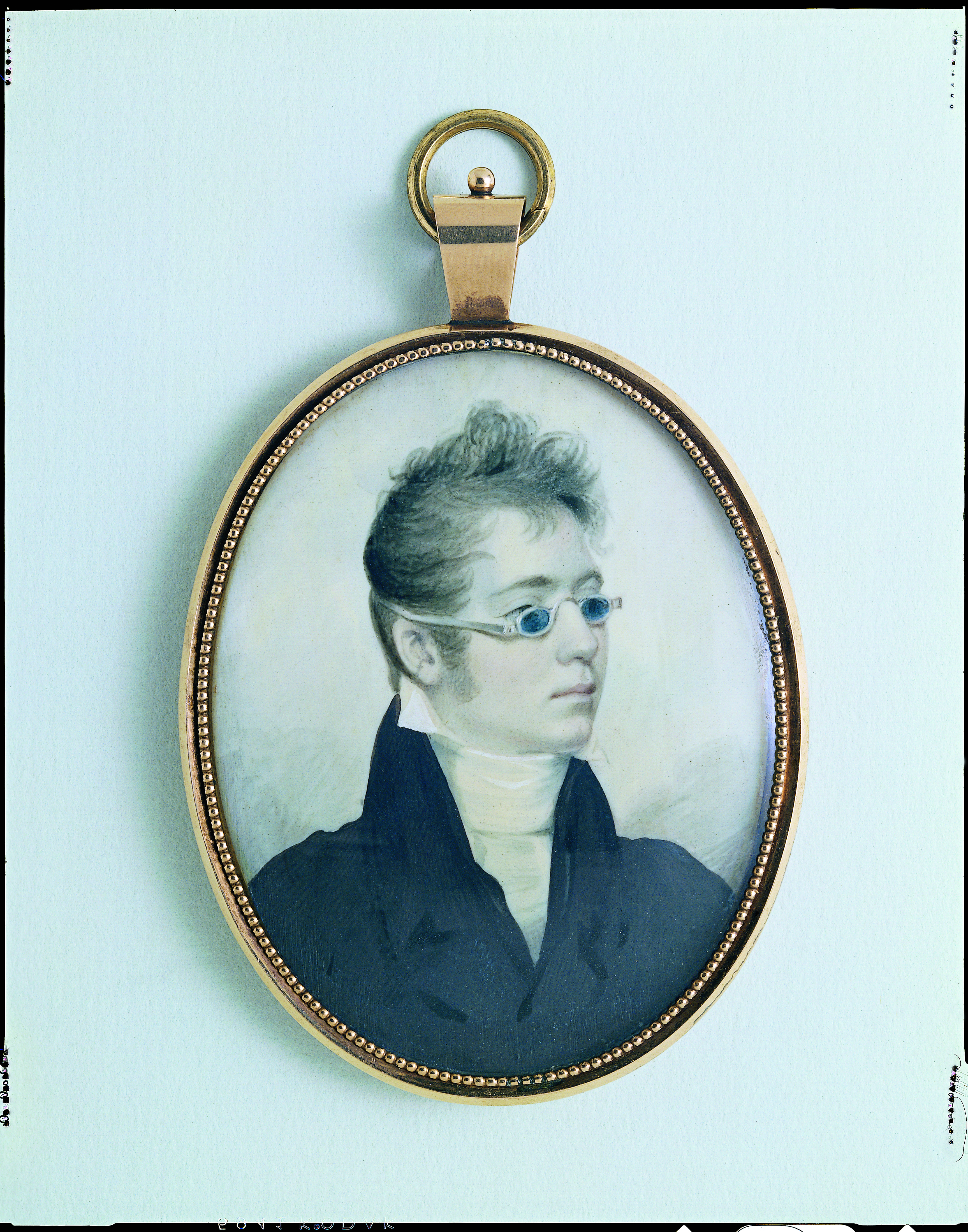
By Elle Shushan; from The Magazine ANTIQUES, April 2009. The stunning events of July 1804 were almost unfathomable for the citizens of the new American republic. One Founding Father had fatally wounded another. Alexander Hamilton was dead and Aaron Burr would be indicted for murder. The duel and its aftermath marked a turning point in American culture. Fig. 17. Thomas Cole …
The Huntington murals at the Yale University Art Gallery
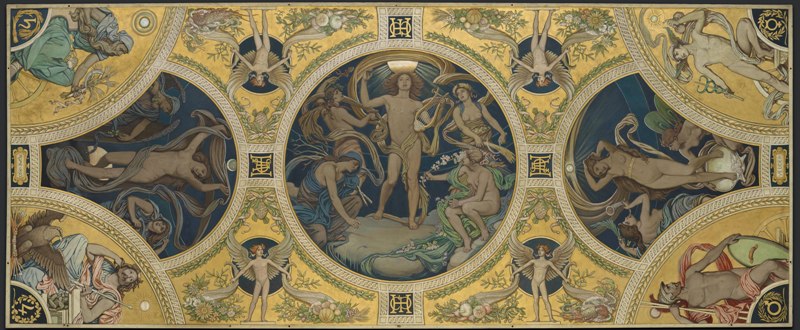
from The Magazine ANTIQUES, November/December 2012 | On a spring morning in April 1926 a crowd stood transfixed on Fifth Avenue and Fifty-Seventh Street, watching a wrecking ball slam into the floors and walls of the Collis P. Huntington mansion (see Fig. 3). Among them was a tall mustachioed man, Archer M. Huntington (1870-1955), who stoically watched the destruction of …
Amistad and after: Hale Woodruff’s Talladega murals
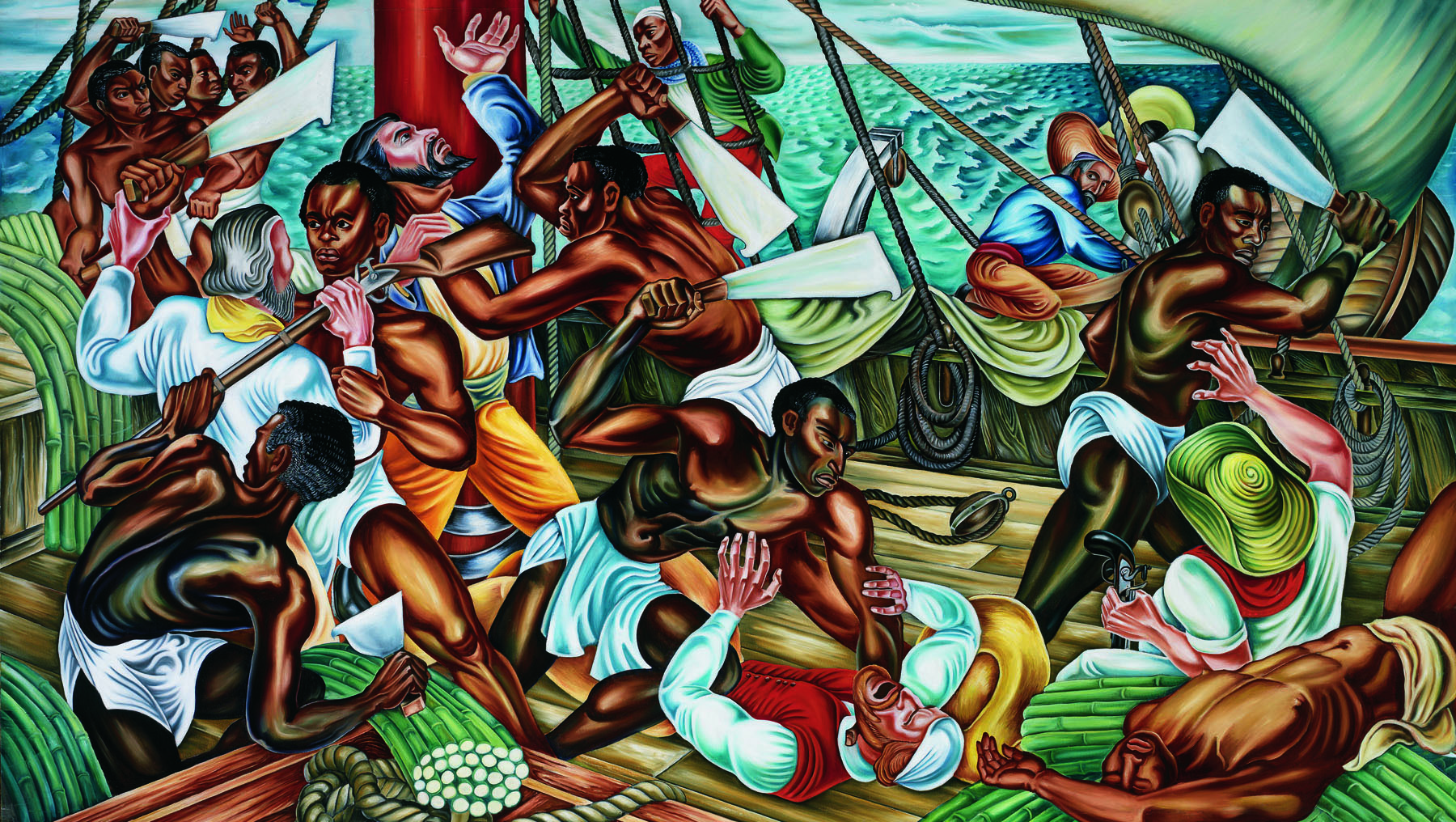
from The Magazine ANTIQUES, September/October 2012 | The new exhibition Rising Up: Hale Woodruff’s Murals at Talladega College offers unprecedented access to murals that for more than seventy years have resided at the historically black school in Alabama-and a compelling lesson in American history. It is the culmination of a collaboration between Talladega and the High Museum of Art in Atlanta, which …
The Peabody Essex Museum’s collection of Chinese export ceramics
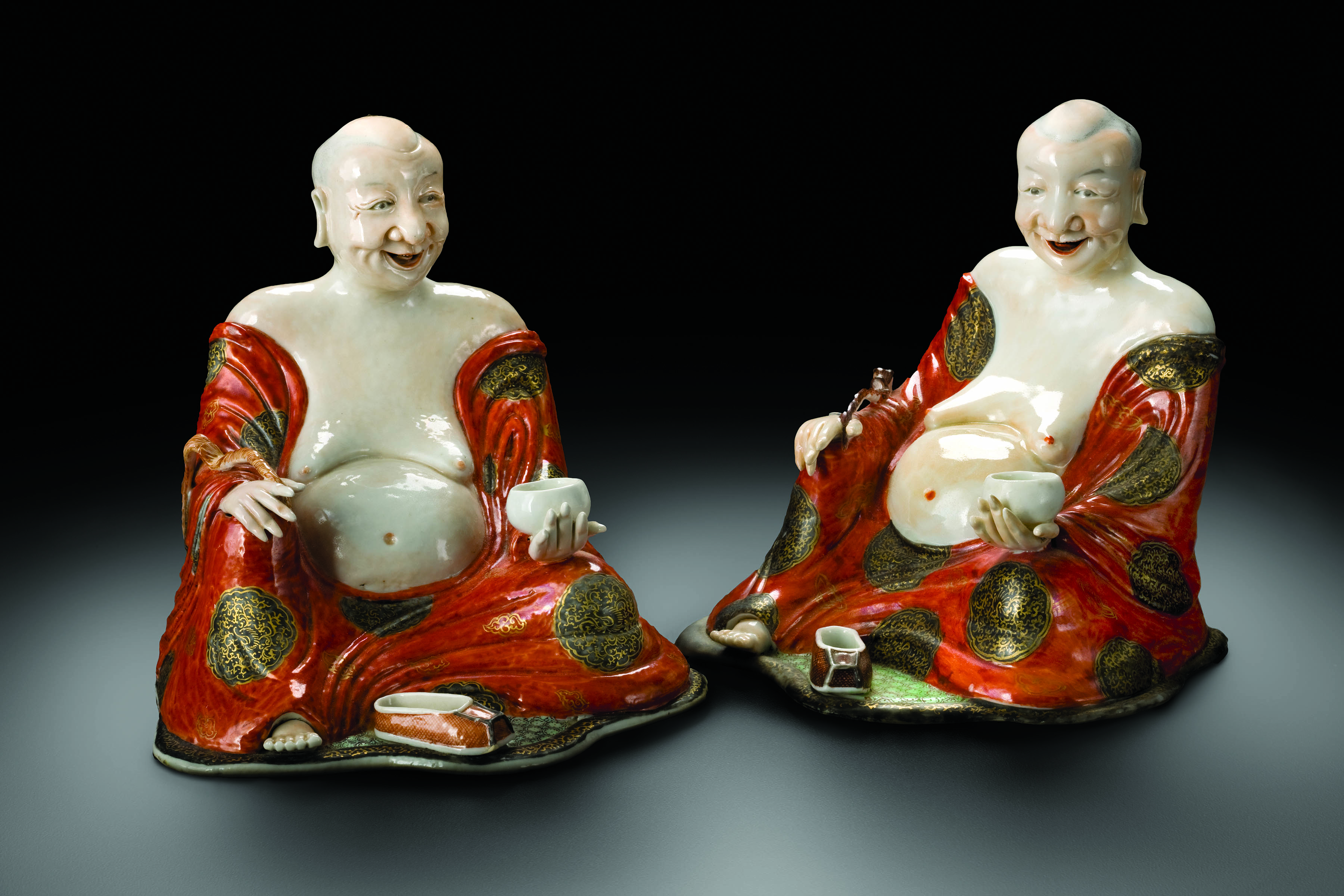
from The Magazine ANTIQUES, September/October 2012 | The objects shown are selected from the nearly three hundred examples featured in William R. Sargent’s monumental Treasures of Chinese Export Ceramics from the Peabody Essex Museum, published earlier this year. CHARGER, Jingdezhen,1600-1620. Porcelain; diameter 17 ½ inches. Museum purchase. The shield bearing a seven-headed hydra bifurcated by a banderole with the Latin motto Saptenti …
Beyond moonlight and magnolias
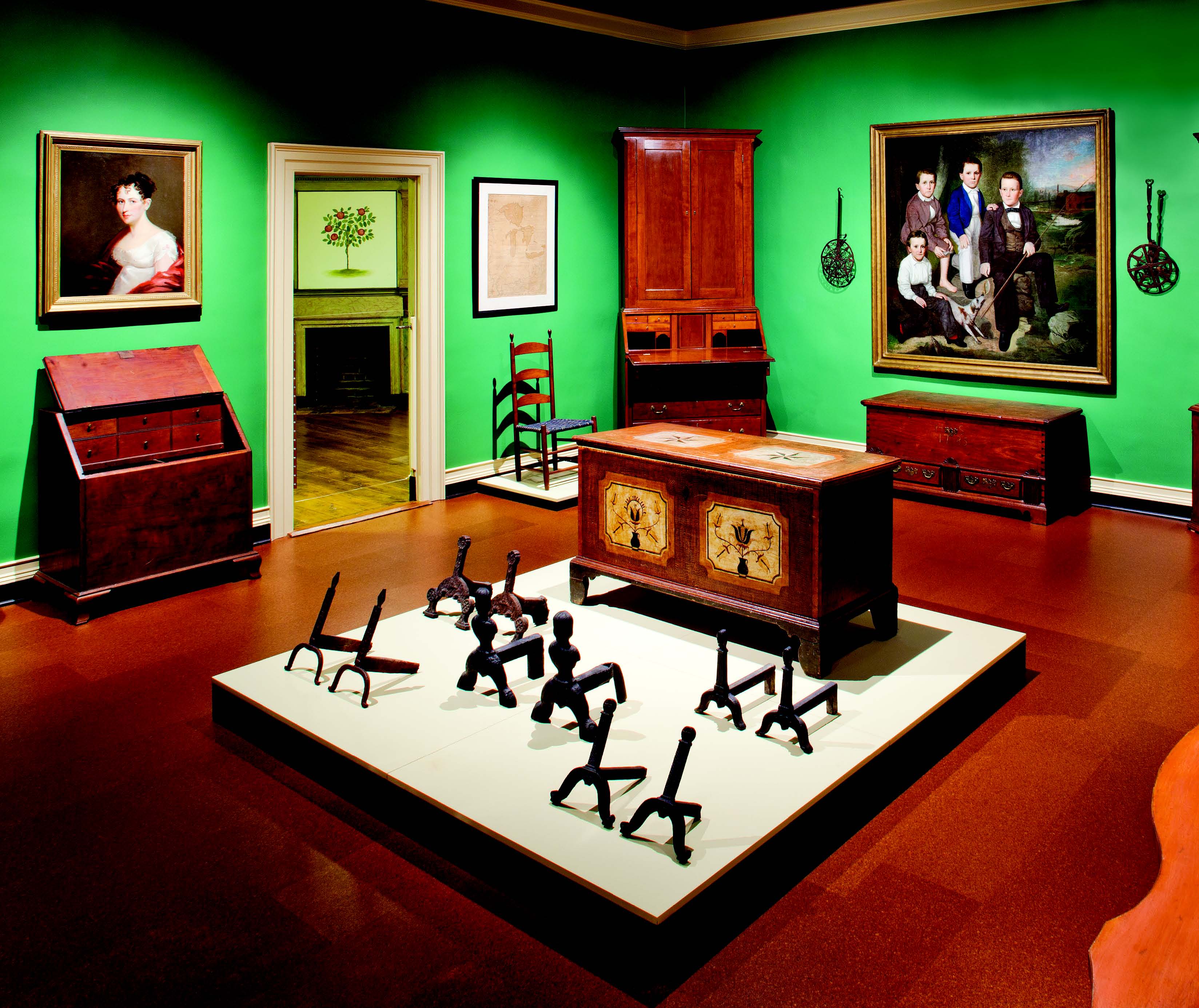
from The Magazine ANTIQUES, September/October 2012 | “When I met Frank Horton and saw the Museum of Early Southern Decorative Arts in 1976, I put down the Confederate flag and picked up a chair leg. How much better to see the South through its art, to understand its identity through its achievements rather than through the sacrifice of war. Here …
Mastering the old masters: Paul Cadmus
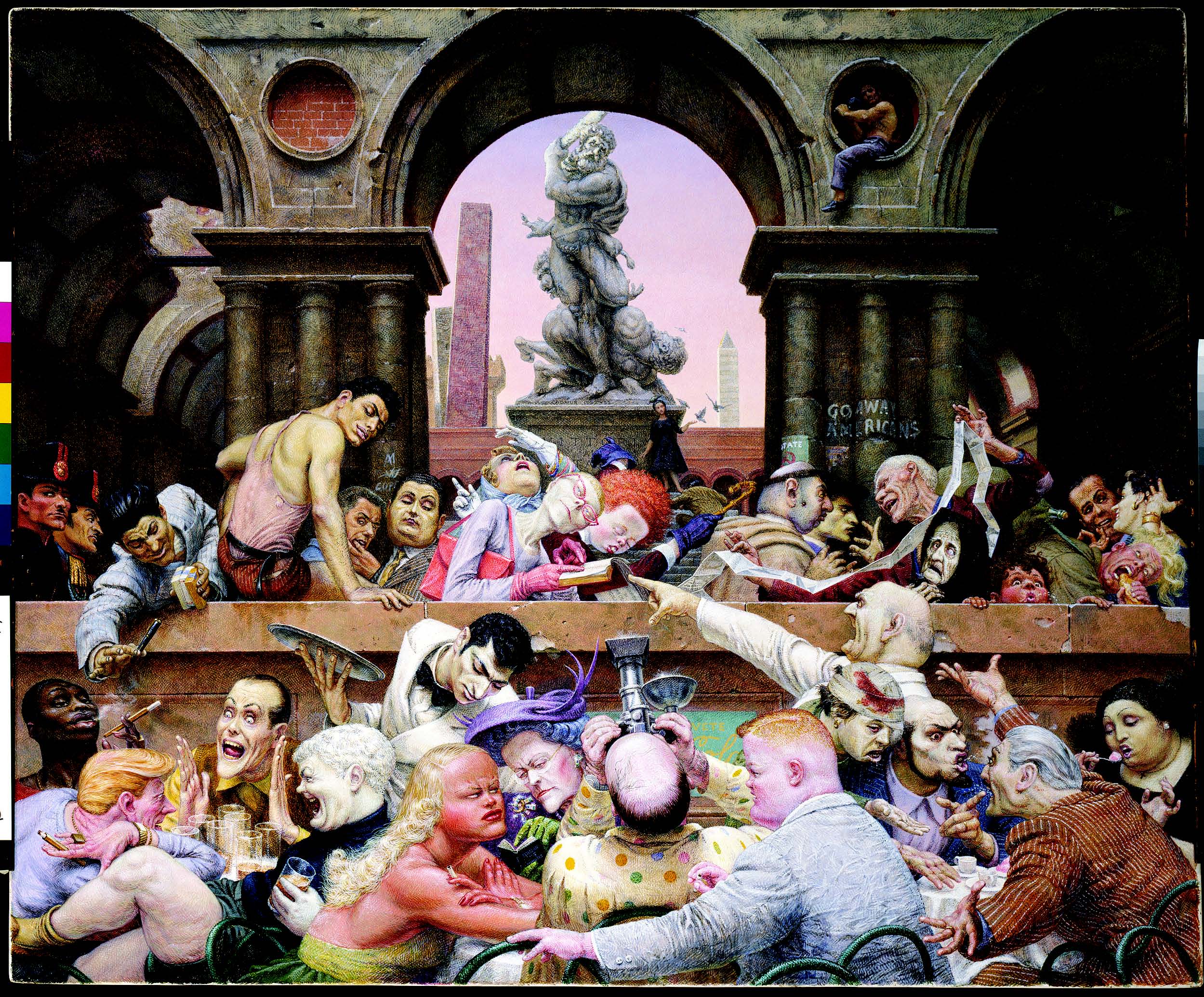
from The Magazine ANTIQUES, July/August 2012 | It is one of the platitudes of recent culture, certainly since the 1960s, that the function of art is to challenge and provoke the public and the powers that be. For the record, art does not need to be challenging: it needs to be good, although it occasionally attains both goals and more …
New Orleans landscape painting of the nineteenth century
By W. JOSEPH FULTON; from The Magazine ANTIQUE, August 1980. As in the rest of the United States, landscape painting as such seems to have received much slower acceptance in New Orleans than portrait painting; it was not really established here until the late 1860’s. We must speak with caution, however, since European artist-chroniclers accompanied expeditions to Louisiana …
The National Academy of Design
The National Academy of Design, Feb. 1980By Barbara Ball Buff When Philadelphia ceased to be the capital of the United States in 1800 artists who had been attracted to the city by the prospect of portrait commissions from public figures turned to the booming port of New York. There newly wealthy merchants eagerly sought to have their portraits painted and …
Sparkle Plenty
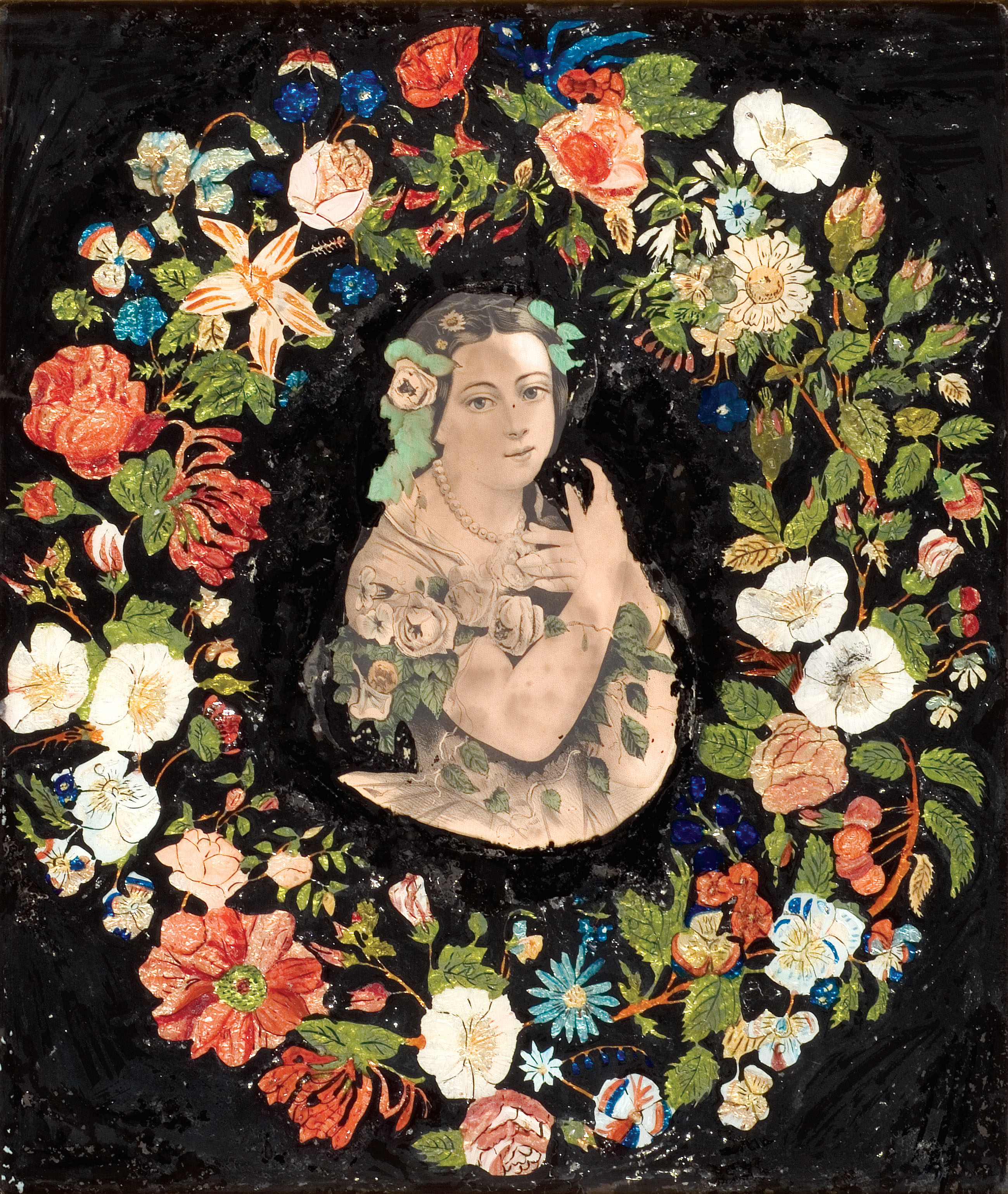
from The Magazine ANTIQUES, July/August 2012 | Tinsel paintings are reverse paintings on glass with crinkled, embossed, or smooth metallic foil applied behind translucent and unpainted areas. The effect is one of shimmering highlights when caught in the reflection of candle- or gaslight. The use of other reflective materials such as mother-of-pearl led to tinsel paintings sometimes being called Oriental, crystal, or …