from The Magazine ANTIQUES, September/October 2012 | The complementary relationship between Syrie Maugham and Cecil Beaton provides a remarkable record of the interplay between fashion, photography, and design in the years between the first and second World Wars. In The Glass of Fashion (1954), Beaton’s kaleidoscopic book of musings about the interconnected arts, he wrote: “When we talk about fashion …

Beyond moonlight and magnolias
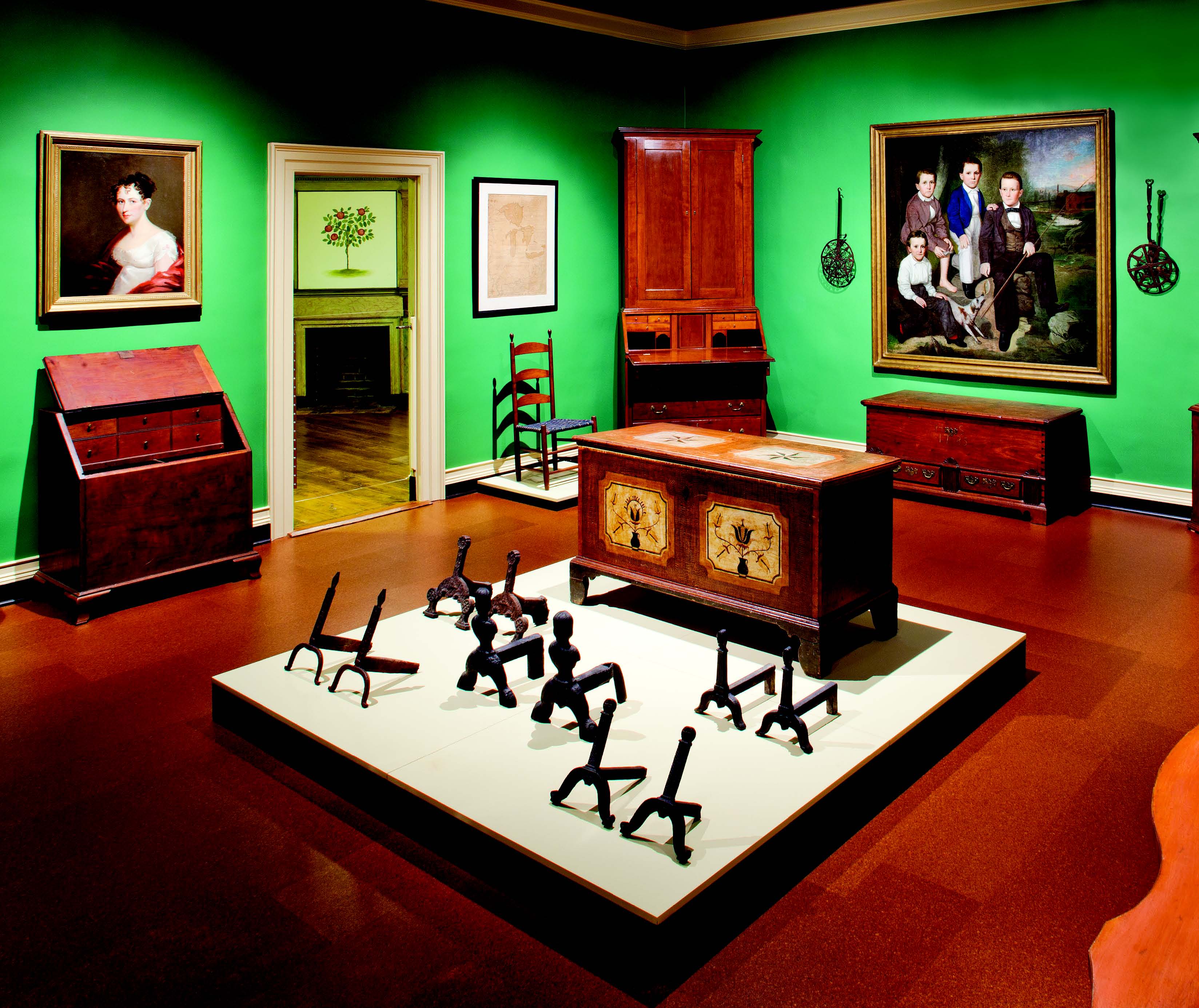
from The Magazine ANTIQUES, September/October 2012 | “When I met Frank Horton and saw the Museum of Early Southern Decorative Arts in 1976, I put down the Confederate flag and picked up a chair leg. How much better to see the South through its art, to understand its identity through its achievements rather than through the sacrifice of war. Here …
Mastering the old masters: Paul Cadmus
from The Magazine ANTIQUES, July/August 2012 | It is one of the platitudes of recent culture, certainly since the 1960s, that the function of art is to challenge and provoke the public and the powers that be. For the record, art does not need to be challenging: it needs to be good, although it occasionally attains both goals and more …
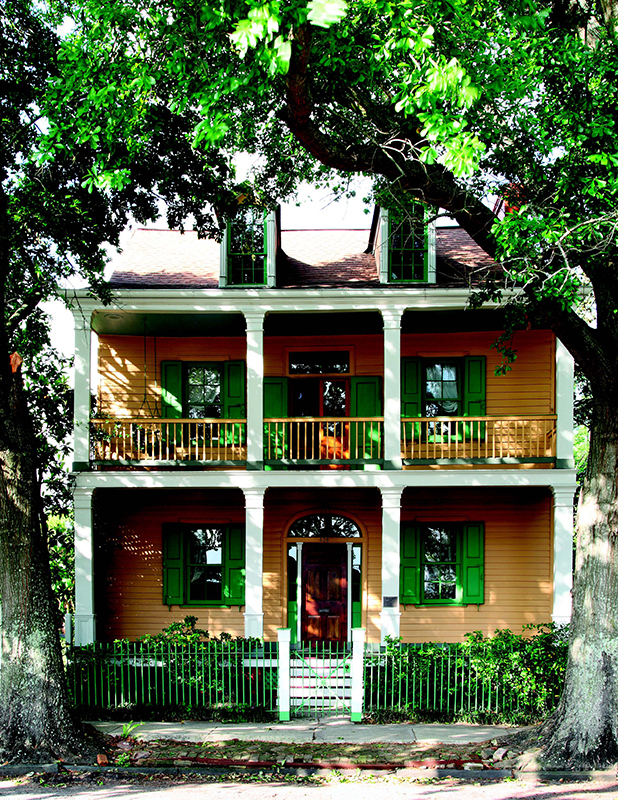
Right place, right time: The Grigson-Didier house in New Orleans
To understand the world of James Donald Didier you should pay attention to his silence
Winslow Homer’s The Life Line: A Narrative of gender and modernity
from The Magazine ANTIQUES, September/October 2012 | Bringing a suspenseful story of danger and heroic rescue to an audience that never seems to tire of courageous knights and fainting maidens, Winslow Homer’s The Life Line (Fig.1) has been popular since the day it was completed in 1884. Homer’s themes of human frailty, bravery, and romance in the context of the overwhelming power …
Editor’s Letter, September/October 2012
Our country’s regional wars may be over, but in the 1960s when the Museum of Early Southern Decorative Arts (MESDA) began, they were very much alive. Southern writers for instance were still working through the story of loss while northerners remained dubious about the value of southern culture. MESDA took a different path. The idea that the South did not …
MESDA and the Study of Early Southern Decorative Arts
It has become almost a folk legend among decorative arts scholars: the story of Joseph Downs (1895 – 1954), then curator of the American Wing of the Metropolitan Museum of Art in New York City, announcing at the 1949 Williamsburg Antiques Forum that “little of artistic merit was made south of Baltimore.”1 The comment prompted an offended woman from Kentucky …
Living with antiques, Beauregard House, a New Orleans “raised cottageâ€
By FRANCES PARKINSON KEYES; from The Magazine ANTIQUES, August 1980. I had not the slightest idea when I started, rather desperately, to look for a small apartment in New Orleans where I could spend a few days every month for a year or two, that I would end up with a main house containing twelve rooms; slave quarters containing six …
New Orleans landscape painting of the nineteenth century
By W. JOSEPH FULTON; from The Magazine ANTIQUE, August 1980. As in the rest of the United States, landscape painting as such seems to have received much slower acceptance in New Orleans than portrait painting; it was not really established here until the late 1860’s. We must speak with caution, however, since European artist-chroniclers accompanied expeditions to Louisiana …
The National Academy of Design
The National Academy of Design, Feb. 1980By Barbara Ball Buff When Philadelphia ceased to be the capital of the United States in 1800 artists who had been attracted to the city by the prospect of portrait commissions from public figures turned to the booming port of New York. There newly wealthy merchants eagerly sought to have their portraits painted and …