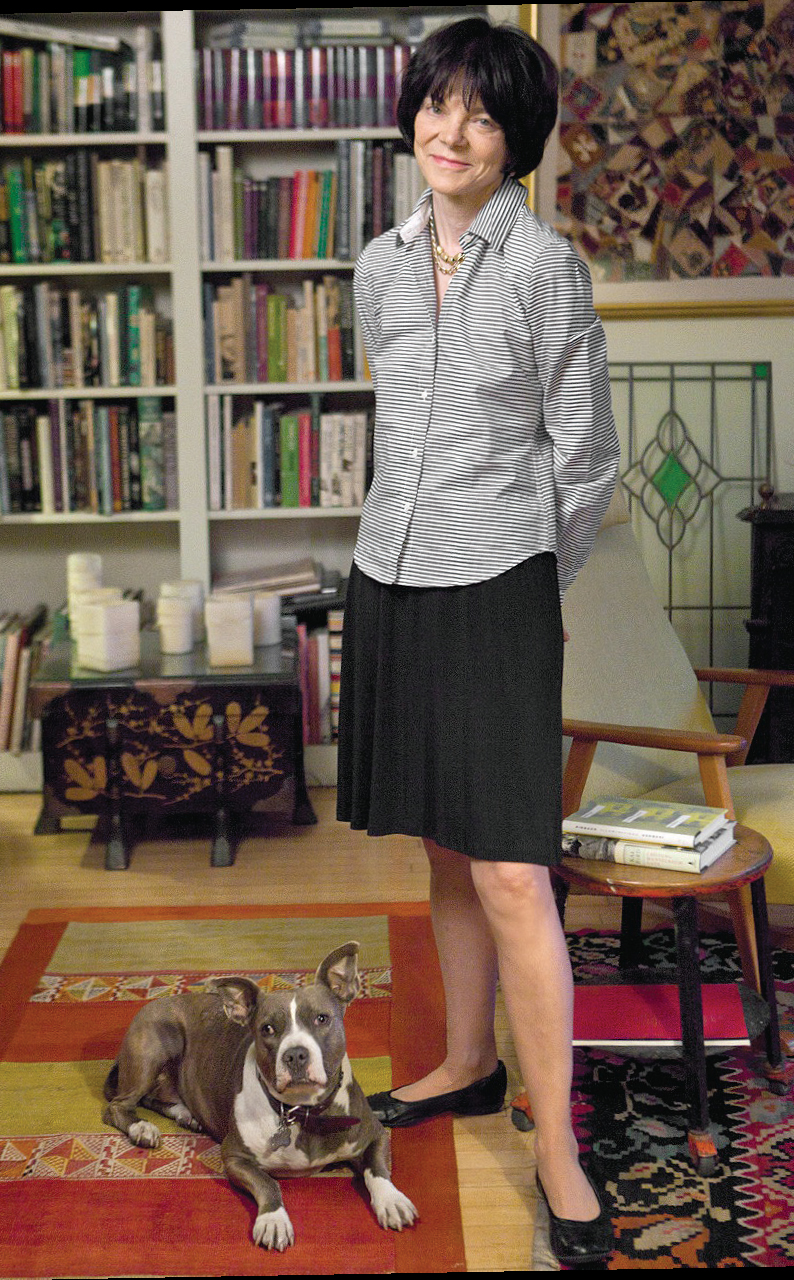
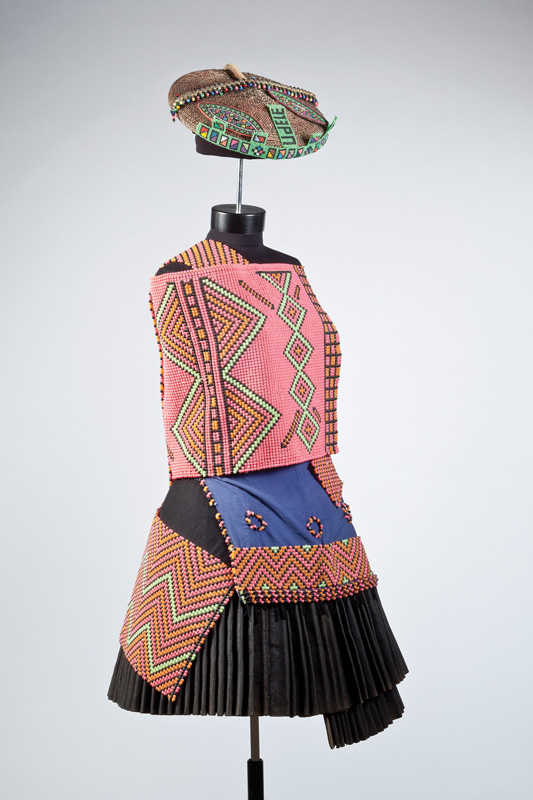
In a better world we would all be thronging the doors of the Newark Museum; in the best of worlds Ulysses Grant Dietz would be there to meet us, taking us through the galleries with fellow curators Christa Clarke and Katherine Anne Paul. But this is Newark-not a destination for many out-of-town museumgoers (though it should be), so Ulysses Dietz …
Farther afield: London’s leather alchemist: Gavin Rookledge, Rooks Books
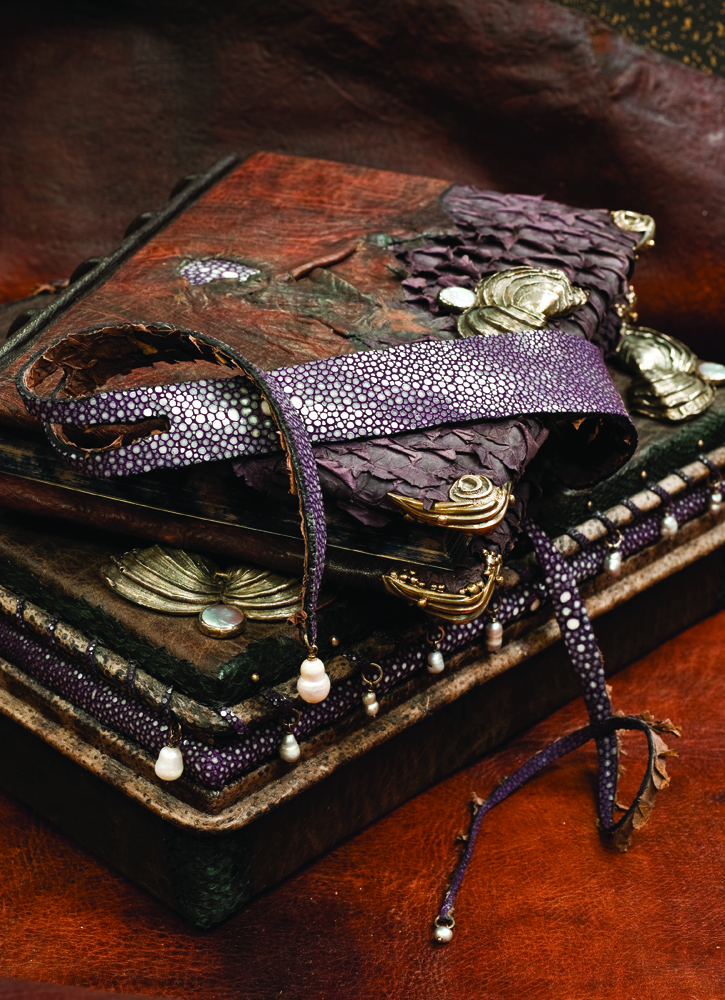
Rooks Books produces books (and other leather-wrapped objects) that have a tactile, physical presence while exuding a sense of otherworldly mystery. One might expect to find such volumes in the hands of Gandalf or on the walls of the library at Hogwarts. Each uniquely created binding, made from a vast variety of leathers and other natural skins, seems to say, …
More than a treasure box
The Carnegie mansion is still home to what was once known as the Cooper-Hewitt National Design Museum, an outpost of the Smithsonian that has now banished its hyphen, flung open its doors, and reinvented itself as a twenty-first-century digitally enhanced experience.
In praise of ornament
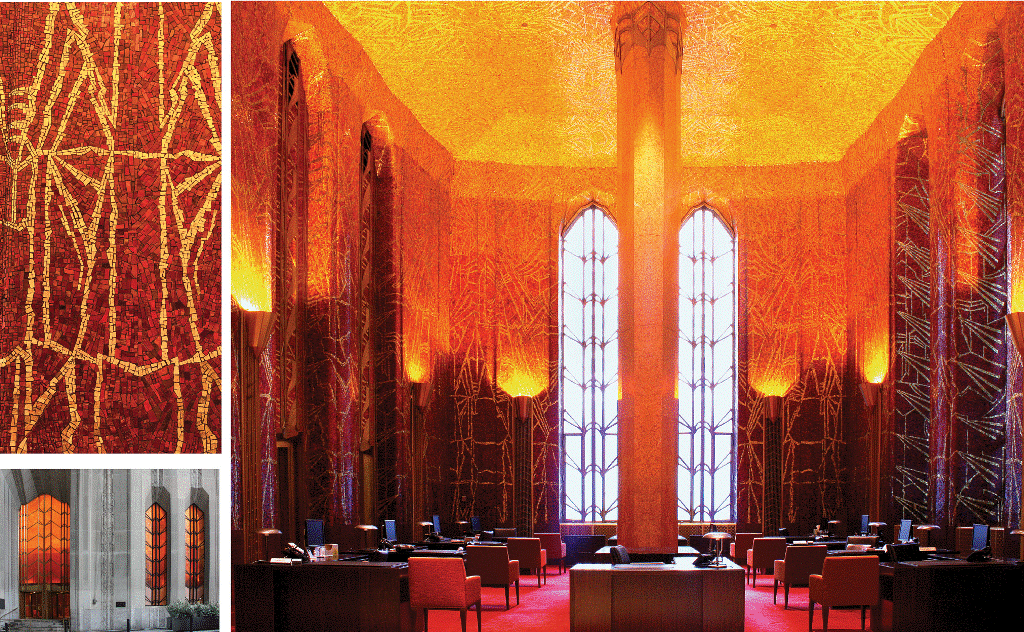
For thousands of years, from the time of the Parthenon and the cathedrals of France down to the onset of World War II, the marriage of art and public architecture was hallowed and inviolable. Not to adorn a floor with parquetry, a wall with reliefs, or an apse or ceiling with frescoes and mosaics would have seemed a mark of …
Thomas Cole’s Hat
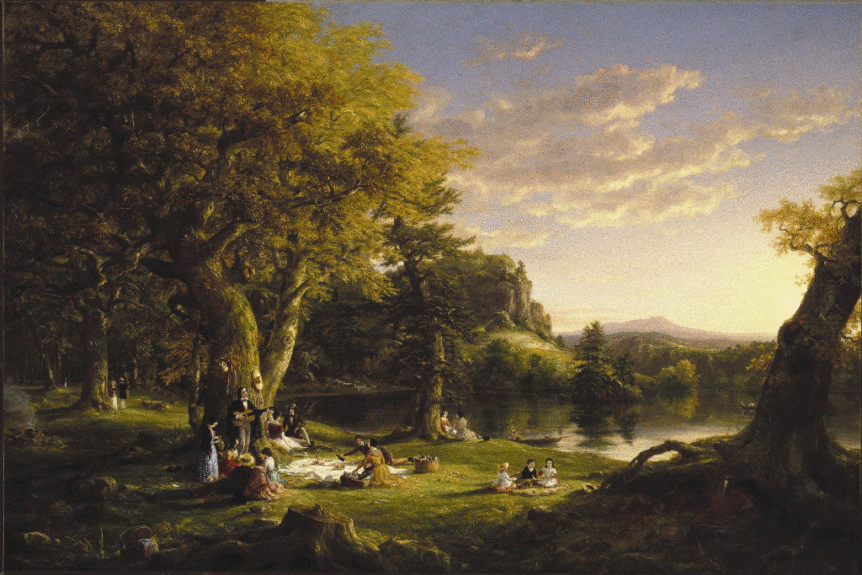
Thomas Cole’s hat, on view at Cedar Grove, the Thomas Cole National Historic Site, in Catskill, New York, prompts a deceptively simple question. What is it to be an artist? The more we think of that question the more difficult and maybe unanswerable it becomes. Thomas Cole’s hat and carrying case, nineteenth century. Labeled “WATKINS, 128 FULTON STREET, Sun Building, …
George Caleb Bingham: A landscape discovery
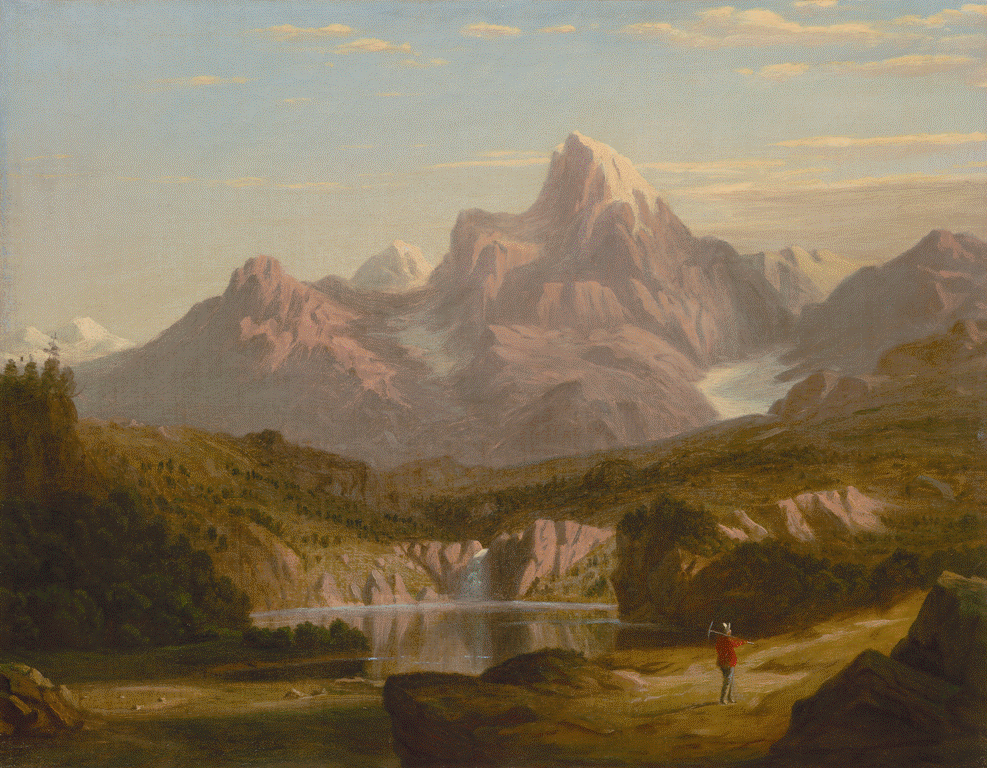
Fewer than half the recorded landscapes in E. Maurice Bloch’s catalogue raisonné of the paintings of George Caleb Bingham have been located, making the discovery of the unre¬corded painting in Figure 1 especially noteworthy.1 The painting is in excellent condition, evidently having never been removed from its original frame while in the possession of descendants of a sibling of Bingham’s …
The Natural: Bill Rauhauser
For seven decades Bill Rauhauser has photographed his native Detroit, producing an extraordinary corpus of street scenes that has only come to light in the past few years. He earned his living as an engineer and later as a teacher of photographic history, rarely selling work and exhibiting only sporadically. Now ninety-six, he is finally beginning to get the recognition …
Cartier in Denver
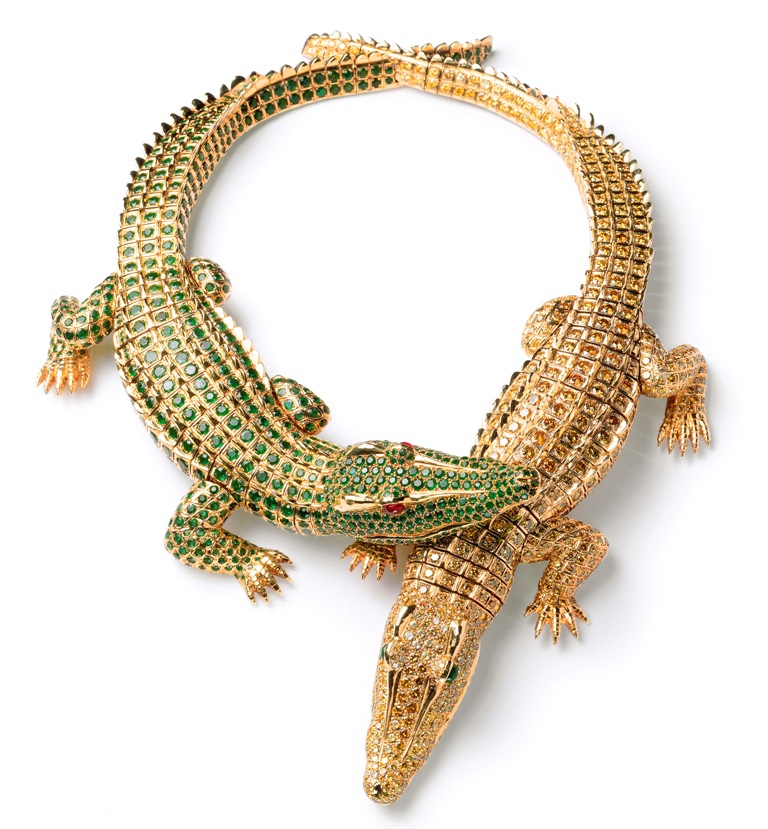
In Brilliant: Cartier in the 20th Century the Denver Art Museum has taken a seventy-five-year slice (1900-1975) from the illustrious firm’s 160-plus-year history and illuminated a central paradox of great jewelry: greatness depends upon designs that capture a keen sense of the zeitgeist but do so with enough sheer awesomeness to stand far above it. And so, the exhibition’s vitrines …
Editor’s letter, November/December 2014
In the nineteenth century there was an oft-repeated tale about the young Thomas Coleentering New York from the far reaches of rural Pennsylvania and being met with hosannasfrom the city’s artists. Like most oft-told tales this one turned fact toward myth (to beginwith, Cole had arrived from nowhere more obscure than Philadelphia), and yet it suggests somethingintriguing and durable about …
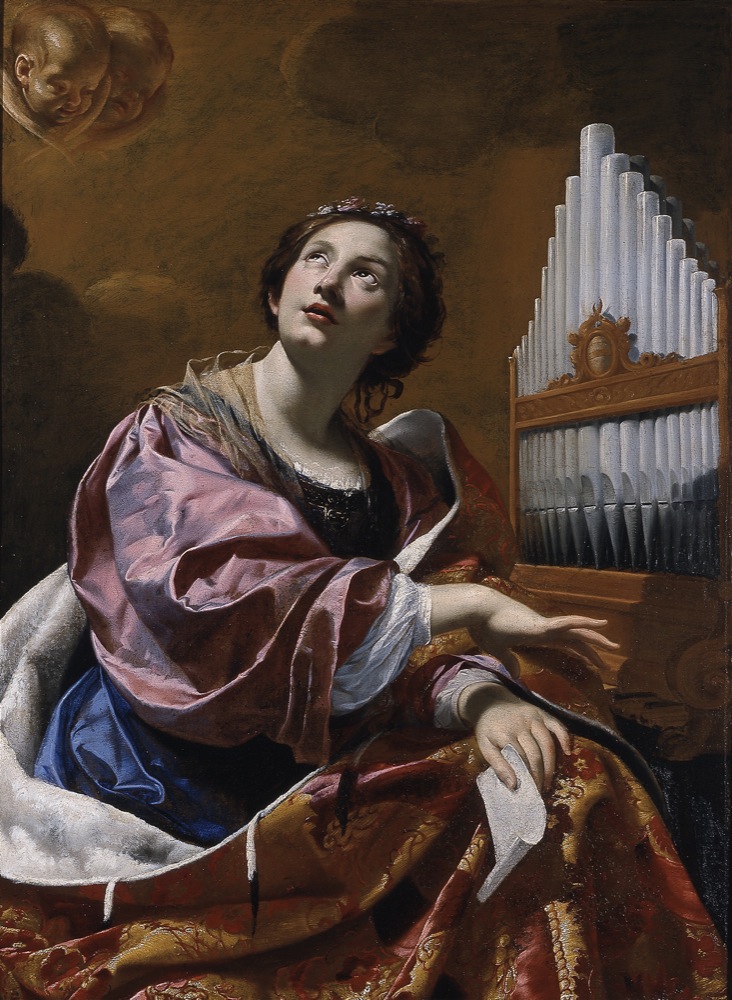
Suida-Manning Collection at the Blanton Museum
For art lovers, the most interesting thing in Austin, Texas, is not the LBJ Presidential Library or the grandiose State House–impressive as both of them are–but the Jack S. Blanton Museum of Art on the campus of the University of Texas. A fine example of a university or college museum, it has strong collections of American and Latin American art, …