Meet the Altamiras at the Met

Editorial StaffArt

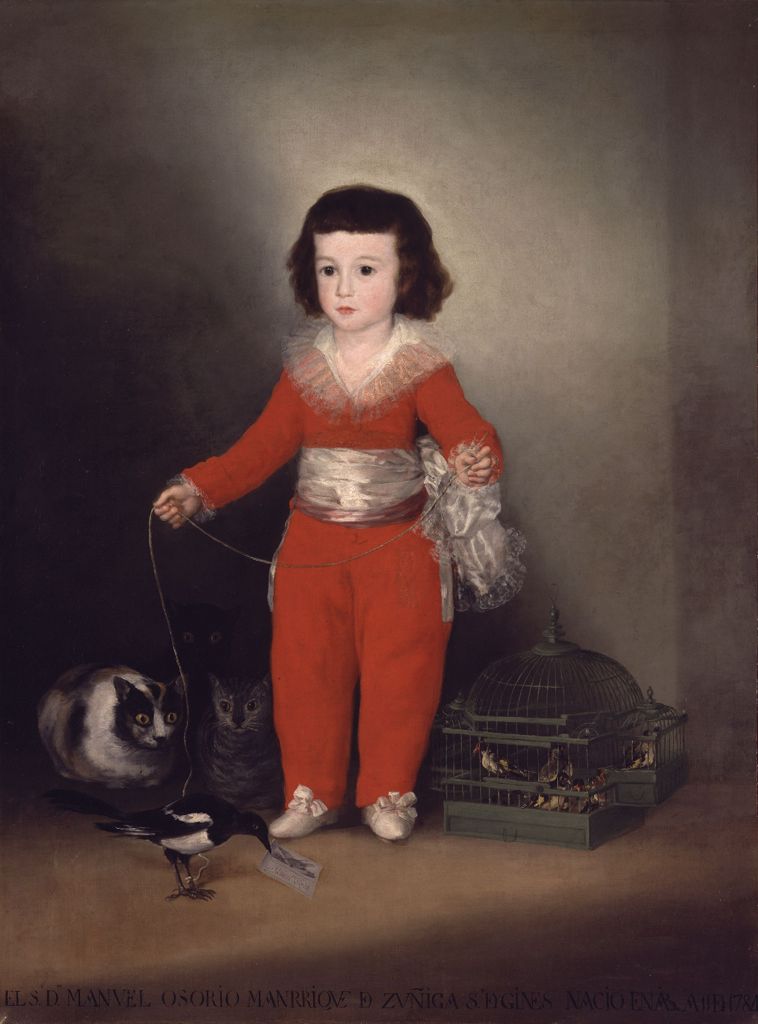
Go to the Metropolitan and meet the Altamiras, one of the richest and most illustrious families of 18th Century Spain. Four of Goya’s portraits of the family are assembled in one place for the first time in a century and a half. So illustrious was the family that the father, Vicente Joaquín Osorio Moscoso y Guzmán, 12th Conde de Altamira, …
Object of devotion at MOBiA

Editorial StaffArt

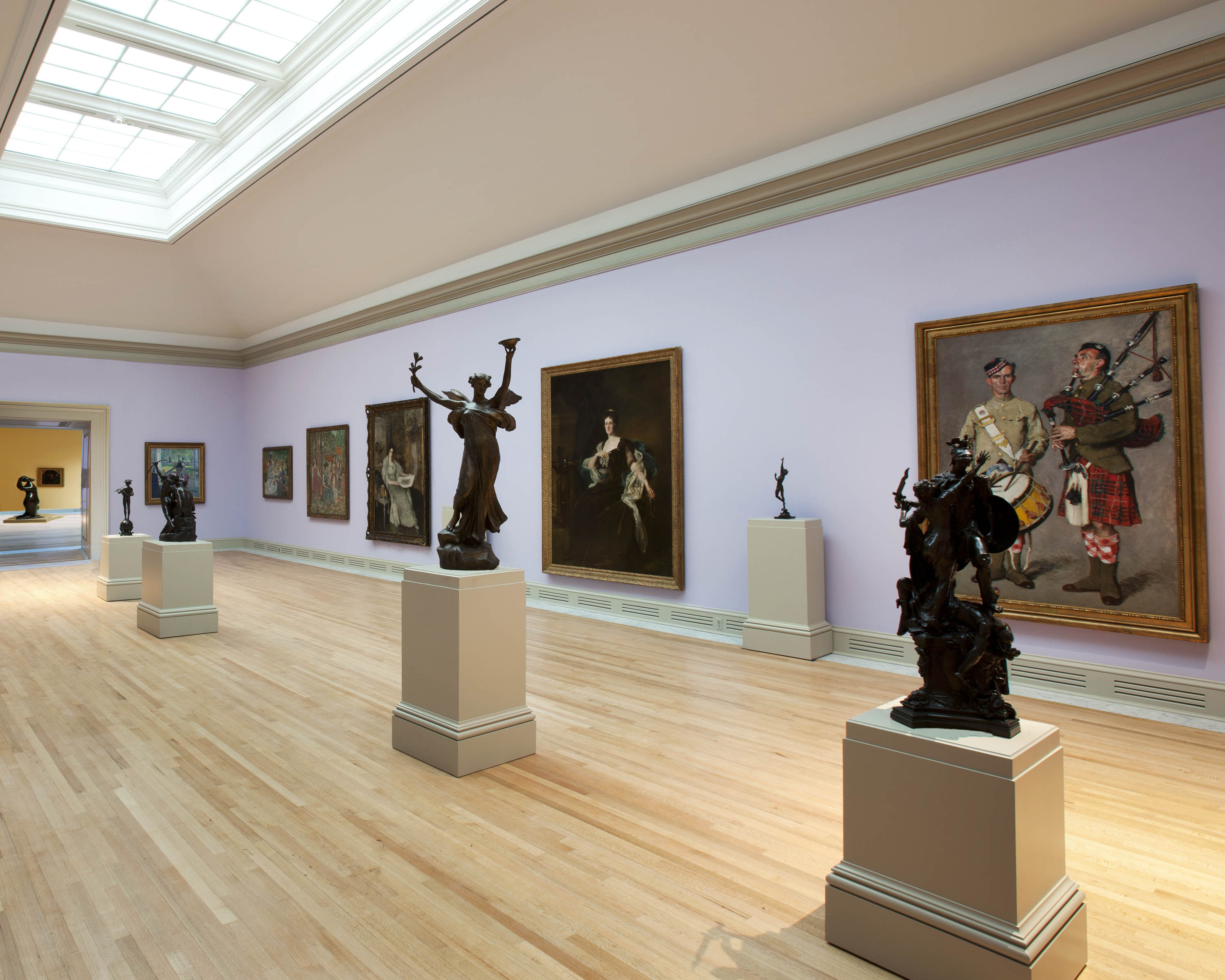
It was big news in the museum world when the New York Times reported that a rare exhibition of Donatello, considered by some to be the finest sculptor of the Renaissance, was coming to New York City. But the venue for Sculpture in the Age of Donatello: Renaissance Masterpieces From Florence Cathedral (on view from February 20 through June 14, …

New collector: Botanical prints

Editorial StaffArt

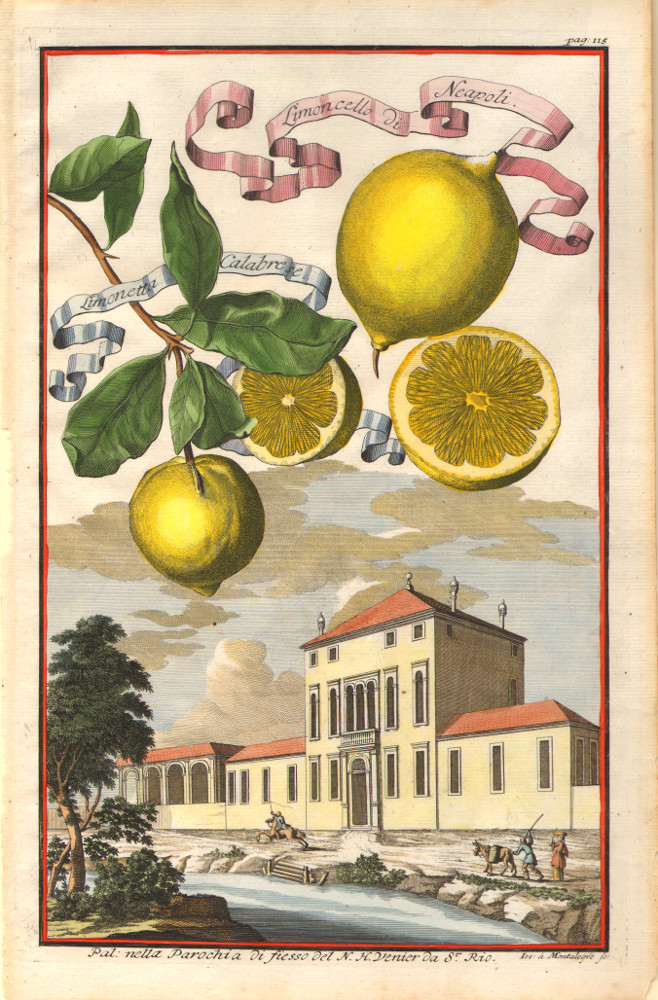
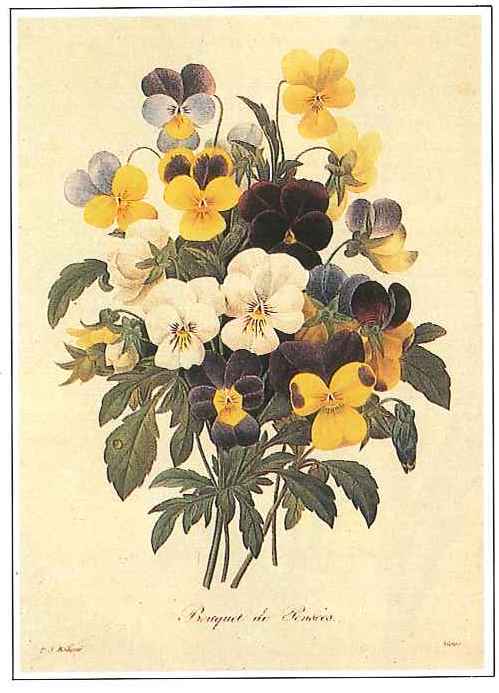
Although the earliest surviving illustrated botanical manuscript dates from AD 512-the Vienna Dioscurides, a copy of the important medical treatise by the first-century Greek physician and herbalist Pedanius Dioscurides-botanical illustration as a distinctive artistic genre developed in the fifteenth century with the rise of illustrated herbals, manuscripts explaining the medicinal and culinary uses of plants and flowers. After all, in …

Touching nature

Editorial StaffExhibitions

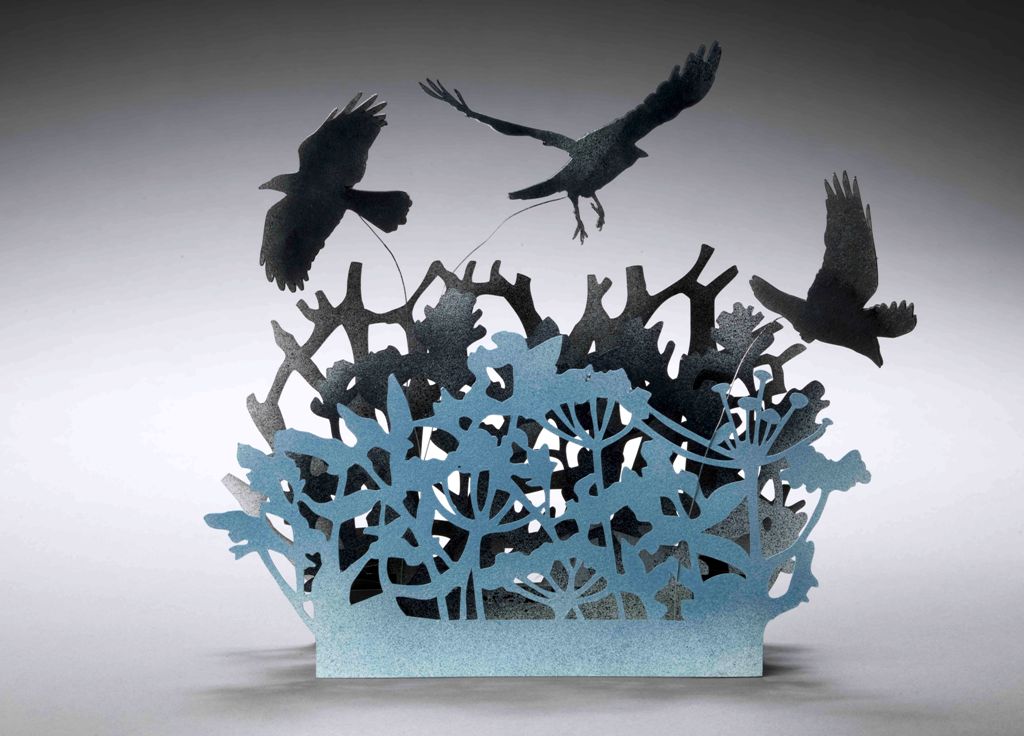
Originally published in May/June 2014 If traversing a well-curated exhibition can be compared to strolling through a beau­tifully tended garden or park, it is entirely appropriate that a show devoted to close looking at nature should take the idea of a nature walk as its guiding metaphor. “Of Green Leaf, Bird and Flower”: Artists’ Books and the Natural World, opening …

Crossing borders, ignoring boundaries

Editorial StaffArt

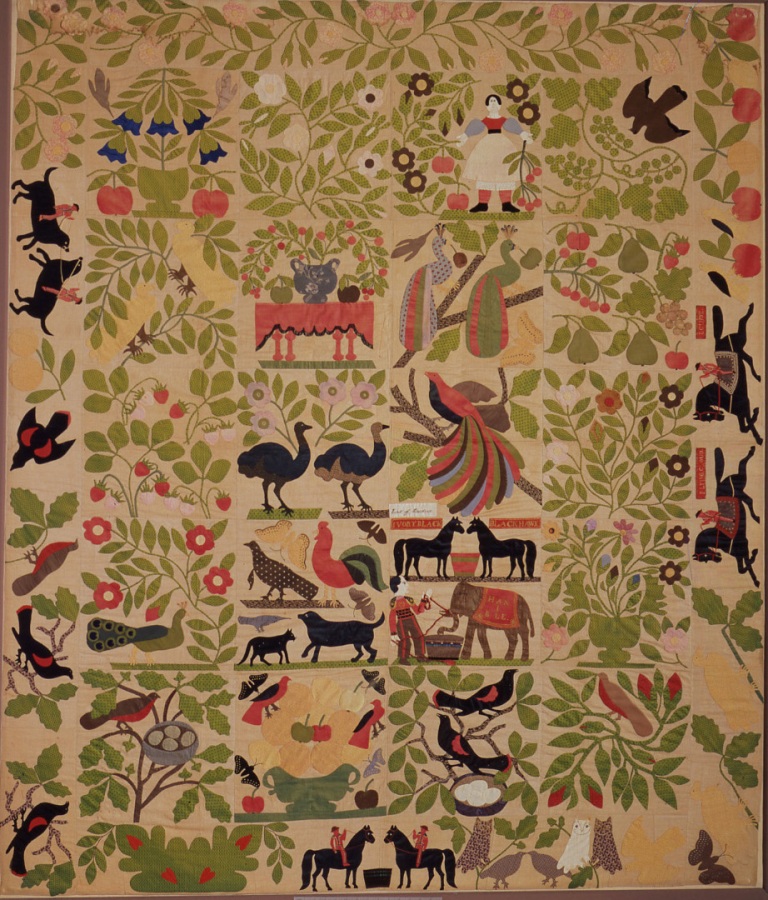
Originally published in March/April 2014 For the past few years, while much of the art world has been gnashing its teeth over the fate of the American Folk Art Museum’s former home in midtown Manhattan, the institution itself has continued to pursue its critical work of shaping the discourse in the field. Since decamping in 2011 from the soon-to-be-demolished Tod …

Editor’s letter, March/April 2014

Editorial StaffOpinion

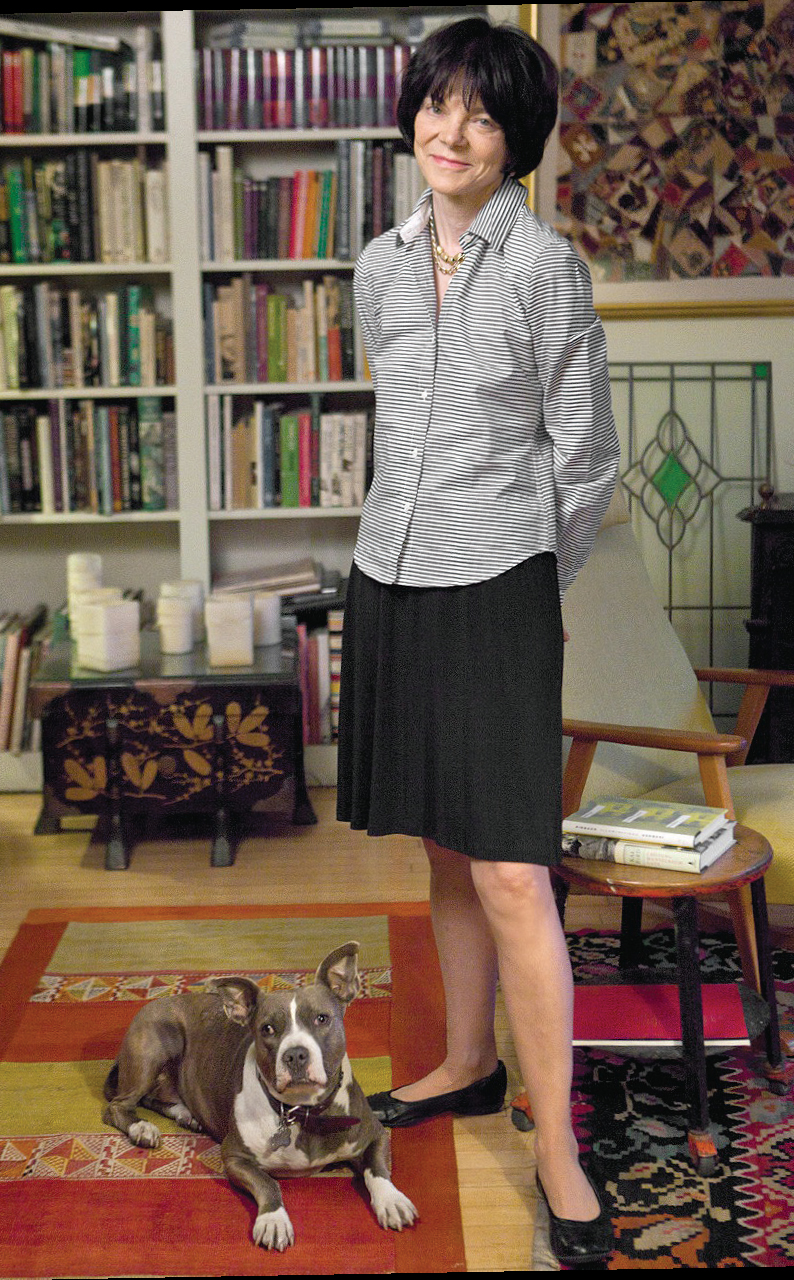
The photographs by Charles Marville in this issue and on view at the Metropolitan Museum of Art strike me as an important early chapter in the story of our modern lives. Marville’s job was to photograph Paris before and after Baron Haussmann erased its centuries old densely wound streets, replac­ing them with the broad new avenues and alluring vistas that …

Chrysler Museum reopens

Editorial StaffArt

Visitors approaching the grand front entrance of Norfolk, Virginia’s Chrysler Museum of Art on its reopening on May 10 could be forgiven for not realizing that a major transformation has taken place. So seamlessly have the flanking wings been enlarged and the gardens in front of them so surreptitious­ly moved forward that it is on­ly when inside that the impact …

Current and coming: Charles James at the Met

Editorial StaffExhibitions

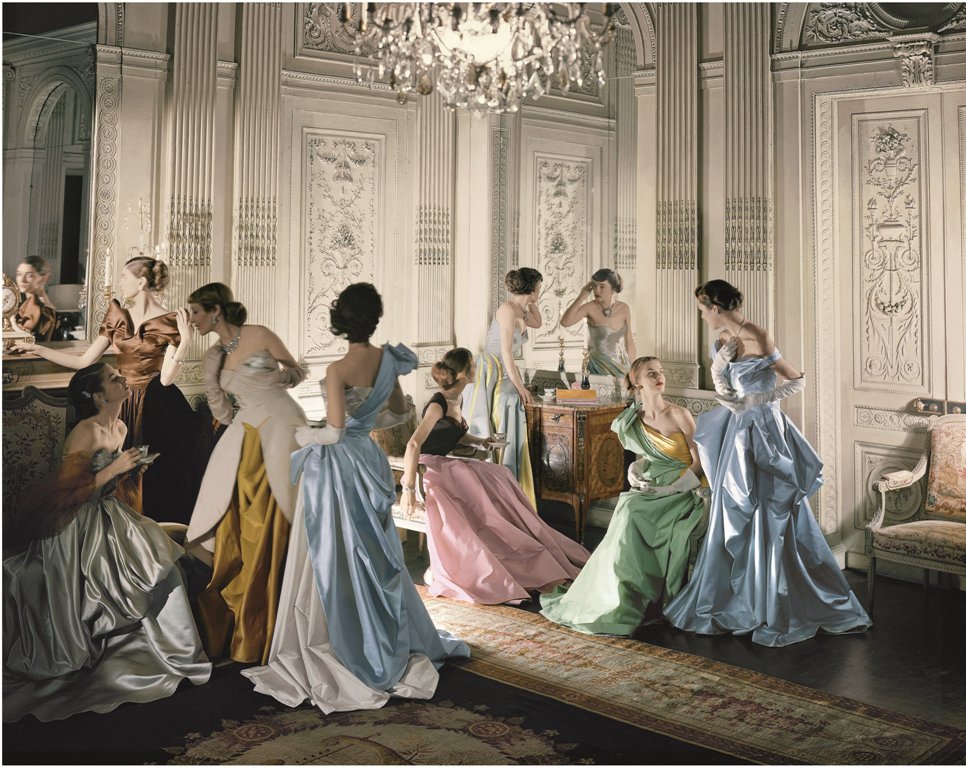
The subtitle of the Met’s Charles James exhibition, “Beyond Fashion,” is suitably vague, hint­ing at an exalted realm where even the most extrava­gant fashion su­perlatives will be inadequate. Then, too, the phrase is meant to suggest that what lies beyond fashion must inevitably be art. Certainly James’s designs have been so described almost from his first decade as a couturier …

Chinese botanical paintings for the export market

Editorial StaffArt

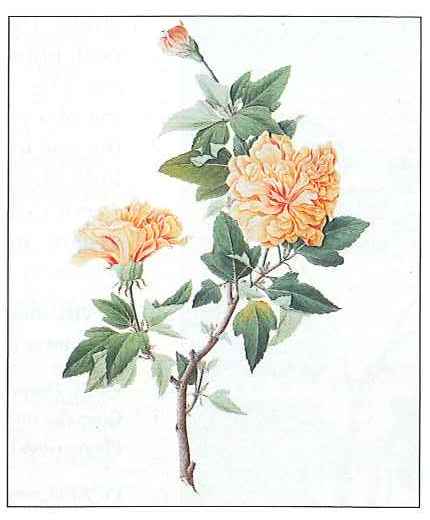
By Karina H. Corrigan; from The Magazine ANTIQUES, June 2004. A single stem of chrysanthemum explodes off the page shown in Plate I. This exquisite Chinese export painting was executed abut 1823, two years after this variety of chrysanthemum, the so-called quilled orange, had been introduced into English gardens.1 Chinese plants were first brought to Europe in the late seventeenth century, but …

Patronage and the publication of botanical illustration

Editorial StaffArt

 By Bernadette G. Callery; from The Magazine ANTIQUES, August 1989. Modern collections of botanical illustrations are treaty indebted to the patrons of the past, whose leisured curiosity and horticultural acquisitiveness enabled them to accumulate various “vegetable rarities,” and then to have those plants recorded in drawings or paintings from which published illustrations were prepared. Many of the surviving florilegia, or collections of …