The life and jewelry of Gustav Manz

Editorial StaffArt

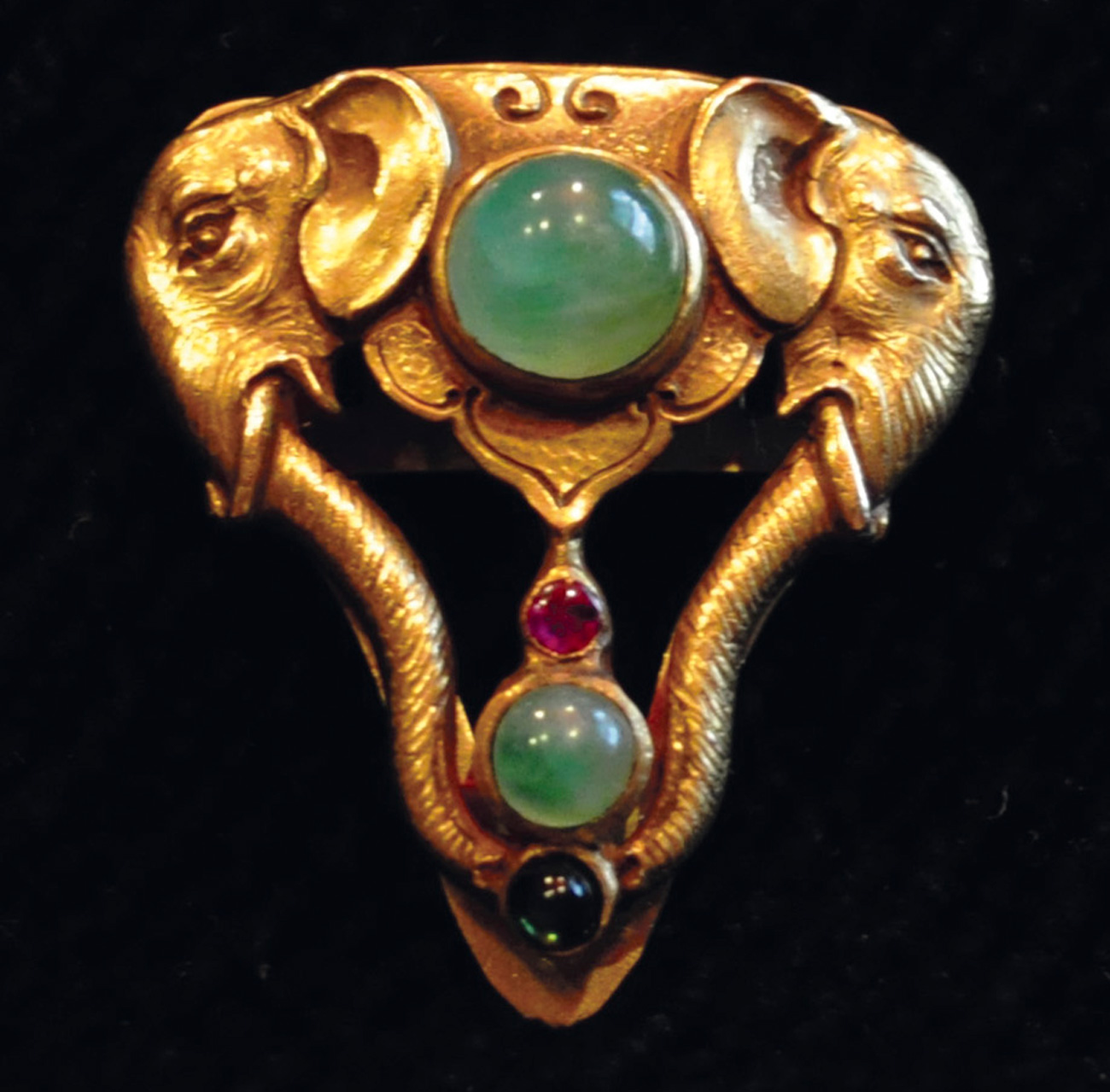
Fig. 1. Collage of drawings from a scrapbook of jewelry designs by Gustav Manz, c. 1910–1920. The scrapbook remains in Manz’s family. Collection of the Mathews family. Fig. 2. Gustav Manz (1865-1946) in his studio in a photograph of c. 1935. Collection of Robert Gustav Eastman.   Fig. 3. Bracelet attributed to Manz, c. 1925. Yellow gold with colored sapphires …
Mississippi Rococo

Editorial StaffFurniture & Decorative Arts

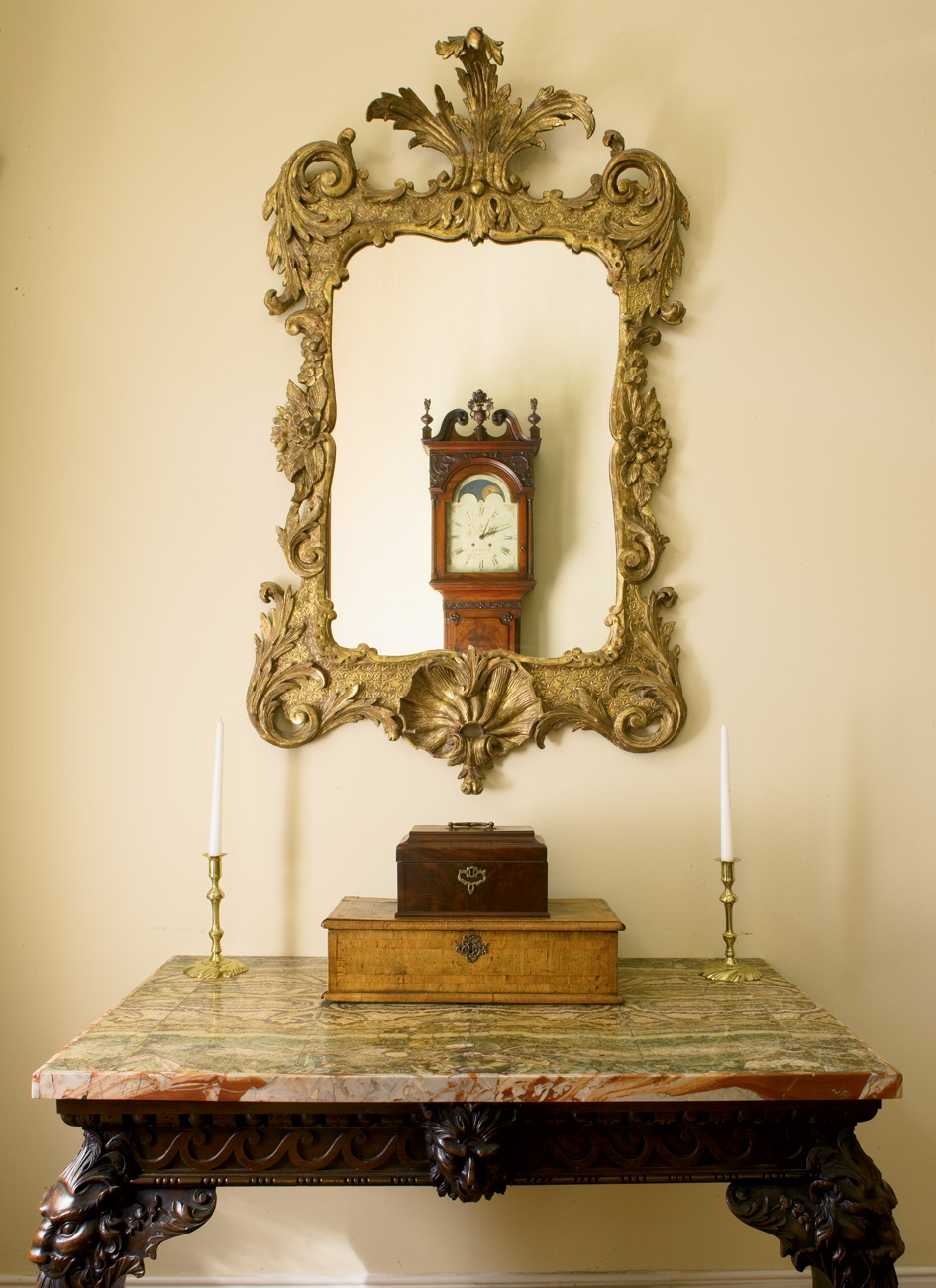
It is rare when objects of a similar age but widely different origins arrive in an unfamiliar location and settle in happily together. It isperhaps even more unexpected to find an intercontinental mix of furnishings from mid-eighteenth-century Ireland, England, and the United States in Natchez, Mississippi. Although it has been ruled under five international flags, Natchez is most closely associated …

Aschermanns

Editorial StaffArt

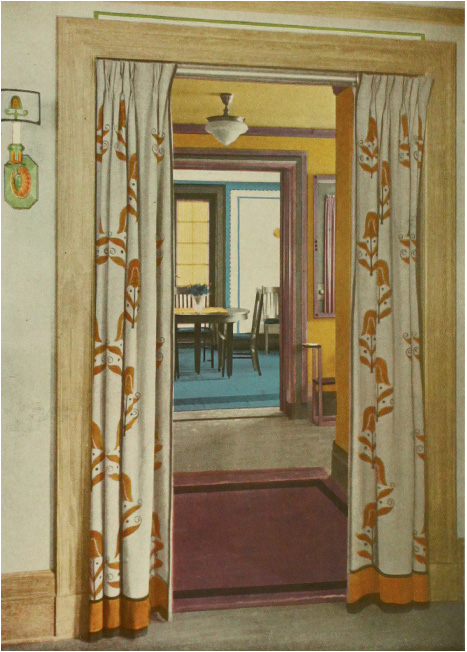
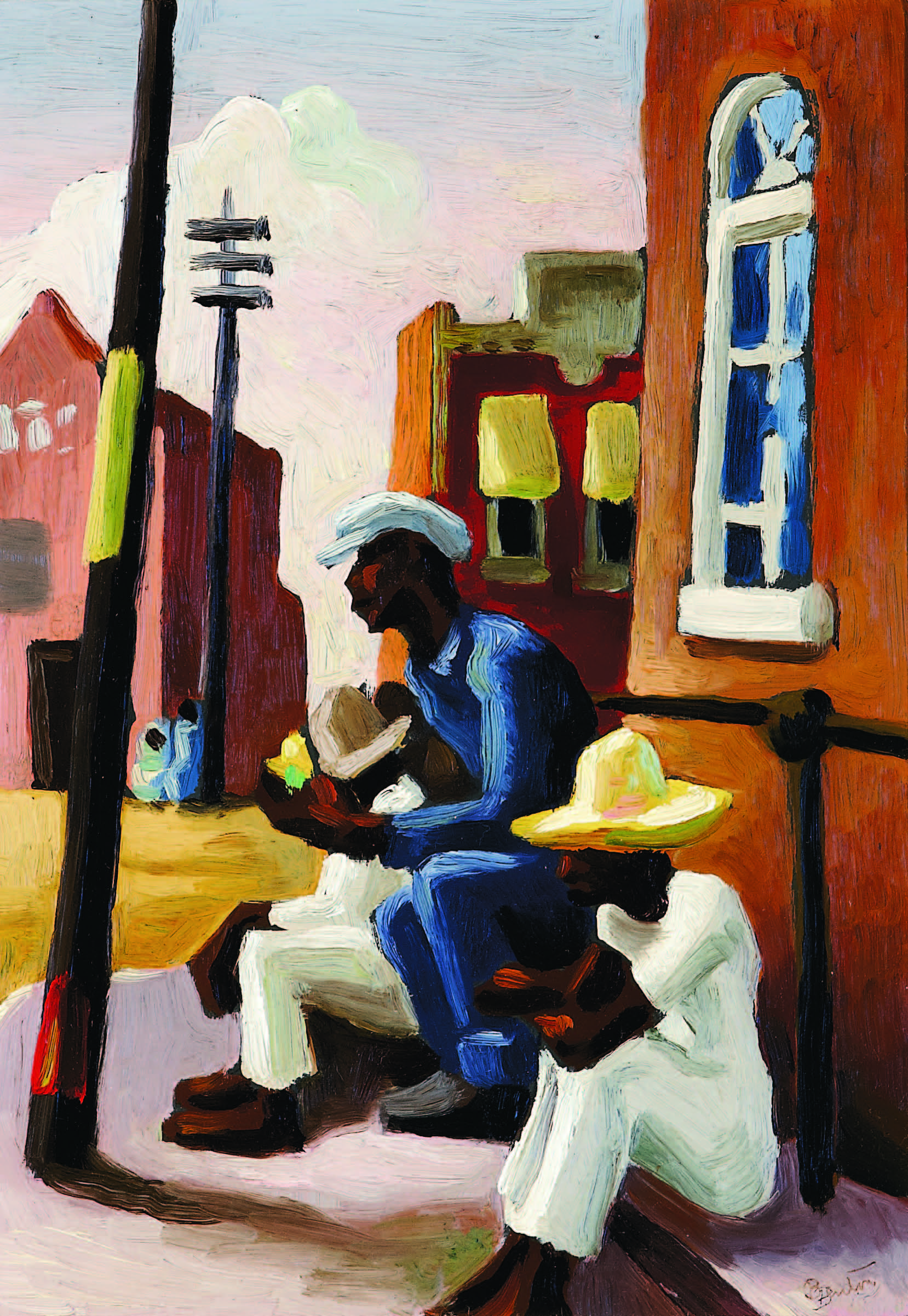
from The Magazine ANTIQUES, January/February 2011 | The story of the rise of modern American design has long been told in the same way: first came the arts and crafts movement from Britain and art nouveau from the Continent in the 1890s. Then, in the mid-1920s, spurred by the Paris exposition internationale des arts décoratifs et industriels modernes, Americans embraced …

American Porcelain Teabowl

Editorial StaffArt

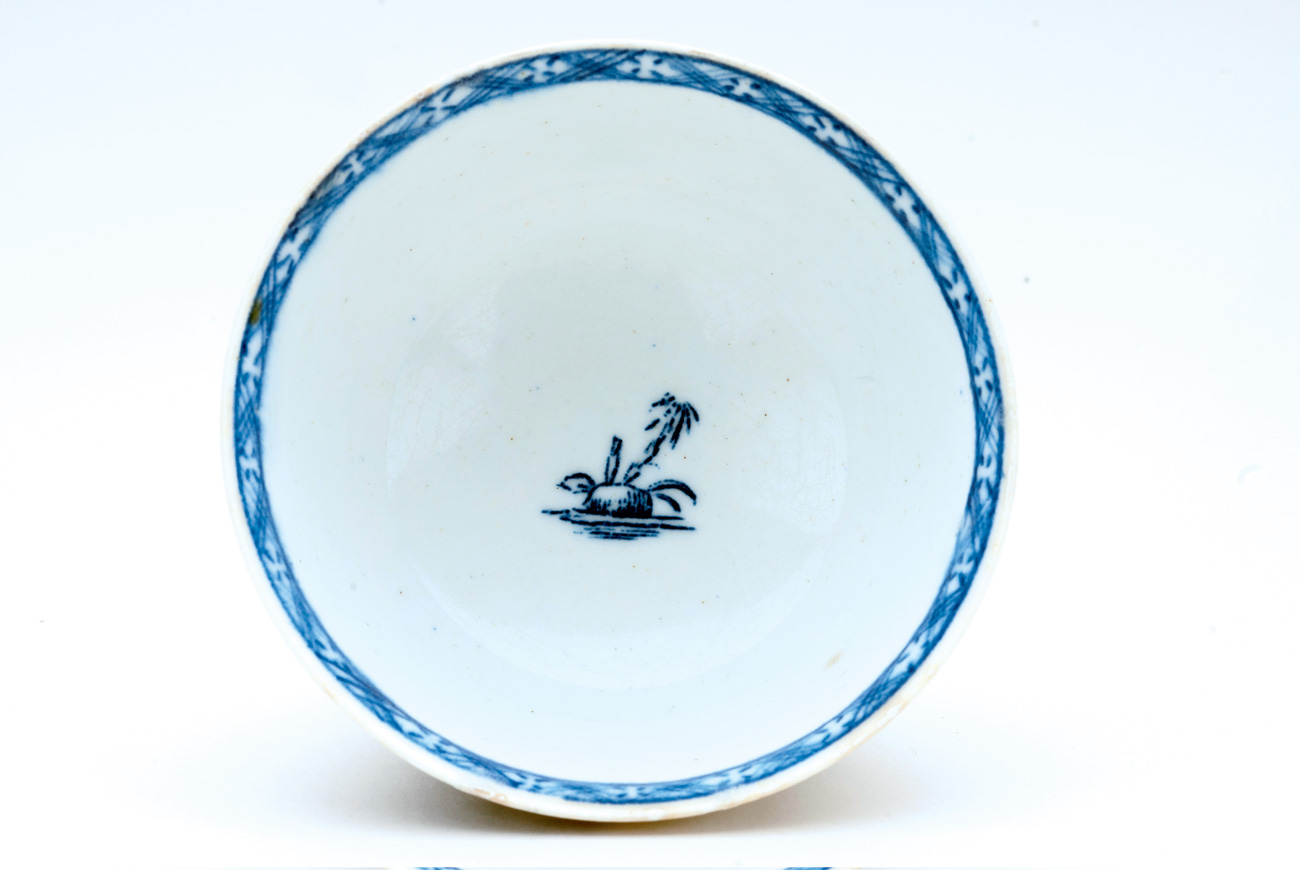
from The Magazine ANTIQUES, January/February 2011 | Students of American ceramic history have special reverence for the story of domestically made eighteenth-century porcelain. This tale begins with Andrew Duché’s dis­­covery of “Carolina Clay” in the 1730s and his purported experimental production in Charleston, South Carolina, though no physical evidence of his endeavors has ever come to light.  Meanwhile, some nineteen …

Eugene Von Bruenchenhein

Editorial StaffExhibitions

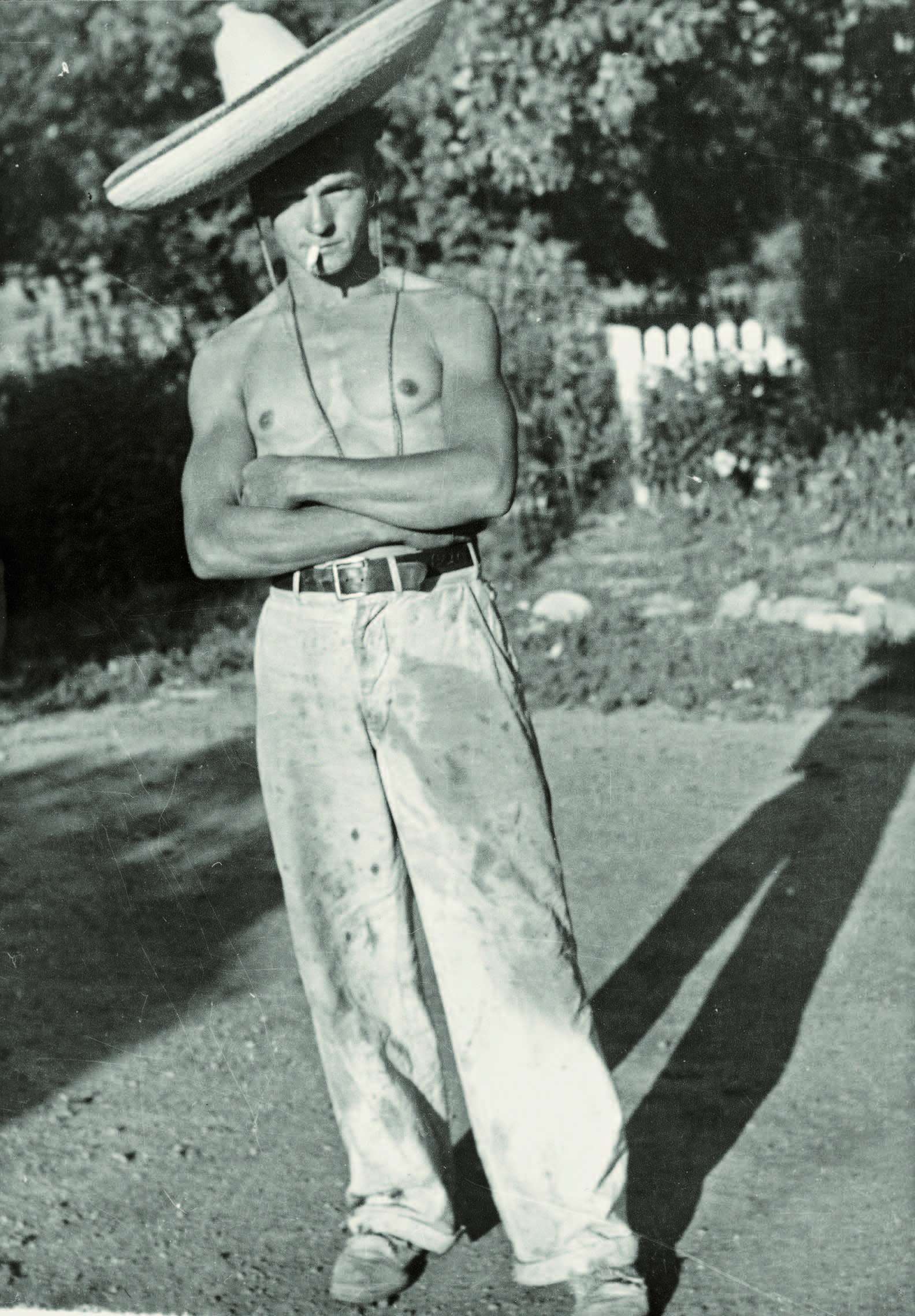
We are certainly entitled to call Eugene Von Bruenchenhein an outsider artist, but he himself would not have seen it that way. Yes, he was self-taught and impoverished and surely he felt deeply alienated from the society that surrounded him. But you could say as much for many another artist who achieved success over the past century. As for Von …

The Intrepid Helen Messinger Murdoch

Editorial StaffOpinion

My interest in Helen Messinger Murdoch began almost three decades ago during my early years as the curator of the Royal Photographic Society in Bath, England. It was there that I fell in love with autochromes—beautiful, translucent, early color images on glass resembling miniature stained-glass windows. There were several thousand autochromes in the society’s collection, among them some glorious examples …

Dearly Beloved

Editorial StaffArt

After the sixty-one paintings—a collection assembled over thirty-four years—had been professionally wrapped, loaded onto a truck, and driven north from Florida, John H. Surovek contemplated living without his collection while it made an eighteen-month circuit, first to the museum at Ball State University, Surovek’s alma mater in Muncie, Indiana, then to four other small museums around the country. A week …

Uncompromising Truth

Editorial StaffExhibitions

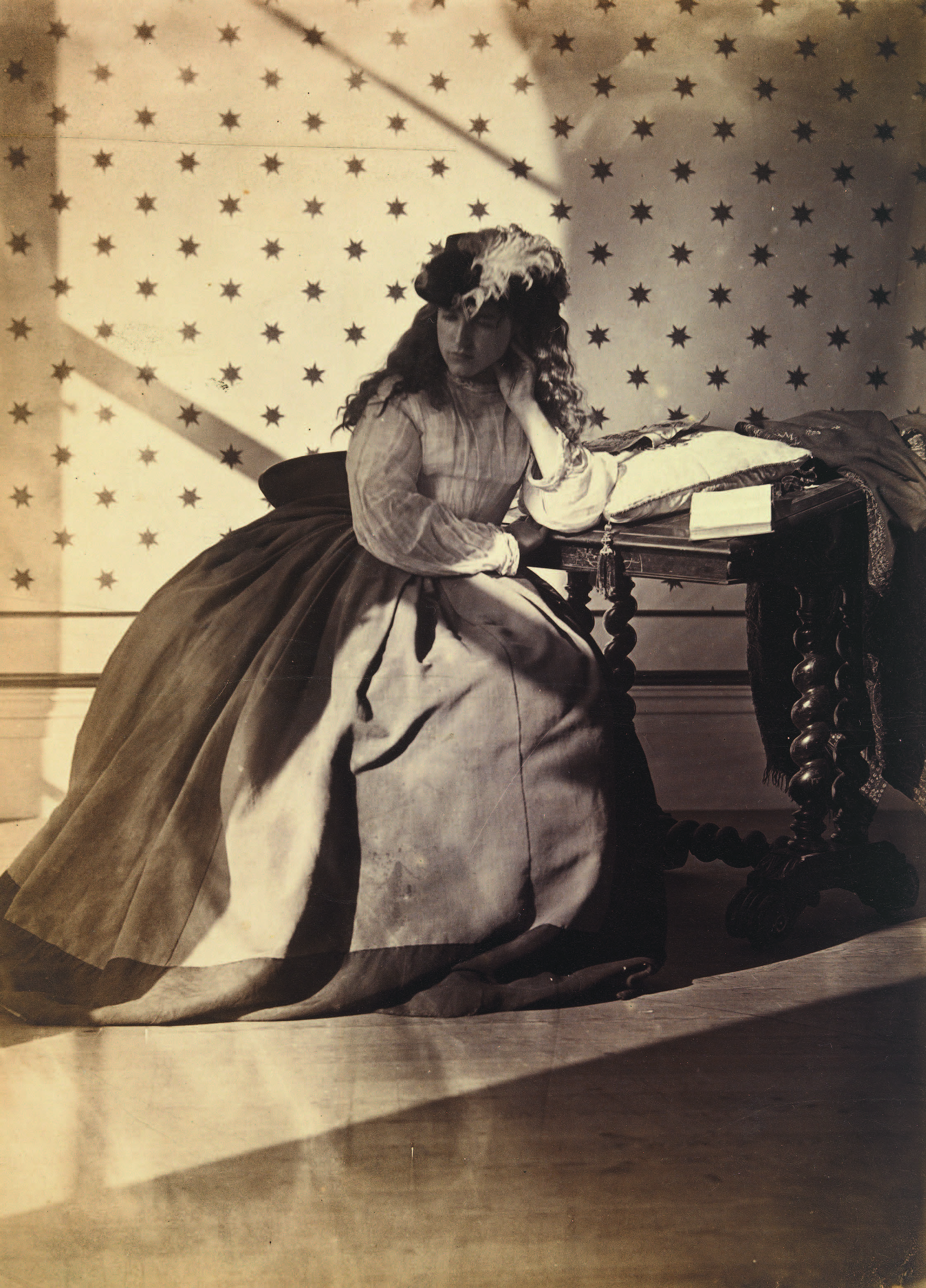
In 1841 the English art critic and social theorist John Ruskin hired a young valet by the name of John Hobbs. For the sake of propriety Ruskin resolved to address Hobbs as “George,” on the principle that a Victorian gentleman, even one with advanced political beliefs, should not have to share his name with a servant. Hobbs’s duties, although initially …

Color in a Higher Key: John La Farge

Editorial StaffExhibitions

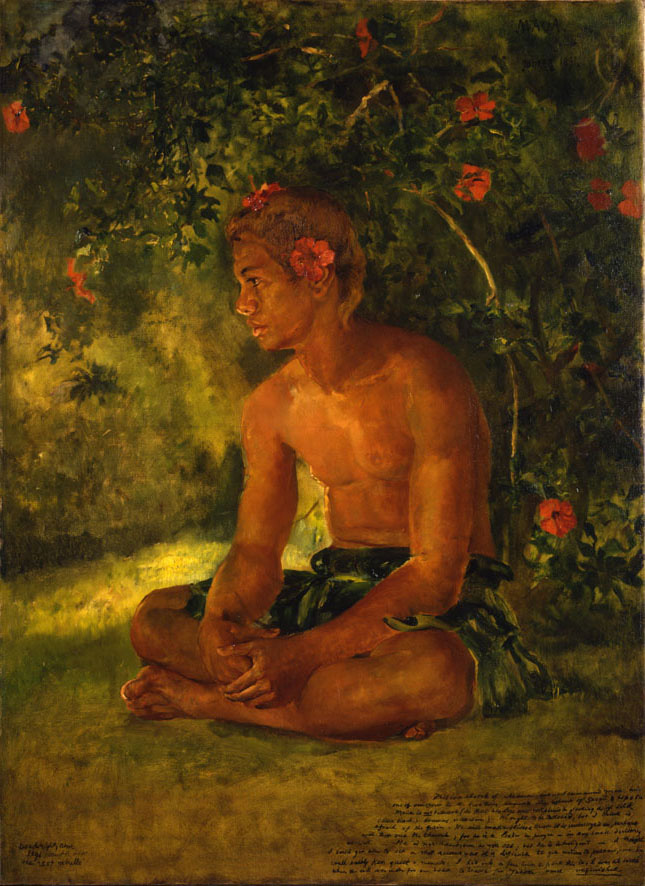
John La Farge and Paul Gauguin never met, which is just as well. Had they done so, these two painters, one an American academician, the other a French bohemian, would surely have despised one another. Indeed, even without meeting Gauguin, La Farge was comfortable dismissing him as “wild and stupid…[a man who] went into the wilderness and lived the simple …