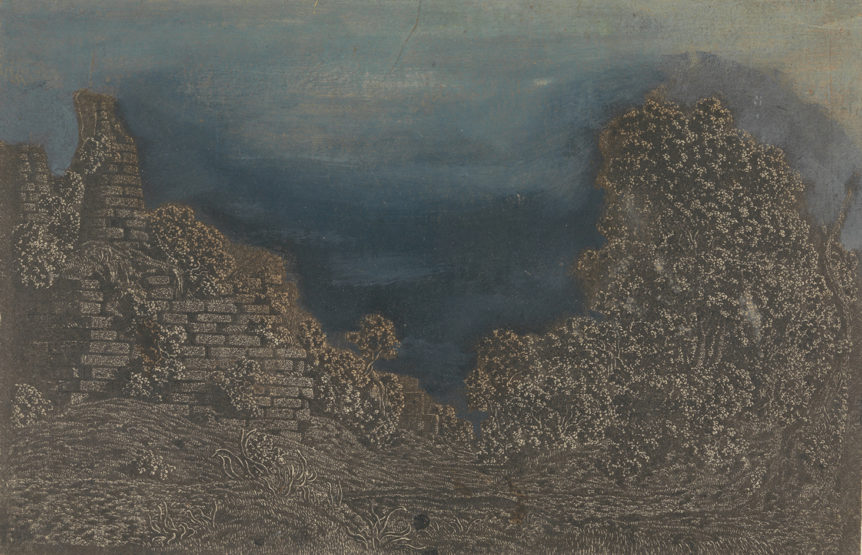
The Flemish artist Hercules Segers—now the recipient of his first exhibition in America, on view at the Metropolitan Museum of Art in New York—was probably the oddest European painter and printmaker of the seventeenth century.
Below you'll find a list of all posts that have been categorized as “Exhibitions”
The Flemish artist Hercules Segers—now the recipient of his first exhibition in America, on view at the Metropolitan Museum of Art in New York—was probably the oddest European painter and printmaker of the seventeenth century.
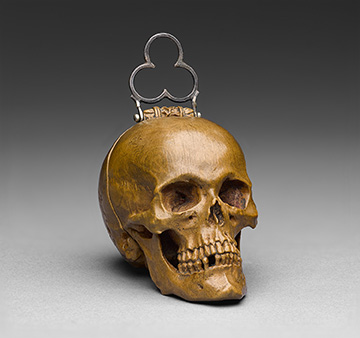
These tiny triumphs speak to human ingenuity, boundless reservoirs of patience, and painstaking craftsmanship in efforts where the slightest error will ruin the whole.
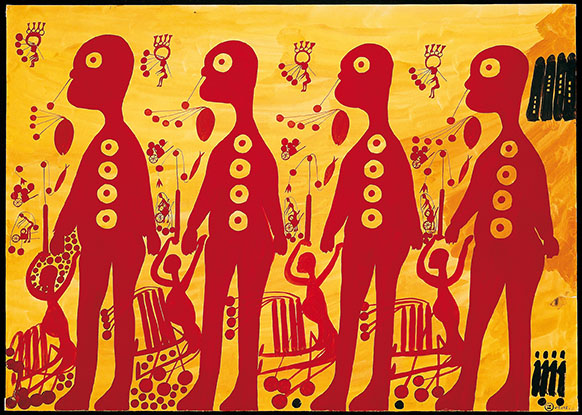
Zinelli painted for up to eight hours a day, producing nearly nineteen-hundred works of art.
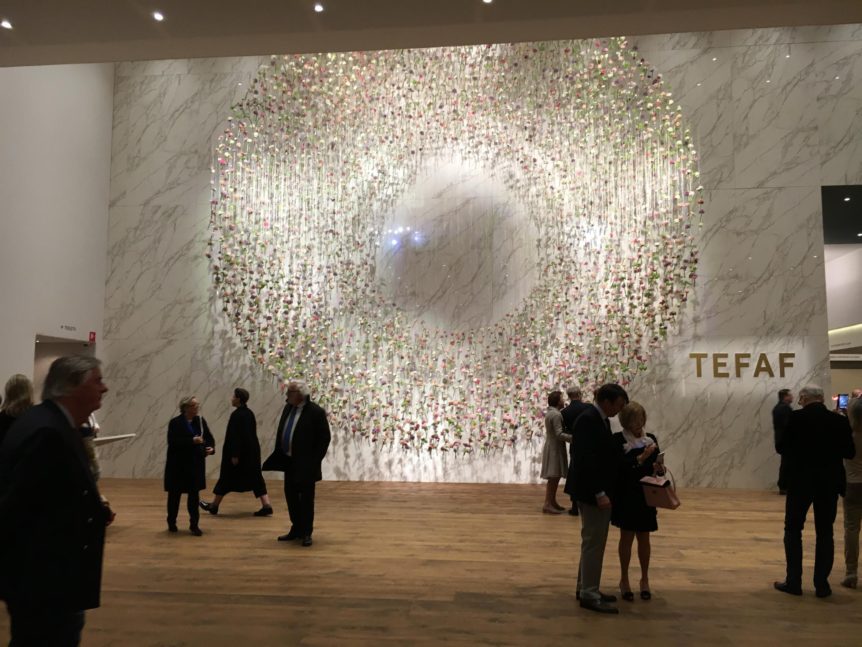
Our sharp-eyed correspondent Marisa Bartolucci has been in Maastricht, prowling the aisles at The European Fine Art Fair—the premier selling exhibition best known as TEFAF.
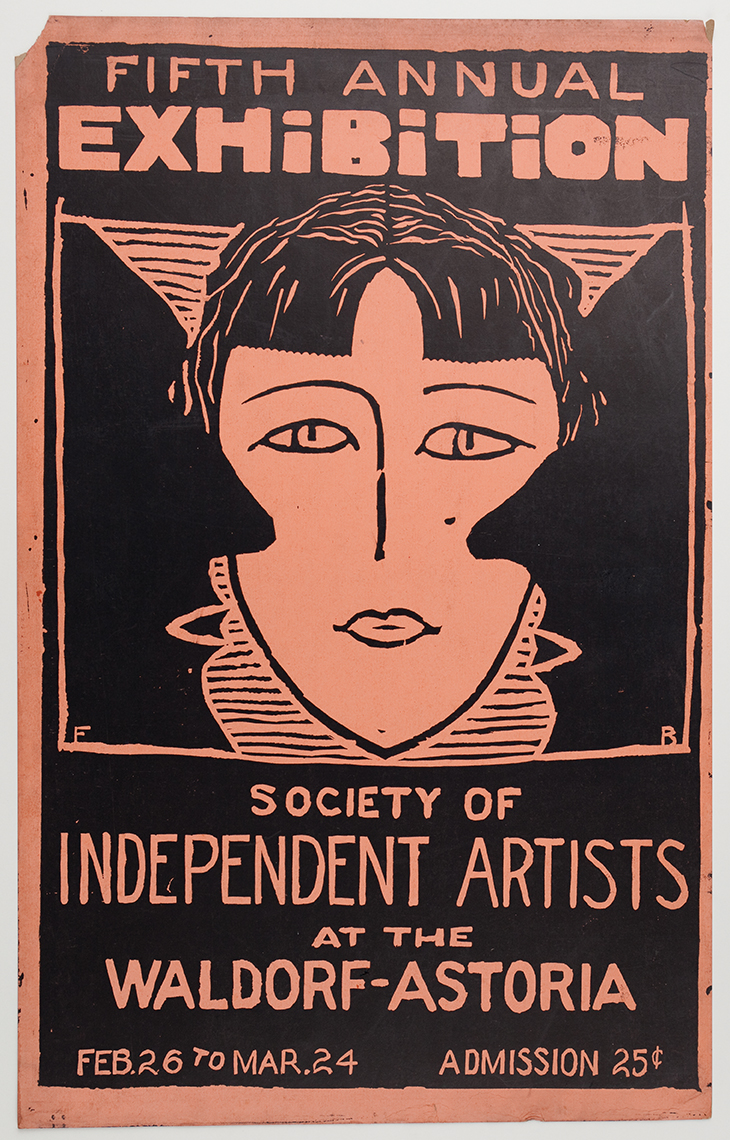
Formed by a group of vanguard modern artists—including Marcel Duchamp, John Sloan, and William Glackens, among others—the association sought to provide artists—little known and renowned, figurative and abstract—the opportunity to present their paintings in annual exhibitions.
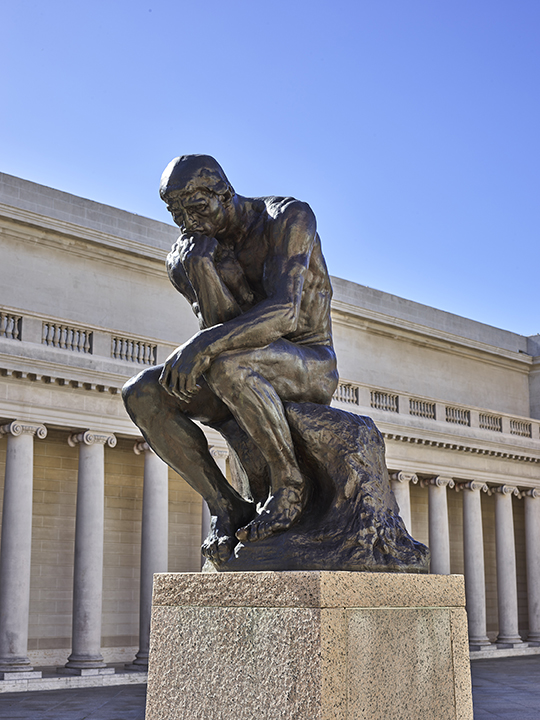
This year, to mark the centenary of Rodin’s death, the Legion of Honor will present approximately fifty of the nearly one hundred Rodin artworks it owns in new gallery installations that will, says the curator, Martin Chapman, “look at the whole of Rodin’s career and the major themes of his life and art.”
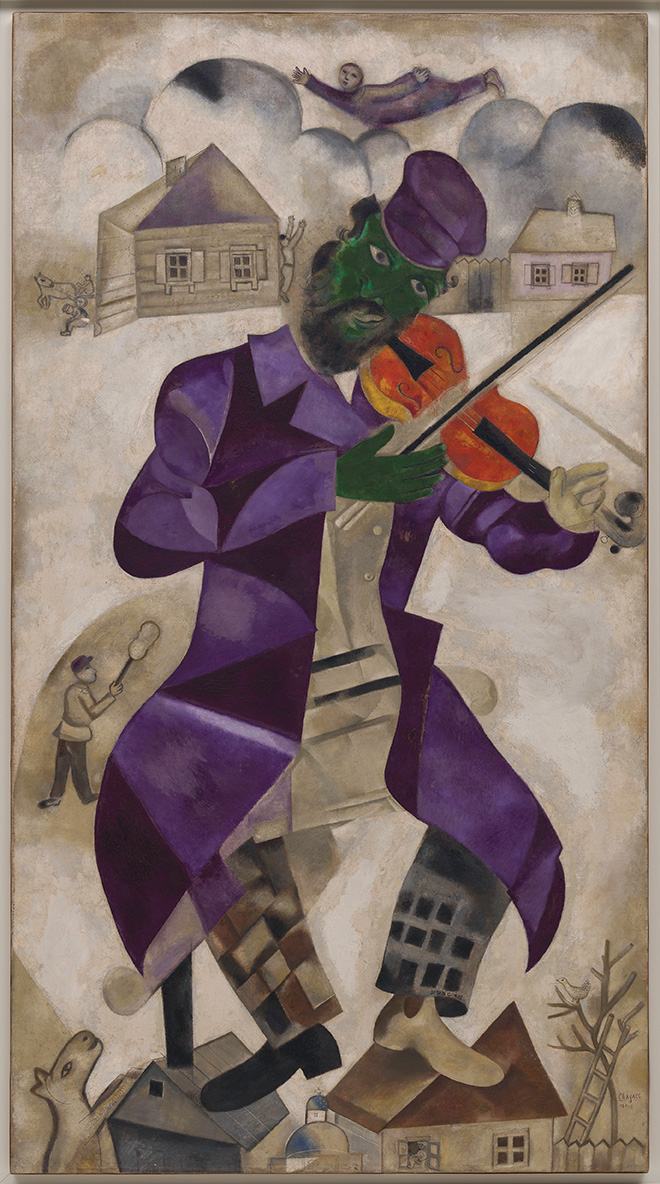
Few artists have as deep an association with the world of music as Marc Chagall (1887–1985), and perhaps no other painter’s work evokes such a palpable sense of rhythm and harmony—his colors resonate; his compositions soar.
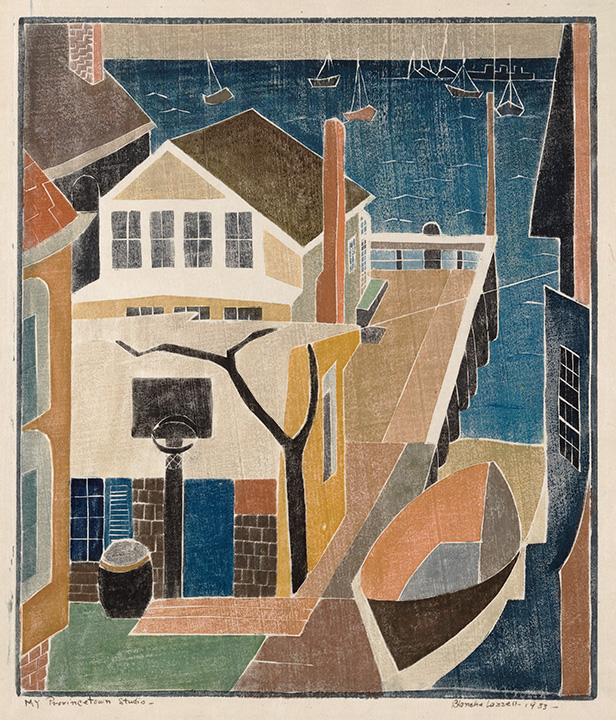
As the Great Depression took hold of the country, artists were placed in a unique position to respond, interpret, and illuminate the turbulent changes of the time—both by necessity and by choice.

In the mature decades of their artistic careers, when Pablo Picasso and Diego Rivera sought to create the new they turned to the ancient.
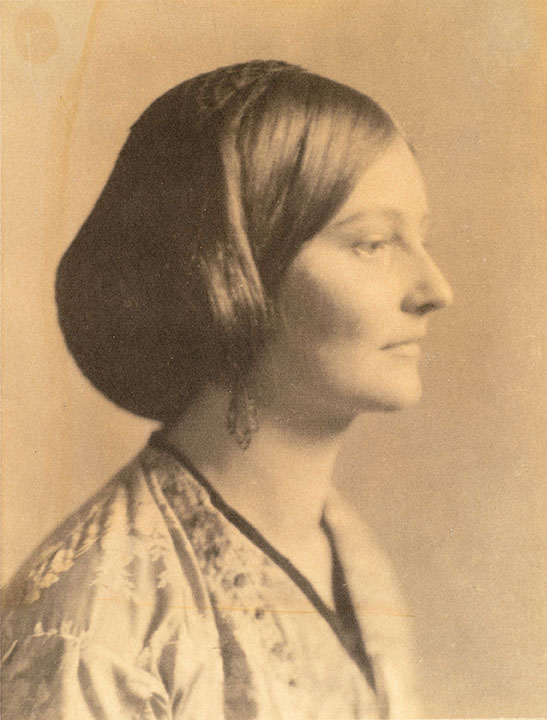
The subject of a new exhibition at the Palmer Museum of Art at Penn State University, the photographer Eva Watson-Schütze (1867–1935) was a leading member of the Photo-Secession, the early twentieth-century movement founded by Alfred Stieglitz that sought to elevate photography to the status of fine art.