
By THOMAS J. WERTENBAKER; from The Magazine ANTIQUES, October 1954. The woods near Williamsburg are glorious in April and May with the crimson magenta flowers of the Judas tree, and the white and pink of the dogwood. The sweet smelling honeysuckle covers fences, embankments, and stumps. And everywhere in the town itself one can note along streets and lanes, or peeping from …
Eighteenth-Century Jewelry
By JOHN HAYWARD; from The Magazine ANTIQUES, April 1955. Most aspects of eighteenth-century arts and crafts have been the subject of detailed and exhaustive research in the course of the past fifty years. The jewelry of the period, however, has been somewhat neglected in favor of Renaissance jewelry (so called, though much of it dates from the first half of the seventeenth …
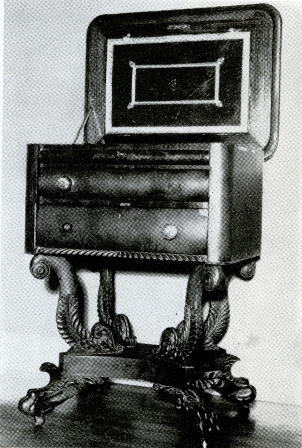
From the Archives: Philadelphia Empire furniture by Antoine Gabriel Quervelle
The design legacy of Antoine Gabriel Quervelle
A desk associated with George Washington
By JOAN SAYERS BROW; from The Magazine ANTIQUES May 1978. The handsome slant-front desk illustrated here was originally owned by Colonel George William Fairfax (1724-1787), whose estate, Bevoir, was near Mount Vernon on the Potomac River in Virginia. In April 1773 Fairfax took his wife, sally Cary, to England, after asking his neighbor George Washington to watch over Belvoir while they were …
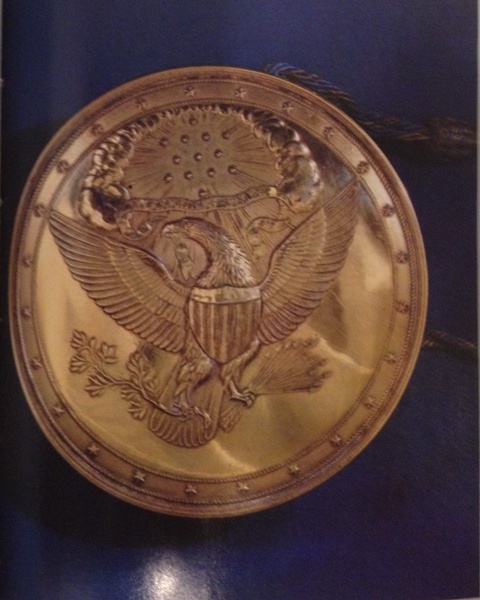
Skippets
By J. S. BROWN; From The Magazine ANTIQUES, July 1978. Skippets are small boxes made to hold and protect pendent wax seals attached to important documents. Silver, silver-gilt, and gold examples were used by the United States government between 1815 and 1871, primarily on treaties with other countries that had been ratified by Congress. The skippet was suspended from the treaty by …
American folk painting, The Wiltshire collection
By RICHARD WOODWARD; from The Magazine ANTIQUES, September 1978. Paintings by America’s first artists afford an informative and entertaining view of the nation’s early years. Many of these painters received academic instruction at home or abroad, while others were either wholly untutored or obtained their training from nonacademic sources. The work of this latter group, the “folk painters,” provides an insight into …
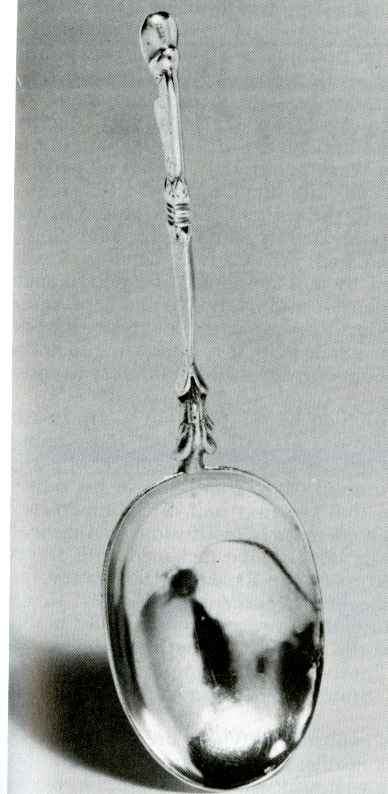
Two hoof spoons
By ALBERT SCHER; from The Magazine ANTIQUES, September 1978. When Helen Burr Smith wrote about silver spoons with hoof-shape terminals in ANTIQUES in 1944 there were only four of these interesting survivals from seventeenth-century Dutch New York households known in America. Now two more hoof spoons have come to light. Fig. 1-Silver hoof spoon, probably New York, seventeenth century. Length 6 …
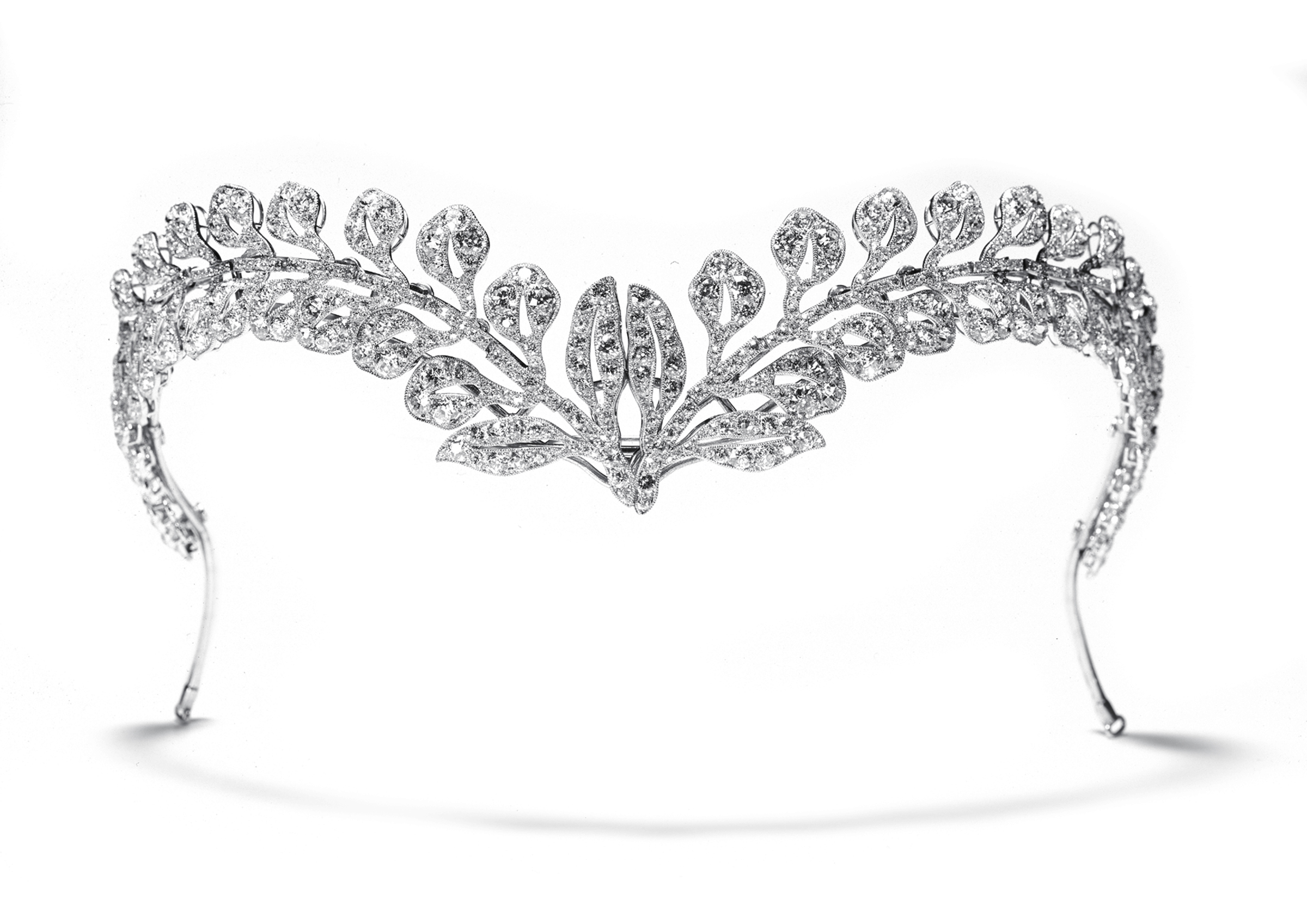
The Cartier fern-spray brooches
from The Magazine ANTIQUES, March/April 2013 | The beauty of the diamond contains within it the awesomeness of geological time. But for sheer scale and lavishness, diamond jewelry reached its climax during the relatively brief reign of Britain’s Edward VII from 1901 to 1910. The conventions of evening court attire made it imperative that those in possession of a fortune …
Fluent French
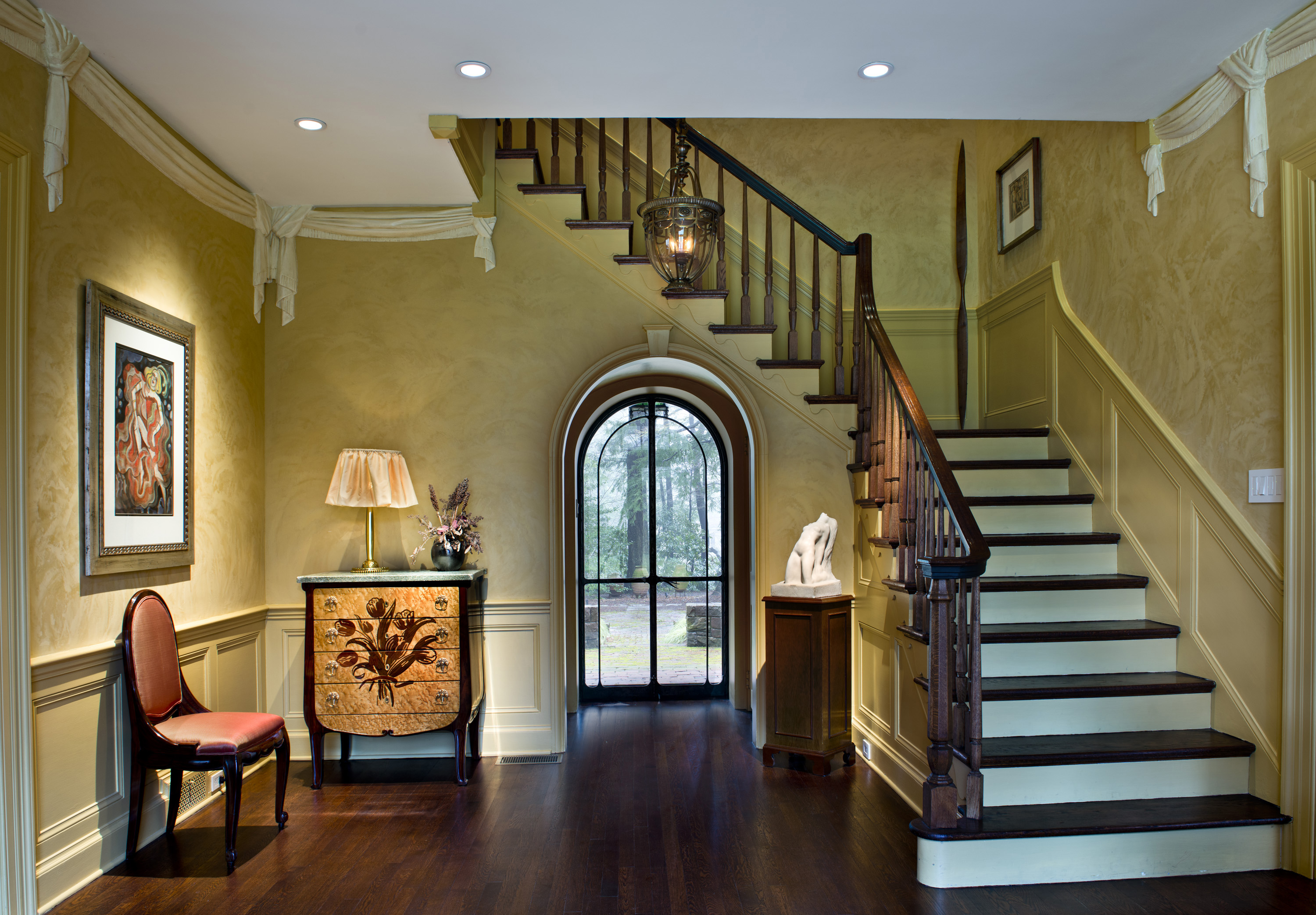
from The Magazine ANTIQUES, March/April 2013 | They filled every nook and cranny of a 1780 stone farmhouse in Chester County, Pennsylvania, with hooked rugs and weathervanes, pottery and samplers. They reared two sons amid the blessings and constraints that come with living with the fine and rare. They devoted weekends and holidays to the hunt. And when they were …

Many paths to modernity
from The Magazine ANTIQUES, March/April 2013 | A 1947 newsreel shows throngs of men filling Delhi’s open spaces and government compounds while a voiceover in a clipped British cadence reports that “everyone ran wild with joy.”1 After almost ninety years of colonial rule, the Indian subcontinent was free-albeit split. Twenty-four hours earlier, Pakistan had been carved out as an independent …