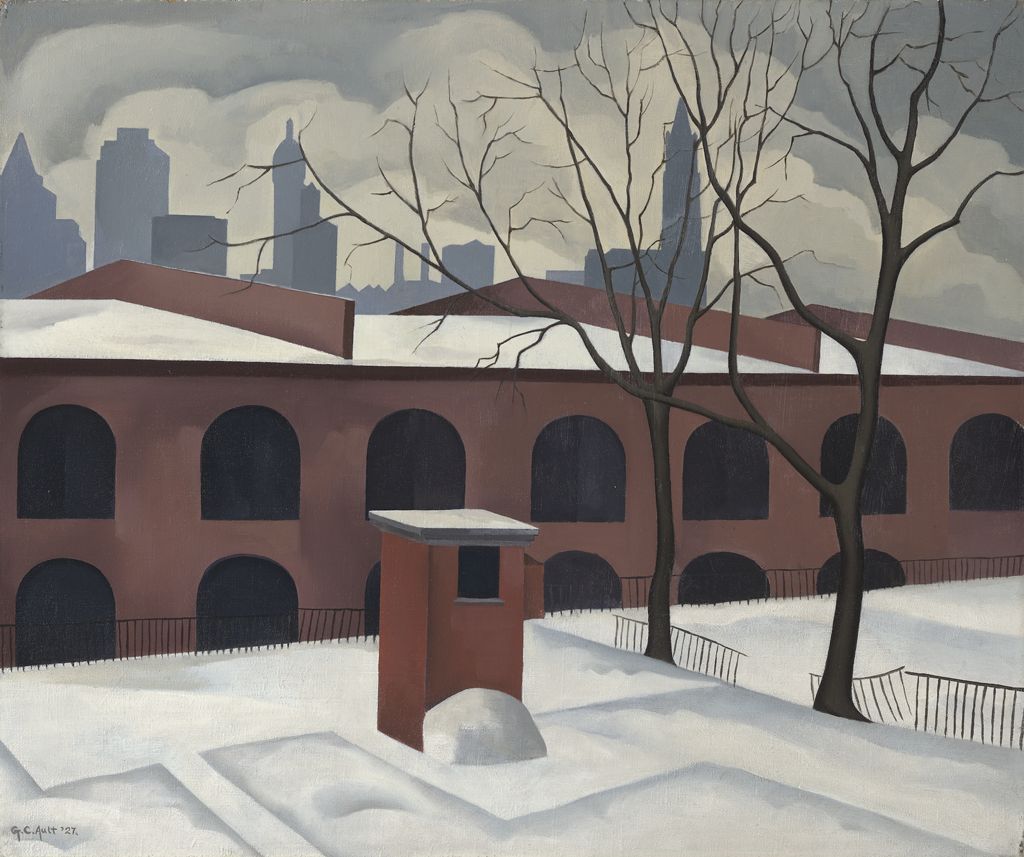
from The Magazine ANTIQUES, May/June 2013 | Sharon Corwin remembers her first introduction to Maine in 2003. It was April. And dark. “Moose Crossing” signs punctuated the indistinct landscape as she headed north on I-95. In the light of day, Corwin, a Berkeley-trained art historian who came to the Colby College Museum of Art in Waterville as its first Lunder …
Freedom and the abstract truth
from The Magazine ANTIQUES, May/June 2013 | The story of Marica and Jan Vilcek is the story of one couple’s long pilgrimage into the cultural heart of this country. It begins during the mid-1960s in the wake of the Kennedy assassination and just when the most volatile decade of the American century was coming to a boil. In some ways …
Reverie on a pair of Japanese screens
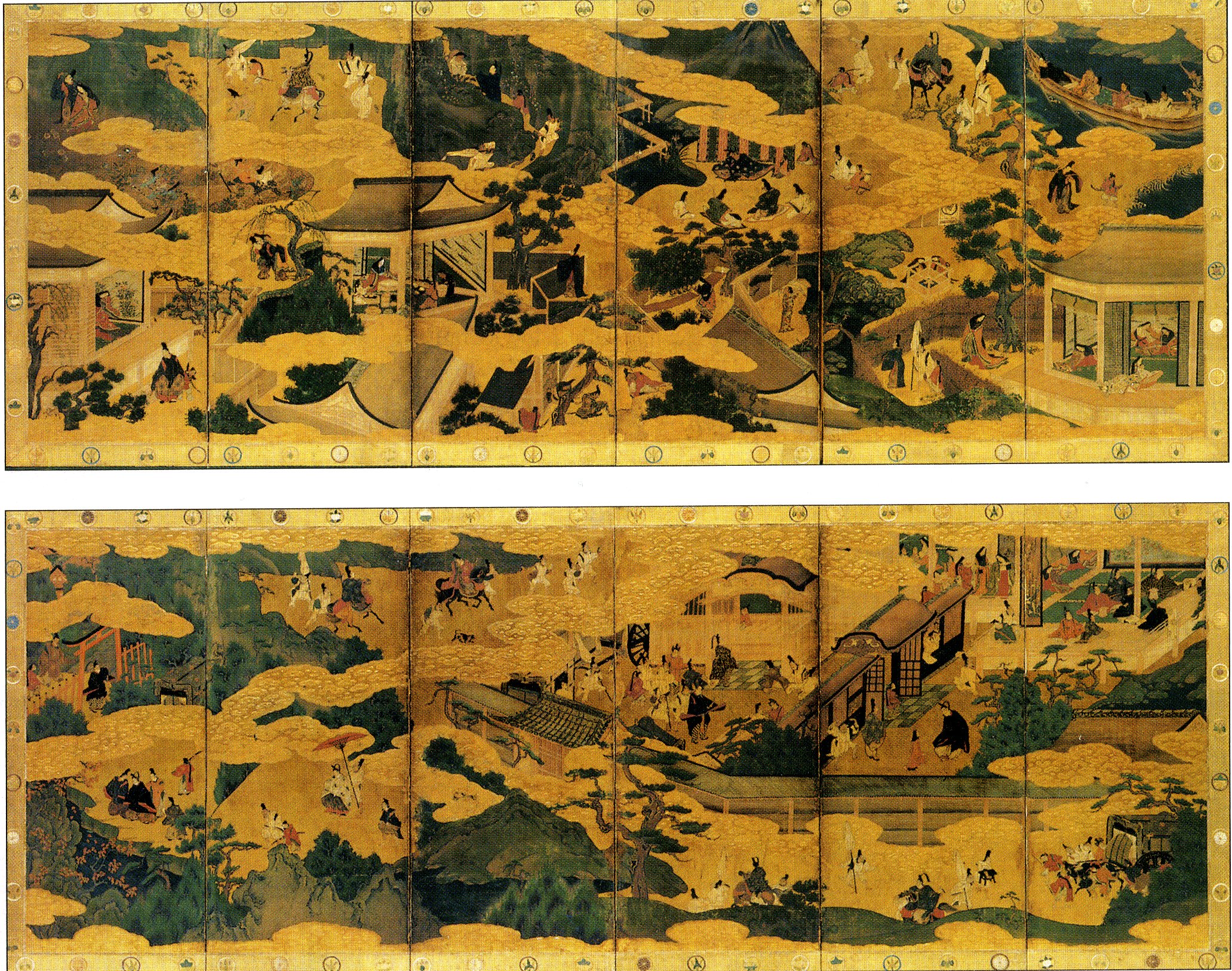
By Michael R. Cunningham; from the Magazine ANTIQUES, July 2001 The idea of landscape in the West has historically been aligned with geography. The appearance of a given earthbound place in a painting or photograph normally initiates for the Western viewer an immediate response of physical orientation. We wish to understand the particular environmental conditions and perhaps the terrain …
Georges Hoentschel and his world
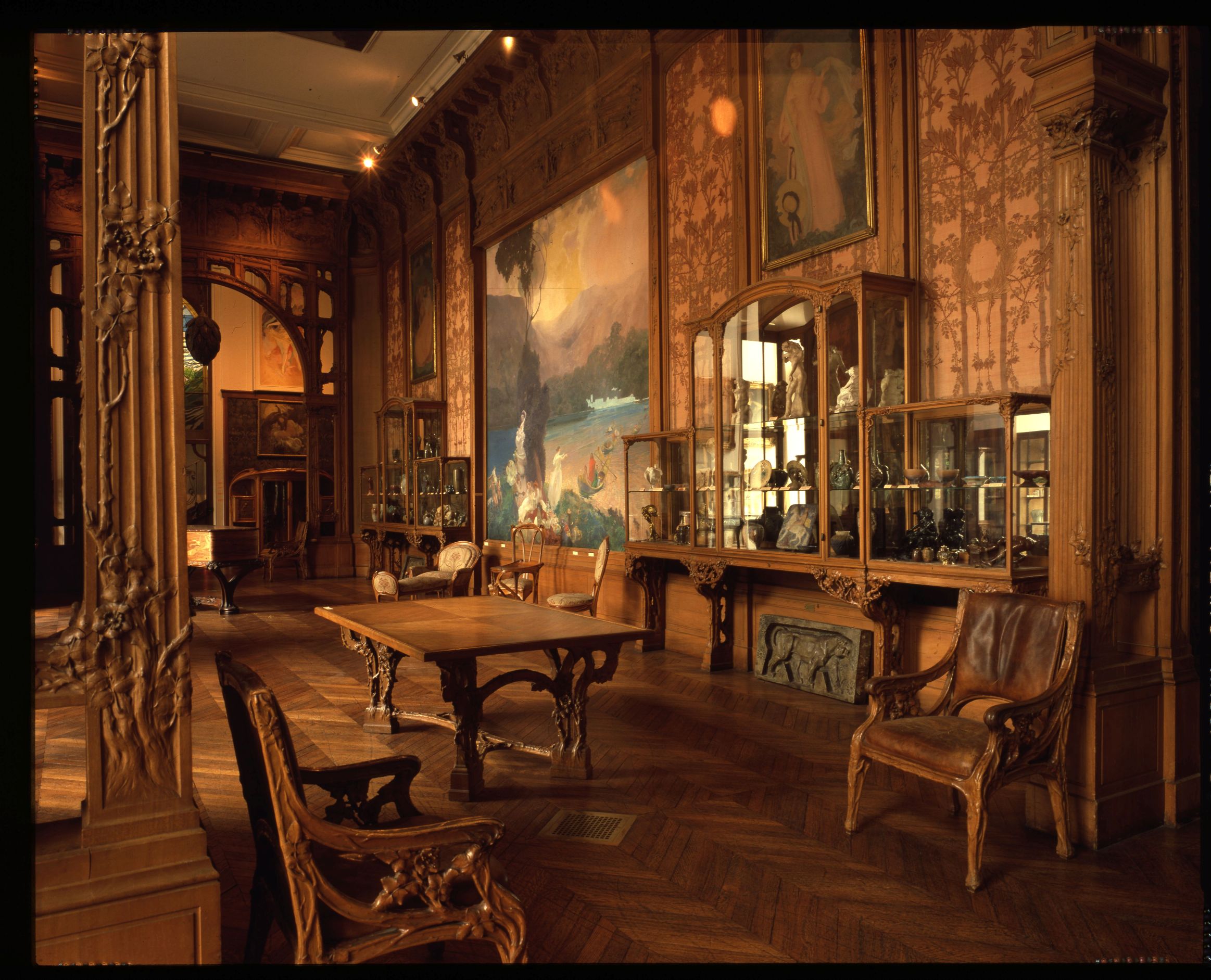
from The Magazine ANTIQUES, March/April 2013 | The life of the Parisian decorator, collector, one-time architect, and ceramist Georges Hoentschel (Fig. 2), head of the renowned furnishing firm Maison Leys, coincided with a period of far reaching change in France. After the Franco-Prussian War of 1870 and the devastation of the civil war (la commune), the Third Republic (established after …
Bringing an Old house back to life
By MARGARET NOWELL; from The Magazine ANTIQUES, February 1945. There are few more worth-while experiences than bringing back to life an old house. This is what Mr. and Mrs. John Howard Joynt have done with the handsome brick house at 601 Duke Street in Alexandria, Virginia. Fig. 1-The house, with its gray brick wall, encloses two sides of the property, and overlooks …
Painters of the Hudson River school
By FREDERICK A. SWEET; from The Magazine ANTIQUES, March 1945. Toward the end of the nineteenth century America’s art collectors were captivated by French taste and filled their gilt drawing rooms with salon figure pieces and bucolic scenes by members of the Barbizon school. Our own painters such as George Inness and Homer Martin, had to follow French trends, in order to …
SARAH GOODRIDGE
By AGNES M. DODS; from The Magazine ANTIQUES, May 1947. THE WORK OF SARAH GOODRIDGE, one of the lesser known miniature painters of New England, has been increasing steadily in popularity for some years. Although her claim to fame rests mainly on her miniature of Gilbert Stuart, a diligent search of the countryside has brought to light many excellent likenesses from …
Pugilism in English Pottery
By PAUL MAGRIEL; from The Magazine ANTIQUES, January 1948. Paul Magriel was formerly on the staff of the Museum of Modern Art, where he arranged a number of exhibitions on the history of dancing. His exhibition, The Ring and the Glove, on view at the Museum of the City of New York until April 4, 1948, is the first full-scale retrospective exhibition of …
Some early American crewelwork
By FLORENCE PETO; from The Magazine ANTIQUES, May 1951. Eighteenth-century crewelwork, especially favored for bedspreads and bed furnishings, is one of the most delightful types of early American embroidery. Though it has become very scarce, resolute seekers may still occasionally acquire a piece. Tree of Life Design, crewelwork fragment with leaves, fruit, birds, insects, and caterpillar. New York Historical Society. …
Land of the Upper Hudson
By LOUIS C. JONES; from The Magazine ANTIQUES, July 1951. For miles through the silent mountains the trickle flows-a vagrant brook playing at the feet of mountains-from the beginnings to the sea, guarded and shadowed by mountains. Cabins and shabby forms lie beside it-housing men to whom guns and a rod are dearer by far than the ho and the plow. There …