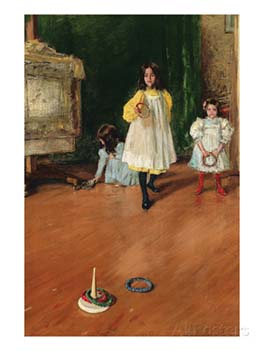
“Idleness opens up for any one who has eyes to see and a mind to dream a playground of infinite variety,” wrote novelist Arthur Pier in 1904 for the magazine Atlantic Monthly.1 William Merritt Chase had eyes to see the liberating benefits of idleness, and he found motifs of infinite variety in America’s playgrounds. Catching his subjects at rest or …
The Real American Grotesque
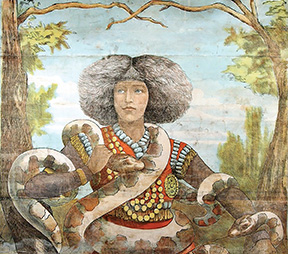
A group of circus posters at the Shelburne Museum illustrates the routine stereotypes and exploitative practices of circus owners as they battled one another for primacy. Fig. 3. History and Medical Description of the Two-Headed Girl, published by Warren, Johnson and Company, Buffalo New York, 1869. Pamphlet with woodcut illustrations, 7 by 5 inches. Shelburne Museum, Vermont, gift of the …
Paul Landacre’s world
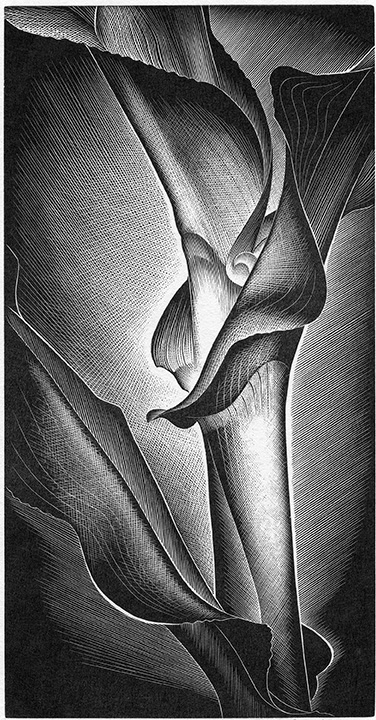
The brilliance of the master printmaker Paul Landacre owed something to the patronage of Hollywood royalty but a great deal more to the dynamism of early California modernism.
Of Meissen men…and women at the Frick
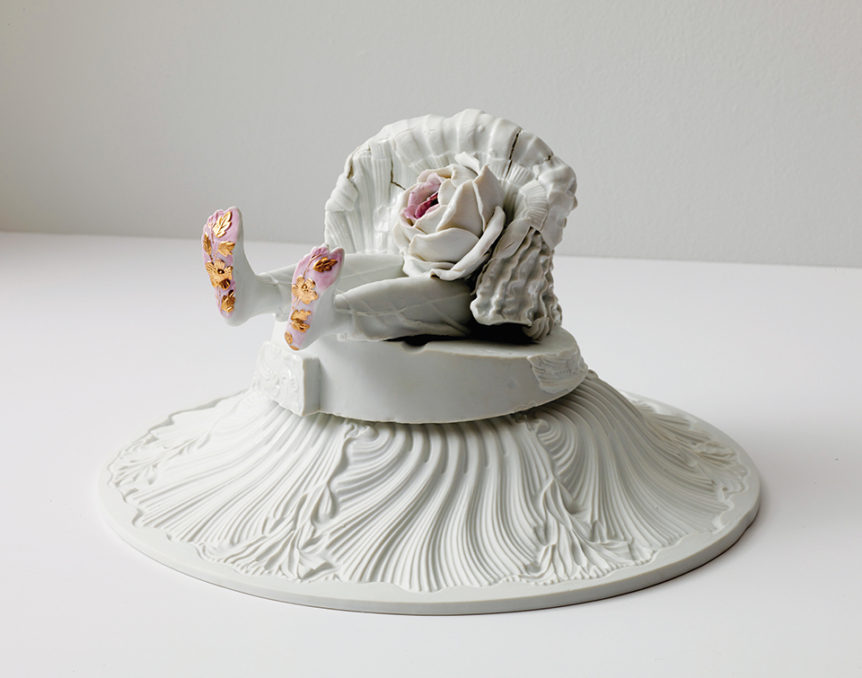
Vitreous, white, and often delicately translucent, porcelain was invented in China as early as the seventh century, but Western attempts to reproduce the Chinese miracle failed until the dawn of the eighteenth century, when the Saxon ruler Augustus the Strong pressed into his service the young Berlin alchemist Johann Friedrich Böttger and commanded him to enrich the Saxon coffers by …
Mr. Boyd and Mr. Miles: A New York State portrait artist deciphered
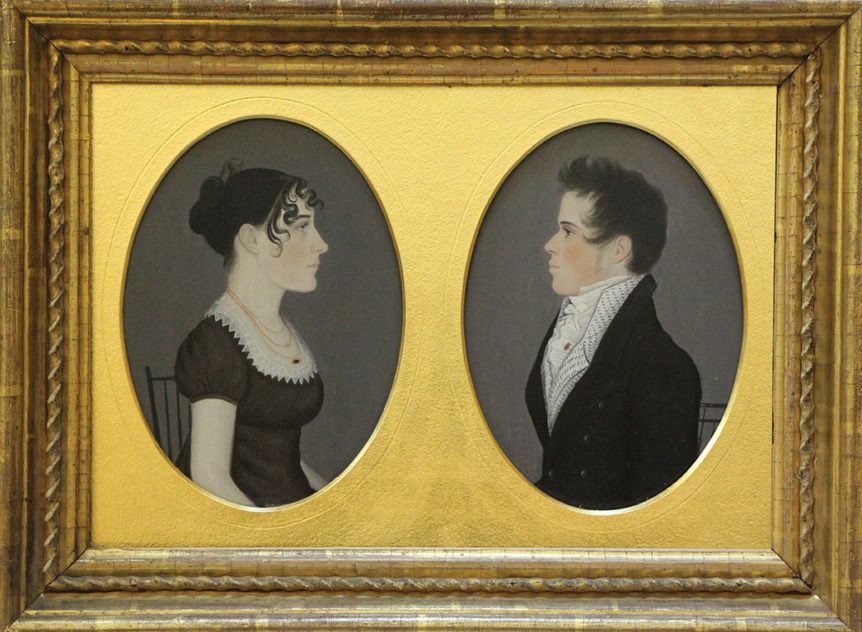
Early nineteenth-century American portraiture includes a number of small profile likenesses in oil, pastel, and watercolor by artists such as C. B. J. F. de St. Mémin, James Sharples, Gerrit Schipper, and Jacob Eichholtz. All follow the European fashion for profiles, namely emulating those on Greek vases and Roman coinage, and are thus fitting for the neoclassical motifs and styles …
Whose history is it?
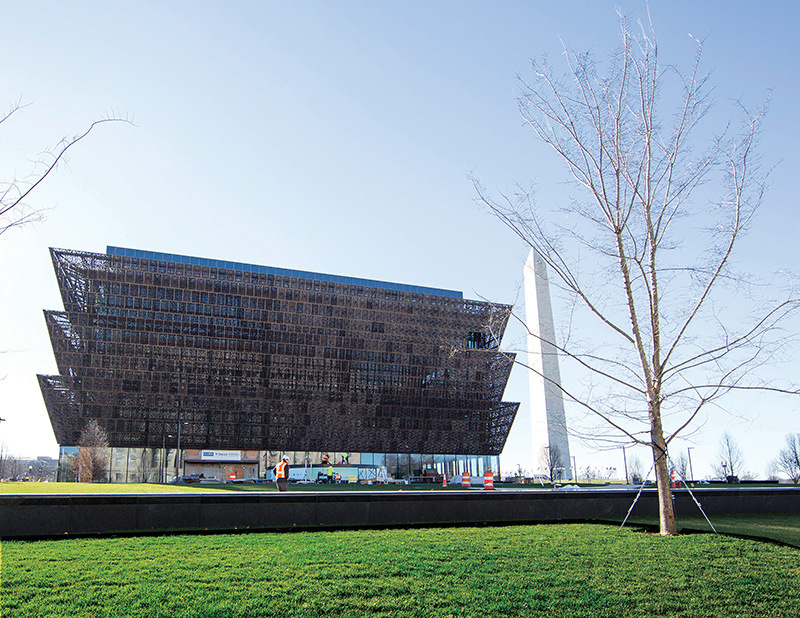
The National Museum of African
American History and Culture reshapes our nation’s story one artifact at a time
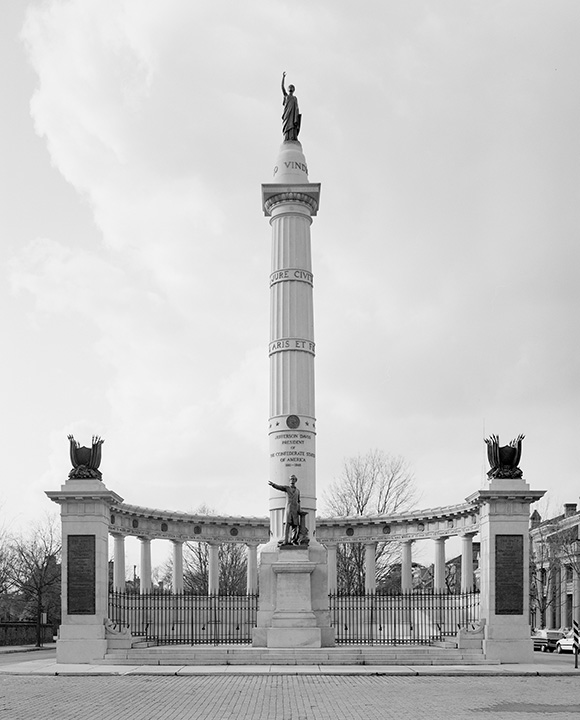
Critical Thinking: Confederate Flags and Monuments
There’s trouble on Monument Avenue. This grand boulevard in Richmond, Virginia, is the symbolic heart of the city. It is leafy and quiet, and lined with grand architecture dating largely from the early twentieth century. As its name suggests, it also features a series of monuments. One is dedicated to the tennis player Arthur Ashe. All the others pay tribute …
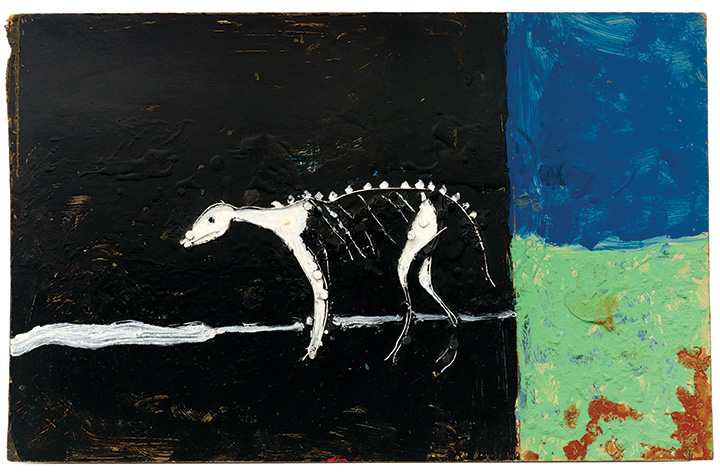
Let’s Just Call It Art
The work of Ronald Lockett, like that of Thornton Dial, Lonnie B. Holley, and others in the Birmingham-Bessemer circle, uses found materials to address environmental, historical, and political themes in ways that go beyond the usual categories. The youngest member of what, in retrospect, we might embrace as the Birmingham-Bessemer [Alabama] school, Ronald Lockett produced a body of roughly four …
End notes: Welcoming Gregory Cerio
As we say farewell to Betsy Pochoda, who moves on to her next adventures after eight years at the helm of ANTIQUES, we welcome Gregory Cerio as the new editor. A man of wide-ranging interests and well-chosen words, Greg is no stranger to our office, as he was the founding editor of our sister magazine MODERN and has written for …
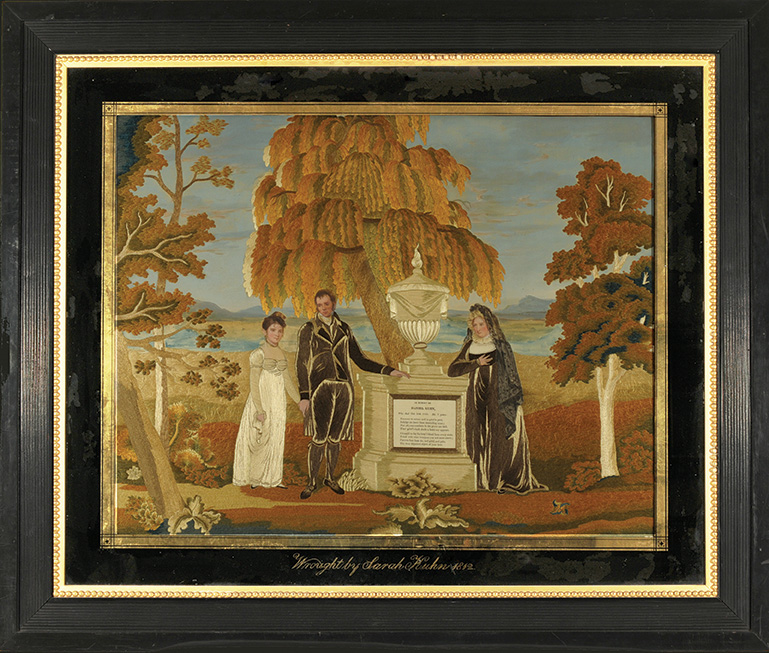
Mourning Becomes Them: The death of children in nineteenth-century American art
“In the midst of life we are in death” These familiar words, which marched across sermons and samplers alike in the early decades of the American republic, surely resonated with sixteen-year-old Charlotte Sheldon in the summer of 1796. Sheldon was studying at Sarah Pierce’s Litchfield Female Academy when she heard the news: Polly Buel, another student, had died. Sheldon put down her studies …