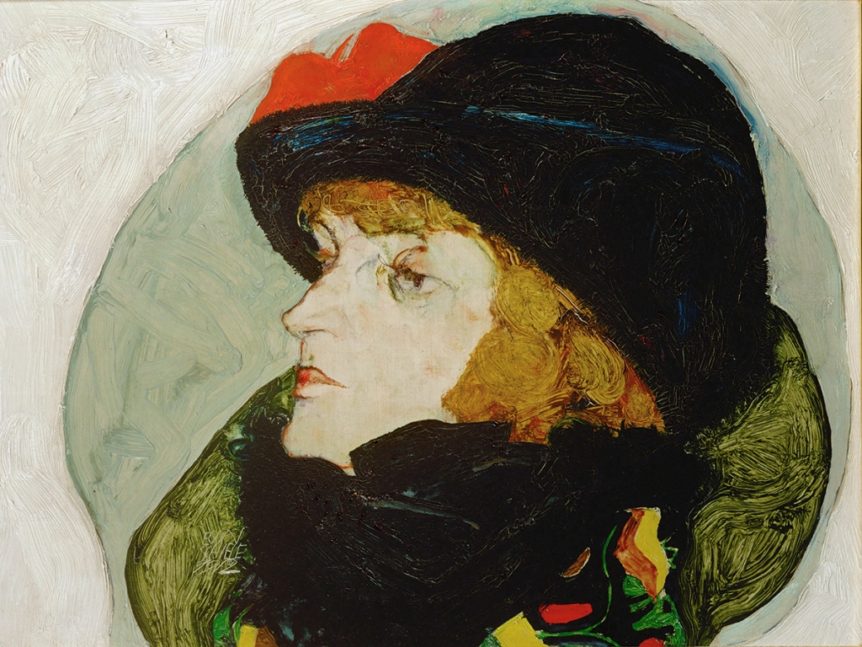
What Egon Schiele would have achieved had he lived beyond his twenty-eighth year is a matter to keep art historians up at night. When he died of Spanish influenza in 1918 he had already accomplished an astonishing amount: some three thousand drawings as well as paintings and sculpture of sufficient merit to position him as the heir to the late …
Salon style at the New-York Historical Society
There is an excellent reason why we no longer hang paintings as they have now done in an odd but worthy exhibition at the New-York Historical Society. Indeed, even at the N-YHS, that hanging would be inexcusable, were it not for the fact that the whole point of The Works: Salon Style at the New-York Historical Society, (on view through February …
Lost (and found) illusions
National Gallery, London, February 2000. Time to kill before a memorial service at a church on the Strand. A sign pointed toward an exhibition of the trompe l’oeil “letter racks” (whatever they were) by the seventeenth-century painter Cornelius Gijsbrechts (whoever he was). Why not? I walked into the show expecting to be amused by painted illusions. I walked out entranced …
The democratization of glamour
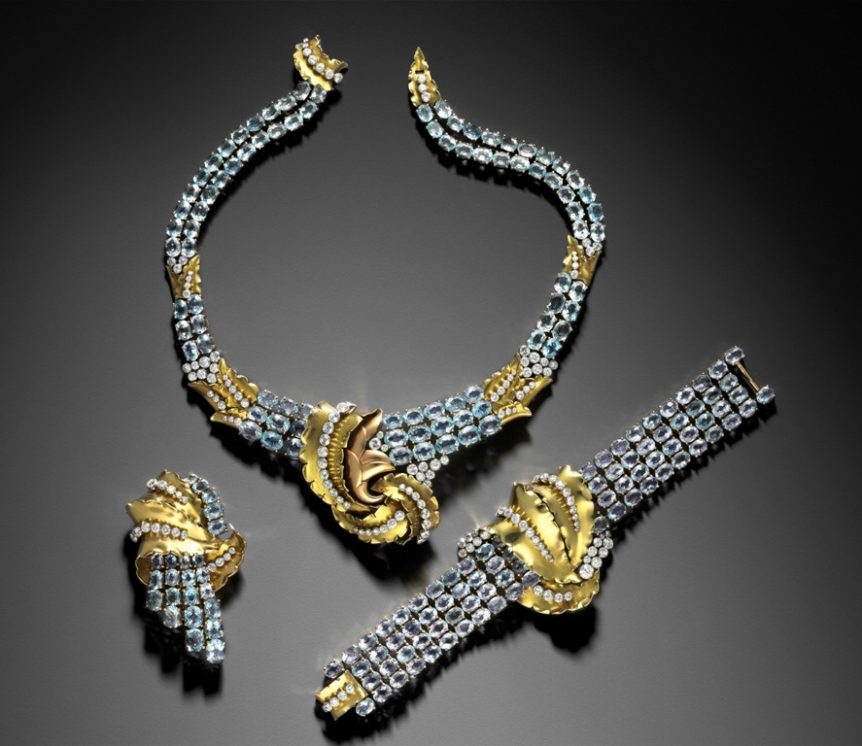
Every age sets its own standard for beauty and style, but rarely has there been an era when glamour and self-display dominated the spirit of the time as they did in the 1930s and 1940s. In spite, or perhaps because, of the Depression and its aftermath, jewelry and fashion designers were busy creating new styles meant for a new elite–the …
Made in Texas
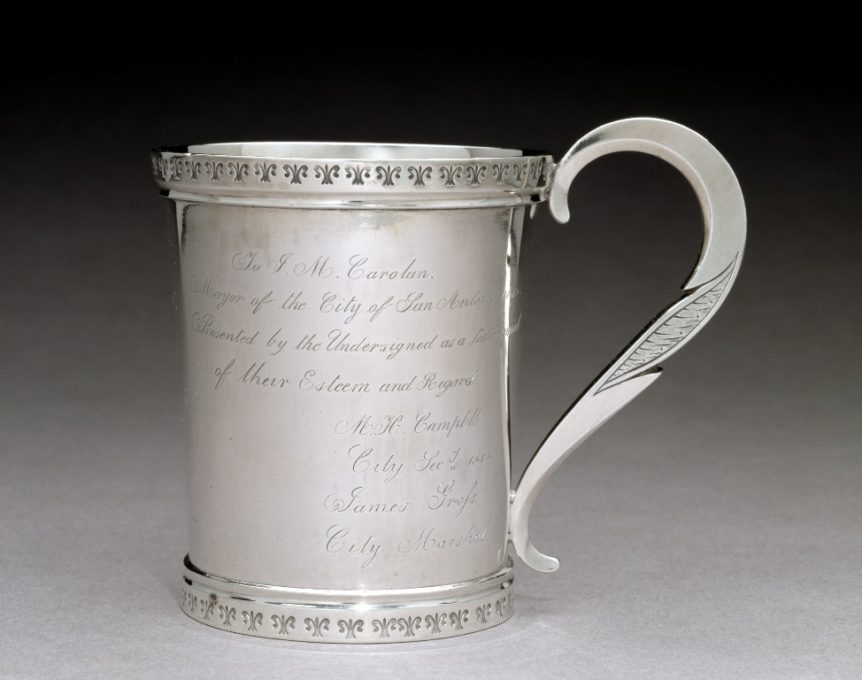
Beeville, Texas, is not on everyone’s bucket list, but a visit to the Beeville Art Museum this fall will provide a fascinating look at life in the lone star state in the last half of the nineteenth century. Made in Texas: Art, Life and Culture, 1845-1900 brings together Texas-made art and objects that reflect the lives of Texans from the …
Thomas Hart Benton at the Met
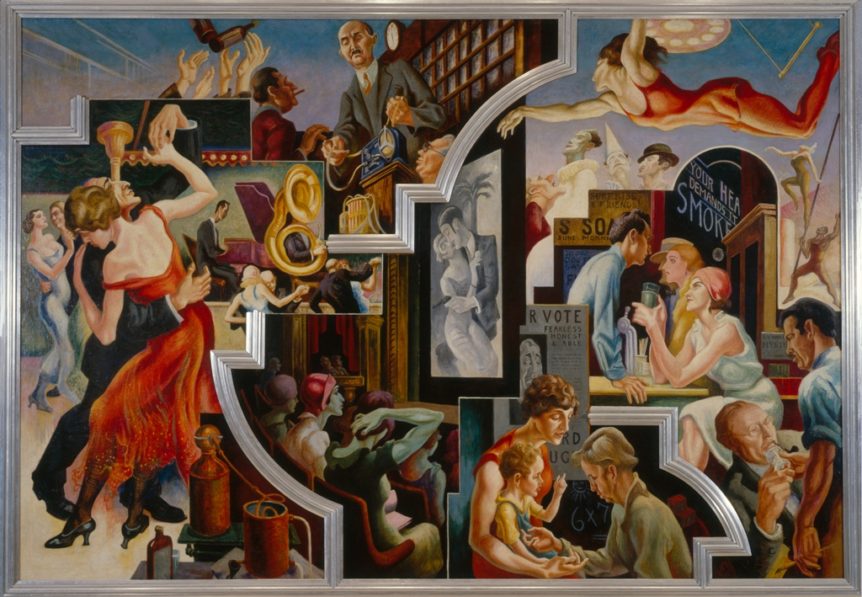
To understand the significance of the Metropolitan Museum of Art’s installation of Thomas Hart Benton’s ten-panel America Today so many decades after it was created for the New School for Social Research in 1930 and 1931, you need to know a little about the school in those heady days. Founded in 1919, by the 1930s the New School had become …
Editor’s letter, September/October 2014
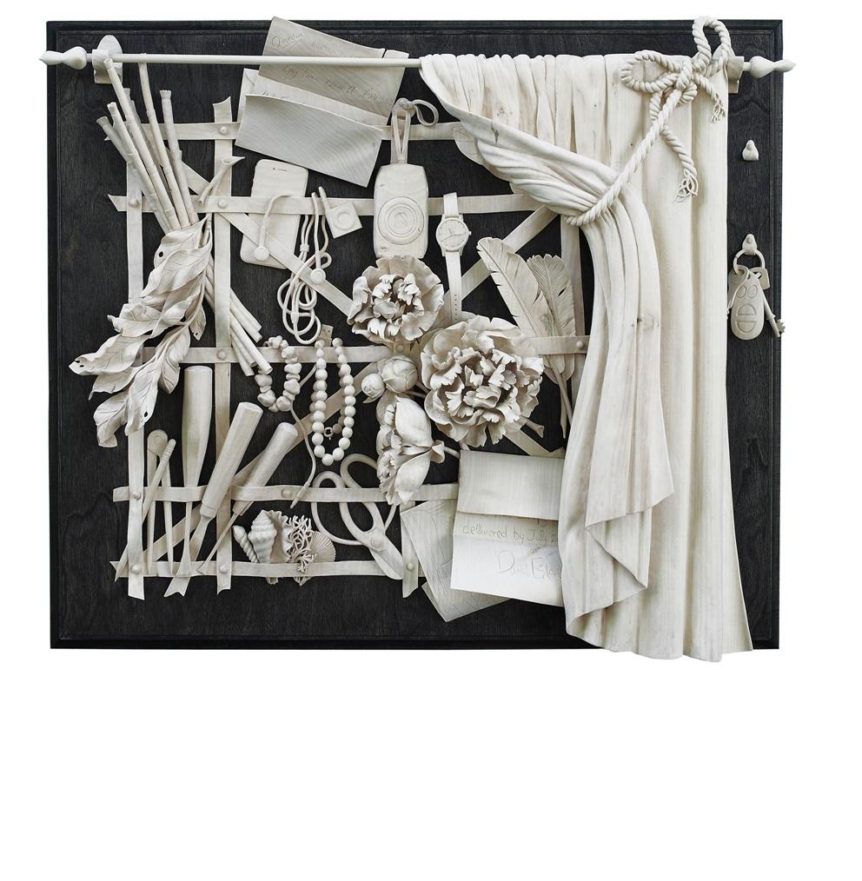
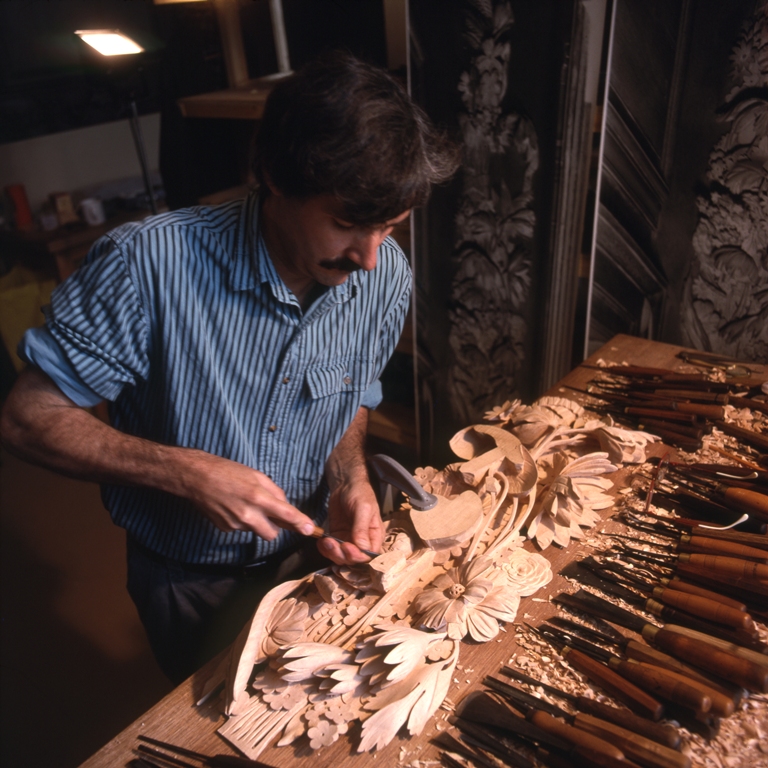
On our cover, the cacophonous world in which we live–digital and artisanal, ephemeral and timeless–is rendered, ironically, in the disciplined quiet of limewood by the master carver (and prose master) David Esterly. Carving, Esterly has observed in his book The Lost Carving: A Journey to the Heart of Making, is a metaphor for many things. I’d count among them the …
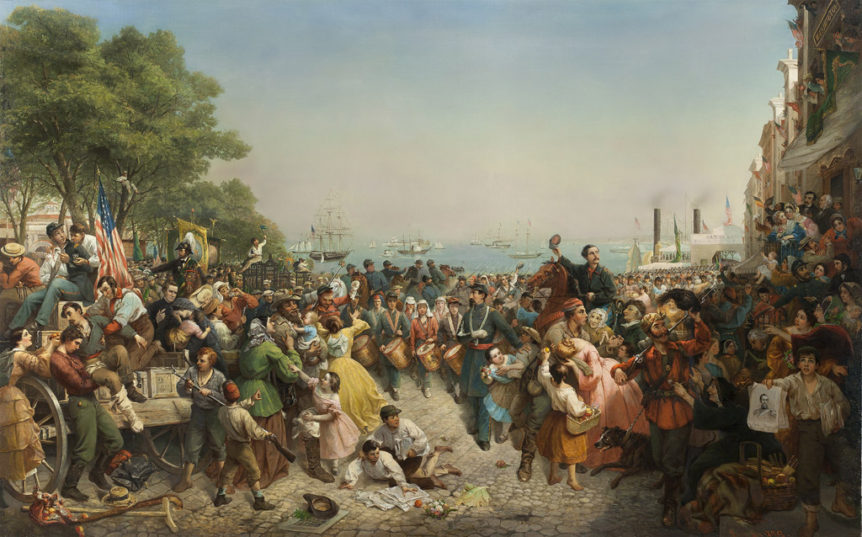
Museums want you! A roundup of shows commemorating the 100th anniversary of World War I
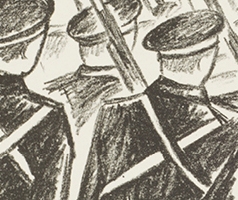
This year marks the centennial of the Great War and museums around the globe have been in a wartime fervor setting up exhibitions to commemorate the conflict. The Great War: A Cinematic Legacy • Museum of Modern Art, New York, NY • to September 21 • moma.org The Great War: A Cinematic Legacy is comprised of 50 movie screenings emphasizing …
Uncommon women and the art of the common man
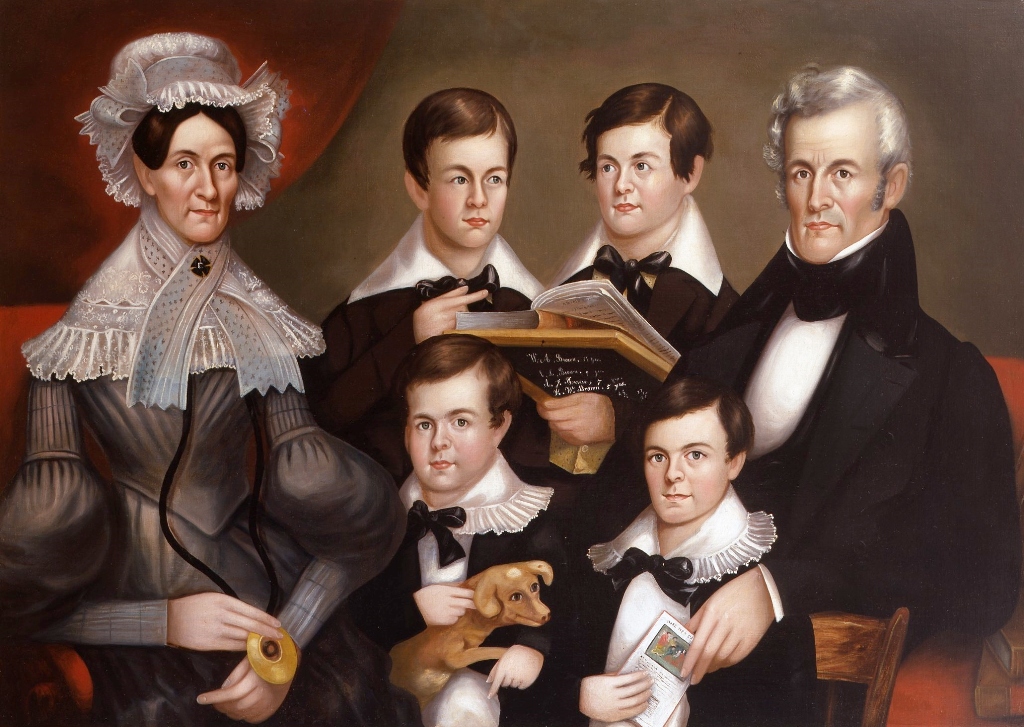
Collecting can be as much a declaration of independence as it is a need for possession, particularly when the objects of desire are unorthodox and the pursuer is a sentient, intelligent woman. Appreciating something different, something odd, something not sanctified or certified by art history, almost inevitably leads to discovering an identity, asserting individuality, and transporting oneself into a new …
Two military portraits: El Greco and Pulzone
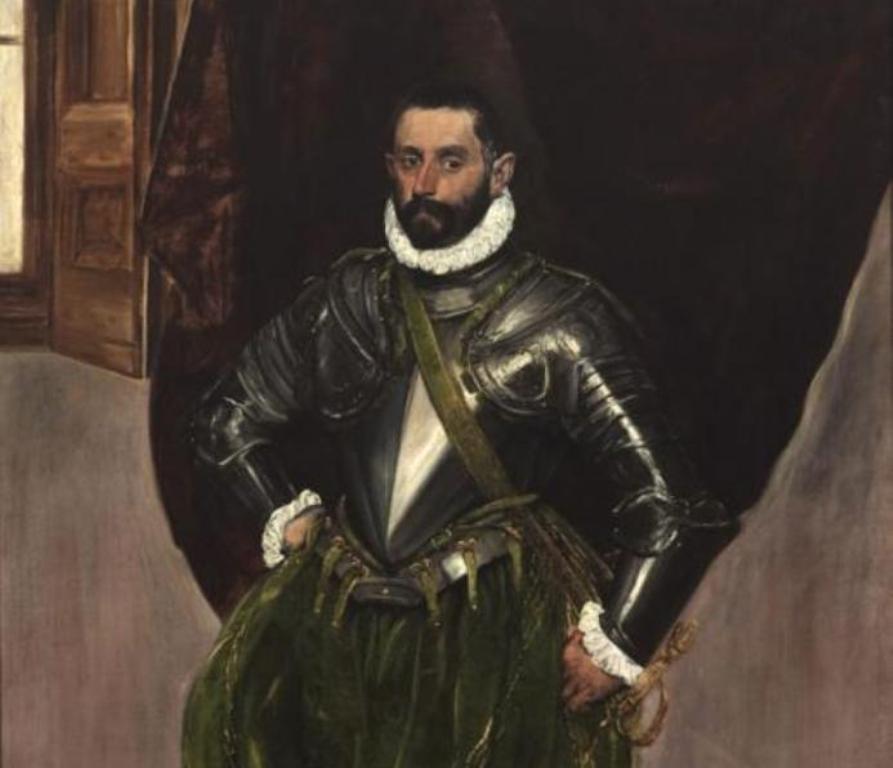
Last Friday I had the pleasure of attending one of the Frick Collection’s “Summer Nights,” a series that offers free after-hours admission and a number of activities centered on a single exhibition–lectures and live music among them. This particular evening was focused on Men in Armor: El Greco and Pulzone Face to Face, an exhibition with just two paintings. Jeongho …