For sheer variety of form, color, period, and place of origin it is difficult to match the offerings at the annual New York Ceramics Fair, where thirty-three tightly packed booths represent virtually everything in the world of fired clay-from purely utilitarian objects to those meant solely for aesthetic contemplation. Most of the dealers are from the United States, though there …
Farther Afield, January-March
Before she died in 1983 in her enormous hôtel particulier on the banks of the Seine, Mona Bismarck created a foundation for art and culture in her name, and gave it, in addition to an endowment, her historic mansion on the avenue de New York. It was Bismarck’s means of creating a legacy more enduring than merely that of …
Spirit Feel: A New Orleans Collection
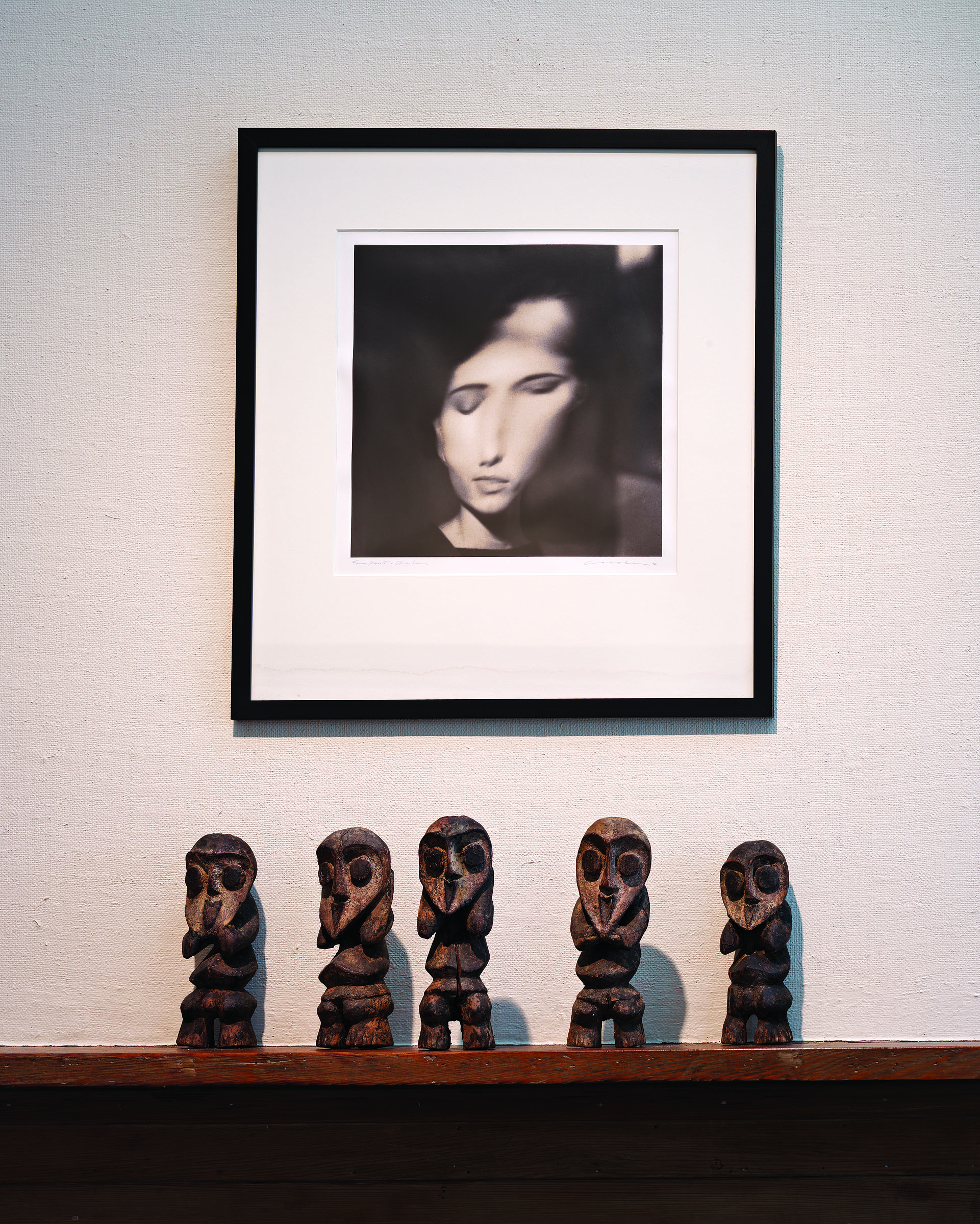
Photography by Richard Sexton | from The Magazine ANTIQUES, January/February 2013 | Africa feels close in New Orleans. You hear it in the blue notes and polyrhythmic drumming of jazz. You taste it in the okra-laden gumbos and rice dishes of the local cuisine. You see it in a host of traditional arts, from the richly beaded parading costumes of …
Forces for the new: Collectors and the 1913 Armory Show
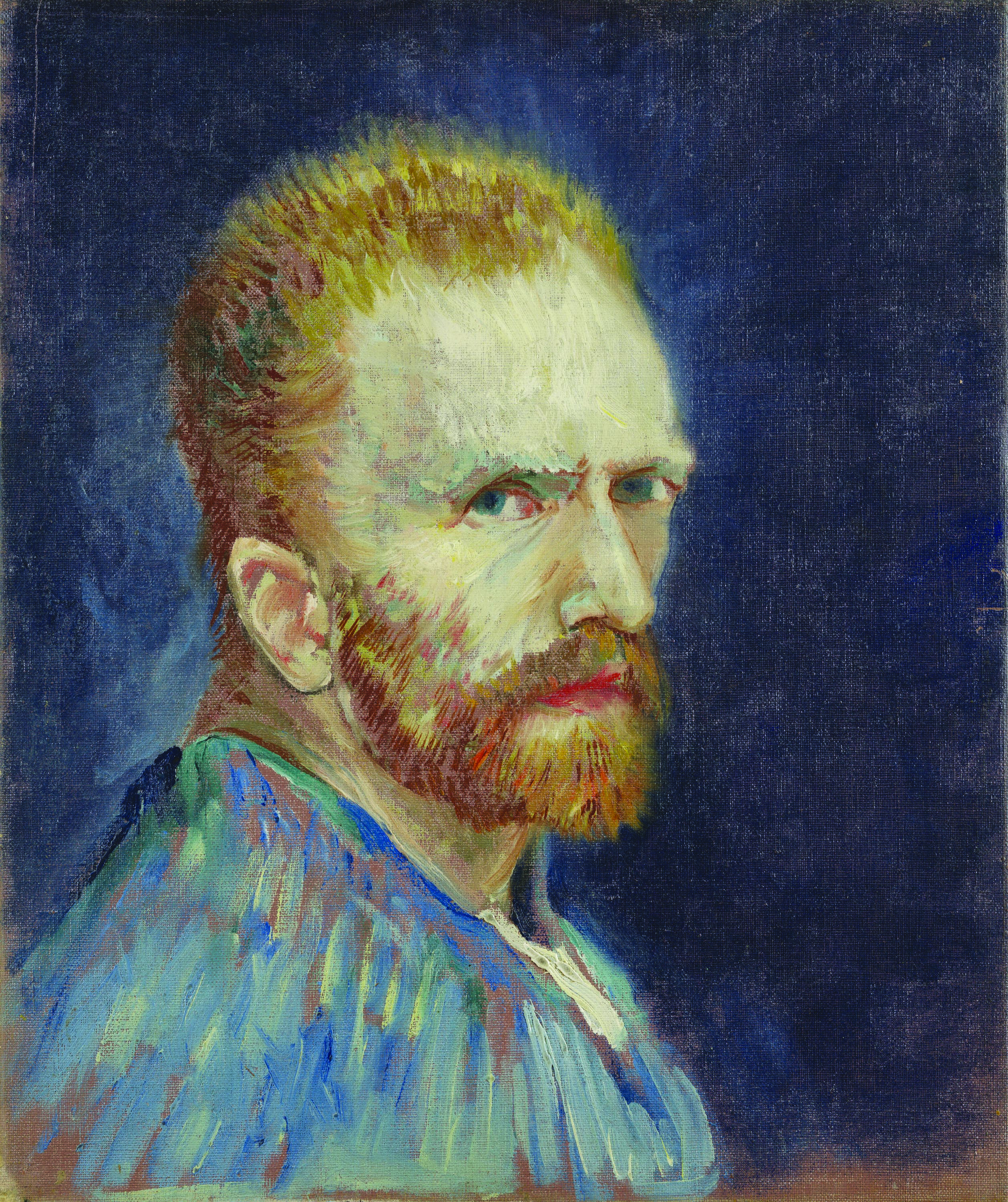
from The Magazine ANTIQUES, January/February 2013 | Fig. 14. Self-Portrait by van Gogh, c. 1887. Oil on canvas, 15 ¾ by 13 ⅜ inches. Wadsworth Athenaeum Museum of Art, Hartford, Connecticut, gift of Philip L. Goodwin in memory of his mother, Josephine S. Goodwin. On February 17, 1913, the most important art event ever held in America-the International Exhibition of …
Wendell D. Garrett, 1929-2012
from The Magazine ANTIQUES, January/February, 2013 | The editorials that Wendell Garrett wrote for this magazine over forty years radiate a quiet confidence in American democracy. But if you read a great many of them alongside the notebooks of quotations he kept throughout his life you begin to see a man who was actually turning over the topsoil of our …
A lost Copley found: The New York portrait of Captain Gabriel Maturin
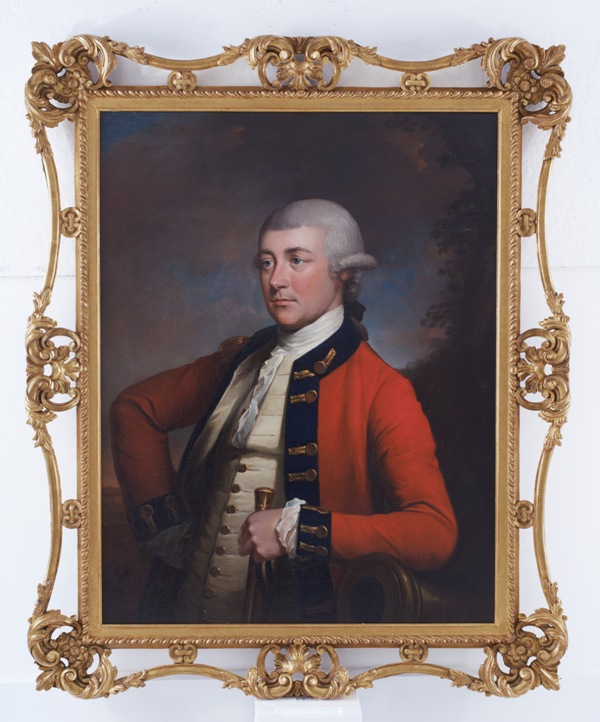
from The Magazine ANTIQUES, November/December 2012 | In the spring of 1771 John Singleton Copley had several good reasons to look south to New York for fresh fields to conquer. Although he had effectively joined the social ranks of his clientele by marrying into one of the leading Tory families of Boston and acquired a suitable gentleman’s estate on Beacon …
Sarah Goodrich: Mapping places in the heart
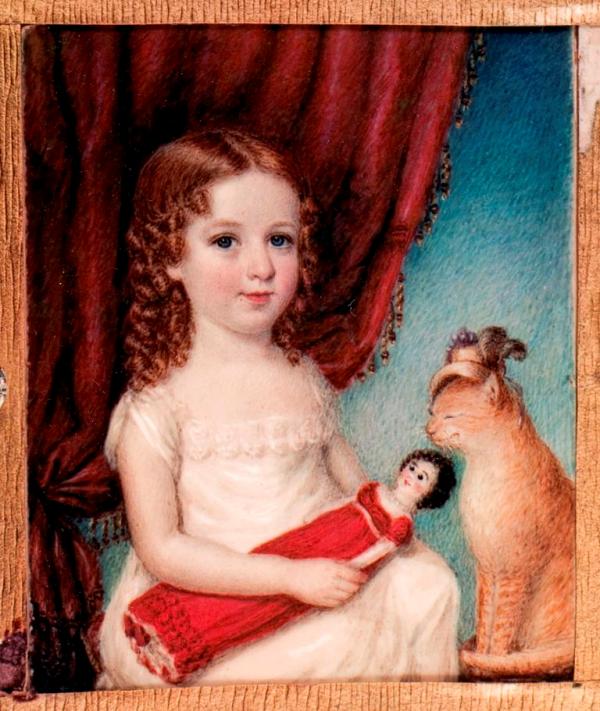
from The Magazine ANTIQUES, November/December 2012 | In a time of cultural awakening when Boston was hailed as the Athens of America, Sarah Goodrich (Fig. 3) was the city’s pre-eminent portrait miniaturist, creating indelible likenesses for more than a quarter-century between 1815 and 1850. Favored by such notable patrons as Daniel Webster, Thomas Handasyd Perkins, Edward Everett, and William Lindall Winthrop, she …
Louis C. Tiffany’s landscapes of devotion
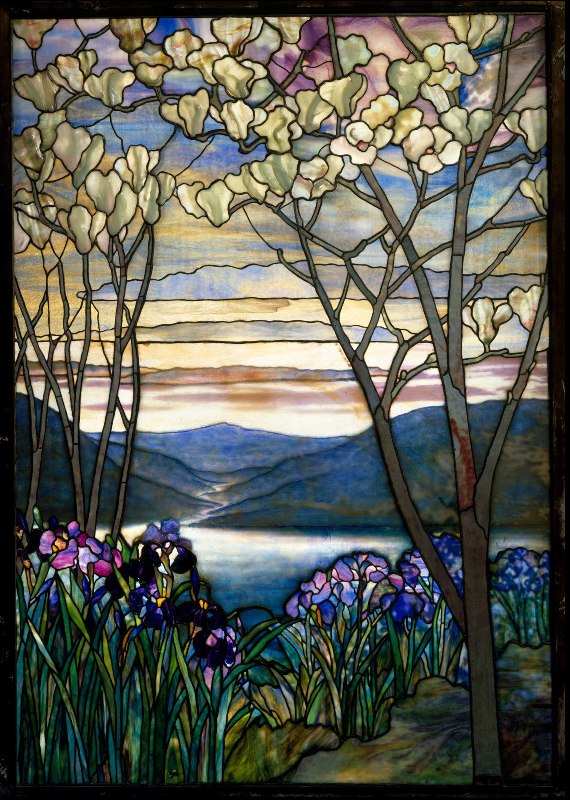
from The Magazine ANTIQUES, November/December 2012 | Today Louis Comfort Tiffany is widely recognized as America’s leading designer of the decades around 1900, but during his lifetime he was best known primarily as a designer of religious art, particularly memorial windows. They were installed by the thousands-mostly in Protestant churches and cemetery mausoleums-and formed the bulk of his business over four decades. …
The Lanford Wilson collection of self-taught art
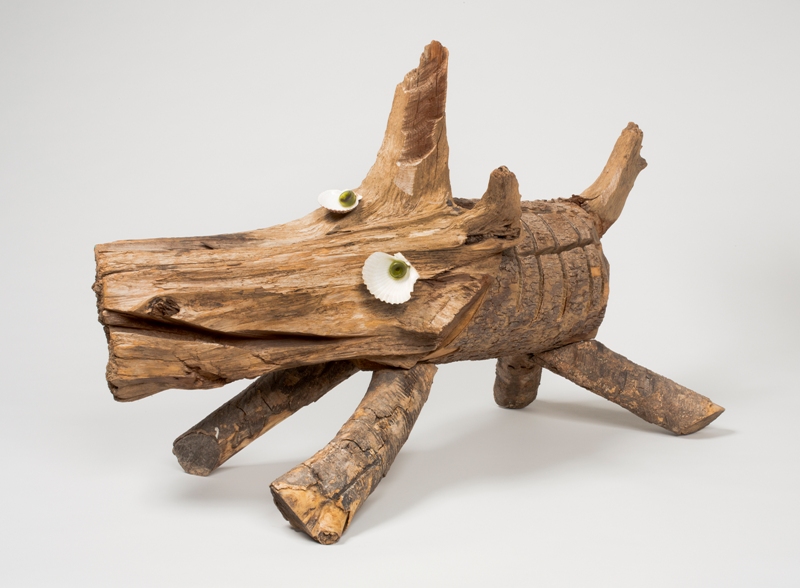
from The Magazine ANTIQUES, November/December 2012 | It was meant to be a souvenir. It became a passion. Lanford Wilson (Fig. 4), the Pulitzer Prize winning playwright of Burn This!, Talley’s Folly, and Fifth of July was in Natchitoches, Louisiana, in the late 1980s, watching the filming of Steel Magnolias (1989). Adapted from a successful play by native son Robert Harling, the …
How America found its face: Portrait miniatures in the New Republic
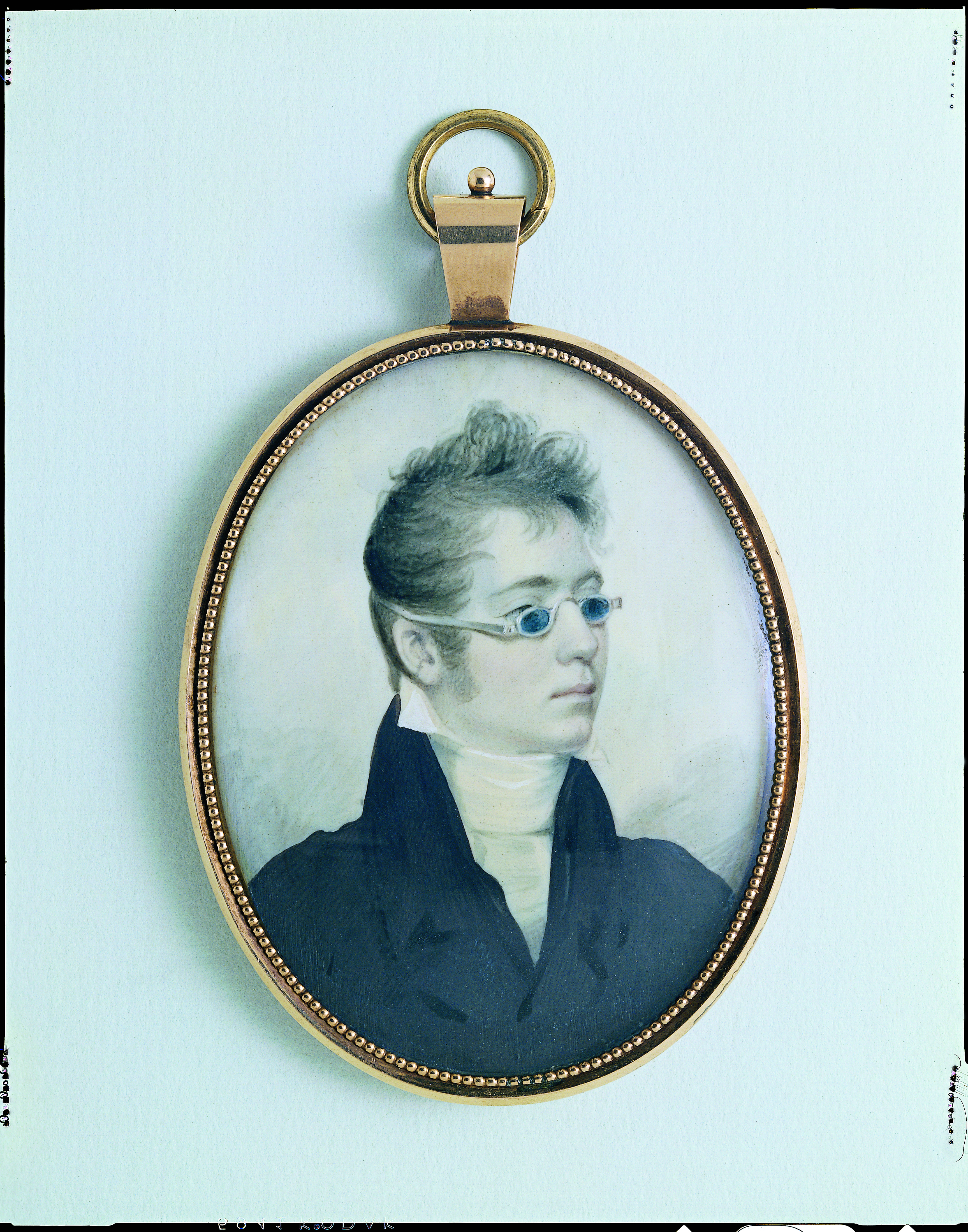
By Elle Shushan; from The Magazine ANTIQUES, April 2009. The stunning events of July 1804 were almost unfathomable for the citizens of the new American republic. One Founding Father had fatally wounded another. Alexander Hamilton was dead and Aaron Burr would be indicted for murder. The duel and its aftermath marked a turning point in American culture. Fig. 17. Thomas Cole …