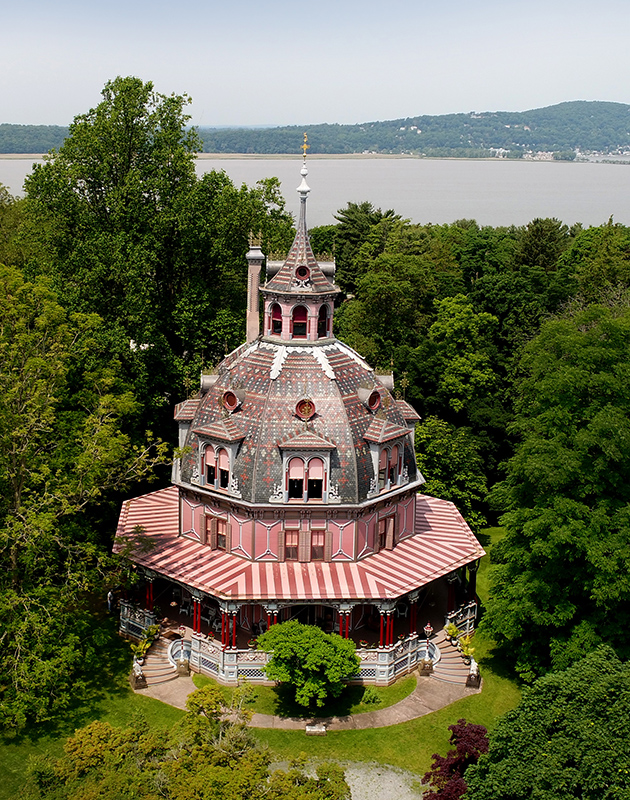
Second Empire France—ruled by Napoleon III from 1852 to 1870—bequeathed a varied and colorful legacy, especially in matters of architecture.
Below you'll see everything we could locate for your search of “William R. Hood Jr.”
Second Empire France—ruled by Napoleon III from 1852 to 1870—bequeathed a varied and colorful legacy, especially in matters of architecture.
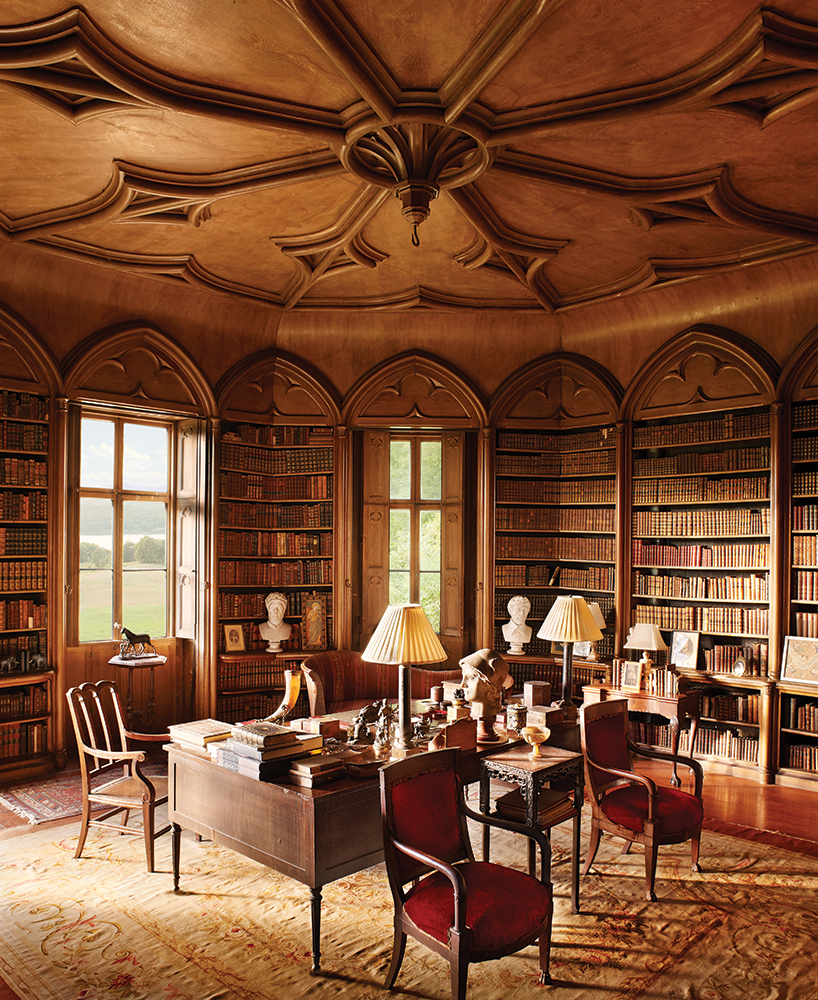
In an excerpt from his new book, Life Along the Hudson: The Historic Country Estates of the Livingston Family, Pieter Estersohn examines the rich legacy of one of America’s great houses.
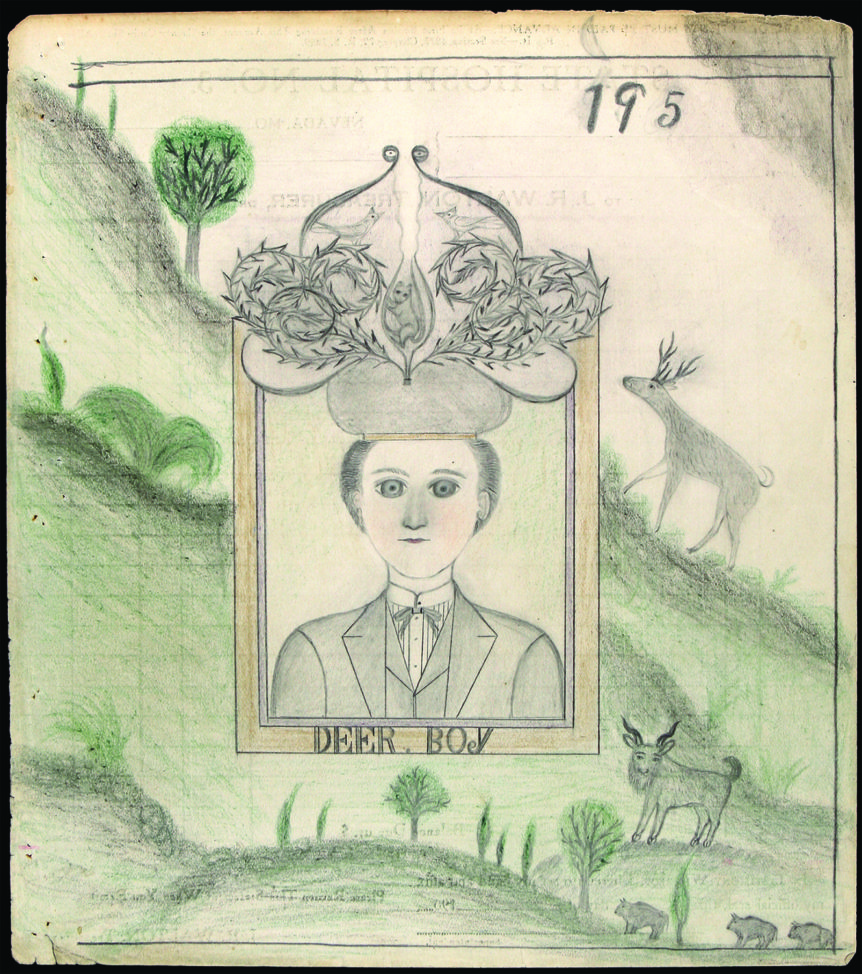
Vestiges & Verse at the American Folk Art Museum
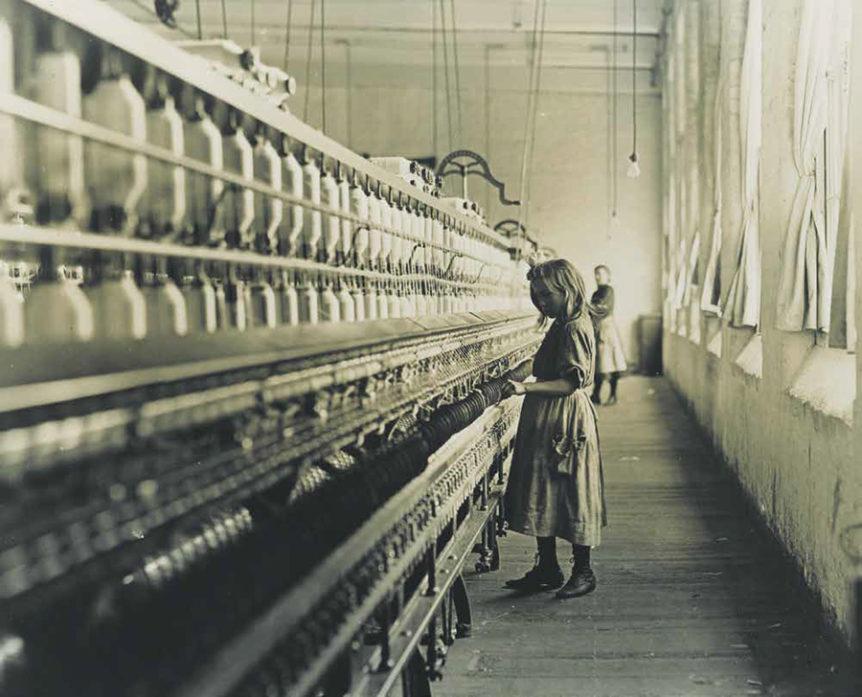
Depictions of women at work from the National Portrait Gallery’s new exhibition on American labor
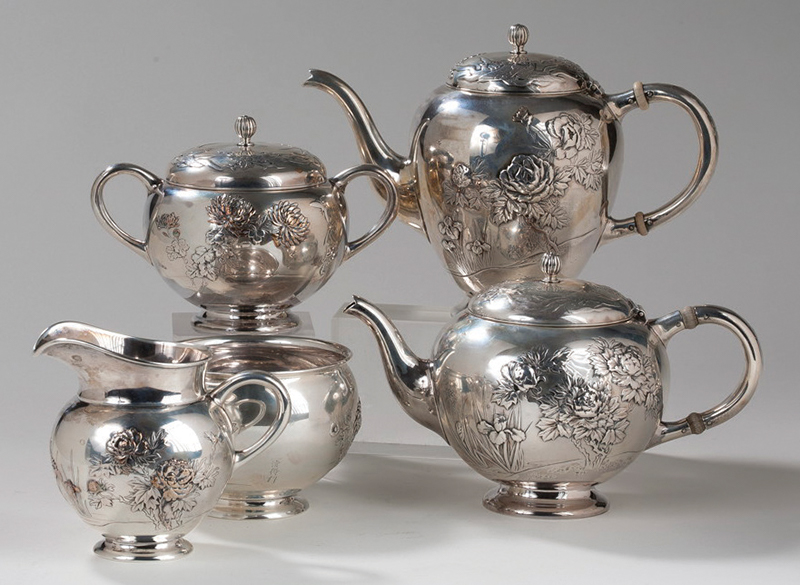
How the craftsmanship of two cultures met in Gorham’s “Japanese Work” silver
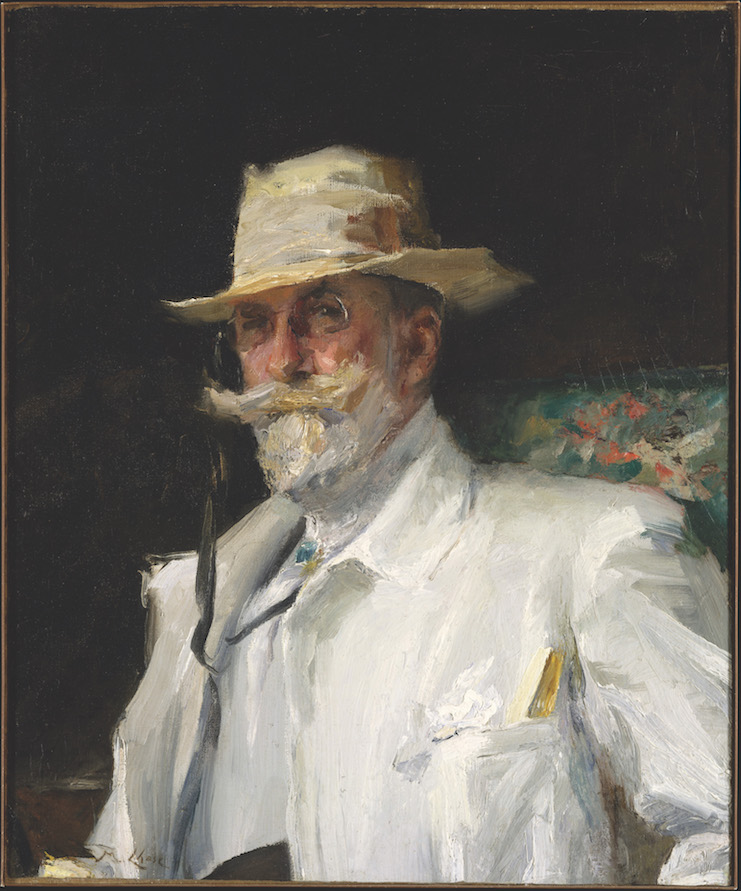
The artist Annie Traquair Lang begins to emerge from the shadow of her mentor and paramour, William Merritt Chase.

Presentation medals in the Age of Exploration
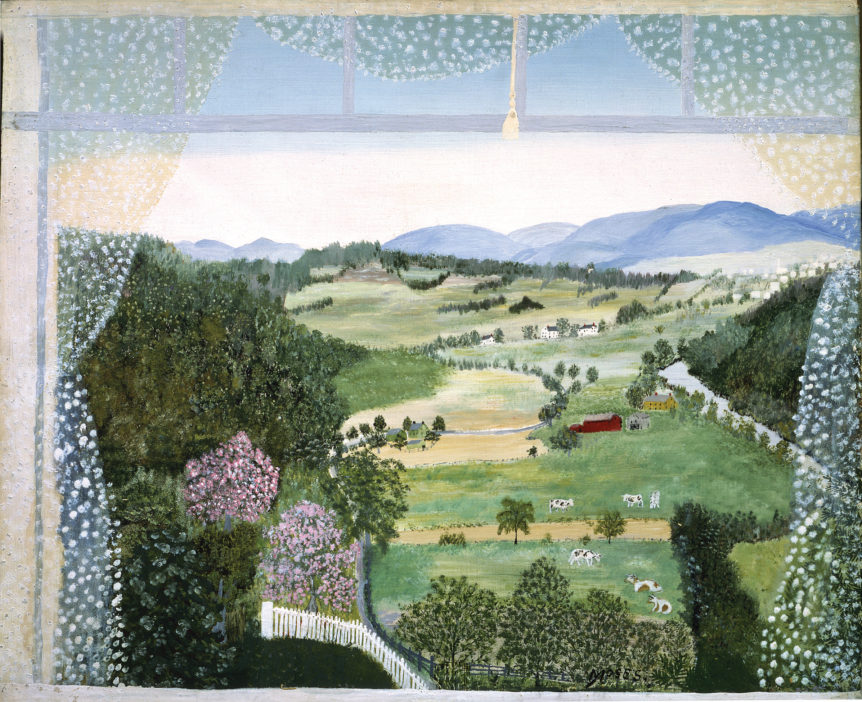
What did Grandma Moses have in common with the likes of Jackson Pollock? Arguably, plenty.
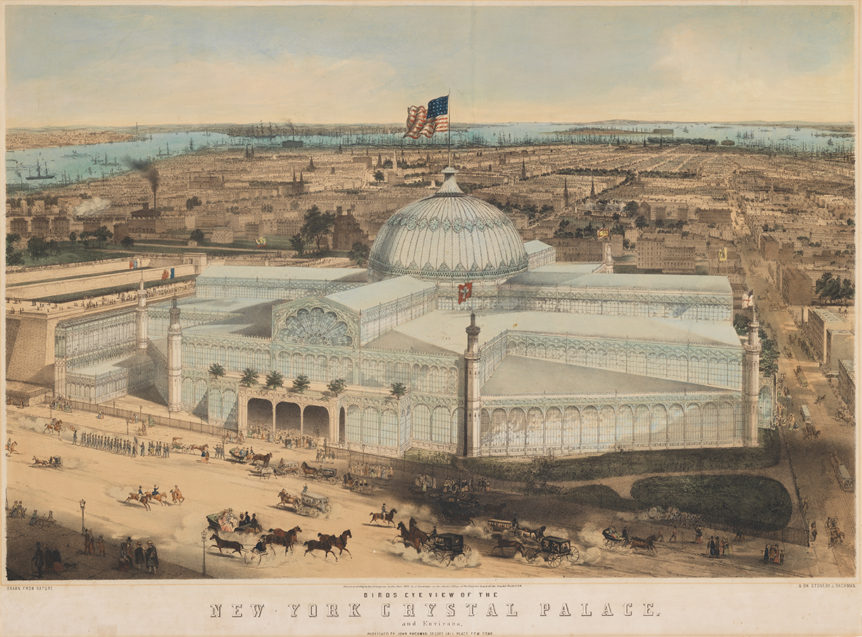
A new exhibition celebrates the Crystal Palace and the New York World’s Fair of 1853.
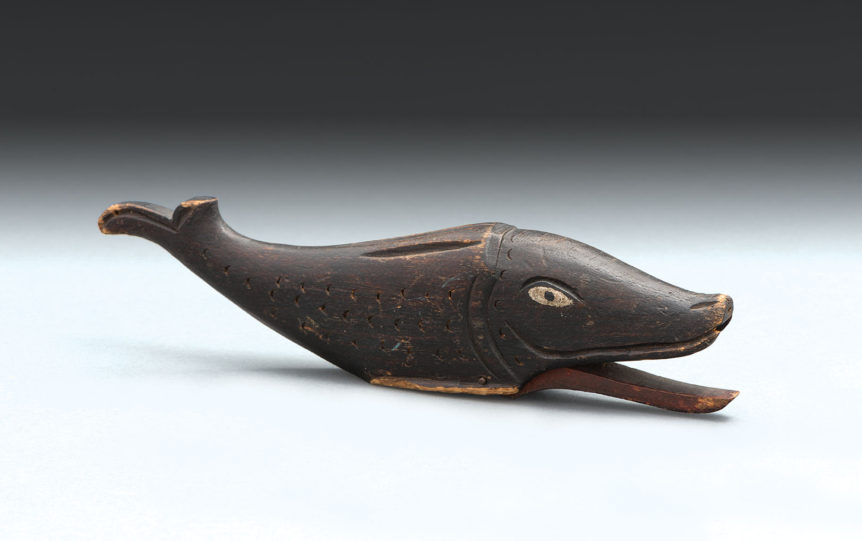
In 1926 John D. Rockefeller Jr. formally embarked on the project that would become the Colonial Williamsburg Foundation by purchasing Philip Ludwell’s house of about 1775 on Duke of Gloucester Street. That acquisition, the first “antique” in Colonial Williamsburg’s collection, came to play a pivotal role in the founding of what would eventually be the Abby Aldrich Rockefeller Folk Art Museum.