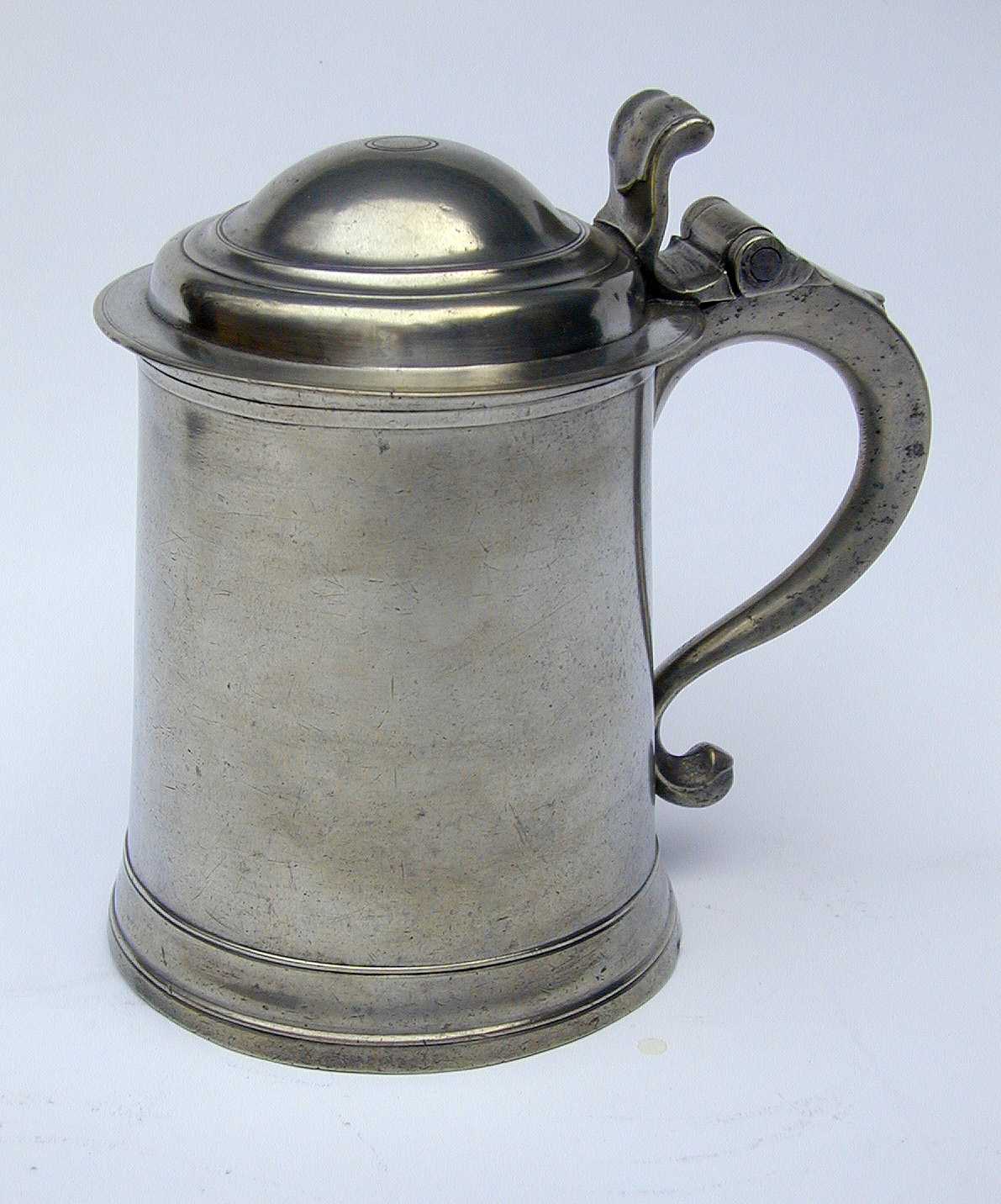
Skippets

Editorial Staff Art

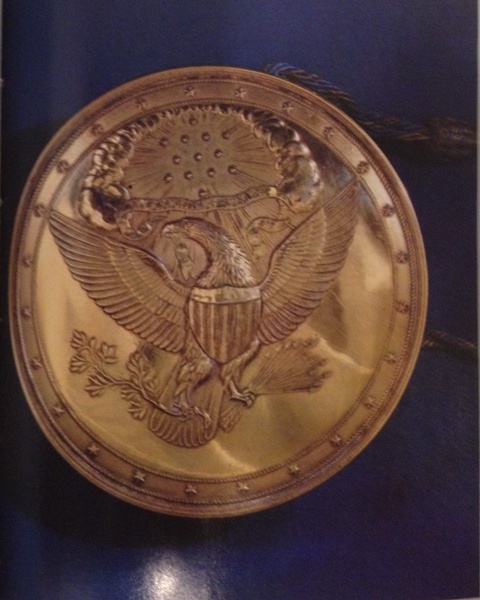
By J. S. BROWN; From The Magazine ANTIQUES, July 1978. Skippets are small boxes made to hold and protect pendent wax seals attached to important documents. Silver, silver-gilt, and gold examples were used by the United States government between 1815 and 1871, primarily on treaties with other countries that had been ratified by Congress. The skippet was suspended from the treaty by …
American folk painting, The Wiltshire collection

Editorial Staff Art

By RICHARD WOODWARD; from The Magazine ANTIQUES, September 1978. Paintings by America’s first artists afford an informative and entertaining view of the nation’s early years. Many of these painters received academic instruction at home or abroad, while others were either wholly untutored or obtained their training from nonacademic sources. The work of this latter group, the “folk painters,” provides an insight into …

Two hoof spoons

Editorial Staff Art

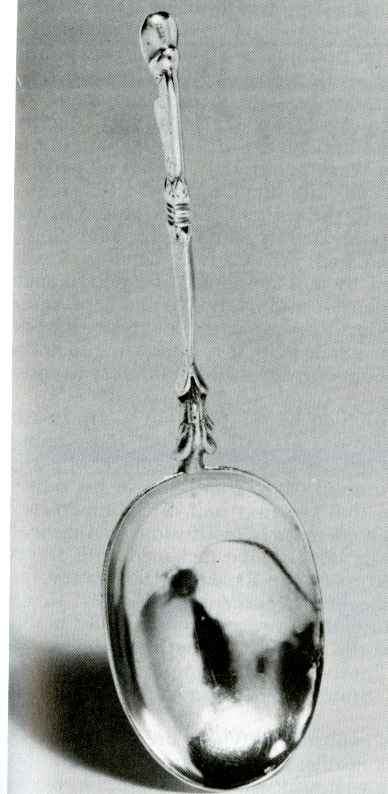
By ALBERT SCHER; from The Magazine ANTIQUES, September 1978.  When Helen Burr Smith wrote about silver spoons with hoof-shape terminals in ANTIQUES in 1944 there were only four of these interesting survivals from seventeenth-century Dutch New York households known in America. Now two more hoof spoons have come to light.   Fig. 1-Silver hoof spoon, probably New York, seventeenth century. Length 6 …

The Cartier fern-spray brooches

Editorial Staff Art

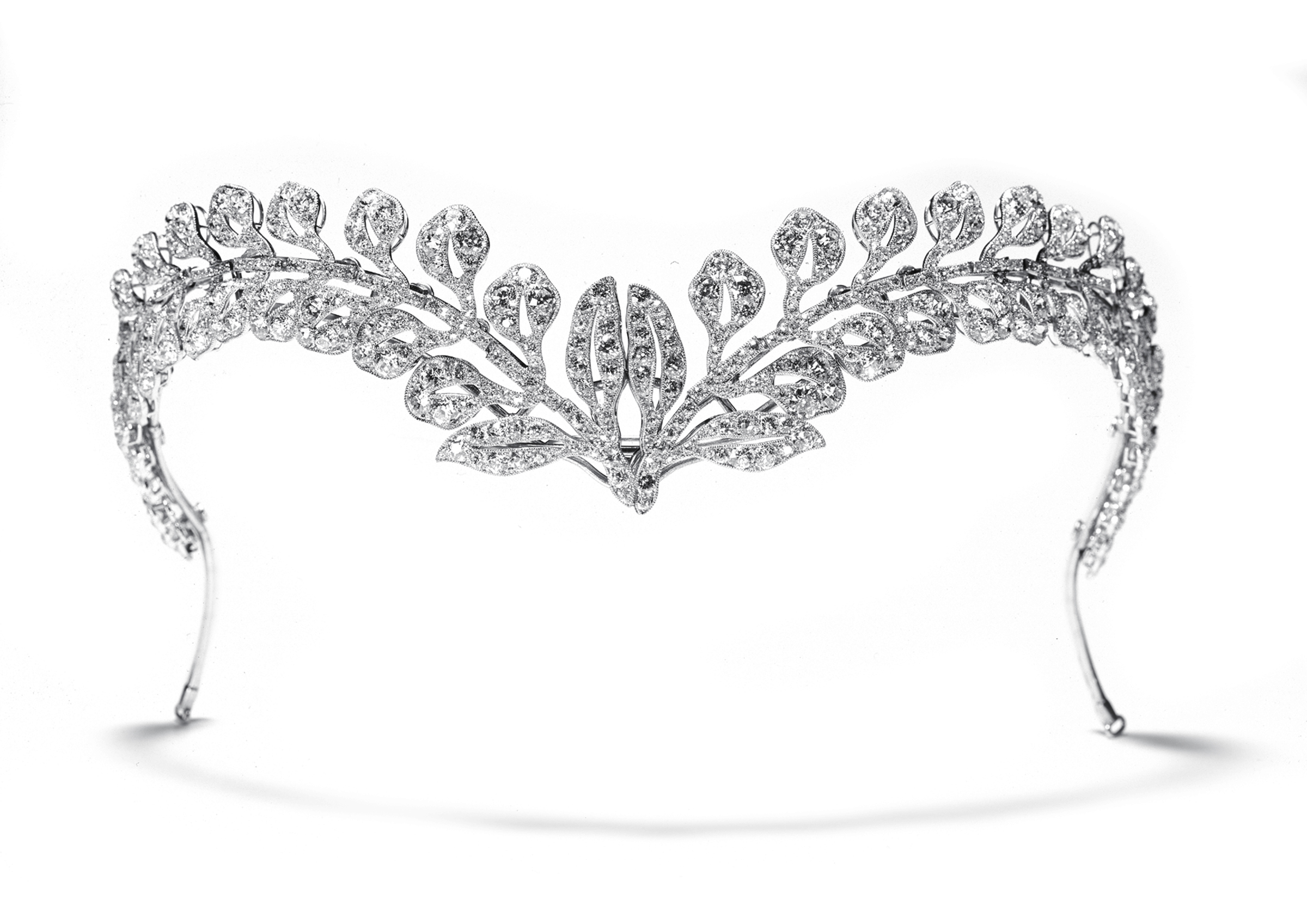
from The Magazine ANTIQUES, March/April 2013 | The beauty of the diamond contains within it the awesomeness of geological time. But for sheer scale and lavishness, diamond jewelry reached its climax during the relatively brief reign of Britain’s Edward VII from 1901 to 1910. The conven­tions of evening court attire made it imperative that those in possession of a fortune …

Many paths to modernity

Editorial Staff Art

from The Magazine ANTIQUES, March/April 2013 | A 1947 newsreel shows throngs of men filling Delhi’s open spaces and government compounds while a voiceover in a clipped British cadence reports that “everyone ran wild with joy.”1 After almost ninety years of colonial rule, the Indian subcontinent was free-albeit split. Twenty-four hours earlier, Pakistan had been carved out as an independent …

Rediscovering an art star

Editorial Staff Art

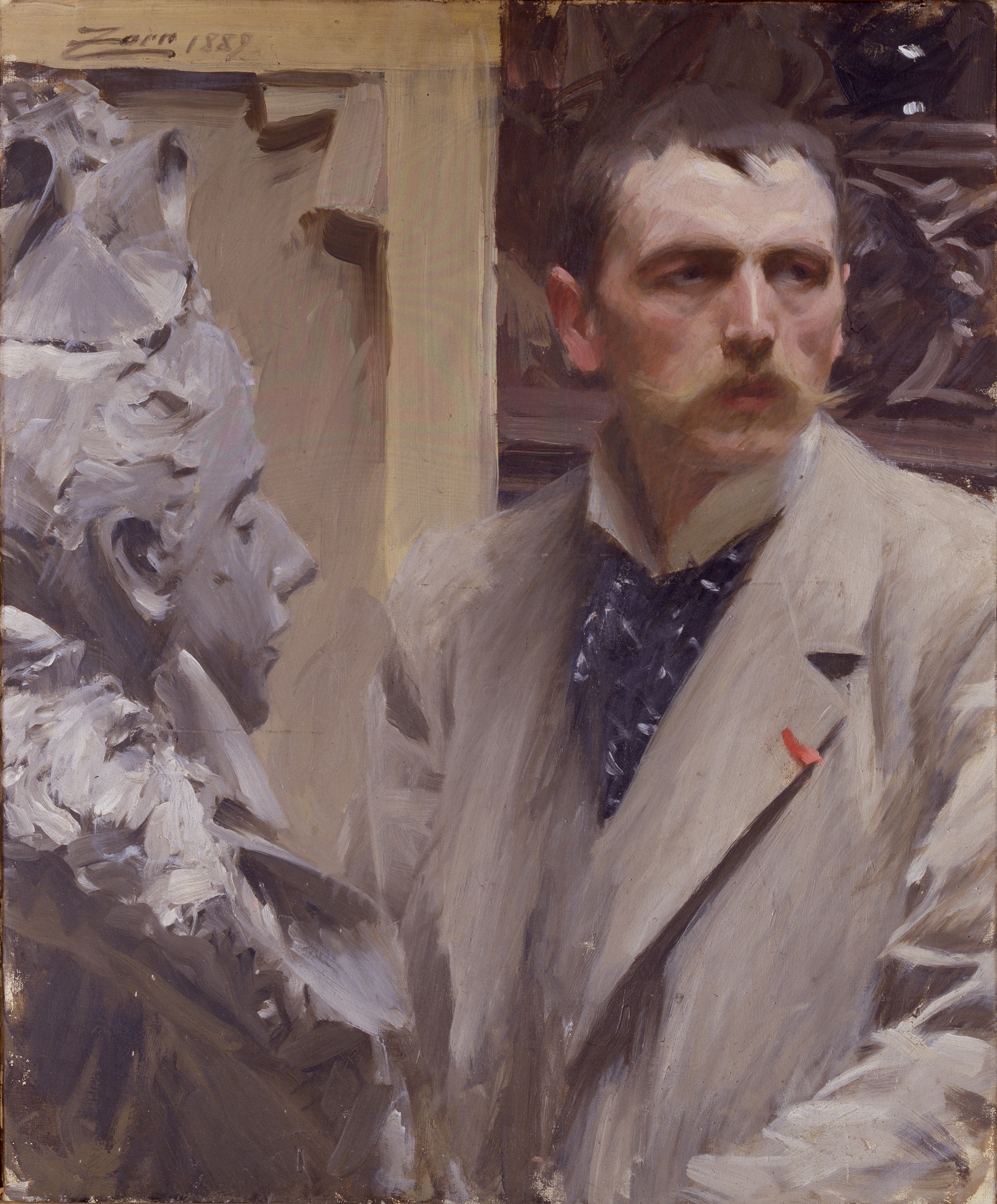
from The Magazine ANTIQUES, March/April 2013 | In recent decades, few provinces of human creativity have fallen into swifter or more thorough disrepute than the society portrait. So steeply have its fortunes declined that the latest generation might be surprised to learn that this genre once held a position of signal honor among the varied forms of painting. Indeed, a …

Dealer Profile: Peter Tillou

Editorial Staff Art

Every so often a few wise things get said about the passions of people who are collectors (most famously in Walter Benjamin’s essay “Unpacking My Library”). Rarely is anything of interest written about dealers, and oddly enough, almost nothing can be found on the nature of that intriguing hybrid, the dealer/collector, which brings us to the pre-eminent example of the …

A Demonstration in Pewter Making

Editorial Staff Art

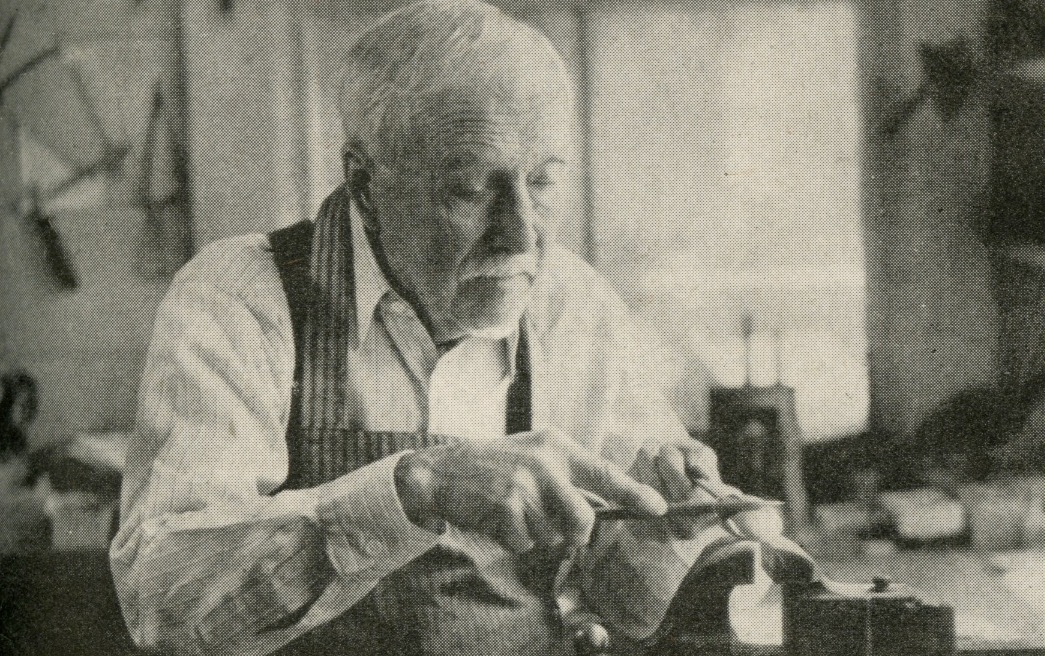
By L. M. A. ROY [Originally published September 1949 ; posted in conjunction with Barrymore Laurence Scherer’s “American Pewter,” March/April 2013.] Mr. Roy’s model for this pictorial demonstration was John G. Herrock, “whose family,” he says,” were tinkering with tools from the time they came to Maine in 1799.”  Besides pewter, he makes violins, reproductions of colonial furniture, wrought iron, jewelry, and …

American pewter

Editorial Staff Art

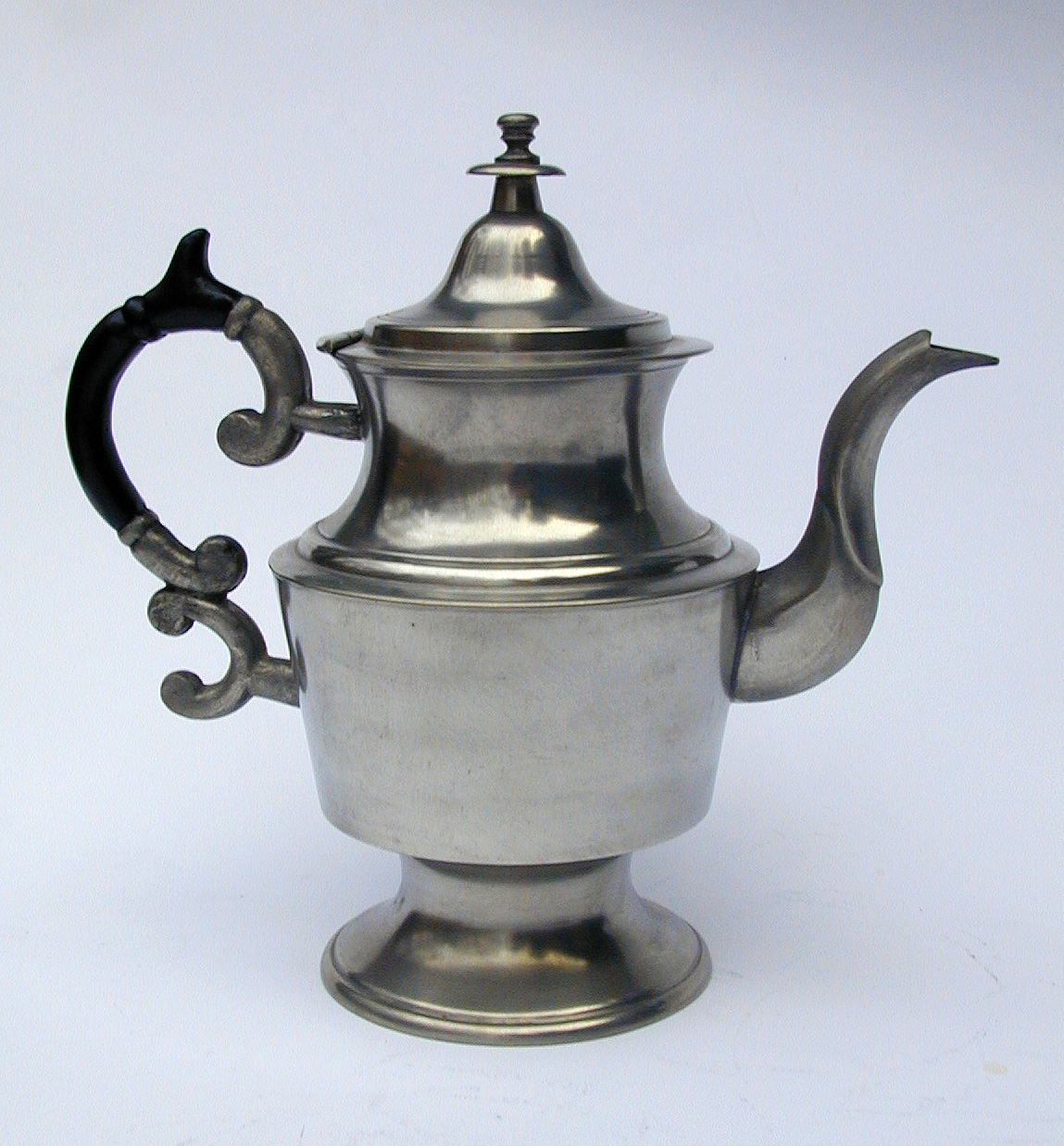
from The Magazine ANTIQUES, March/April, 2013 | Pewter is effectively the mirror alloy of bronze: the lat­ter is an alloy of copper with a little tin, while pewter is the result of smelting tin with a little copper. The large tin content imparts the silver-gray color-indeed the more tin, the more silvery the appearance. Pewter has been worked from ancient …

The Care of Pewter

Editorial Staff Art

  By John W. Poole [Originally published November 1938; posted in conjunction with Barrymore Laurence Scherer’s “American Pewter,” March/April 2013.] IN ADDITION to the desirability of maintaining the value of personal property, the owner of antiquities possessing historical and cultural significance owes a very definite obligation to posterity. In some fields, little or none of this responsibility may be shifted …