The comeback: The National Academy reopens with six new exhibitions

Editorial StaffExhibitions

from The Magazine ANTIQUES, September/October 2011 | The National Academy reopens with six exhibitions designed to reclaim its pivotal role in American art and architecture. Many who stroll along New York’s Museum Mile surely break their stride at the handsome Beaux Arts facade at 1083 Fifth Avenue, just to the north of the Solomon R. Guggenheim Museum. They slow down …
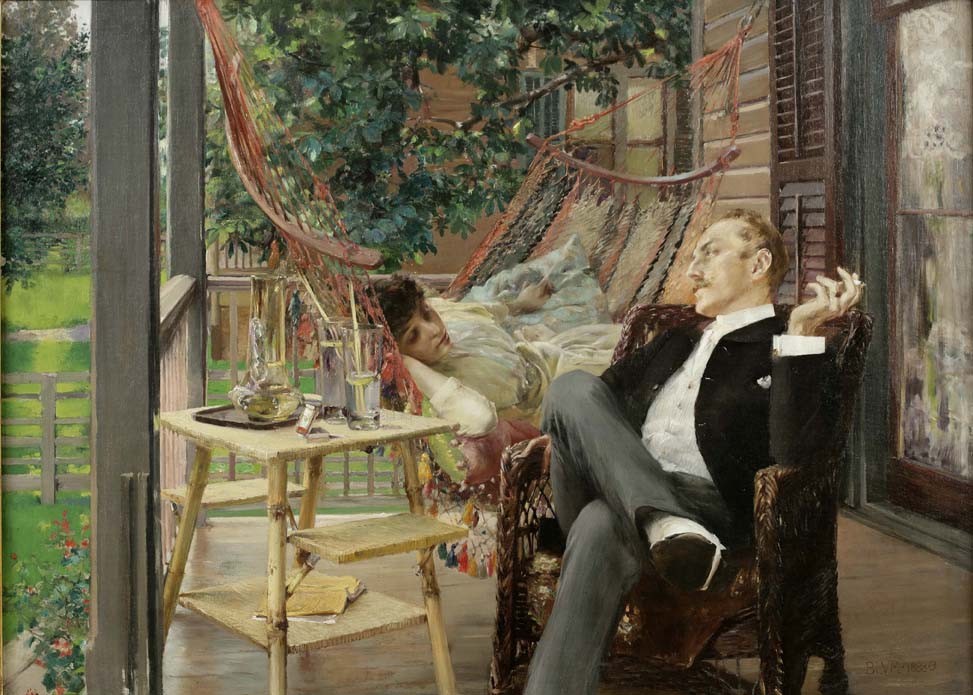
American Revivalism: This country’s love affair with the colonial revival

Editorial StaffExhibitions

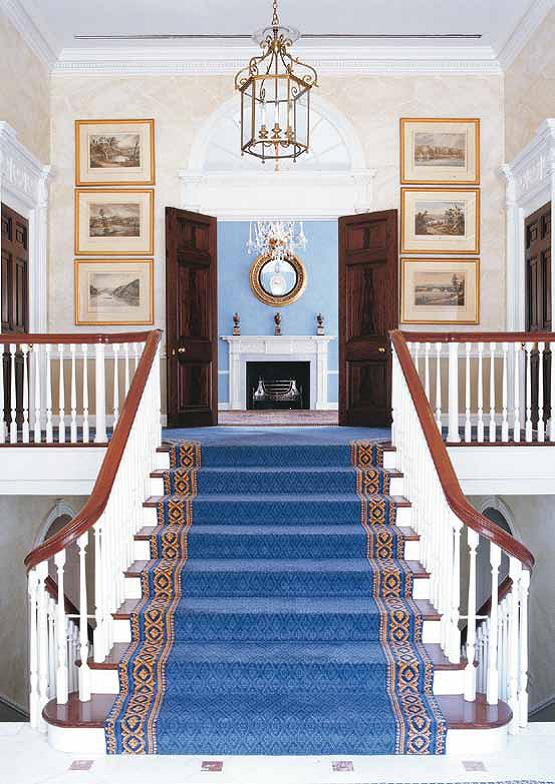
from The Magazine ANTIQUES, May/June 2011 | Entrance hall with staircase to the ballroom in the Susan E. Wagner Wing of Gracie Mansion, New York City, decorated by Jamie Drake, 2002. Photograph by William Waldron, courtesy of Jamie Drake Designs. Howard Johnson’s restaurant, Tichnor Quality Views, produced by Tichnor Brothers, Boston, Massachusetts, c.1940s. Courtesy of the Kummerlowe Archive.   Detail …

Eugene Von Bruenchenhein

Editorial StaffExhibitions

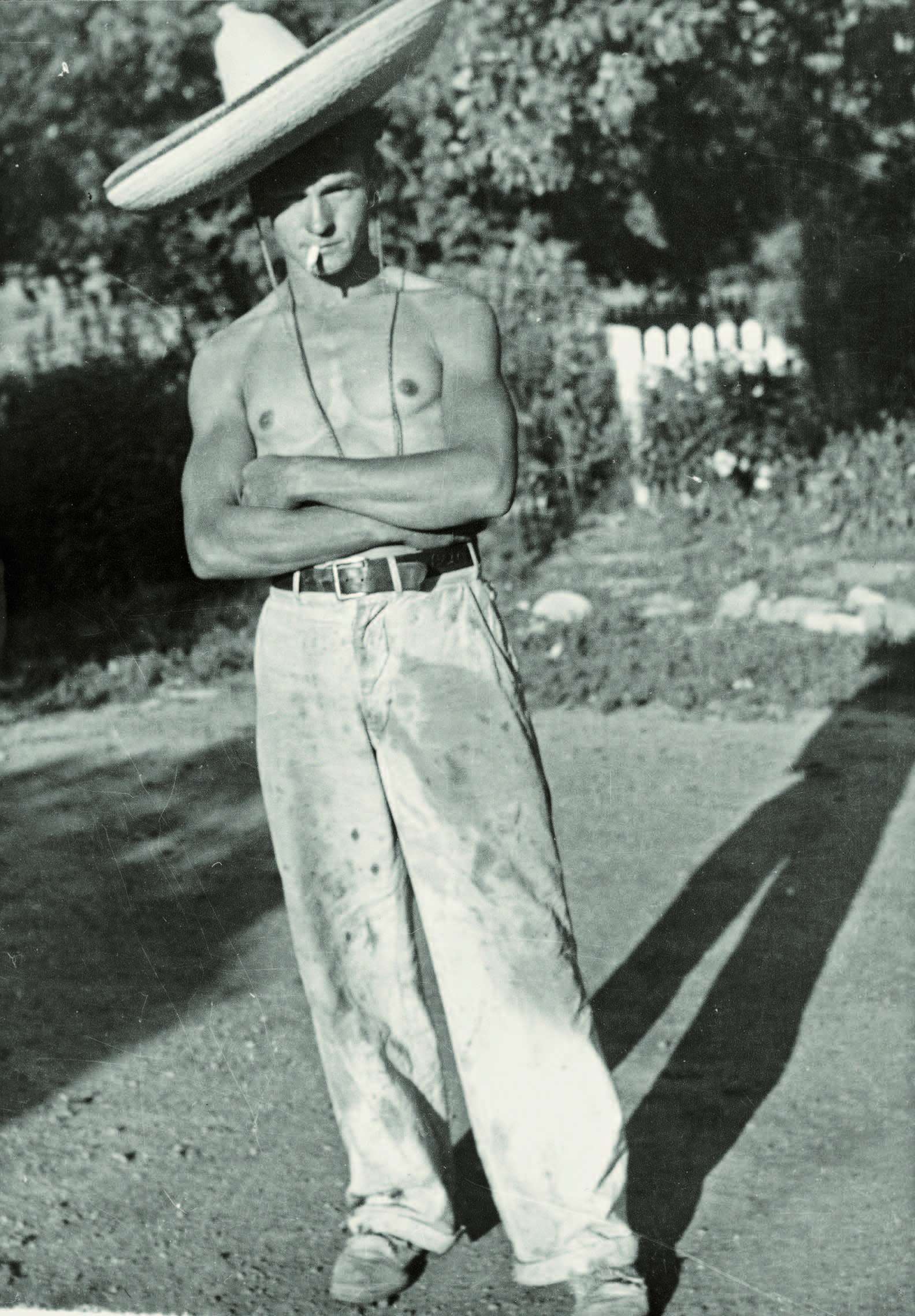
We are certainly entitled to call Eugene Von Bruenchenhein an outsider artist, but he himself would not have seen it that way. Yes, he was self-taught and impoverished and surely he felt deeply alienated from the society that surrounded him. But you could say as much for many another artist who achieved success over the past century. As for Von …

Uncompromising Truth

Editorial StaffExhibitions

In 1841 the English art critic and social theorist John Ruskin hired a young valet by the name of John Hobbs. For the sake of propriety Ruskin resolved to address Hobbs as “George,” on the principle that a Victorian gentleman, even one with advanced political beliefs, should not have to share his name with a servant. Hobbs’s duties, although initially …

Color in a Higher Key: John La Farge

Editorial StaffExhibitions

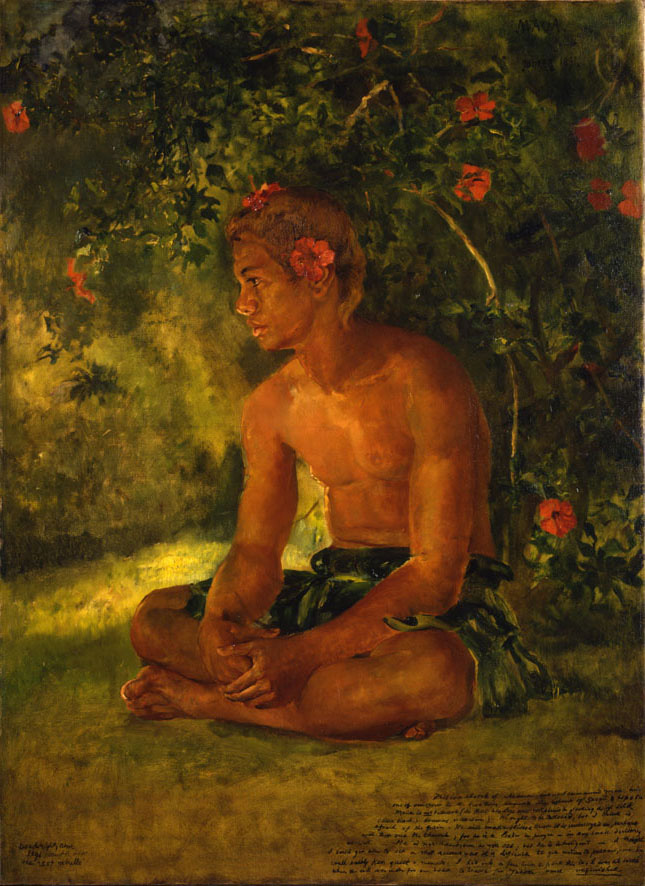
John La Farge and Paul Gauguin never met, which is just as well. Had they done so, these two painters, one an American academician, the other a French bohemian, would surely have despised one another. Indeed, even without meeting Gauguin, La Farge was comfortable dismissing him as “wild and stupid…[a man who] went into the wilderness and lived the simple …

Fantastic Mr. Shearer

Editorial StaffExhibitions

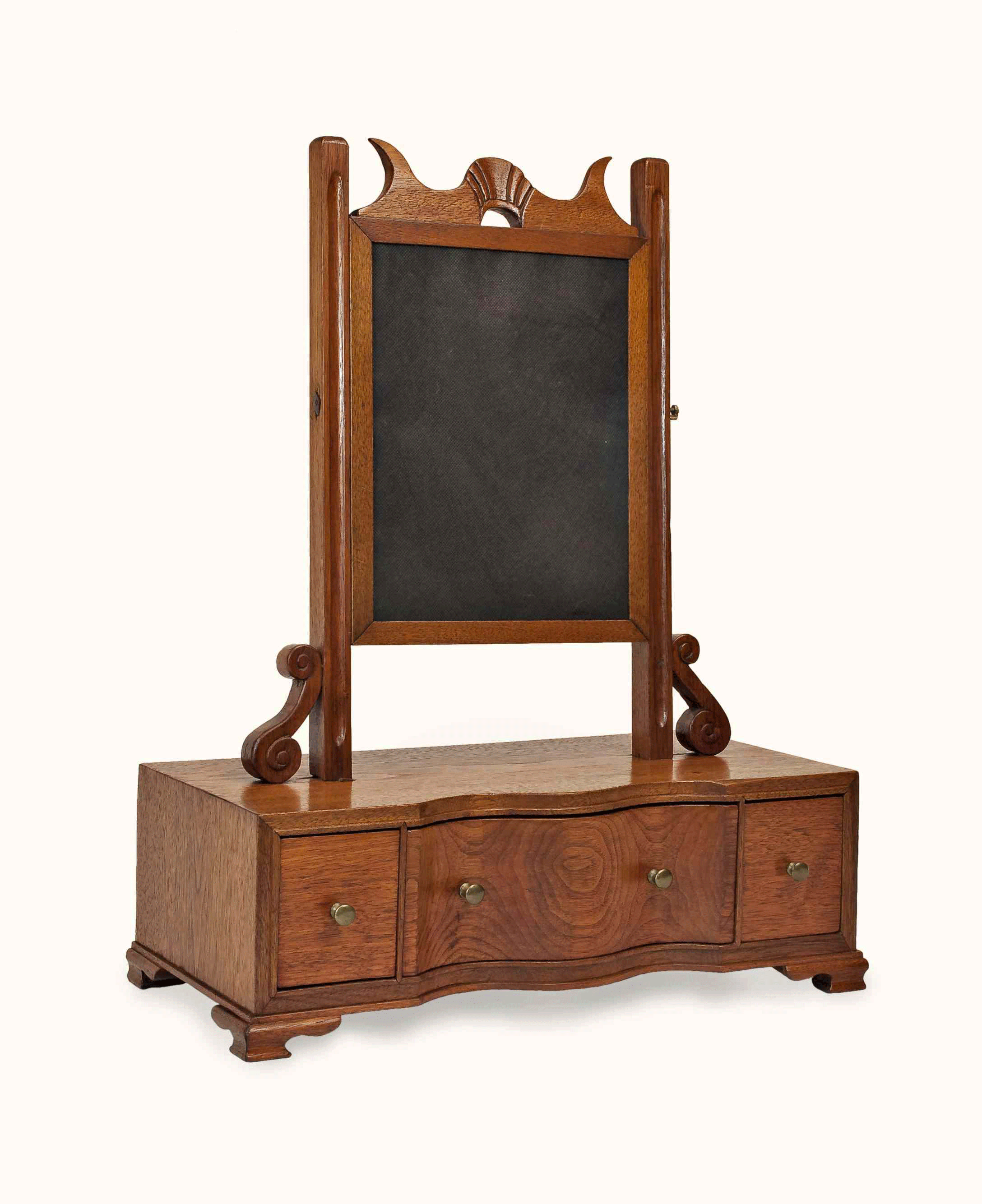
Fantastic Mr. Shearer A man with a mission, the elusive late eighteenth- and early nineteenth-century Virginia cabinetmaker John Shearer often professed his British loyalties in carving and inlay. Even when he did not, his furniture displays an idiosyncratic style that has long intrigued scholars and collectors-and made Shearer the subject of two articles in our April-May 2010 issue, written in …

The Emperor’s Secret Garden

Editorial StaffExhibitions

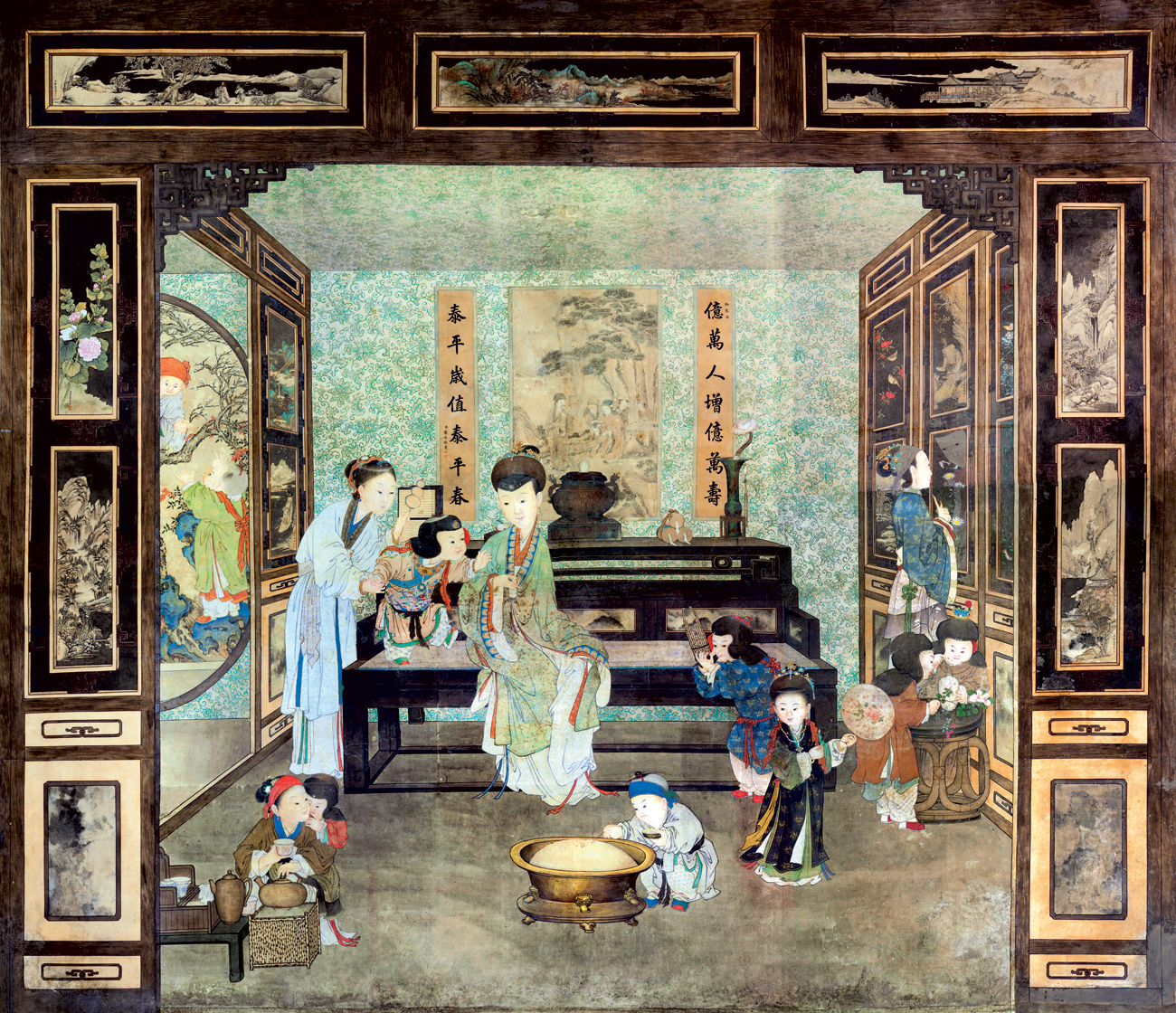
Fig. 1. Mural of an interior scene from the Yucuixuan (Bower of Purest Jade) in the Qianlong Garden, Beijing, c. 1776. Ink and colors on paper, 10 feet, 4 ¾ inches by 12 feet, ⅜ inch. Many artists from the ateliers of the Qianlong emperor (r. 1736–1796) contributed paintings to the scene, among them Yao Wenhan (active c. 1739–1752), who …

Charles Deas West

Editorial StaffExhibitions

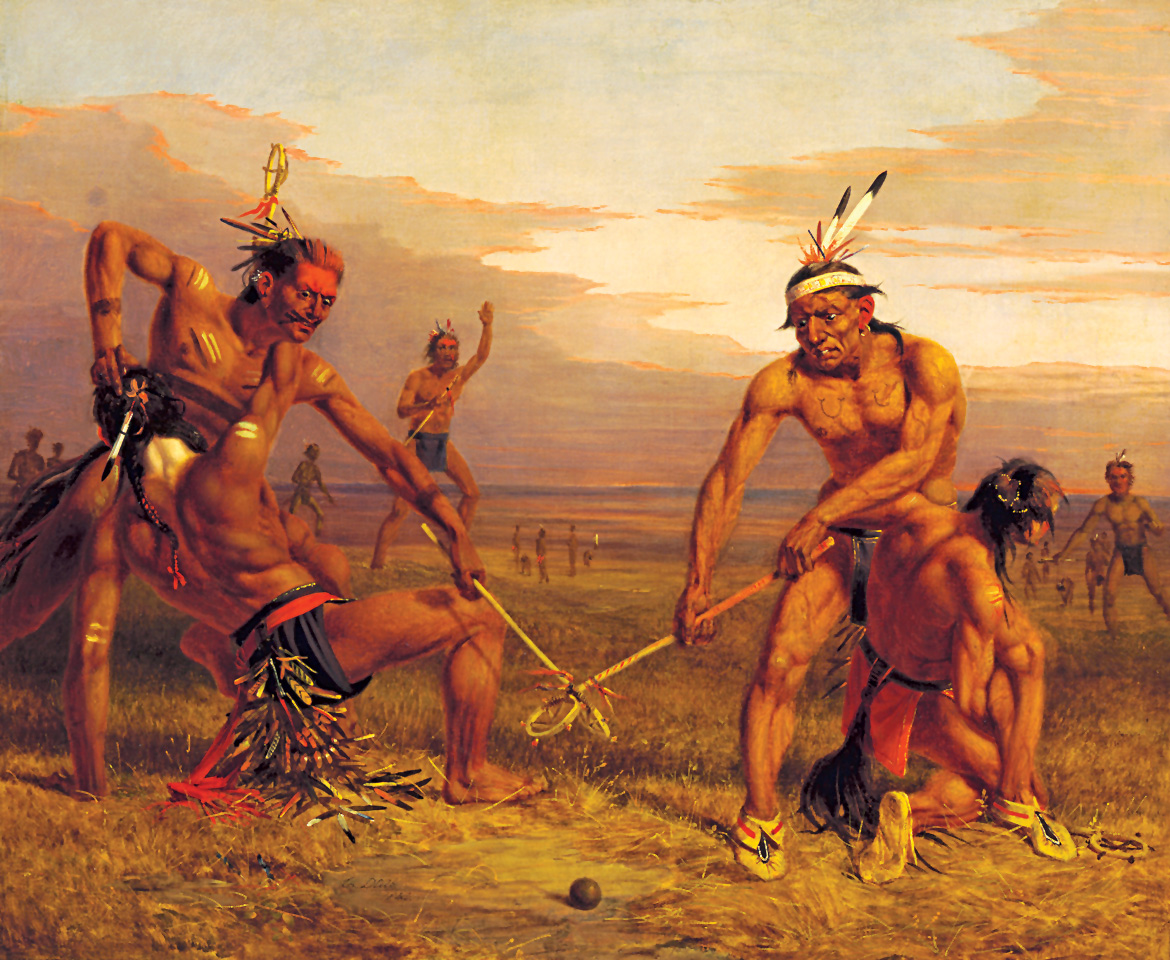
During the 1840s Charles Deas, a scion of the wealthy antebellum Izard family of South Carolina, painted dramatic images of the American West that captured the young nation’s uncertainty about its future—and the imagination of a vast viewing public. Late in the decade, however, he slid into insanity (he spent almost half of his fortyeight years in asylums), and both …

Helen Turner

Editorial StaffExhibitions

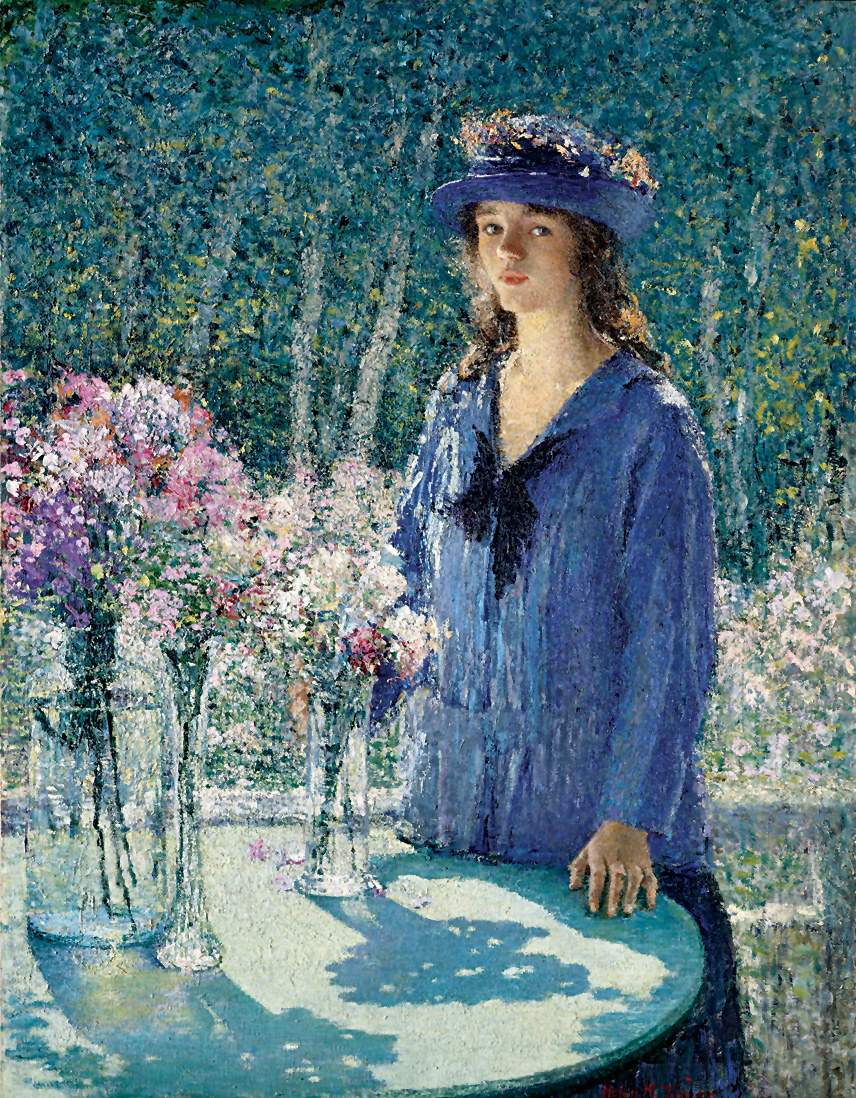
Orphaned at thirteen, Helen M. Turner overcame enormous obstacles to become one of the most successful American woman artists of the first half of the twentieth century. A daughter of the South, she worked in the impressionist style across a range of genres, specializing in subjects that portrayed the woman’s sphere, from still lifes of dressing-table tops to figures in …