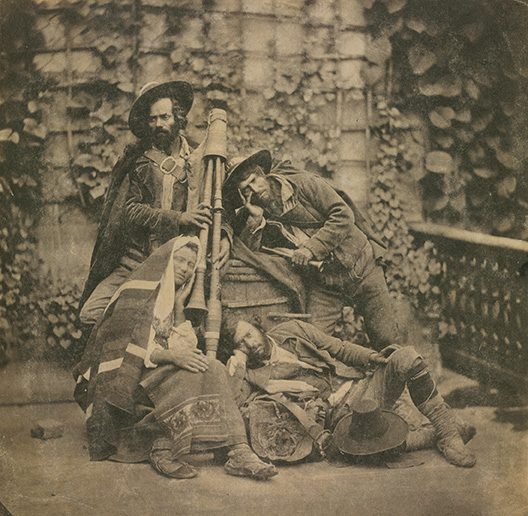
Every photographic portrait confers on its subject some degree of immortality. We take for granted the ability to know what a person looks like, since images of family, friends, and famous strangers dead and alive are at our fingertips through a Google Images or Facebook search. But until 1839 only the wealthy could have a likeness recorded, share it with others, and leave it behind for future generations.
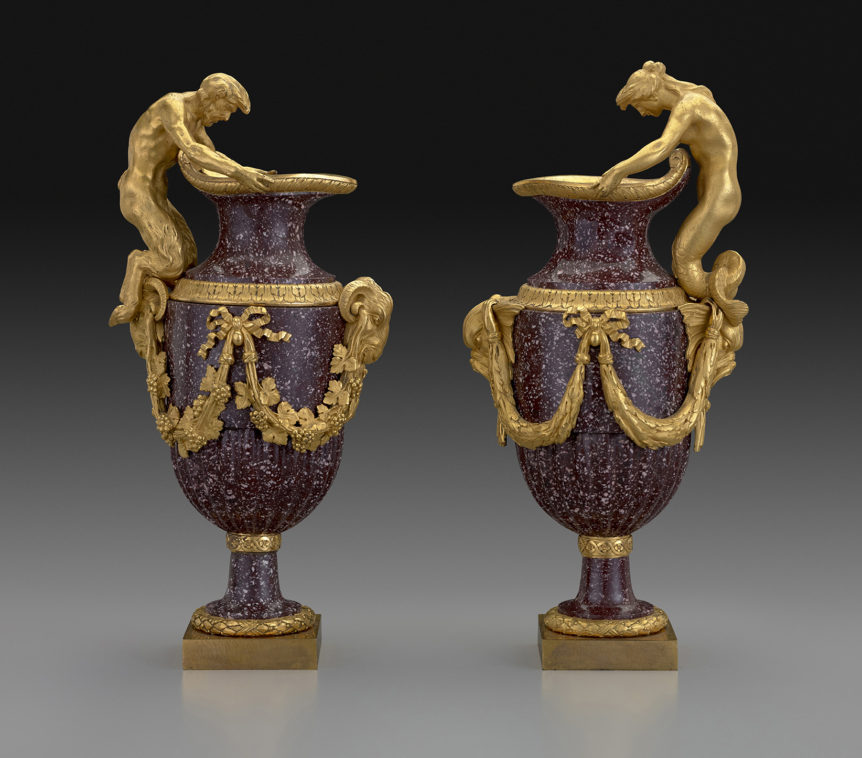
The ancien regime’s master of precious metals: Celebrating Pierre Gouthiere at the Frick
This month the Frick opens Pierre Gouthière: Virtuoso Gilder at the French Court, the first show devoted to the work in gilded metal—traditionally called bronze d’oré in French—by an artist whose achievements placed him among the finest French masters of the eighteenth century.
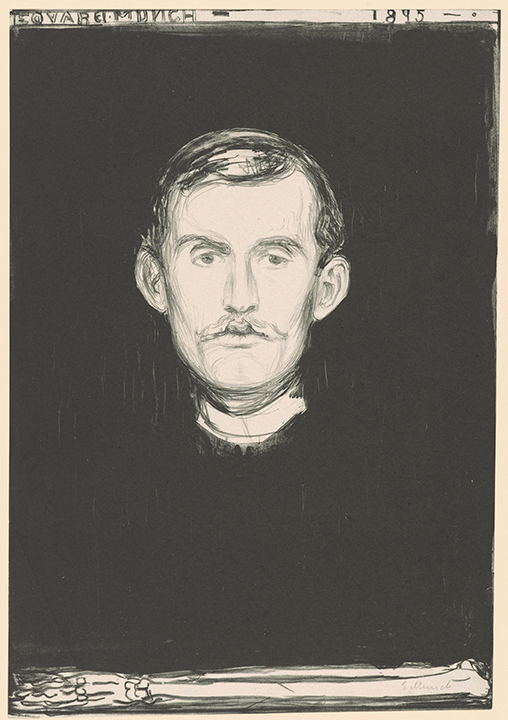
Strange bedfellows: Munch and Johns at the Virginia Museum of Fine Arts
Asked to name two artists least likely to be paired in a museum exhibition, you could do worse than to suggest Edvard Munch and Jasper Johns. The former is the father of expressionism, maker of The Scream and other paintings filled with anxiety and existential dread; the latter is best known for his cool and detached depictions of commonplace objects such as flags and targets—works that laid the foundation for pop art and other contemporary art movements.
Art at the Brandywine River Museum of Art
A decidedly different perspective on the pasture can be seen at the Brandywine River Museum of Art in Pennsylvania.
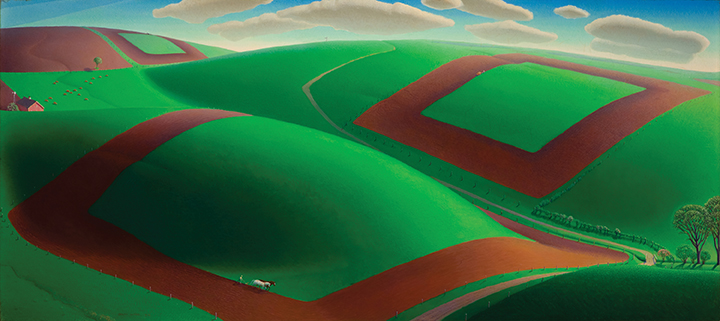
Bumper crop: Art and the farm at Reynolda House
Though the United States has been predominantly a nation of city dwellers since the 1920s, the farm still figures large in the American consciousness.
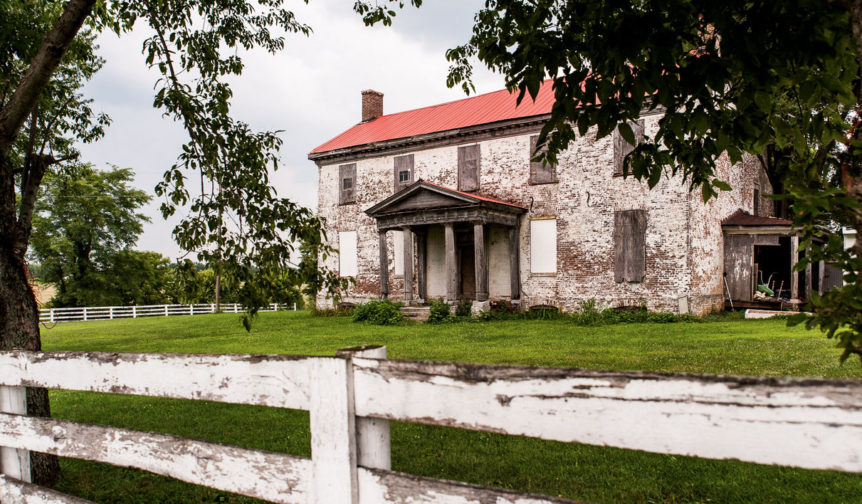
Finding beauty in decay: The documentary photography of Sherman Cahal
For almost twenty years Sherman Cahal has traveled the Middle West and Appalachia, photographing residential, industrial, and commercial buildings that exist in various states of disrepair and decay, creating a visual record that is, of course, sad, but that also invokes the peculiar appeal of old, worn things.
Around and about at the Biennale des Antiquaires in Paris
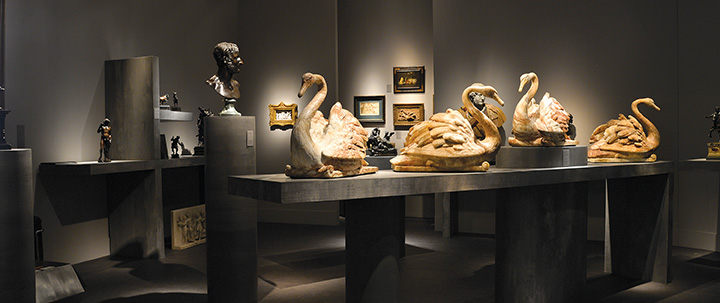
Drama and scandal swirled around the opening of the twenty-eighth edition of the Biennale des Antiquaires. Less than a week before the celebrated fair opened, there was a thwarted terrorist attack near Notre Dame that only heightened anxiety about security, which was already tight, at the glorious glass-domed Grand Palais where the fair takes place, and made Parisians even gloomier about the year’s precipitous drop in tourism due to earlier attacks.
Crowning achievements at the Currier
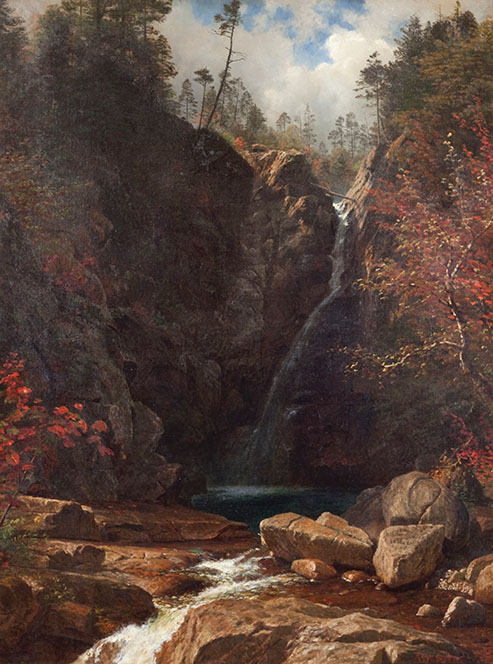
Since the early nineteenth century, Mount Washington, the highest peak in the northeastern United States at 6,288 feet, has played muse to some of America’s most famous artists, including Thomas Cole and Albert Bierstadt. Dramatic views of the “Crown of New England” rendered by painters and photographers helped spur the growth of scenic tourism in New Hamphire’s The White Mountains, …
Sculpting Joy: Experiencing the artist and his art at the Renee and Chaim Gross Foundation
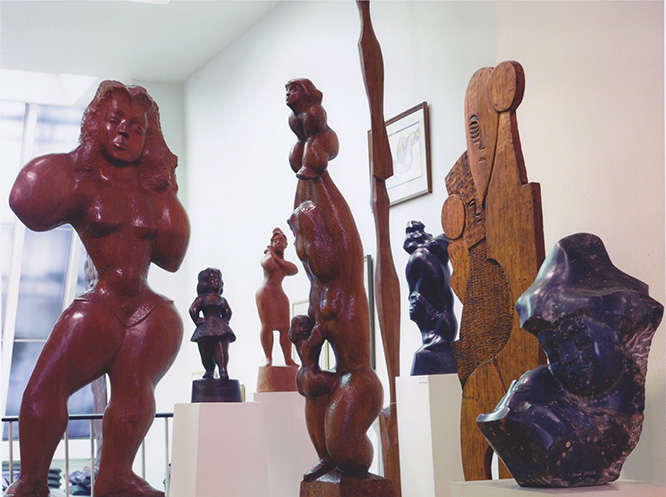
In the entranceway to the Renee & Chaim Gross Foundation, located in a town house in historic Greenwich Village, two sculptures by Chaim Gross welcome visitors to the place where he worked and lived. Together, they announce the hallmarks of his art. The first is Family of Five Acrobats (1955), a bronze sculpture with a black patina that stands …
Women’s work
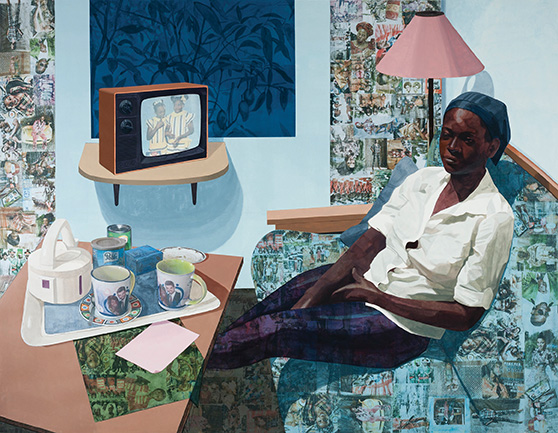
For the first time a woman has been nominated by a major party for the presidency of the United States. This summer’s U.S. Olympic team included more women than men. And American art museums are increasingly giving women their due. The Norton Museum of Art in Florida is a good example, as evidenced by its acquisitions of works by American …