A Demonstration in Pewter Making

Editorial StaffArt

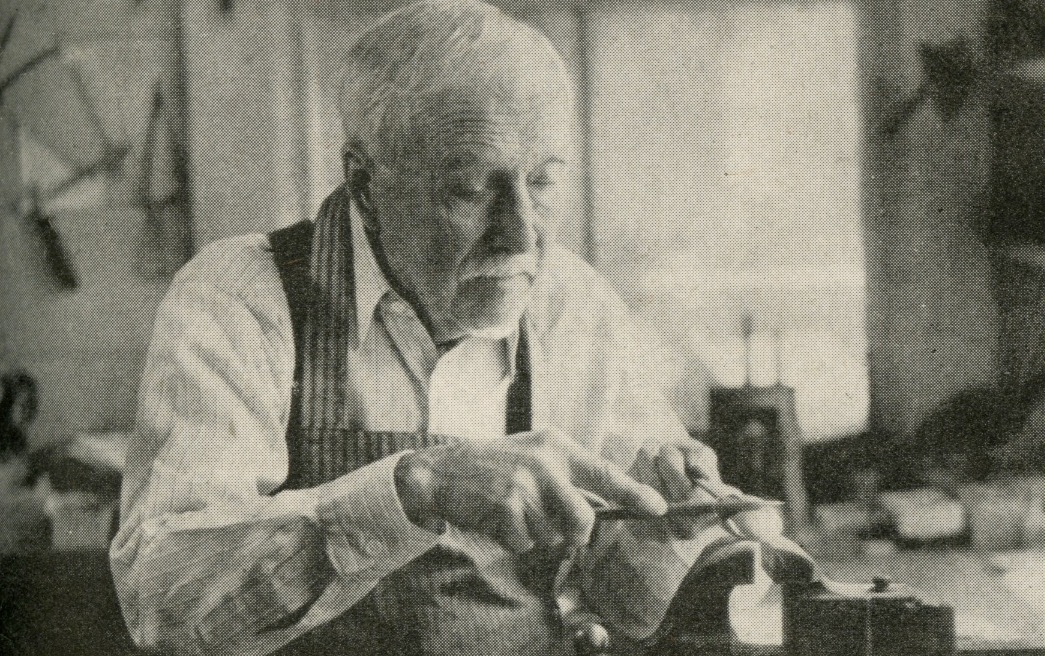
By L. M. A. ROY [Originally published September 1949 ; posted in conjunction with Barrymore Laurence Scherer’s “American Pewter,” March/April 2013.] Mr. Roy’s model for this pictorial demonstration was John G. Herrock, “whose family,” he says,” were tinkering with tools from the time they came to Maine in 1799.”  Besides pewter, he makes violins, reproductions of colonial furniture, wrought iron, jewelry, and …
American pewter

Editorial StaffArt

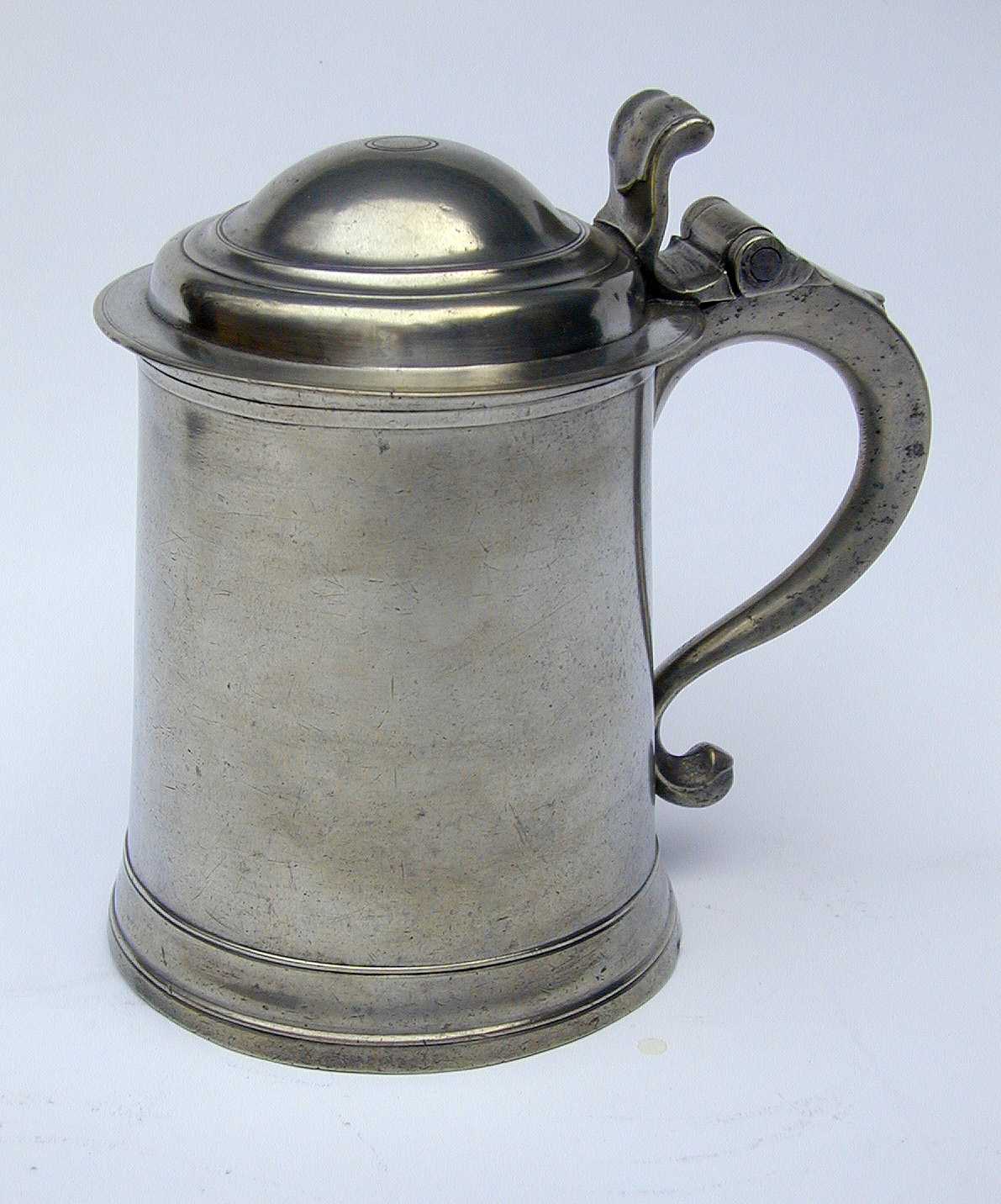
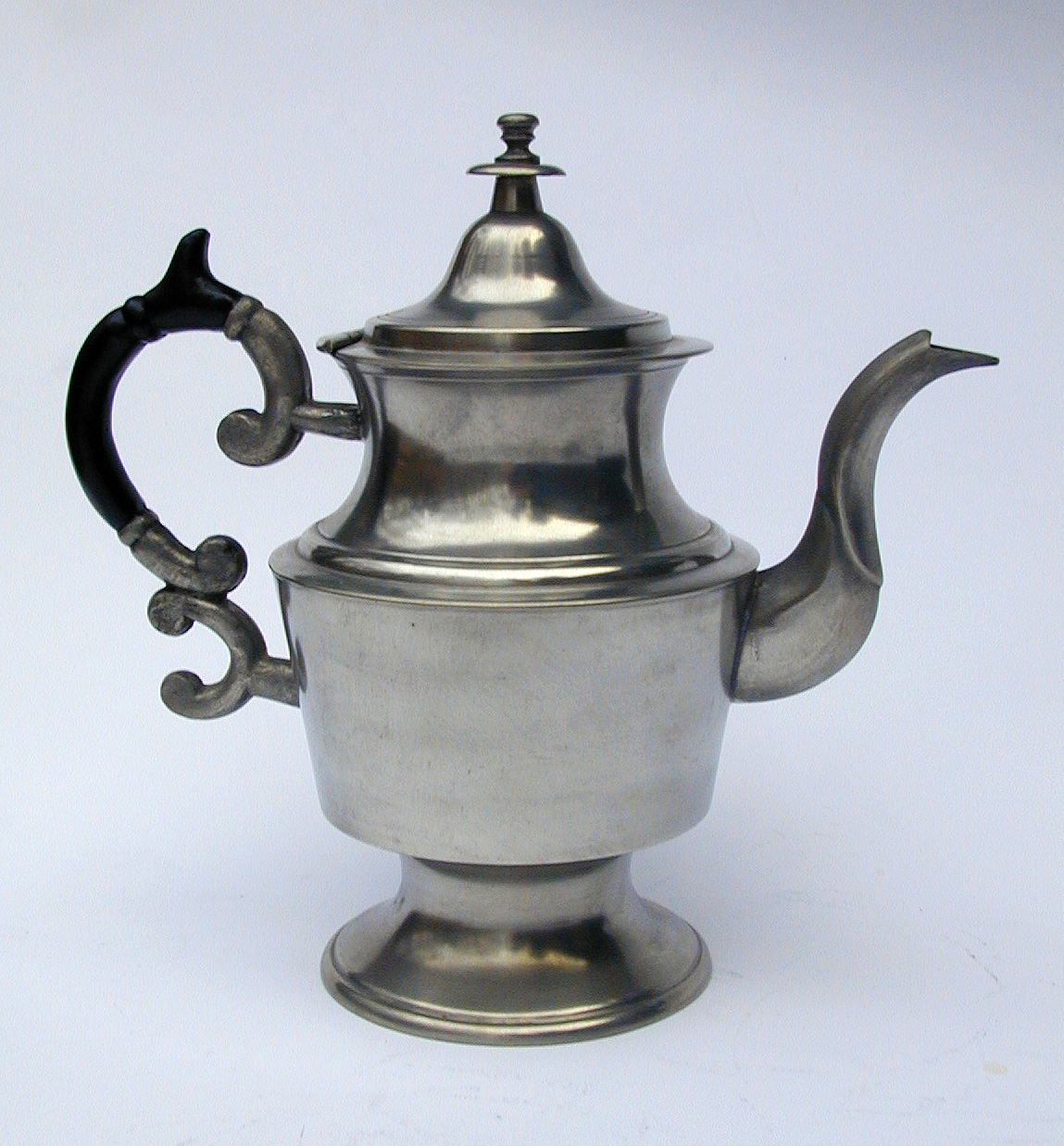
from The Magazine ANTIQUES, March/April, 2013 | Pewter is effectively the mirror alloy of bronze: the lat­ter is an alloy of copper with a little tin, while pewter is the result of smelting tin with a little copper. The large tin content imparts the silver-gray color-indeed the more tin, the more silvery the appearance. Pewter has been worked from ancient …

Cradle of liberty, cradle of craft

Editorial StaffFurniture & Decorative Arts

from The Magazine ANTIQUES, March/April 2013 | An impressive roster of renowned craftsmen trained and worked in Philadelphia during the twentieth century. This flourishing activity is due to the city’s long history as a center for artisans extending back to the time of its founding. The French Huguenot silversmith Cesar Ghiselin arrived in Pennsylvania in 1681 in the company of …

The Care of Pewter

Editorial StaffArt

  By John W. Poole [Originally published November 1938; posted in conjunction with Barrymore Laurence Scherer’s “American Pewter,” March/April 2013.] IN ADDITION to the desirability of maintaining the value of personal property, the owner of antiquities possessing historical and cultural significance owes a very definite obligation to posterity. In some fields, little or none of this responsibility may be shifted …

Philadelphia collects: City folk

Editorial StaffArt

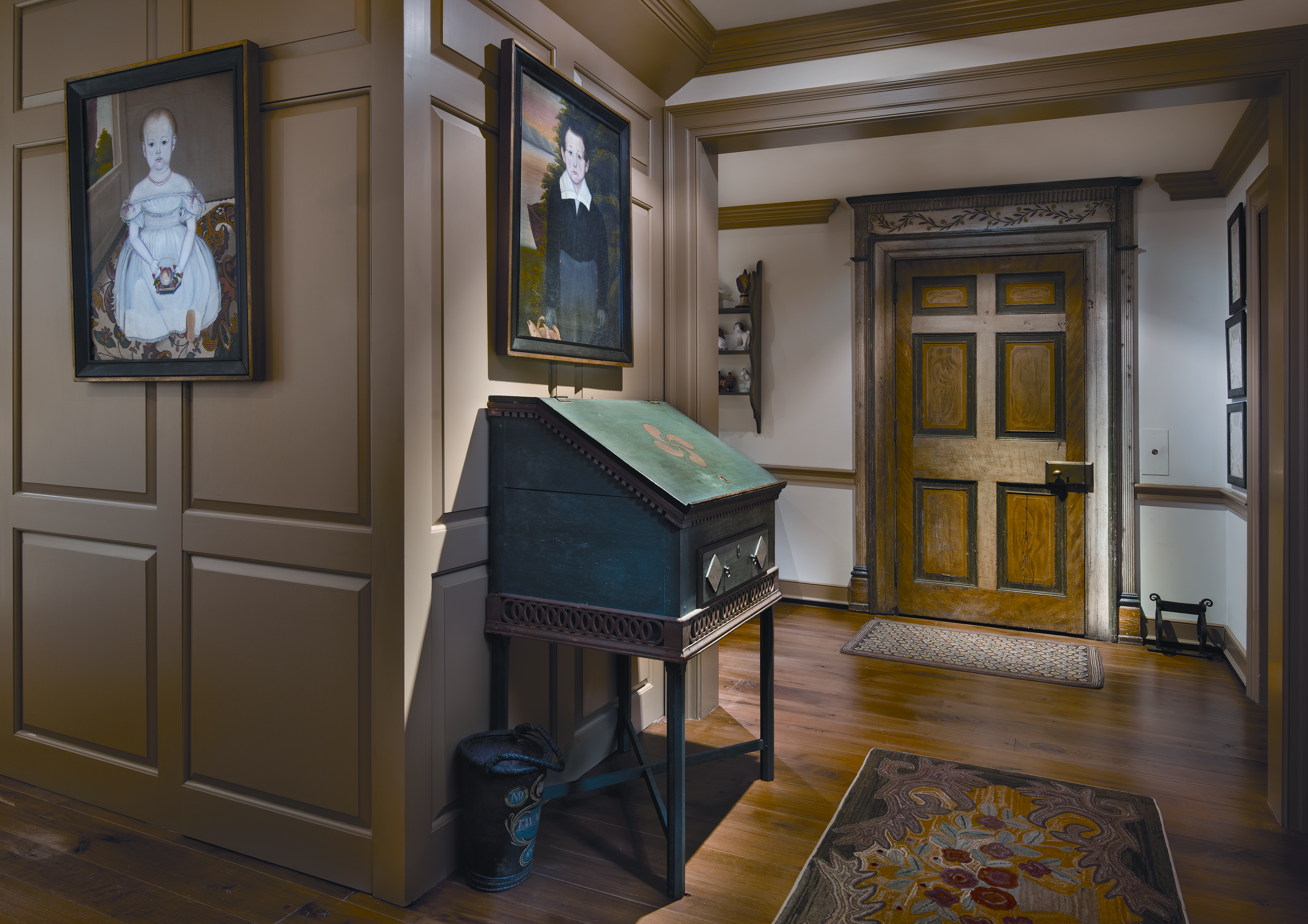
from The Magazine ANTIQUES, March/April 2013 |  Twenty-five years ago in these pages, Beatrice B. Garvan wrote about an anonymous collection of Pennsylvania folk art that was already more than a quarter-century in the making. Garvan was struck by the coherence of the assemblage that was ever in flux, by the sense of motion generated by the collectors’ unyielding search …

Philadelphia collects: The torch bearer

Editorial StaffFurniture & Decorative Arts

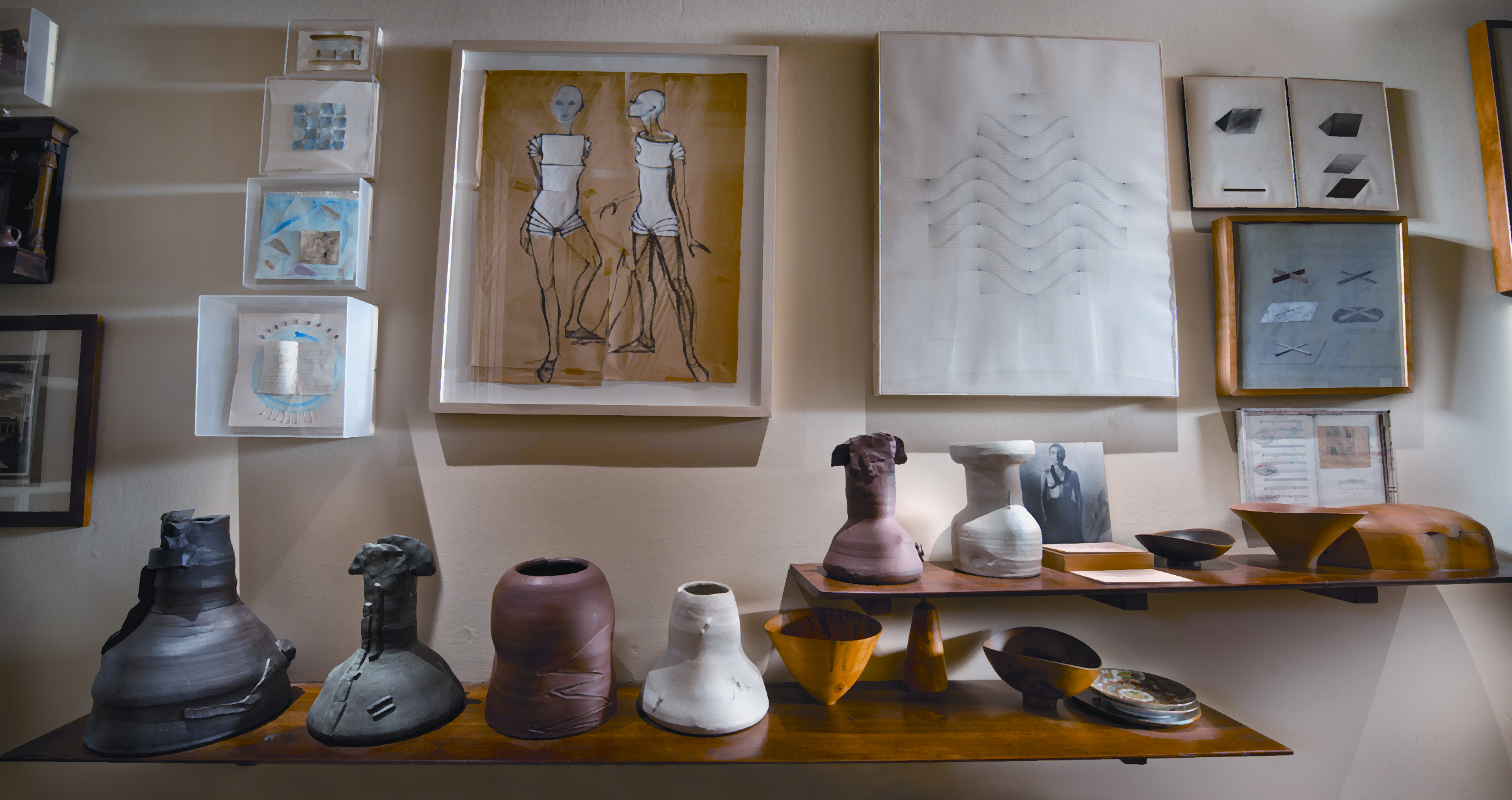
from The Magazine ANTIQUES, March/April 2013 | This issue celebrates the long history of Philadelphia as the city of great artist-artisans. That history would be even more impressive had there been a Helen Drutt on the scene in the eighteenth and nineteenth centuries to make sure that absolutely nothing of value was lost to posterity. What Drutt has done for …

The hidden face of the Civil War

Editorial StaffExhibitions

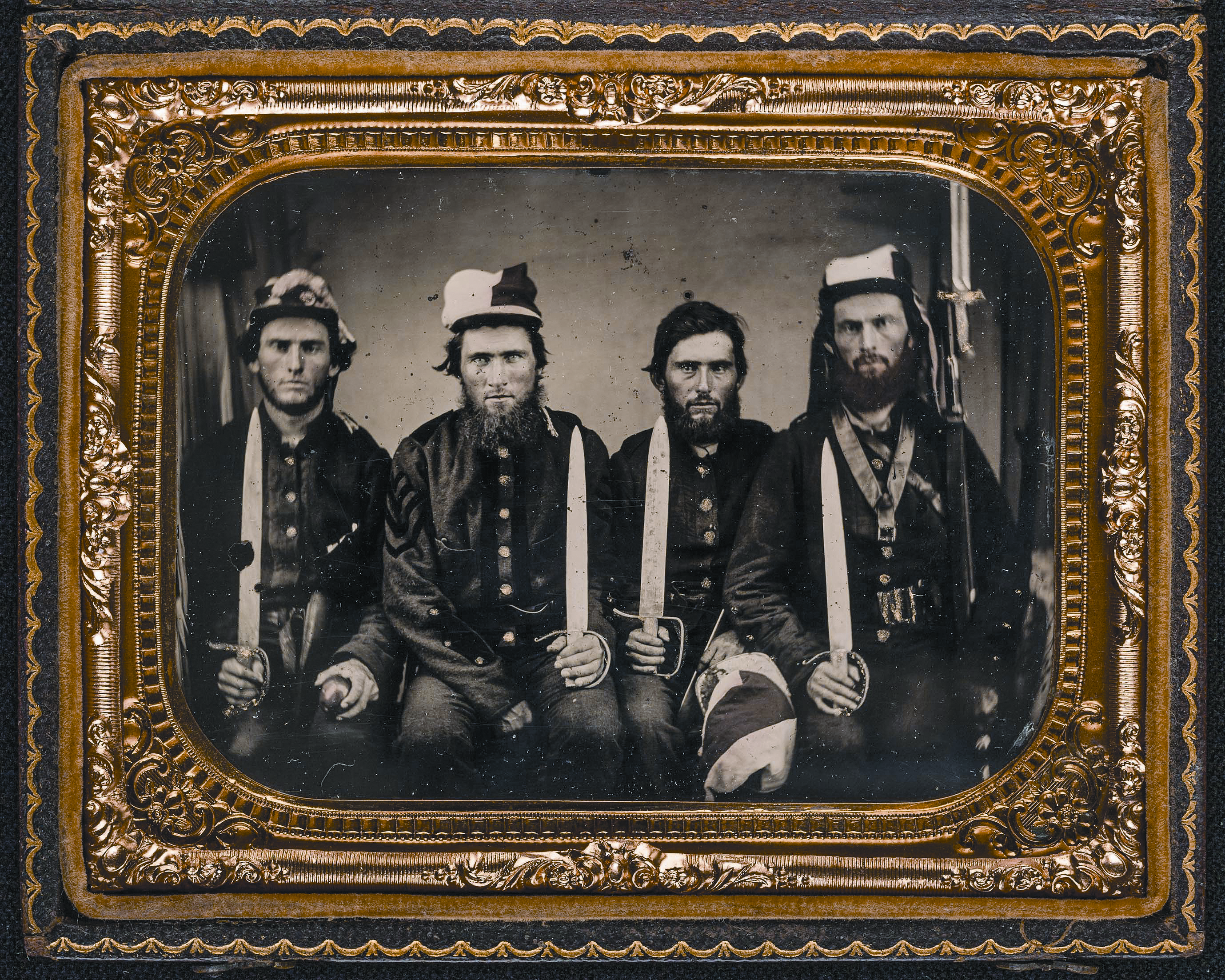
from The Magazine ANTIQUES, March/April 2013 | This summer the nation will commemorate the 150th anniversary of the Battle of Gettysburg. Most historians believe the repulse by George G. Meade of Robert E. Lee’s emboldened Army of Northern Virginia was the turning point of the American Civil War. Fought in and around a small town eighty-five miles north of the …

Loving the Gilded Age and learning how to look

Editorial StaffFurniture & Decorative Arts

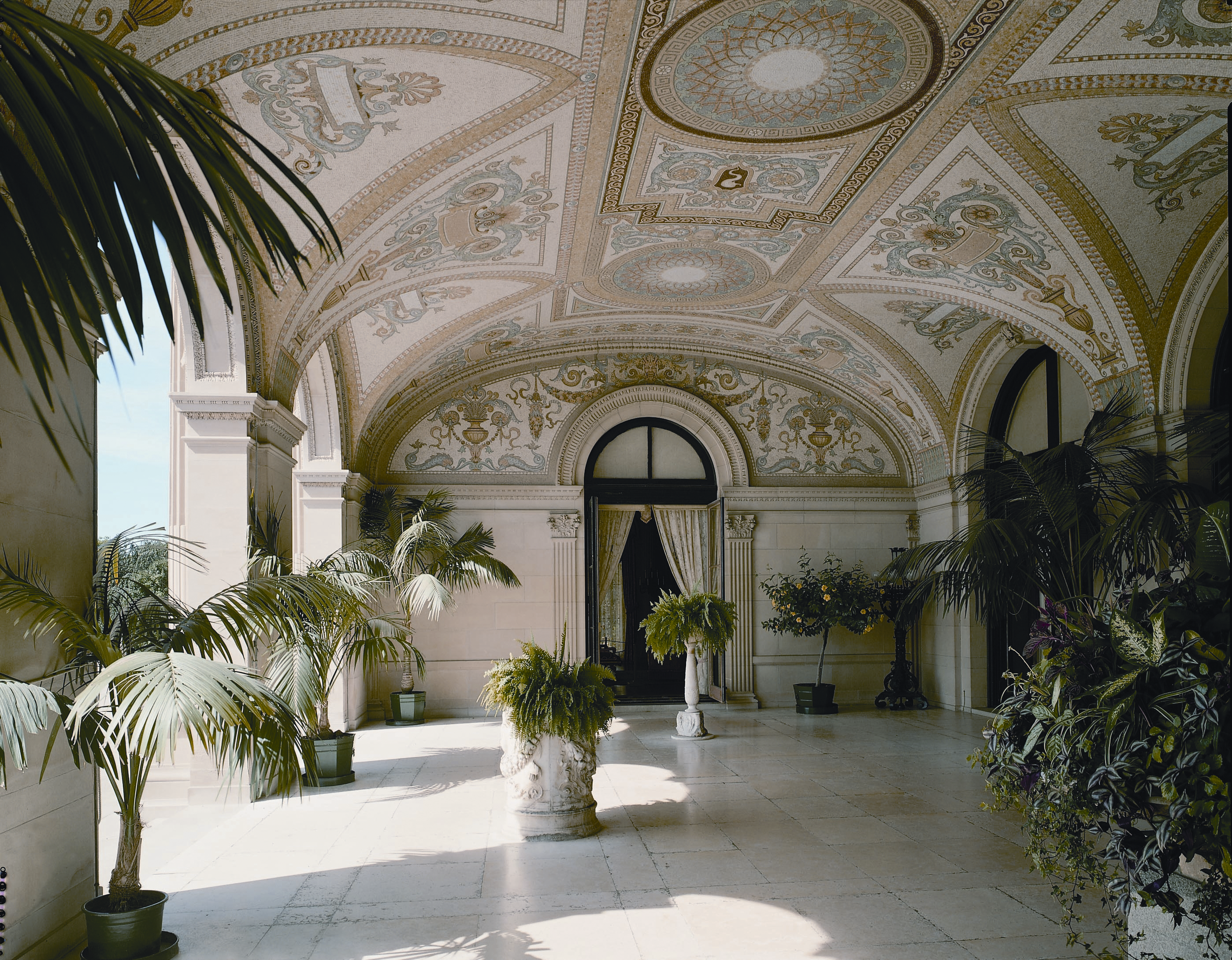
from The Magazine ANTIQUES, January/February 2013 | John R. Tschirch is accustomed to being recognized. As Director of Museum Affairs for the Preservation Society of Newport County, he is in and out of the organization’s eleven historic houses so frequently that the volunteers and staff who usher nearly eight hundred thousand visitors through the mansions each year straighten when they see him …

Monumental confidence: restored Roosevelt murals

Editorial StaffArt

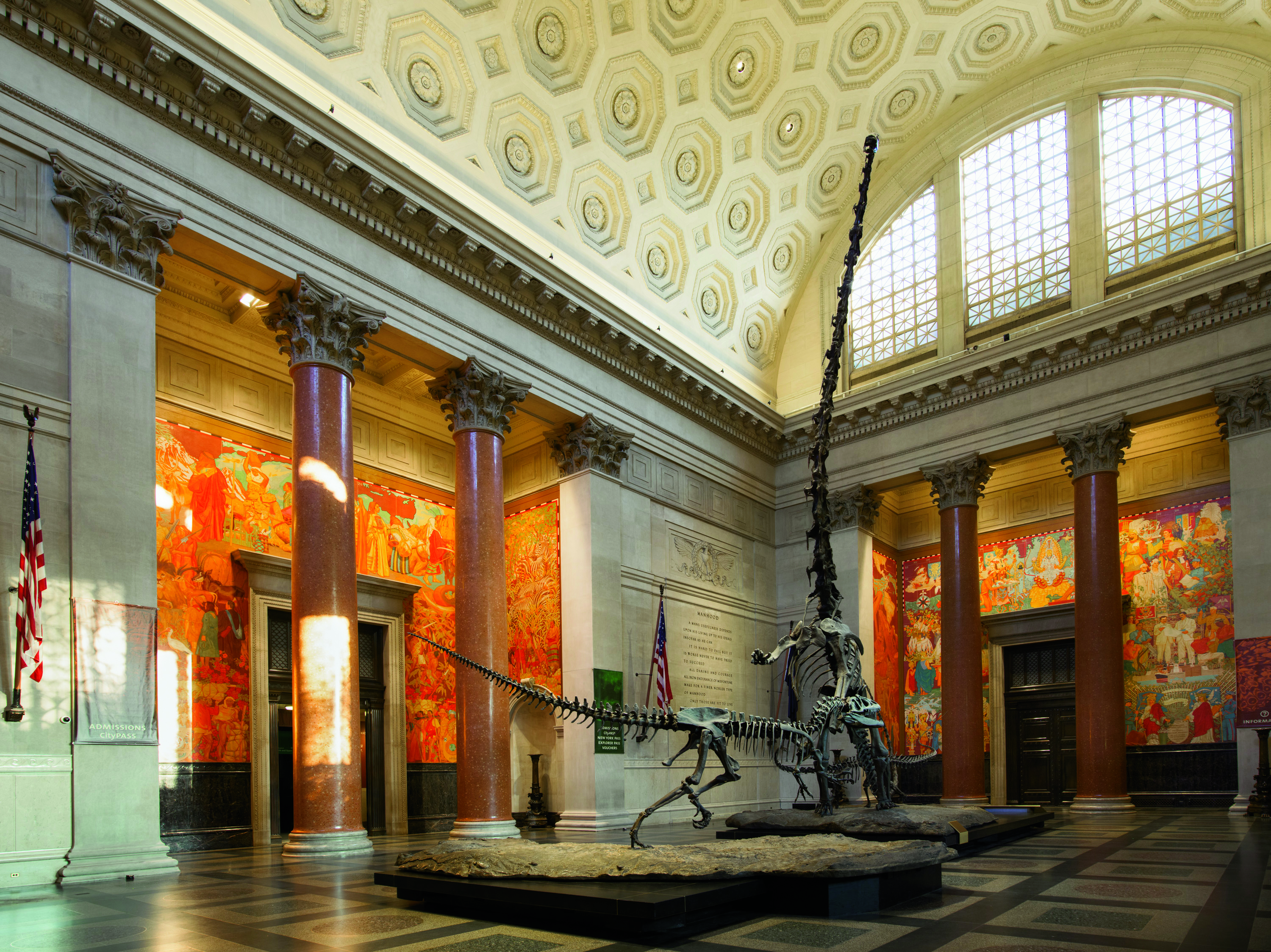
from The Magazine ANTIQUES, January/February 2013 | One hundred years ago, even fifty years ago, the act of monumental commemoration was a relatively simple affair. A victory in battle or the founding of an institution was seen, at least as re­garded the monument in question, to be completely good. A massacre or natural catastrophe was assumed to be completely bad. Anyone deserving …

Curiously Carved: Pictorial Sources of Scrimshaw

Editorial StaffArt

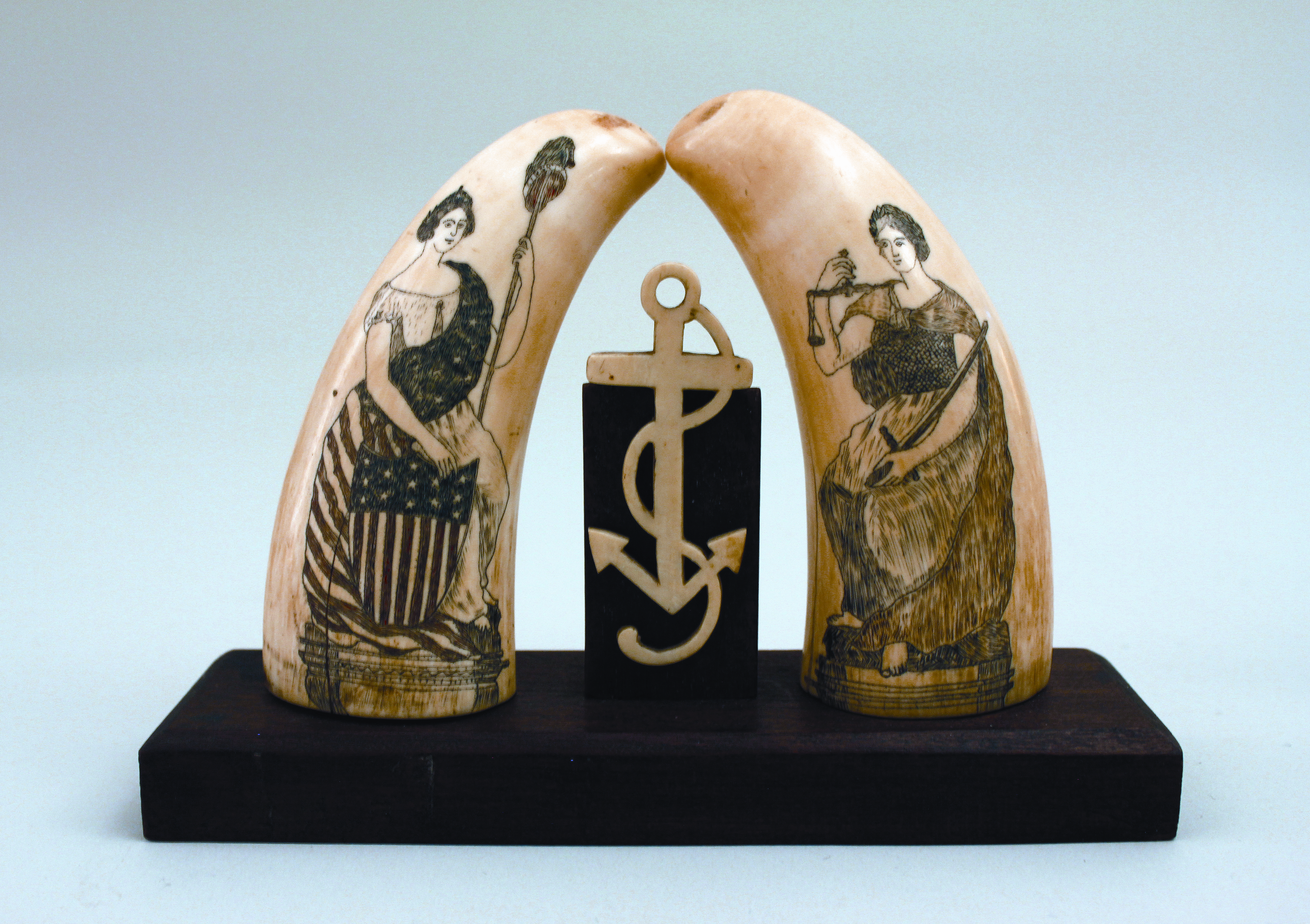
from The Magazine ANTIQUES, January/February 2013 | Contrary to persistent stereotypes characterizing seamen in the Age of Sail as a barbaric rabble-unruly, illiterate ruffians devoted to the pursuit of disreputable vices-nineteenth-century Yankee whalemen were characteristically literate and, as a class, avid readers. Whaling voyages were matters of two, three, or even four years’ duration, including months at sea between landfalls; …