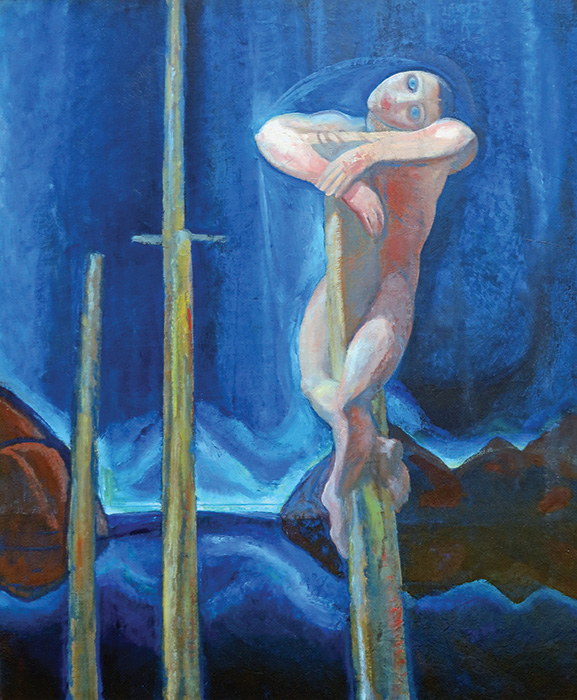
Consider Rockwell Kent’s paintings of land and sea as modern American mindscapes—poetic distillations of remote places that probe the mysteries of life. Kent hoped viewers would lose themselves in contemplation before his haunting visions.1 “Essentials only ought to go into painting,” he insisted. “I want the elemental, infinite thing; I want to paint the rhythm of eternity.”2 He perceived the …
End Notes: Happy to be here, our new home near Madison Square Park
Last October The Magazine ANTIQUES and our sister publications MODERN and Art in America joined forces with the venerable ARTnews. In November we moved from SoHo, our longtime home, to new offices just down from Madison Square Park and within sight of the Flatiron Building, built in 1902, the year ARTnews began publication. By Eleanor H. Gustafson The Flatiron Building, …
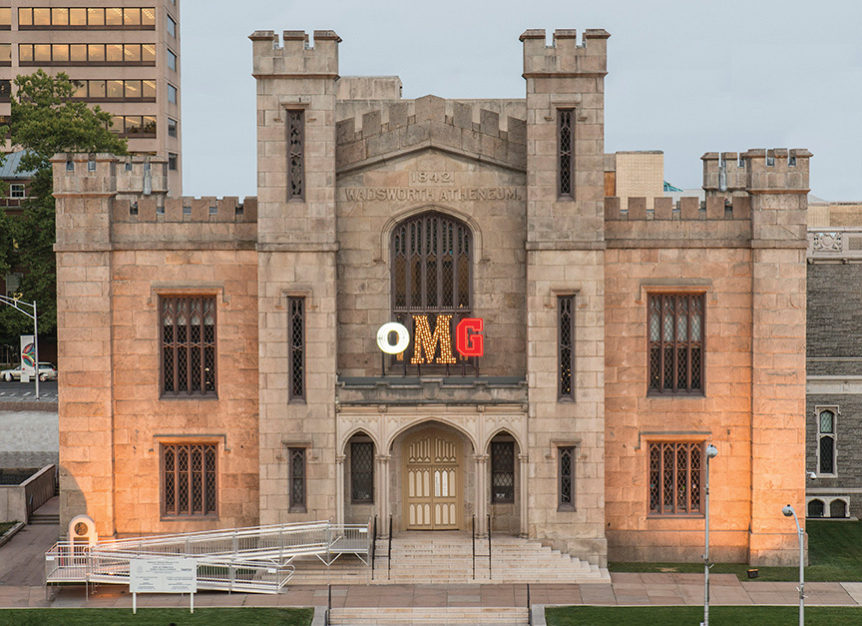
OMG Indeed!
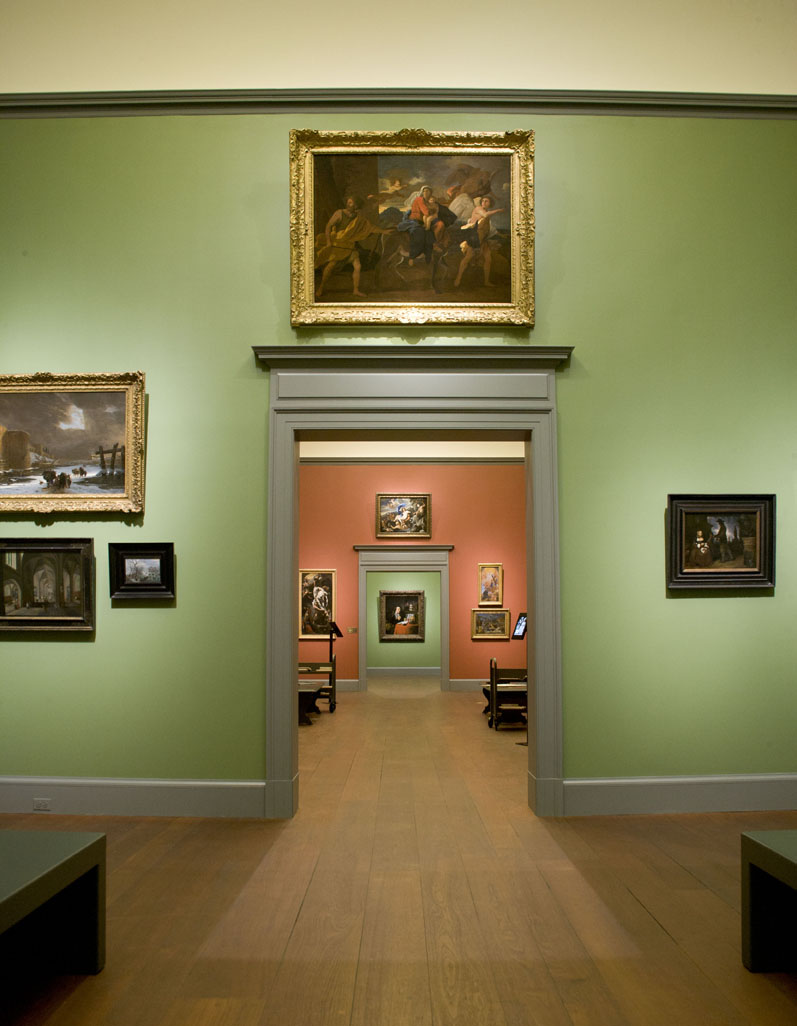
It was quiet in the galleries last September as I took a final walk through the Wadsworth Atheneum before the grand unveiling of our eight-year project to bring back its glories.
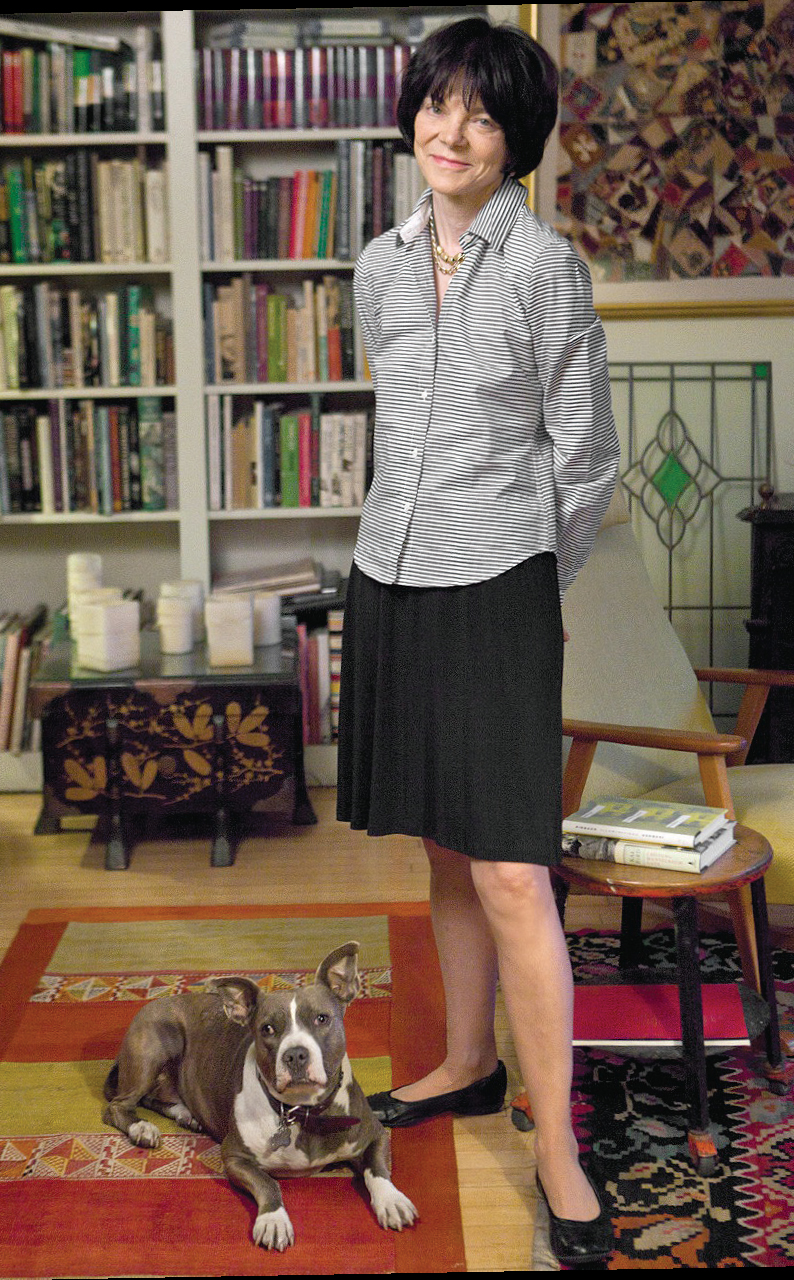
Editor’s Letter, January/February 2016
We occasionally split the run of an issue of ANTIQUES with one cover for subscribers—an interior from Abbeville, Louisiana, in this case—and another for distribution at shows—Louis Lozowick’s 1930 lithograph of the Brooklyn Bridge. If this sounds like a North/South thing it isn’t exactly, but I’ll explain that in a moment. The New York art and antiques season seems a …
A Rich and Beautiful Sadness
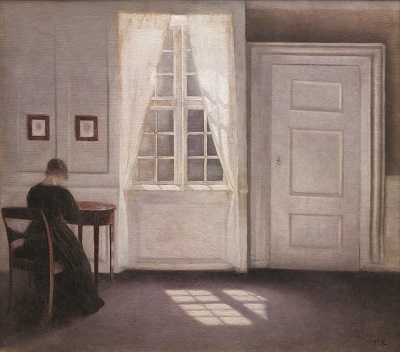
Silence, stillness, and darkness in the paintings of the Danish artist Vilhelm Hammershøi In one of his most famous works, the esteemed art historian Sir Nikolaus Pevsner sought to define “The Englishness of English Art.” If anyone were to under take a comparable inquiry into the Danishness of Danish art, the painter Vilhelm Hammershøi could well stand as the palmary …
Andy Warhol’s Pittsburgh
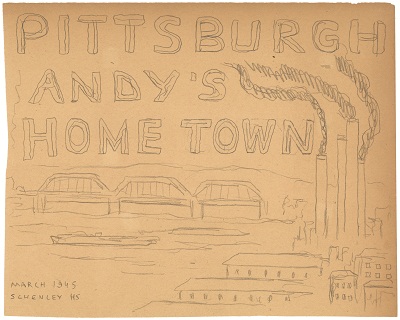
Collecting and researching American art have been avocations of mine since my student days at the University of Pittsburgh in the 1950s, when I commuted to school through the neighborhoods of the Hill District and past the belching steel mills on both sides of the Monongahela River. Those are fond memories still—fifty years after leaving Pittsburgh for New England—so when …
Gilded Age Cartoonists at the Flagler
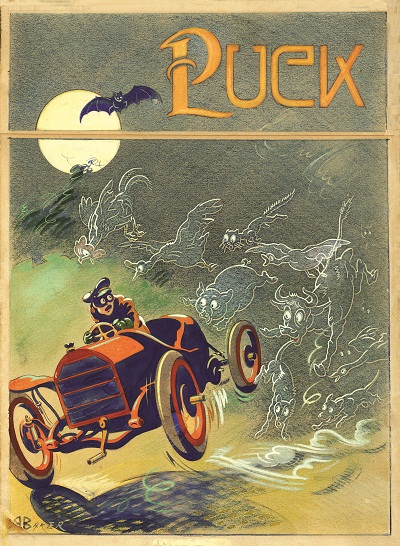
Often cited as an early influence on the humor of the New Yorker magazine, Puck ran in this country from 1877 to 1918 (it began with a German-language edition). The choice of Shakespeare’s mischievous fairy as the magazine’s namesake and mascot pretty much set the tone for its lighthearted mockery, and judging by the drawings and published cartoons on exhibit …
The Whitney After All
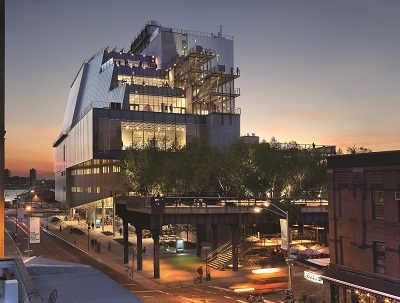
Some things just aren’t meant to fit in. The Whitney Museum of American Art certainly sounds like an august institution. But it was born on a scruffy back street in Greenwich Village at a time when “bohemian” meant “disreputable,” and during its six decades uptown—most of them at Madison Avenue and Seventy-Fifth Street, in the moneyed precincts of the Upper …
Editor’s letter, September/October 2015
One afternoon not long after I began working here I opened a letter that asked me a challenging question: how, the writer wanted to know, “did a Polack [sic] like you get your position?” After a few jolly moments in the office I called our longtime editor Wendell Garrett, who enjoyed odd news from the passing scene. Wendell was amused, …
Bringing back the WAM!
In the 1960s when manufacturing wealth melted away in Worcester, Massachusetts, as it did in so many American cities, the city’s museum fell on hard times. It gradually lost its ability to innovate and thereby lost its momentum. Now that Worcester is reemerging as a vibrant part of the greater Boston area, WAM is also coming back, reconnecting with its …