William Henry Rinehart was among the considerable group of American artists—both sculptors and painters—who took up residence in Italy, perhaps initially for additional training and exposure to the world of classical antiquity, but ultimately because it was the ideal place to get commissions from both American and European tourists.

Tokens of friendship, tools of diplomacy
Presentation medals in the Age of Exploration
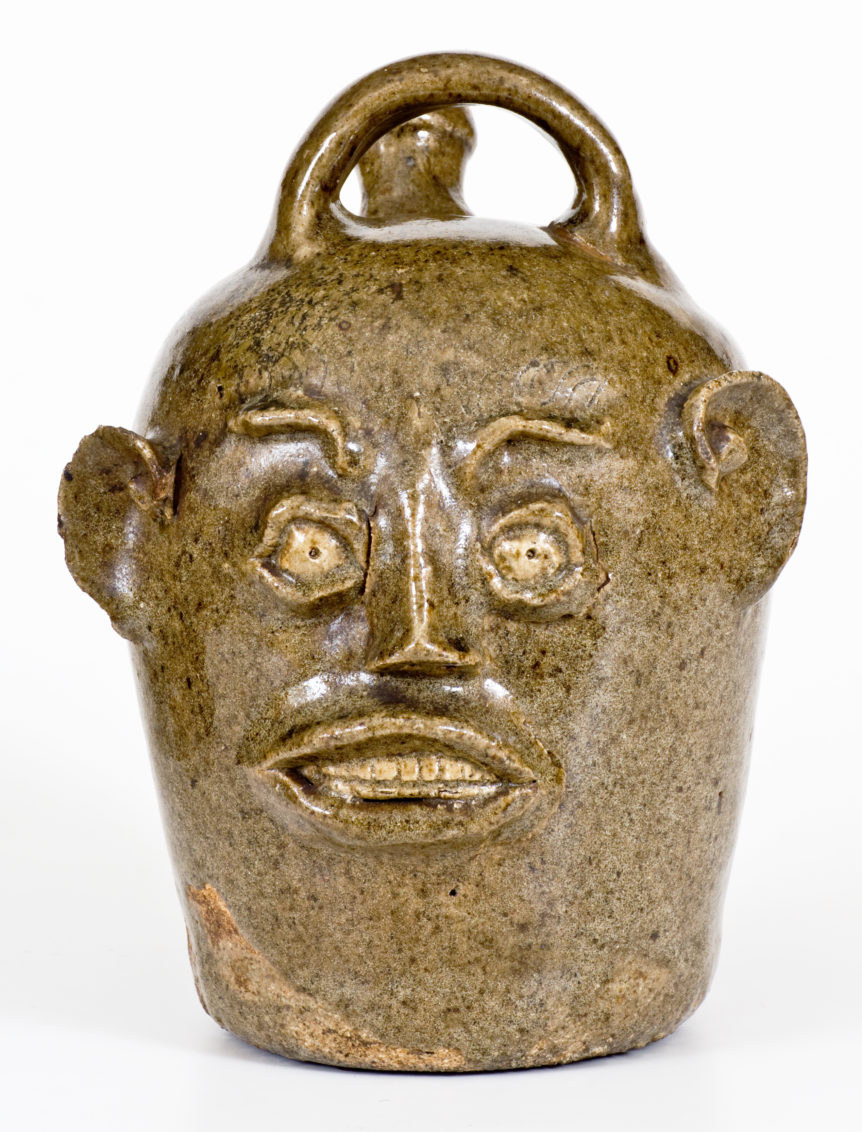
The Met snares a splendid piece of southern stoneware
Face jugs crafted in the mid-nineteenth century by slaves and freedmen working in the Edgefield District of South Carolina are among the rarest and most historically significant of American folk art ceramics. The Metropolitan Museum of Art in New York recently acquired a superb one.
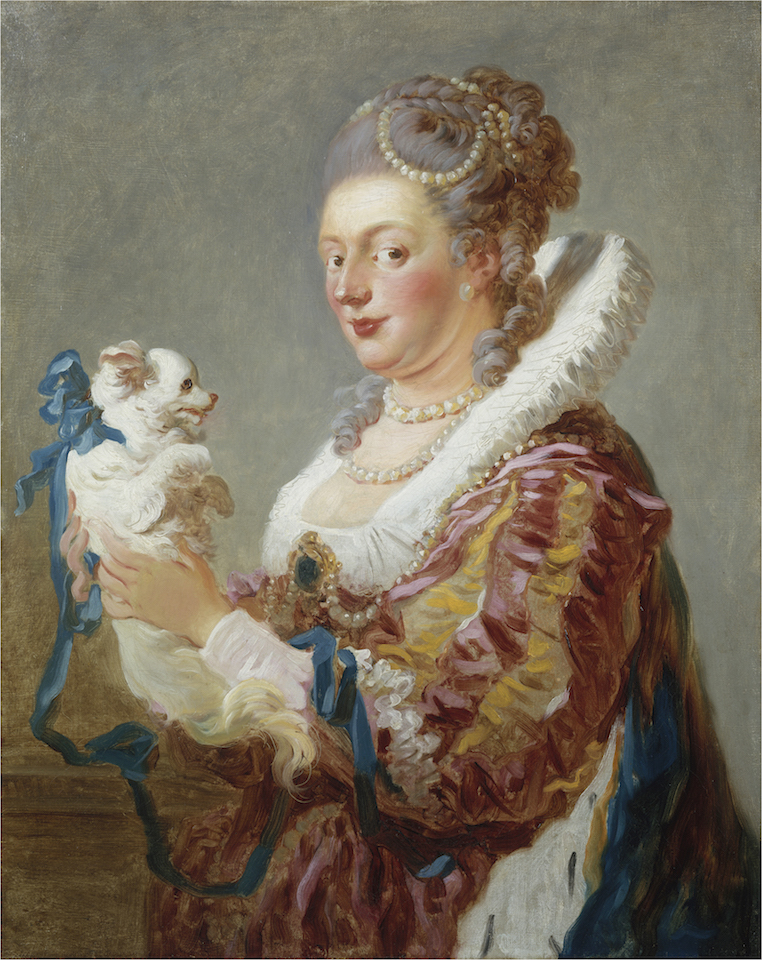
Revealing portraits
On view at the National Gallery of Art, Fragonard’s tetes de fantaisie evince some of the earliest stirrings of modernism.
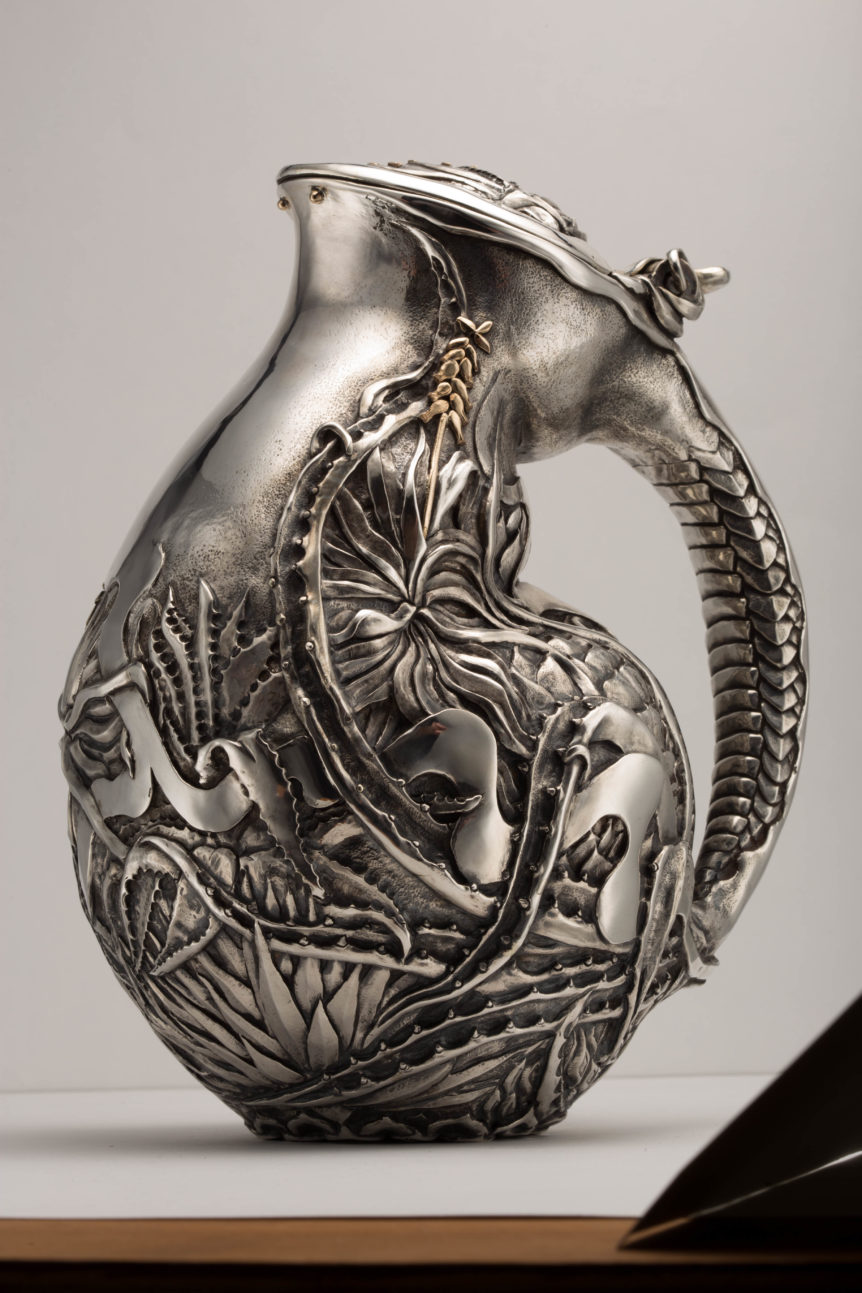
Polished Performances
Classic and contemporary silver in dialogue at the Museum of the City of New York
A New World Old Master
In the closing years of the seventeenth century, Cristóbal de Villalpando was, in all likelihood, the best-known painter in the New World—and most of us have never heard of him.
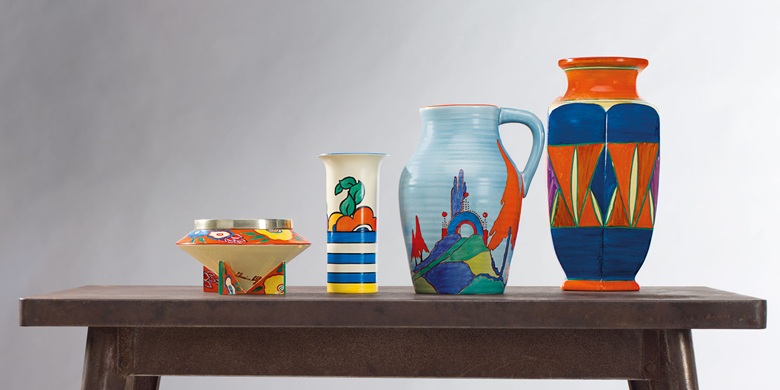
Handle with Care #3
A new installment of our web-only column on ceramics and glass.
An Antidote to a Life of Quiet Desperation: Walden, a game
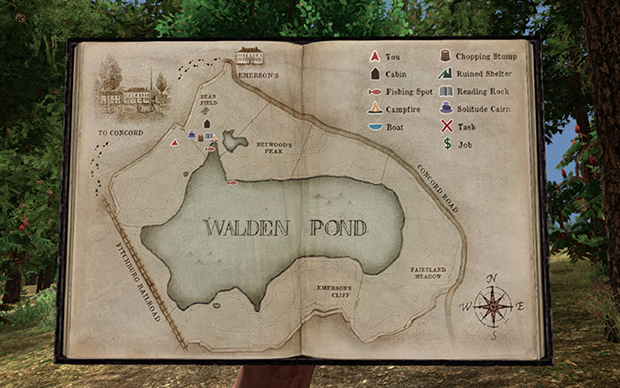
The most intriguing tribute to the two-hundredth anniversary of Henry David Thoreau’s birth is surely Walden, a game produced by USC’s Game Innovation Lab. Walden, a game lets you (virtually) experience what Thoreau’s life was like during the two years, two months, and two days that he lived at Walden Pond.
Handle with care #2
A new installment of our web-only column about the worlds of ceramics and glass
A little off-center
The estimable outsider art collection of Audrey Heckler.