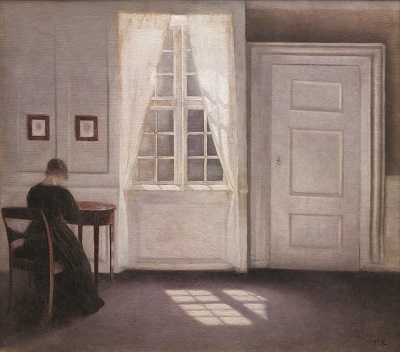
Silence, stillness, and darkness in the paintings of the Danish artist Vilhelm Hammershøi In one of his most famous works, the esteemed art historian Sir Nikolaus Pevsner sought to define “The Englishness of English Art.” If anyone were to under take a comparable inquiry into the Danishness of Danish art, the painter Vilhelm Hammershøi could well stand as the palmary …
Editor’s Letter, November/December 2015
It would be tempting to wiggle into this one, introduce the issue with some high minded talk about the past not being another country and so forth, go on to mention our wonderful articles about Julia Margaret Cameron, etc., but more about all of that in a minute…The fact is we have something here requiring immediate comment—Paul Kossey’s discovery of …
Still Startling, Still Electric
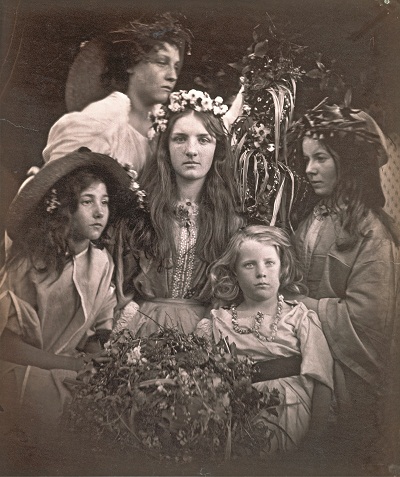
Julia Margaret Cameron was almost twenty-four when Louis-Jacques-Mondé Daguerre announced the invention of photography at the Académie des Sciences in Paris in 1839. But it wasn’t until she was forty-eight—another lifetime later—that she would fully take up the medium herself. The catalyst was a Christmas gift from her daughter Julia and Julia’s husband in 1863.”It may amuse you, Mother,” they …
Andy Warhol’s Pittsburgh
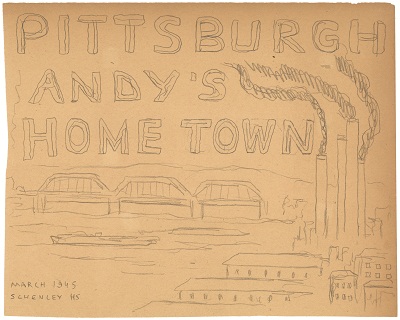
Collecting and researching American art have been avocations of mine since my student days at the University of Pittsburgh in the 1950s, when I commuted to school through the neighborhoods of the Hill District and past the belching steel mills on both sides of the Monongahela River. Those are fond memories still—fifty years after leaving Pittsburgh for New England—so when …
A Look at the Life of “Blind Tom” Wiggins
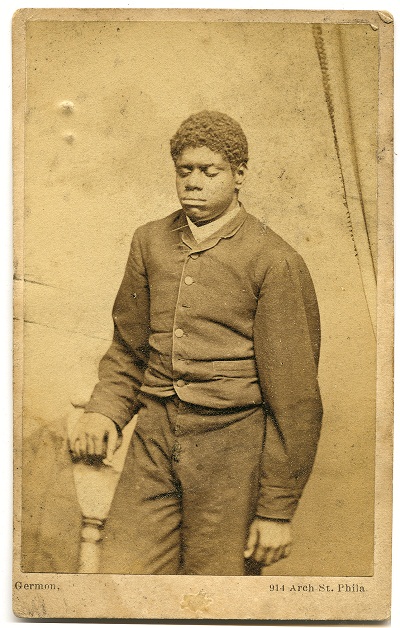
The once famous career of the musical prodigy Thomas “Blind Tom” Wiggins, born a slave and raised to entertain audiences here and abroad with uncanny feats of musical mastery, tainted virtually everyone who touched it. Wiggins’s owners exploited him and profited hugely from his earnings (his concerts and sheet music yielded an astonishing $20,000 in 1879); critics and reporters wrote …
Art Brut in New York
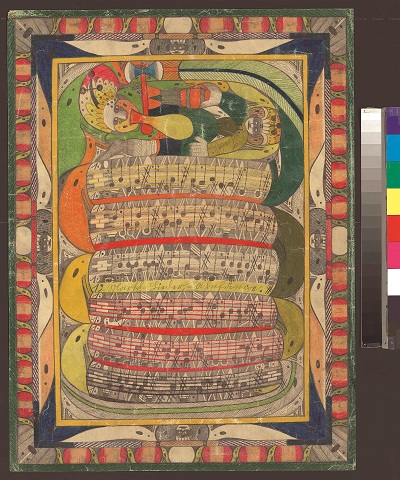
Although the American Folk Art Museum’s exhibition space has contracted since it moved to 2 Lincoln Square from the now-demolished Tod Williams and Billie Tsien building on West Fifty-Third Street, it continues to expand thematically. Following its recent exhibition of self-taught performance artists, When the Curtain Never Comes Down, which stretched from Japan to Brazil, the museum is now mounting …
Gilded Age Cartoonists at the Flagler
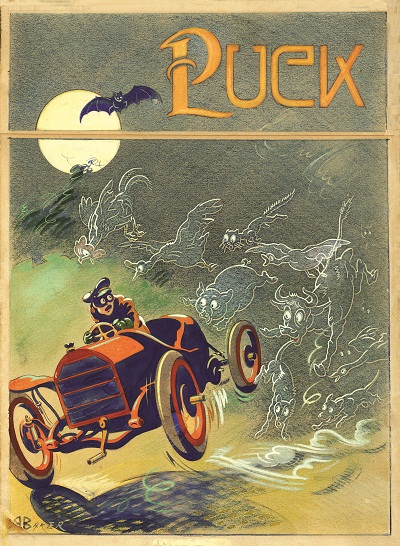
Often cited as an early influence on the humor of the New Yorker magazine, Puck ran in this country from 1877 to 1918 (it began with a German-language edition). The choice of Shakespeare’s mischievous fairy as the magazine’s namesake and mascot pretty much set the tone for its lighthearted mockery, and judging by the drawings and published cartoons on exhibit …
Pictorialist Photography in Cleveland
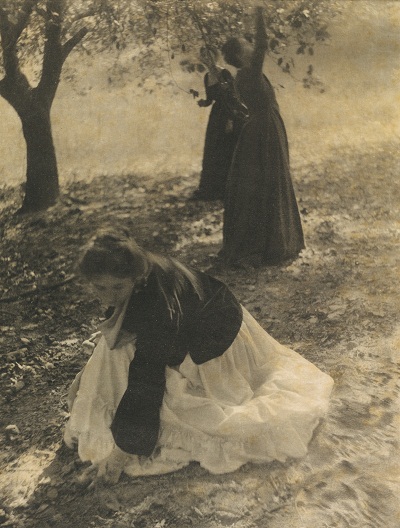
Julia Margaret Cameron’s “photography has been a touchstone for generations of photographers. The pictorialists adored her,” writes Phillip Prodger in our article about the British photographer in this issue. And he couldn’t be more right, says Barbara Tannenbaum, curator of photography at the Cleveland Museum of Art and co-curator of the museum’s stunning exhibition Shadows and Dreams: Pictorialist Photography in …
The Whitney After All
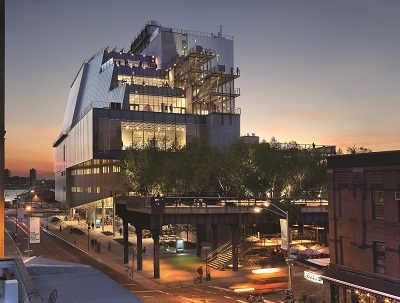
Some things just aren’t meant to fit in. The Whitney Museum of American Art certainly sounds like an august institution. But it was born on a scruffy back street in Greenwich Village at a time when “bohemian” meant “disreputable,” and during its six decades uptown—most of them at Madison Avenue and Seventy-Fifth Street, in the moneyed precincts of the Upper …
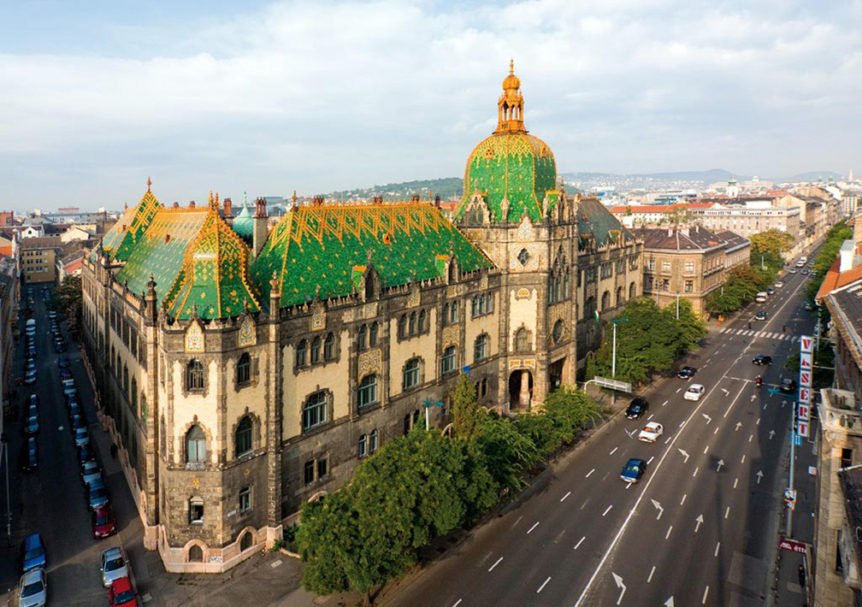
The Seductions of Budapest
It is easy to succumb to the beauty of Budapest, Hungary’s capital city, which straddles the legendary Danube River flowing down from Germany out to the Black Sea. High on a hill on the Buda side stands the Buda Castle, erected on the ruins of former royal palaces going back to the thirteenth century. It is answered across the river …