A Rainy Day: Frank W. Benson’s Maine Interiors

Editorial StaffExhibitions

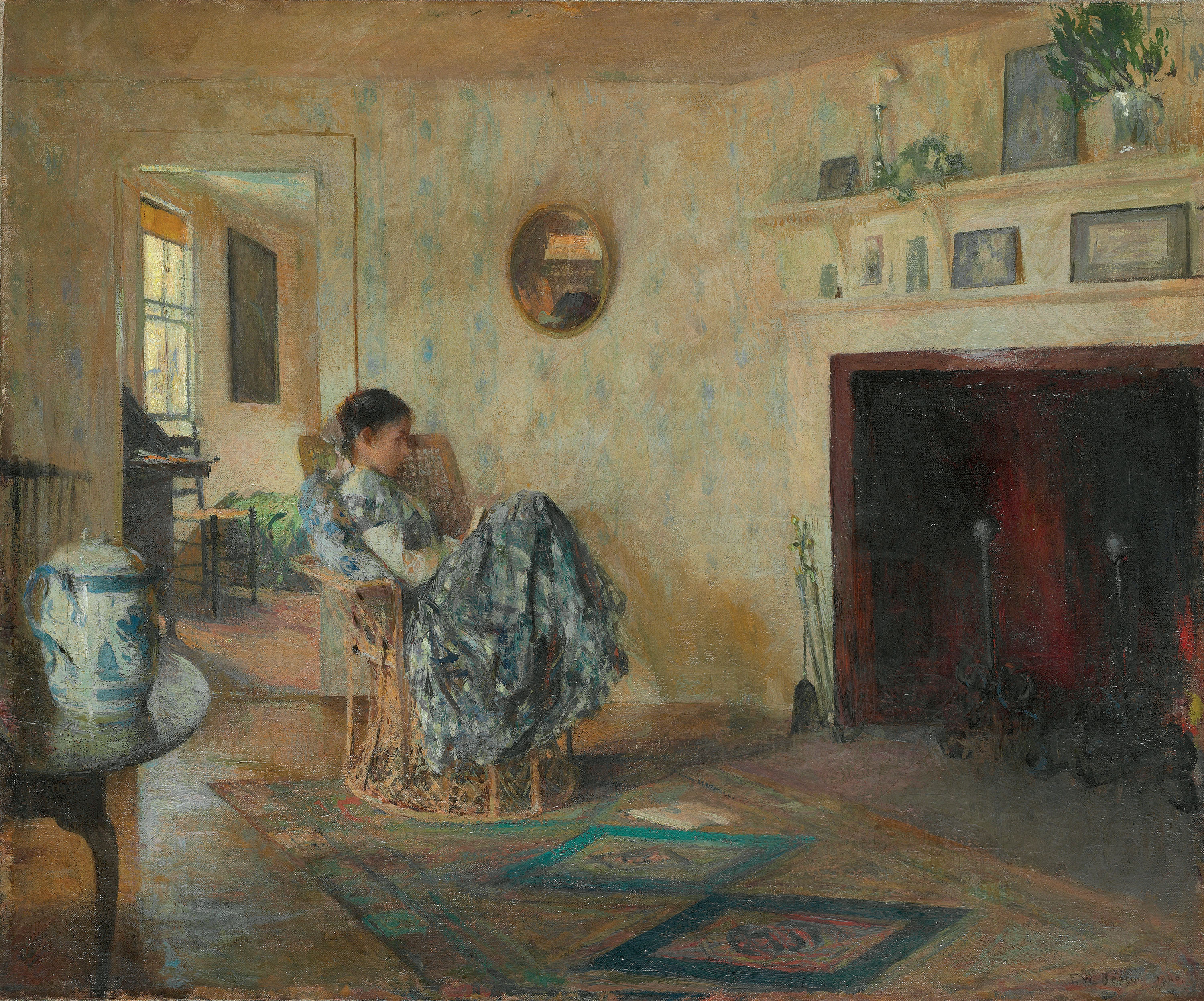
from The Magazine ANTIQUES, July/August 2012 | By the time Frank Weston Benson discovered Maine’s North Haven Island in 1900, his career was flourishing. He had been longing for a retreat where he could paint undisturbed for more than a decade. Following his return home to Massachusetts in 1885 from two years at the Académie Julian in Paris, Ben­son quickly gained notice. …

Sparkle Plenty

Editorial StaffArt

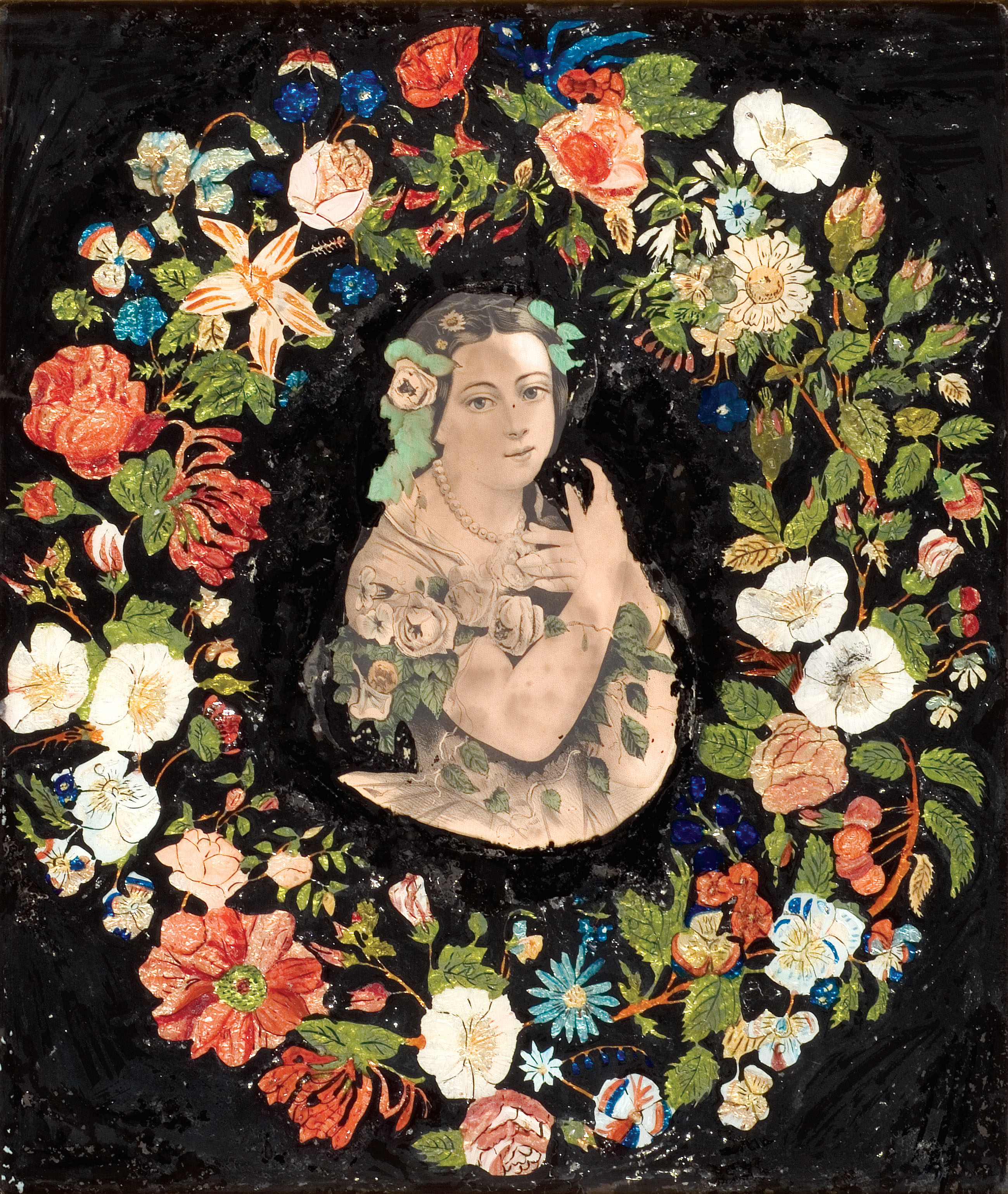
from The Magazine ANTIQUES, July/August 2012 | Tinsel paintings are reverse paintings on glass with crinkled, embossed, or smooth metallic foil applied behind translucent and unpainted areas. The effect is one of shimmering highlights when caught in the reflection of candle- or gaslight. The use of other reflective materials such as mother-of-pearl led to tinsel paint­ings sometimes being called Oriental, crystal, or …

Editor’s Letter, July/August 2012

Editorial StaffOpinion

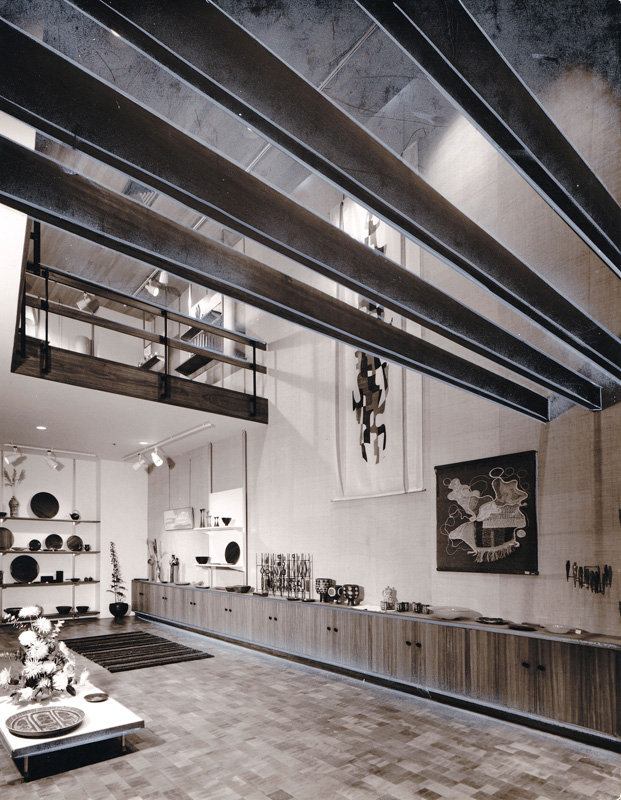
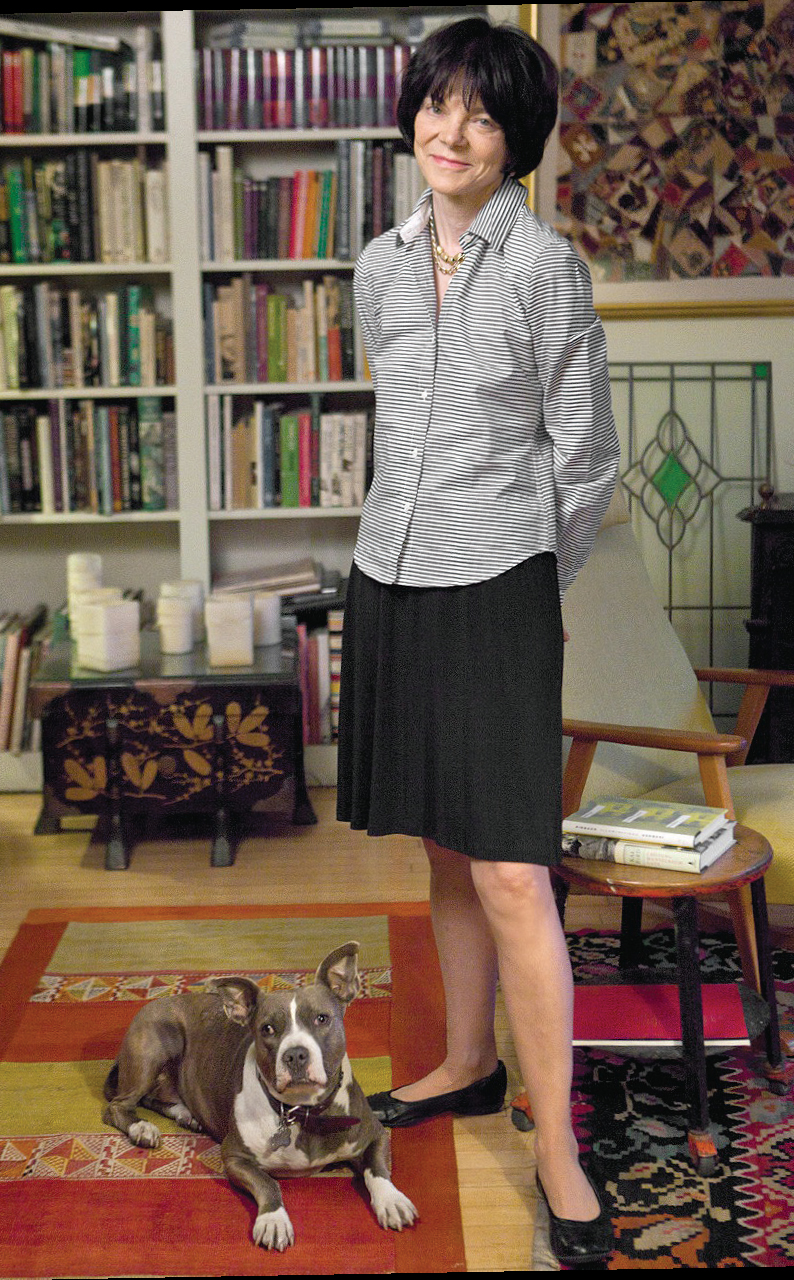
  We have something to celebrate this summer in the resurgence of the American Folk Art Museum. Pronounced dead after selling its award-winning building on Fifty-ThirdStreet in Manhattan, the museum is noth­ing of the sort, as you will see in the articles grouped here under the rubric “Folk Art Rising.” At its tidy quarters on Lincoln Square, a smooth street-level …

The chateau of Bouges in France

Editorial StaffFurniture & Decorative Arts

By MADELEINE JARRY; from The Magazine ANTIQUES, January 1980.  The charming village of Bouges is situated in the center of France, between Chateauroux and Valencay. Grouped around the chateau in the village are several low houses with slate roofs, where those who once served the chatelains lived. The last private owners of the chateau, M. and Mme. Henry Viguier, gave …

Folk art rising

Editorial StaffArt

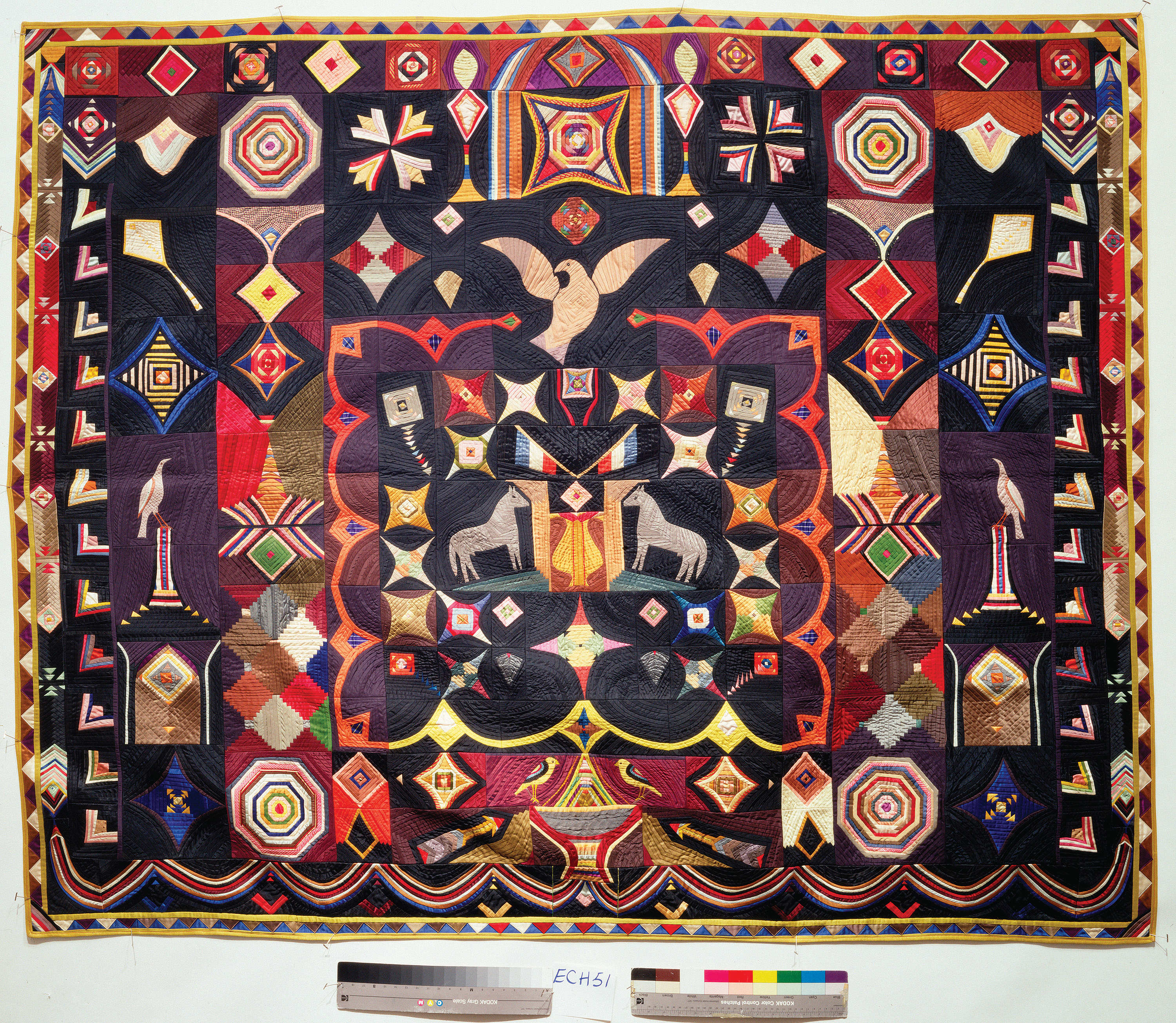
from The Magazine ANTIQUES, July/August 2012 | Although the American Folk Art Museum received a great deal of press attention upon the closing of its award-winning building on Fifty-Third Street last year, the really big story was to be found in its immediate resurgence. Beginning with the hugely successful red and white quilt show at the Park Avenue Armory and …

Southern California modernism engages colonial New England

Editorial StaffArt

from The Magazine ANTIQUES, July/August 2012 | An advertisement placed by the Los Angeles department store Barker Brothers in the Los Angeles Times on November 13, 1929, records the earliest appearance of Porter Blanchard’s Commonwealth pattern, the first American flatware pattern to embrace modernism in both form and ornament (Fig. 3). Nine months later Barker Brothers featured Commonwealth again, in …

The discovery of William Black

Editorial StaffFurniture & Decorative Arts

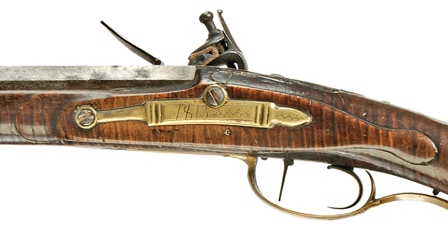
from The Magazine ANTIQUES, July/August 2012 | When the late southern decorative arts expert and author John Bivins Jr. published his 1968 book on early North Carolina firearms, he noted that, “among surviving implements…of early America and the South, few art forms have stirred the imagination more than the American longrifle.”1 Created by craftsmen working in rural communities, long rifles …

City Barnes

Gregory CerioArt

Architecture, by Greg Cerio | from The Magazine ANTIQUES, July/August 2012 | Let’s set aside any recap of the Sturm und Drang that accompanied the move of the Barnes Foundation from its home in suburban Lower Merion Township, Pennsylvania, to central Philadelphia, as well as the uproar over the legal legerdemain that erased many of the strictly defined codicils in the …

The glitter of Night Hauling: Andrew Wyeth in the 1940s

Editorial StaffArt

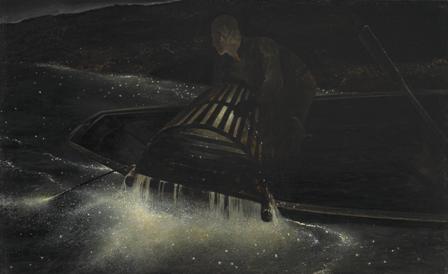
from The Magazine ANTIQUES, May/June 2012 | How do we account for the strangeness of Andrew Wyeth’s art of the 1940s? How, that is, beyond discerning the surrealist undertones, finding the magic realist affinities, or seeing that Wyeth followed in a Brandywine tradition whose oddity was firmly established by Howard Pyle-lone pirates on desolate shores; magicians and curly-shoed dwarves; Revolutionary …